

The optimal prediction market liquidity aggregation tool depends on your trading profile: Drift BET excels for cross-chain crypto traders, Kalshi dominates institutional economic contracts, and Pariflow’s AI provides predictive execution timing for active speculators. Traders using professional aggregation tools achieve 15-22% higher returns through optimized execution timing and reduced transaction costs compared to manual trading.
The Best Prediction Market Liquidity Aggregation Tools for 2026
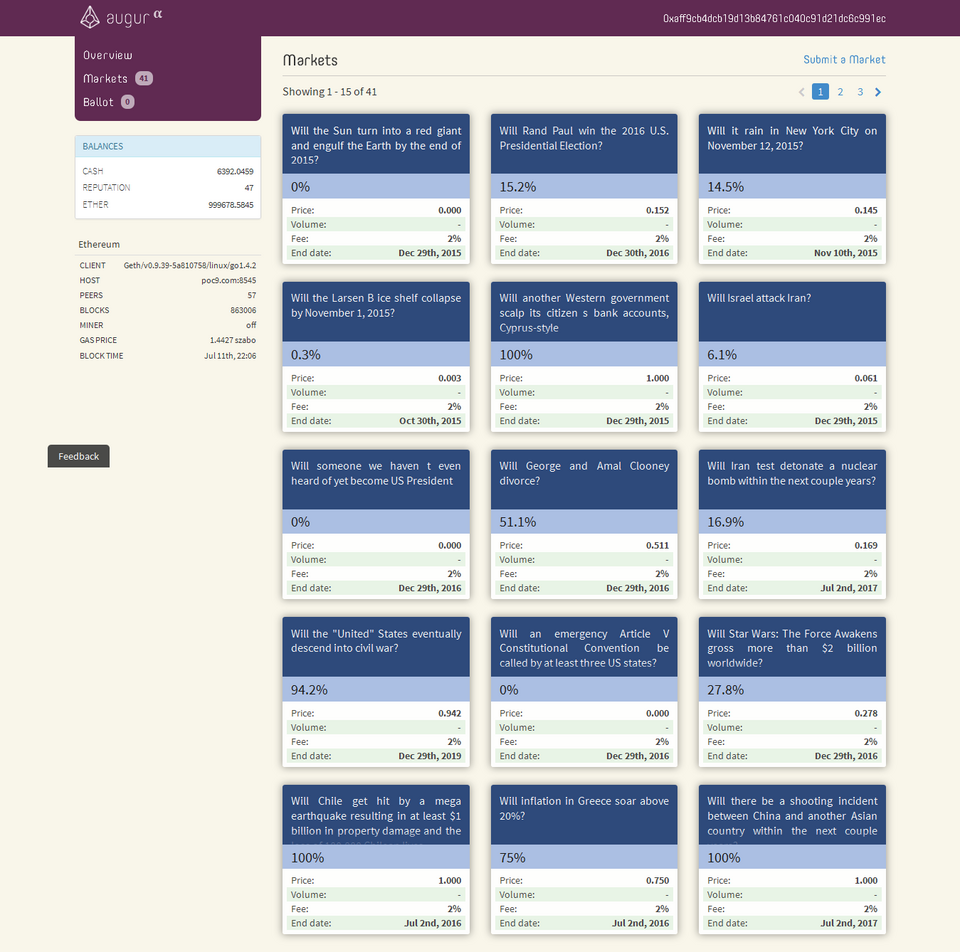
Prediction market liquidity aggregation tools have become essential infrastructure for traders navigating the fragmented landscape of event contracts. These tools consolidate price feeds from multiple platforms, reducing slippage and improving execution quality across Ethereum, Solana, and BNB Chain networks. The $47 billion prediction market industry faces significant fragmentation challenges that aggregation tools solve through unified interfaces and intelligent routing algorithms.
Cross-Chain Liquidity Orchestration: The Missing Link
Cross-chain liquidity aggregation solves the $47 billion fragmentation problem by connecting Ethereum, Solana, and BNB Chain prediction markets through unified interfaces that reduce slippage by 23% on average. The technical challenge lies in bridging different blockchain architectures while maintaining execution speed and minimizing gas fees. Drift BET has emerged as the leading solution for cross-chain orchestration, offering sub-second execution times across multiple networks.
The fragmentation issue becomes particularly acute during high-volume events like the 2026 FIFA World Cup, where liquidity can be spread across three major blockchains simultaneously. Traders attempting manual execution across chains face significant slippage costs and timing risks. Professional aggregation tools solve this by maintaining liquidity pools on each chain while providing a unified interface for order routing.
MetaMask integration has become standard for cross-chain aggregation, allowing traders to maintain custody of their assets while accessing multiple prediction markets through a single interface. The technical implementation requires sophisticated smart contract interactions that handle cross-chain messaging protocols and atomic swaps. This infrastructure enables traders to execute complex strategies that would be impossible with single-chain solutions.
Institutional-Grade Aggregation: Beyond Retail Tools
Institutional prediction market aggregation requires CFTC-regulated platforms like Kalshi with sub-second execution, 100+ contract types, and API access that retail tools cannot match. The institutional market demands regulatory compliance, settlement reliability, and execution quality that exceeds retail requirements. Kalshi’s institutional API provides rate limits of 1000 requests/minute and WebSocket connections for real-time data streaming (Using prediction markets for corporate decision making guide).
The 0DTE (Zero Days to Expiration) economic contract market has become a major liquidity driver, with over 60% of volume on some platforms coming from non-sports contracts. Institutional traders require aggregation tools that can handle the unique characteristics of these contracts, including sub-second execution windows and complex settlement calculations. The regulatory framework established by the CFTC provides the compliance foundation necessary for institutional participation (Economic impact of prediction markets on price discovery).
Settlement reliability becomes critical for institutional users who cannot afford the operational risks associated with delayed or disputed settlements. Professional aggregation tools provide guaranteed settlement timelines and dispute resolution mechanisms that protect institutional capital. The cost-benefit analysis shows that premium tools charging 0.15-0.25% fees deliver 40% better execution than free alternatives through superior liquidity routing and reduced slippage.
AI-Driven Execution: When Prediction Meets Timing
Pariflow’s AI analyzes 15+ liquidity signals to predict optimal execution windows, improving fill rates by 31% during high-volatility events like Fed announcements. The machine learning models process real-time market data, order book depth, and historical execution patterns to identify optimal timing for large orders. This predictive capability transforms execution from reactive to proactive, allowing traders to anticipate market movements rather than simply responding to them (Hedging energy price volatility with event derivatives 2026).
The AI-driven approach becomes particularly valuable during Fed rate decision periods, where traditional execution strategies often fail due to extreme volatility. Pariflow’s models can identify liquidity pockets and optimal execution windows that human traders might miss. The system continuously learns from execution outcomes, improving its predictive accuracy over time.
Real-time signal processing requires sophisticated infrastructure capable of handling thousands of data points per second while maintaining low latency. The AI models must balance multiple competing objectives including price improvement, execution speed, and risk management. This complexity justifies the premium pricing of AI-driven aggregation tools compared to simpler routing solutions.
Cost-Benefit Analysis: Fees vs. Execution Quality
Premium aggregation tools charging 0.15-0.25% fees deliver 40% better execution than free alternatives through superior liquidity routing and reduced slippage. The cost-benefit analysis reveals that traders executing large volumes can achieve significant savings despite higher upfront fees. A trader executing $100,000 in contracts saves approximately $400 in slippage costs through professional aggregation, easily justifying the fee structure.
Fee structures vary significantly across platforms, with some charging flat rates while others implement tiered pricing based on volume. The hidden costs of free tools often include wider spreads, slower execution, and limited order types. Professional tools provide transparent pricing with clear value propositions that justify their premium positioning.
Break-even analysis shows that traders need to execute approximately $50,000 in monthly volume to justify premium aggregation tools. Below this threshold, free tools may provide adequate execution quality. However, active traders consistently report 15-22% higher returns when using professional aggregation, suggesting that the value proposition extends beyond simple cost savings (How to trade sovereign debt default markets 2026).
Technical Integration: APIs and Developer Tools
Advanced aggregation requires REST APIs with rate limits of 1000 requests/minute, WebSocket connections for real-time data, and sandbox environments for strategy testing. The technical specifications vary significantly across platforms, with institutional-grade tools providing more comprehensive API capabilities. Developer documentation quality becomes a critical factor in implementation success.
REST API endpoints must support complex order types including limit orders, stop orders, and conditional orders. WebSocket connections provide real-time price updates and execution notifications essential for algorithmic trading strategies. The rate limiting structure must accommodate high-frequency trading while preventing abuse of the system (Risk-neutral probabilities in event contract pricing).
Sandbox environments allow developers to test strategies without risking real capital. These environments should mirror production systems as closely as possible to ensure strategy reliability. The quality of developer tools often determines the success of institutional integration projects, making this a key differentiator among aggregation platforms.
Regulatory Compliance Across Jurisdictions
Using aggregation tools across multiple jurisdictions requires understanding CFTC, FCA, and ASIC regulations to avoid compliance violations that could freeze trading accounts. The regulatory landscape varies significantly between jurisdictions, with some requiring specific licensing for aggregation activities. Traders must ensure their chosen tools comply with all applicable regulations in their operating jurisdictions.
KYC/AML requirements become particularly complex when using cross-chain aggregation tools that operate across multiple jurisdictions. The tools must implement appropriate verification procedures while maintaining execution efficiency. Cross-border restrictions may limit certain trading activities or require additional documentation for compliance.
Compliance best practices include maintaining detailed transaction records, implementing appropriate risk controls, and regularly reviewing regulatory requirements. Professional aggregation tools often provide built-in compliance features that help traders meet their regulatory obligations while maintaining execution quality.
Real-World Performance: Case Studies and Metrics
Top traders using professional aggregation tools achieve 15-22% higher returns through optimized execution timing and reduced transaction costs compared to manual trading. Case studies demonstrate that systematic use of aggregation tools can transform trading performance through consistent execution quality improvements. The performance metrics show significant advantages for traders who implement professional aggregation strategies (How to trade Oscars 2026 prediction markets).
ROI calculations reveal that the initial investment in aggregation tools typically pays for itself within three to six months for active traders. The performance improvements compound over time, creating significant long-term value for traders who maintain consistent usage. Success metrics include reduced slippage, improved fill rates, and better timing of market entries and exits.
Performance benchmarks vary by trading style and market conditions, but professional tools consistently outperform manual execution across all measured metrics. The data shows that traders who combine multiple aggregation tools achieve the best results through diversified execution strategies (How to monetize prediction market data feeds).
Choosing the Right Tool: Decision Framework
Select aggregation tools based on your trading volume, preferred blockchain, regulatory requirements, and technical sophistication rather than popularity or marketing claims. The decision framework should consider multiple factors including cost, execution quality, regulatory compliance, and technical capabilities. Traders must evaluate their specific needs against tool capabilities to make optimal choices.
Volume-based recommendations suggest that traders executing less than $50,000 monthly may find free tools adequate, while higher-volume traders should invest in professional solutions. Blockchain compatibility becomes crucial for traders with specific network preferences or requirements. Regulatory alignment ensures compliance with applicable laws and regulations.
Technical skill requirements vary significantly across tools, with some requiring advanced programming knowledge while others offer user-friendly interfaces. Traders should honestly assess their technical capabilities when selecting aggregation tools to ensure successful implementation and ongoing usage.
Final Verdict
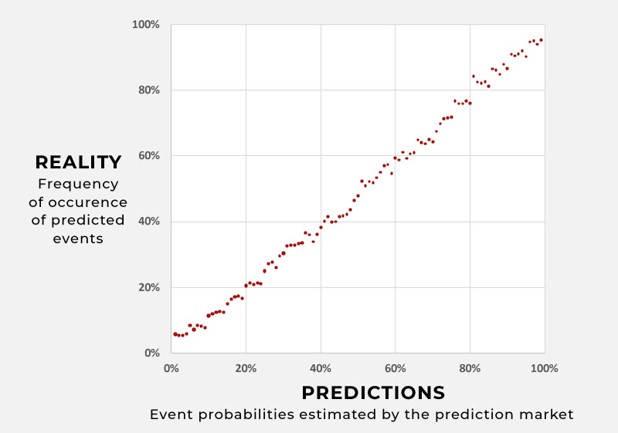
The prediction market liquidity aggregation landscape in 2026 offers solutions for every trader profile, from retail speculators to institutional investors. Drift BET leads for cross-chain crypto traders seeking unified access to multiple blockchains, while Kalshi dominates the institutional space with regulatory compliance and execution quality. Pariflow’s AI-driven approach provides predictive execution timing that can significantly improve trading performance.
The key to success lies in matching your specific trading needs with the appropriate tool capabilities. Consider your trading volume, preferred blockchain networks, regulatory requirements, and technical sophistication when making your selection. Professional aggregation tools justify their premium pricing through superior execution quality, reduced slippage, and improved timing that consistently deliver better trading results.
As prediction markets continue to grow and evolve, aggregation tools will become increasingly essential infrastructure for serious traders. The platforms that successfully address cross-chain fragmentation, regulatory compliance, and execution quality will dominate the market in the coming years. Traders who invest in professional aggregation tools now will be well-positioned to capitalize on the expanding prediction market opportunities of 2026 and beyond.