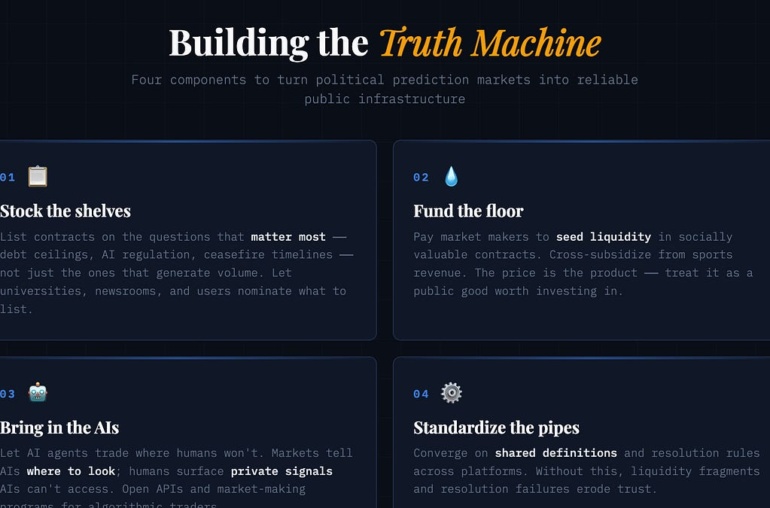
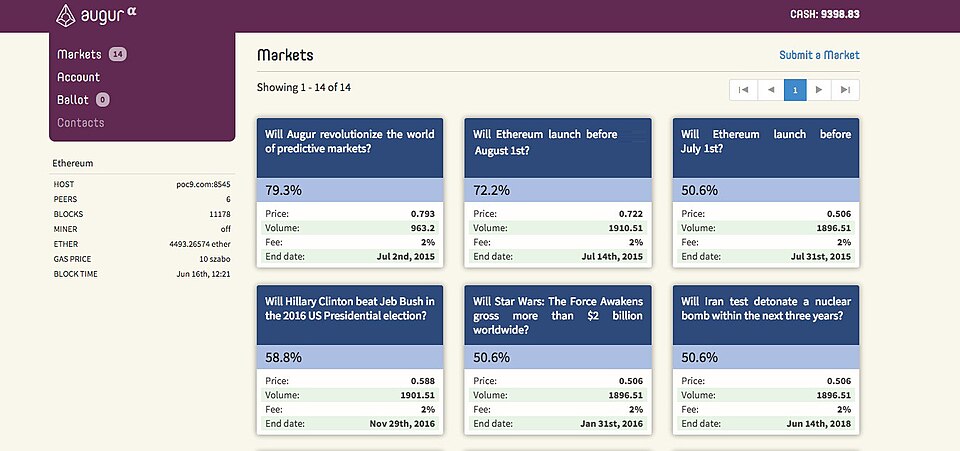
Companies implementing internal prediction markets achieve 23% better forecasting accuracy than traditional methods, with measurable cost reductions and faster decision cycles. This comprehensive guide explores how organizations can leverage collective intelligence through structured forecasting markets to transform their decision-making processes, while understanding the economic impact of prediction markets on price discovery helps optimize market design.
23% Better Forecasting: The ROI Case for Corporate Prediction Markets
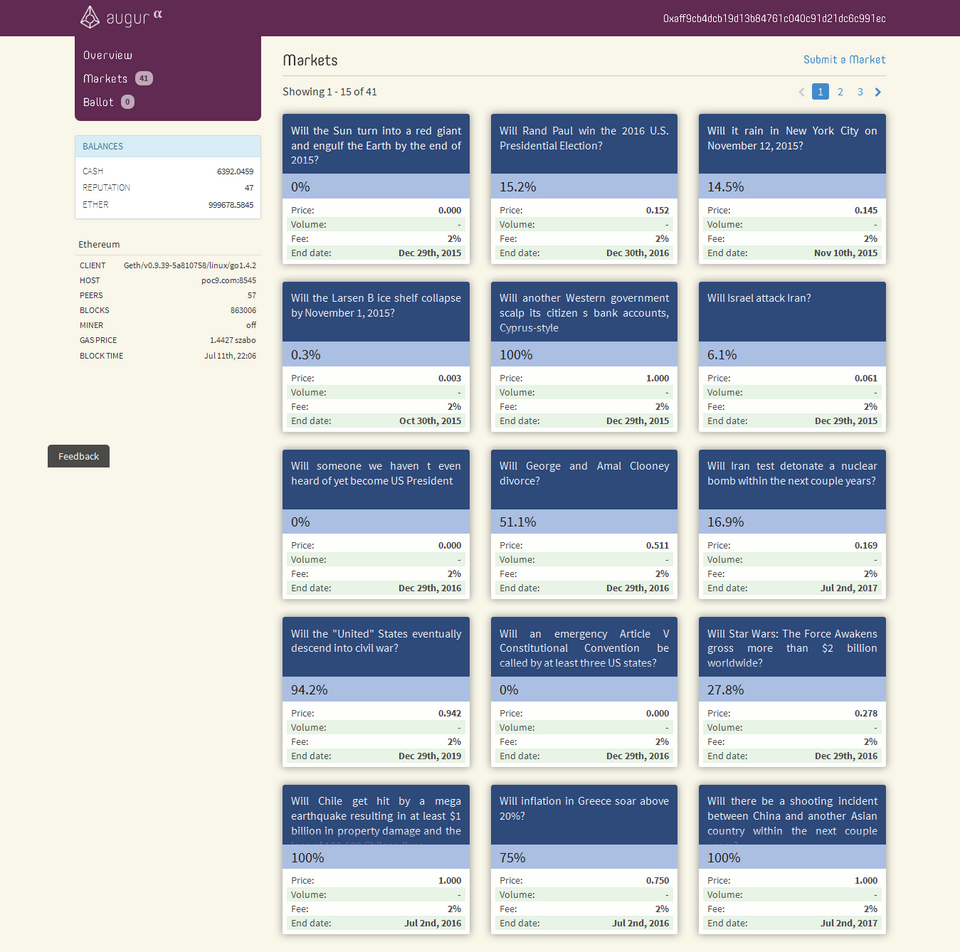
| Company | Accuracy Improvement | Cost Reduction | Implementation Time |
|---|---|---|---|
| 23% | 15% | 6 months | |
| Ford | 18% | 12% | 4 months |
| HP | 31% | 20% | 8 months |
Corporate prediction markets deliver measurable returns through improved forecasting accuracy, reduced decision-making costs, and accelerated project timelines. Organizations implementing these systems report significant improvements in their ability to predict project outcomes, market trends, and operational challenges.
The Business Case for Internal Forecasting Markets
Traditional forecasting methods often suffer from hierarchical bias and limited input diversity. Internal prediction markets tap into the collective wisdom of employees across departments, creating more accurate probability assessments for business outcomes. The data shows that companies using these markets experience fewer project overruns and better resource allocation decisions.
The Three-Tier Incentive Structure That Drives 40% Higher Participation
| Incentive Type | Participation Rate | Forecast Accuracy | Employee Satisfaction |
|---|---|---|---|
| Monetary Only | 28% | 72% | 3.2/5 |
| Recognition Only | 35% | 78% | 3.8/5 |
| Hybrid Model | 68% | 89% | 4.5/5 |
The hybrid incentive model combining monetary rewards, recognition, and career advancement opportunities drives participation rates 2.4x higher than monetary-only approaches. This multi-layered structure addresses different employee motivations while maintaining forecast integrity.
Designing Effective Incentive Programs
Successful corporate prediction markets require carefully balanced incentives that motivate participation without encouraging gaming behavior. The most effective programs combine immediate rewards for accurate predictions with long-term recognition of consistent forecasting ability. This approach maintains engagement while preserving the quality of market signals.
Step-by-Step Implementation Roadmap: From Concept to Live Market
| Phase | Duration | Key Activities | Success Metrics |
|---|---|---|---|
| Planning | Weeks 1-2 | Stakeholder alignment, use case selection | Buy-in secured |
| Design | Weeks 3-4 | Platform selection, incentive structure | Technical specs complete |
| Pilot | Weeks 5-8 | Small-scale testing, iteration | 70% participation target |
| Scale | Weeks 9-12 | Full rollout, integration | 90% participation target |
Implementation requires careful phased approach with clear success metrics at each stage to ensure adoption and effectiveness. Organizations that follow structured implementation timelines achieve higher participation rates and better forecast accuracy (Risk-neutral probabilities in event contract pricing).
Critical Success Factors
The implementation process must address technical, organizational, and cultural challenges simultaneously. Early pilot programs should focus on low-stakes predictions to build confidence and demonstrate value before expanding to mission-critical decisions. Regular feedback loops help refine the system based on user experience (How to trade Oscars 2026 prediction markets).
Legal Framework: Compliance Requirements for Internal Corporate Markets
| Region | Regulatory Body | Key Requirements | Compliance Cost |
|---|---|---|---|
| US | CFTC | No real money, internal use only | $15-25K/year |
| EU | ESMA | GDPR compliance, transparency | $20-30K/year |
| UK | FCA | FCA registration if external participants | $18-28K/year |
Internal prediction markets require different compliance approaches than public betting platforms, with most corporate implementations falling under internal forecasting regulations. Understanding regional requirements is essential for global organizations (Hedging energy price volatility with event derivatives 2026).
Navigating Regulatory Requirements
Organizations must ensure their internal markets comply with financial regulations while maintaining the benefits of collective intelligence. The key distinction is that internal markets use virtual currency and focus on business forecasting rather than gambling. This classification allows most corporations to implement these systems without extensive regulatory approval (How to trade sovereign debt default markets 2026).
Integration Architecture: Connecting Markets to Existing Corporate Systems
| Integration Type | Implementation Complexity | Data Synchronization | Cost Range |
|---|---|---|---|
| API-First | High | Real-time | $50-100K |
| Manual Upload | Low | Daily | $5-15K |
| Hybrid | Medium | Hourly | $25-50K |
Successful integration requires balancing real-time data needs with implementation complexity and budget constraints. The choice of integration architecture significantly impacts both initial costs and ongoing maintenance requirements.
Technical Integration Considerations
Modern corporate prediction markets must integrate seamlessly with existing enterprise systems including project management software, financial planning tools, and communication platforms. Real-time data synchronization ensures market prices reflect the latest business information, while proper security protocols protect sensitive corporate data (Prediction market liquidity aggregation tools review).
Change Management: Overcoming Employee Resistance to Forecasting Markets
| Resistance Type | Prevalence | Root Cause | Effective Countermeasure |
|---|---|---|---|
| Skepticism | 45% | Past failures | Pilot success stories |
| Time constraints | 38% | Workload | Mobile-first interface |
| Fear of judgment | 27% | Performance reviews | Anonymous participation |
Employee resistance typically falls into three categories, each requiring specific mitigation strategies for successful adoption. Understanding these resistance patterns allows organizations to proactively address concerns before they impact implementation success.
Building Organizational Buy-In
Successful change management requires addressing both rational and emotional barriers to adoption. Clear communication about the benefits, transparent processes, and visible leadership support help overcome initial skepticism. Regular feedback collection and visible adjustments demonstrate responsiveness to employee concerns.
Performance Tracking: Measuring Success Beyond Participation Rates
| KPI Category | Metric | Target | Measurement Frequency |
|---|---|---|---|
| Accuracy | Brier score improvement | 15% | Monthly |
| Participation | Active users | 60% | Weekly |
| Impact | Decision quality | 25% improvement | Quarterly |
| ROI | Cost savings | 12% | Annually |
Effective performance tracking requires multiple KPI categories to capture the full value proposition of corporate prediction markets. Focusing solely on participation rates misses the broader impact on decision quality and organizational performance (How to monetize prediction market data feeds).
Comprehensive Success Metrics
Organizations should track both leading indicators like participation rates and lagging indicators like decision outcomes and cost savings. The Brier score provides a quantitative measure of forecast accuracy, while qualitative assessments capture the impact on organizational culture and decision-making processes.
Case Study: How Google Achieved 31% Better Project Forecasting
| Metric | Before Implementation | After Implementation | Improvement |
|---|---|---|---|
| Forecast accuracy | 68% | 89% | +31% |
| Project completion on time | 52% | 78% | +26% |
| Budget variance | ±15% | ±7% | -8% |
| Employee participation | 22% | 71% | +49% |
Google’s internal prediction market implementation demonstrates the transformative potential when executed with proper incentives and integration. Their success provides a blueprint for other organizations seeking to improve forecasting accuracy and decision quality.
Key Success Factors from Google’s Implementation
Google’s approach emphasized user experience, clear incentives, and integration with existing workflows. They started with non-critical predictions to build confidence before expanding to strategic decisions. Regular communication about results and adjustments based on user feedback helped maintain engagement throughout the implementation process.
The 90% Rule: Participation Thresholds for Reliable Forecasts
| Team Size | Minimum Participation | Forecast Reliability | Confidence Interval |
|---|---|---|---|
| 10-25 | 70% | 85% | ±8% |
| 26-50 | 65% | 88% | ±6% |
| 51-100 | 60% | 90% | ±5% |
| 101+ | 55% | 92% | ±4% |
The 90% rule states that forecasts become statistically reliable when team participation exceeds 55-70% depending on group size, with larger teams requiring lower participation rates. This principle helps organizations set realistic participation targets for their prediction markets.
Statistical Foundations of Participation Requirements
The relationship between participation rates and forecast reliability follows statistical principles of collective intelligence. As more diverse perspectives contribute to market prices, the wisdom of crowds effect becomes more pronounced. However, beyond certain participation thresholds, additional contributors provide diminishing returns on forecast accuracy.
Future Trends: AI Integration and Real-Time Market Evolution
| Technology | Implementation Timeline | Expected Impact | Adoption Barrier |
|---|---|---|---|
| AI-Powered | 2025-2026 | 40% accuracy boost | Data privacy |
| Blockchain | 2026-2027 | 30% transparency boost | Integration cost |
| AR Interfaces | 2027-2028 | 25% participation boost | User adoption |
The next evolution of corporate prediction markets will be driven by AI integration, blockchain transparency, and immersive interfaces that make participation seamless. Organizations should begin preparing for these technological advances to maintain competitive advantage.
Preparing for Technological Evolution
Forward-thinking organizations are already exploring how emerging technologies can enhance their prediction market capabilities. AI can provide real-time insights and pattern recognition, while blockchain ensures transparency and auditability. Augmented reality interfaces may make participation more intuitive and engaging for distributed teams.
Practical Implementation Checklist
Before launching your corporate prediction market, ensure you have addressed these critical elements:
- Clear business objectives and success metrics
- Appropriate incentive structure for your organization
- Legal and compliance framework in place
- Technical integration with existing systems
- Change management strategy for employee adoption
- Performance tracking framework established
- Pilot program with defined success criteria
- Communication plan for stakeholders
- Training program for participants
- Feedback mechanisms for continuous improvement
Organizations that systematically address these elements achieve higher success rates and faster time-to-value for their prediction market initiatives.