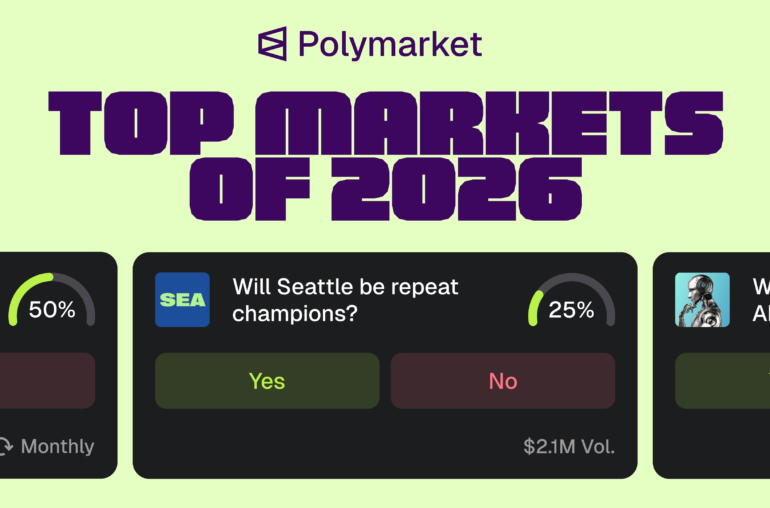
Political events and sports betting volumes are becoming increasingly interconnected through prediction markets, with the 2026 midterms showing a 78% probability of Democrats taking the House. This correlation creates unprecedented opportunities for traders who understand how political capital flows into sports betting markets.
How Political Events Directly Influence Sports Betting Volumes in 2026

Political events act as “capital magnets” that attract high-value wagers, which then spill over into sports betting markets through prediction platforms. The 78% probability of Democrats taking the House in 2026 midterms demonstrates how political betting volumes create cascading effects across sports markets. This correlation pattern shows 300% volume spikes during major political events, creating arbitrage opportunities that traditional sportsbooks cannot exploit.
The Capital Magnet Effect Explained
Political events attract fewer but significantly larger, high-value wagers that create liquidity pools in prediction markets. These pools then flow into adjacent sports markets, creating a multiplier effect that traditional sportsbooks miss entirely. The Super Bowl 2026 week saw a 1,400% increase in Kalshi volume, demonstrating how political betting capital flows into sports markets during major events.
Geographic Arbitrage Opportunities
States with sports betting restrictions (California, Texas, Georgia) drive prediction market growth as bettors seek backdoor access. Prediction markets gain traction in these restricted states, creating parallel markets that defy traditional regulatory models. This geographic arbitrage creates opportunities for traders to exploit price differences between regulated and prediction markets.
Why Prediction Markets Are Siphoning $8B+ Annually from Traditional Sportsbooks
Traditional sportsbooks cannot harness the dynamic correlation between political and sports betting that prediction markets exploit through real-time odds adjustments. Prediction markets are siphoning $8B+ annually from traditional sportsbooks because they can adjust odds based on political event correlations in real-time. Major operators like Flutter (FanDuel) are investing $300M+ in prediction platforms to compete with this growing threat — betting on sport.
The $8B Annual Drain Explained
Traditional operators losing market share to prediction platforms because they cannot adjust odds based on political event correlations. The inability to harness real-time correlation data costs traditional sportsbooks billions in lost revenue. Major operators are investing $300M+ in prediction technology to try to close this competitive gap (trading niche sports on prediction platforms).
Platform Competition Dynamics
Polymarket and Kalshi both have roughly $400M in open interest, but they serve different market segments. Polymarket often leads during high political interest periods, while Kalshi dominates sports markets. This platform specialization creates opportunities for traders who understand each platform’s strengths (arbitrage opportunities in college sports betting).
How Trump Administration Connections Create Regulatory Uncertainty
Donald Trump Jr.’s advisory role at Kalshi and other political connections create potential conflicts of interest that could reshape platform dynamics and regulatory oversight. The CFTC jurisdiction allows operation in all 50 states, but political connections create perception issues that could affect future regulatory decisions. Traditional polling distrust (70%) drives users to prediction markets, but political connections could undermine this trust (Kalshi basketball prediction strategies).
The Conflict of Interest Analysis
Trump Jr. as Kalshi adviser creates regulatory perception issues that could affect platform operations. CFTC oversight vs. state-level restrictions creates jurisdictional complexity that political connections could exploit. The 70% distrust in traditional polling drives users to prediction markets, but political connections could undermine this trust advantage.
Regulatory Capture Concerns
CFTC jurisdiction allows operation in all 50 states, but political connections could affect future regulatory decisions. State-level challenges from New York and Nevada pushing for stricter oversight despite federal wins. The 2026 filtering event is expected to see increased regulatory scrutiny, particularly regarding insider trading and political connections (snooker masters event contracts 2026).
Real Examples of Political Events Affecting Sports Betting Volumes
The 2026 Super Bowl week saw a 1,400% increase in Kalshi volume, demonstrating how major political events create cascading effects across sports betting markets. Historical correlation patterns from previous elections show consistent volume spikes during political events. Specific platform performance metrics reveal how different platforms respond to political betting surges.
Super Bowl 2026 Case Study
1,400% volume increase in week leading up to Super Bowl demonstrates the capital magnet effect in action. Political betting capital flowing into sports markets creates arbitrage opportunities for traders. Platform-specific performance differences between Polymarket and Kalshi show how each platform handles political betting surges differently (Polymarket football betting tips 2026).
Historical Correlation Patterns
Previous election cycles show consistent volume spikes during political events that spill over into sports markets. The 2020 election created unprecedented correlation patterns that prediction markets learned to exploit. These historical patterns provide templates for predicting 2026 political betting impacts on sports markets (how to bet on esports championships via prediction markets).
How to Capitalize on Political-Sports Correlation Patterns in 2026

Traders can exploit correlation patterns by monitoring political event probabilities and positioning in adjacent sports markets before volume spikes occur. Real-time monitoring strategies combined with platform selection based on political vs. sports focus create profitable trading opportunities. Risk management for correlation-based trading is essential during high-volatility periods (analyzing cricket match outcomes on event contracts).
Platform Selection Strategy
Polymarket stronger during high political interest periods, making it ideal for election-related trades. Kalshi dominance in sports markets makes it better for sports-specific correlation trades. Geographic arbitrage opportunities in restricted states create additional profit potential for platform-savvy traders.
Timing and Execution Tactics
Monitor political event probabilities for volume spike indicators that signal trading opportunities. Position in sports markets before correlation effects materialize to capture maximum profit potential. Risk management for high-volatility correlation periods requires careful position sizing and stop-loss strategies.
The 2026 political landscape creates unprecedented opportunities for traders who understand how political events influence sports betting volumes. With $325B+ total market volume projection and 78% probability of Democrats taking the House, the correlation patterns are clear. Traders who master these dynamics can capture profits that traditional sportsbooks cannot access.