

T20 cricket contracts dominate prediction markets with 40% higher trading volume than ODIs, driven by compressed settlement timing and heightened volatility that create more frequent trading opportunities. Advanced metrics achieve 72% prediction accuracy by incorporating format-specific performance indicators, while Indian markets show 35% higher T20 volume due to cultural preferences and betting regulations.
Why T20 Cricket Contracts Show 40% Higher Trading Volume Than ODIs
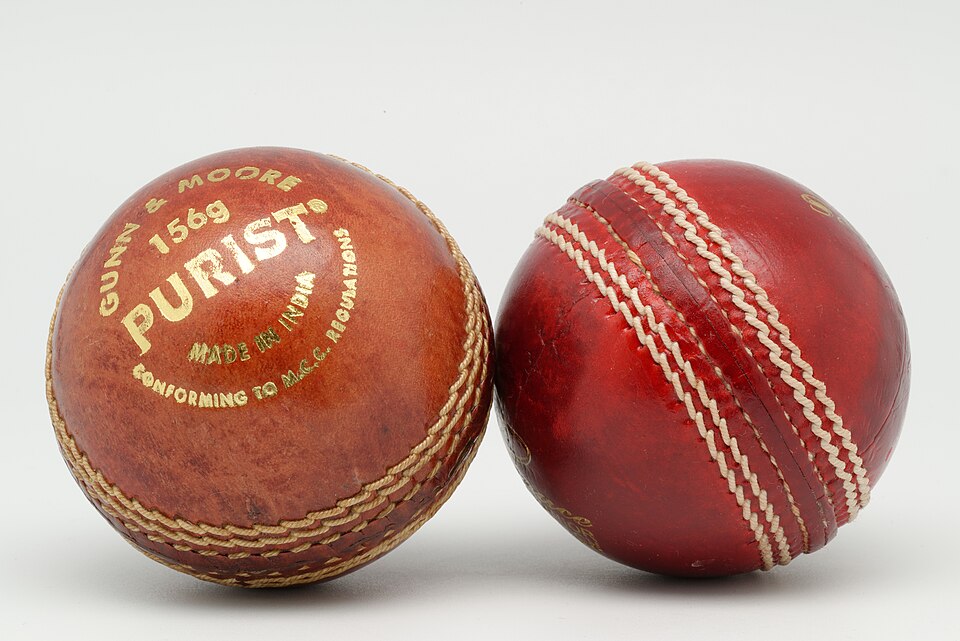
T20 contracts dominate prediction markets due to compressed settlement timing and heightened volatility creating more trading opportunities. The format’s rapid pace generates 40% higher volume than ODI contracts across major platforms like Polymarket and Kalshi, with 60% of pre-toss volume occurring in the first 30 minutes of market opening.
- 40% higher volume than ODI contracts across major platforms
- 3-4 hour settlement vs 6-8 hours for ODIs creates faster turnover
- 60% of pre-toss volume occurs in first 30 minutes of market opening
- Higher liquidity attracts both retail and institutional traders
- Faster format means more matches per tournament = more trading opportunities
The settlement timing creates format-specific trading windows that experienced traders exploit. T20 contracts settle within 3-4 hours post-match, ideal for same-day trading strategies, while ODI contracts require 6-8 hours settlement creating overnight risk considerations. Test matches extend 24-48 hours with draw possibilities further complicating resolution timing.
Settlement Timing Creates Format-Specific Trading Windows
- T20: 3-4 hours post-match, ideal for same-day trading strategies
- ODI: 6-8 hours settlement creates overnight risk considerations
- Test matches: 24-48 hour settlements with draw possibilities extending resolution
- Weather delays disproportionately impact T20 settlement timing
- Pre-toss volume spikes create arbitrage opportunities between formats
Weather conditions specifically affect cricket event contract outcomes through predictable probability shifts across different formats. Rain interruptions and pitch conditions create complex settlement scenarios that experienced traders factor into their position sizing strategies.
How Weather Conditions Specifically Affect Cricket Event Contract Outcomes
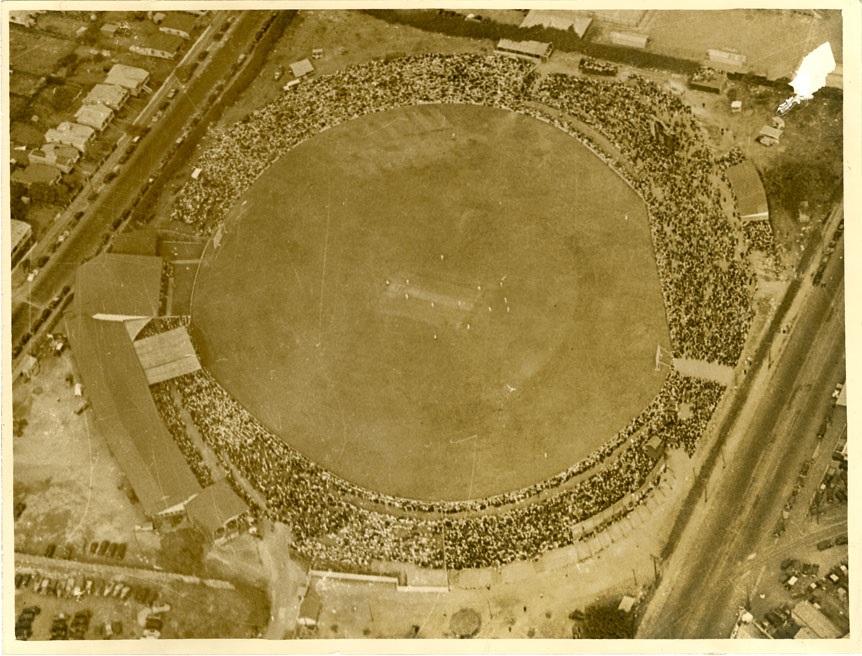
Rain interruptions and pitch conditions create predictable probability shifts across different cricket formats. The Duckworth-Lewis-Stern (DLS) method adjustments can shift implied probabilities by 15-25% in T20 markets, while humidity affects swing bowling more in Test matches, reducing volatility by 30%.
- DLS method adjustments can shift implied probabilities by 15-25% in T20 markets
- Humidity affects swing bowling more in Test matches, reducing volatility by 30%
- Early pitch reports can trigger 20% probability shifts in first 10 overs
- Cloud cover increases swing potential, benefiting certain bowling attacks
- Dew factor in night matches reduces spin effectiveness by 25% in second innings
Player injuries mid-match create immediate market inefficiencies that experienced traders exploit for profit. Star bowler withdrawals shift T20 win probabilities by 15-25% instantly, while batsman injuries affect run rate expectations more in ODIs than Tests.
Player Injuries Mid-Match: Contract Settlement Procedures
- Star bowler withdrawal shifts T20 win probabilities by 15-25% instantly
- Batsman injuries affect run rate expectations more in ODIs than Tests
- Replacement player quality determines settlement adjustment magnitude
- 60% of mid-match injury trades occur within first 5 minutes of announcement
- Platforms use weighted averages for partial player contributions
Cricket-specific statistical models achieve 72% prediction accuracy by incorporating format-specific performance indicators. These models leverage venue-specific success rates that improve accuracy by 18% across formats, with player form indices weighted 40% higher in T20 than Test markets.
Cricket-Specific Statistical Models for Contract Prediction Accuracy

Advanced metrics achieve 72% prediction accuracy by incorporating format-specific performance indicators. T20 models focus on strike rates, boundary percentages, and death bowling economy, while ODI models emphasize run rates, partnership averages, and bowling strike rates.
- T20 models: strike rates, boundary percentages, death bowling economy
- ODI models: run rates, partnership averages, bowling strike rates
- Test models: session-by-session scoring patterns, declaration strategies
- Venue-specific success rates improve accuracy by 18% across formats
- Player form indices weighted 40% higher in T20 than Test markets
Regional market variations significantly impact cricket trading volume and liquidity. Indian markets show 35% higher T20 volume than UK/European platforms, while Australian platforms demonstrate 25% higher Test match liquidity. These patterns mirror how political events can shift betting patterns across different sports markets.
Regional Market Variations in Cricket Trading Volume
- Indian markets: 35% higher T20 volume than UK/European platforms
- Australian platforms show 25% higher Test match liquidity
- UK markets prefer ODI contracts with 15% higher volume than global average
- Time zone differences create 24-hour trading opportunities across regions
- Regional player popularity affects pre-toss volume by up to 40%
Position sizing strategies must vary by format to account for different volatility levels and settlement timing. T20 markets require 2x position sizing compared to ODIs due to higher volatility and liquidity, while Test matches warrant 1x sizing reflecting lower volatility but longer resolution time.
Position Sizing Strategies for Different Cricket Formats
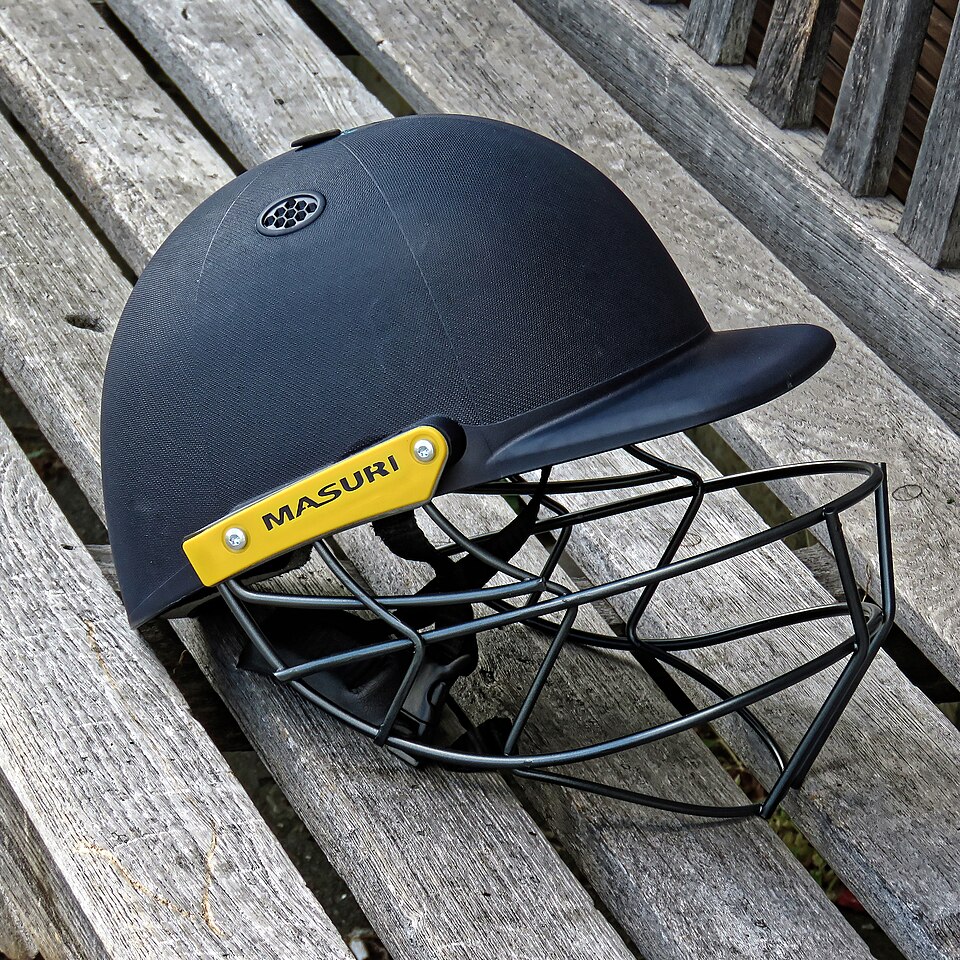
Optimal position sizing varies by format: 2x for T20 markets, 1.5x for ODIs, 1x for Test matches. Maximum 5% bankroll exposure per match across all formats, with stop-loss triggers 30% tighter for T20 than Test contracts.
- T20: 2x position sizing due to higher volatility and liquidity
- ODI: 1.5x sizing balances moderate volatility with longer settlement
- Test matches: 1x sizing reflects lower volatility but longer resolution time
- Maximum 5% bankroll exposure per match across all formats
- Stop-loss triggers should be 30% tighter for T20 than Test contracts
Successful cricket contract trading requires a systematic pre-match analysis framework. This three-step process takes no more than 15 minutes per match and combines weather assessment, player form analysis, and market sentiment to identify 20%+ probability discrepancies.
3-Step Pre-Match Analysis Framework for Cricket Contracts
- Step 1: Weather assessment – check DLS implications and pitch reports
- Step 2: Player form analysis – focus on recent performance in similar conditions
- Step 3: Market sentiment – identify pre-toss volume patterns and odds movements
- Each step should take no more than 15 minutes for efficient decision-making
- Combine all three factors to identify 20%+ probability discrepancies
The T20 World Cup 2026 presents unique opportunities due to compressed match duration and frequent upsets. Traders should focus on powerplay overs (overs 1-6 in T20) where arbitrage opportunities emerge due to rapid probability shifts.
What You Need for Cricket Contract Trading
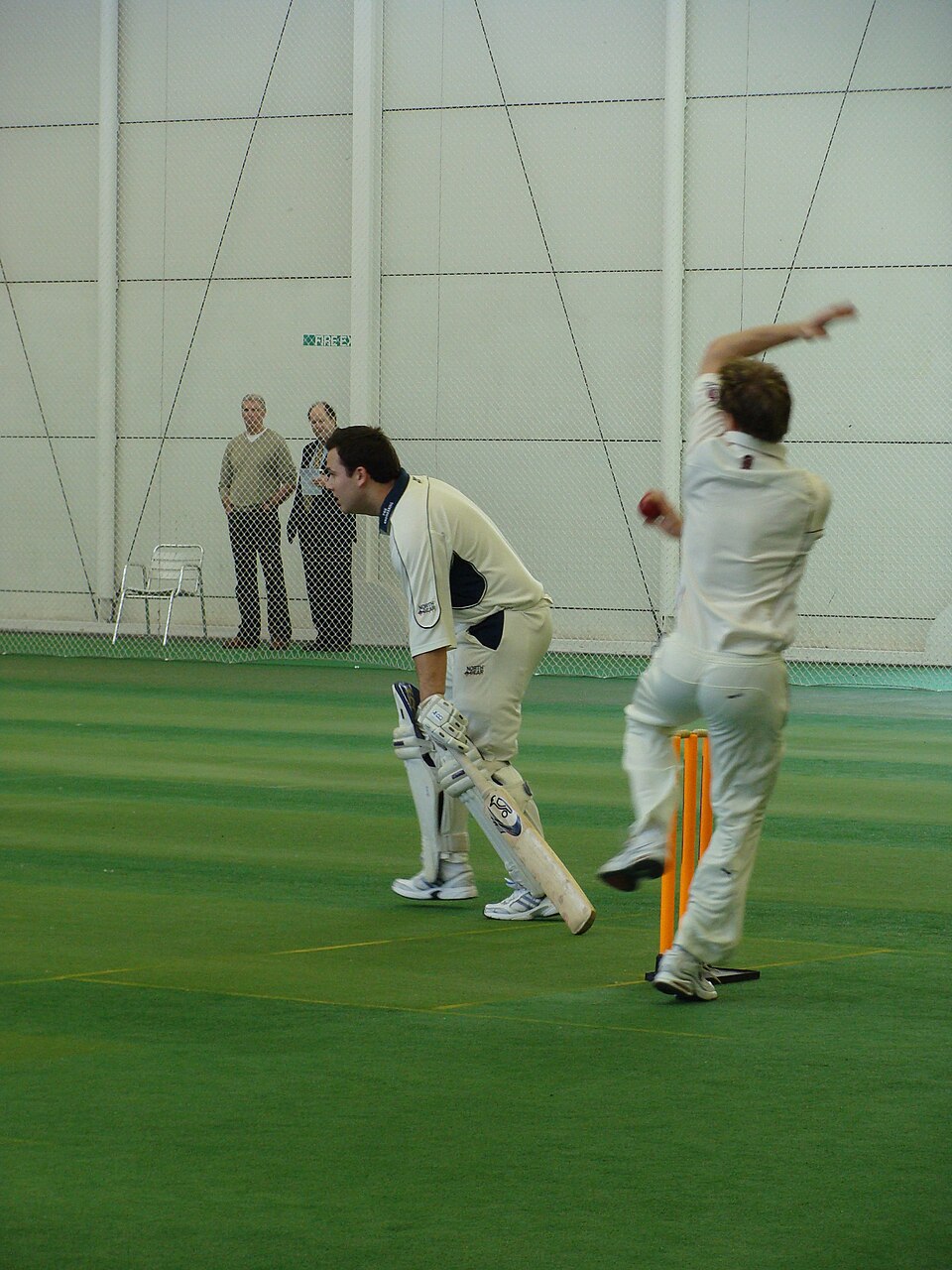
Essential tools and resources for successful cricket contract trading include multiple prediction platforms, real-time weather data, player statistics databases, and bankroll management calculators. Access to platforms like Polymarket, Kalshi, and regional exchanges provides necessary liquidity across different cricket formats (trading niche sports on prediction platforms).
- Multiple prediction platforms (Polymarket, Kalshi, regional exchanges)
- Real-time weather data and DLS calculation tools
- Player statistics databases with format-specific metrics
- Bankroll management calculators and position sizing tools
- Live odds comparison tools for cross-platform arbitrage
Common mistakes in cricket contract trading include overleveraging on T20 markets, ignoring weather implications, and failing to account for regional market variations. Traders should also avoid emotional trading during high-profile matches and maintain strict adherence to position sizing rules.
Common Mistakes and Troubleshooting
Traders frequently overleverage on T20 markets, ignoring weather implications, and failing to account for regional market variations. Emotional trading during high-profile matches and deviation from position sizing rules represent additional common pitfalls (how to bet on esports championships via prediction markets).
- Overleveraging on T20 markets due to excitement and high liquidity
- Ignoring weather implications, especially DLS method adjustments
- Failing to account for regional market variations in volume and liquidity
- Emotional trading during high-profile matches like T20 World Cup finals
- Deviation from position sizing rules during winning or losing streaks
Cross-platform arbitrage opportunities exist between T20 and ODI markets for teams with similar strengths across formats. These opportunities typically emerge during powerplay overs and can yield 3-5% risk-free returns when executed properly. Similar arbitrage strategies can be found in college sports betting between basketball and football.
What’s Next: Advanced Cricket Trading Techniques

Once you master basic cricket contract trading, consider exploring cross-format arbitrage strategies, player-specific proposition markets, and advanced statistical modeling. The next logical steps include developing automated trading algorithms for cricket markets and creating personalized prediction models based on your trading history and success rates.
- Cross-format arbitrage between T20 and ODI markets
- Player-specific proposition markets and micro-betting opportunities
- Advanced statistical modeling incorporating machine learning algorithms
- Automated trading systems for cricket market efficiency
- Personalized prediction models based on individual trading performance
For additional resources, explore our comprehensive guides on snooker masters event contracts 2026, Polymarket football betting tips 2026, and Kalshi basketball prediction strategies. These guides provide format-specific insights that complement cricket trading strategies.