
Prediction markets have transitioned from niche crypto experiments into a $325 billion asset class in 2026, creating a fundamental divide between retail platforms optimized for accessibility and institutional platforms built for compliance and scale. This explosive growth has spawned two distinct ecosystems: retail platforms like Polymarket that thrive on event volatility and crypto integration, and institutional platforms like Kalshi that focus on macro hedging and CFTC compliance. Understanding these differences is essential for traders choosing their optimal platform.
Prediction Markets 2026: The $325B Asset Class Divide
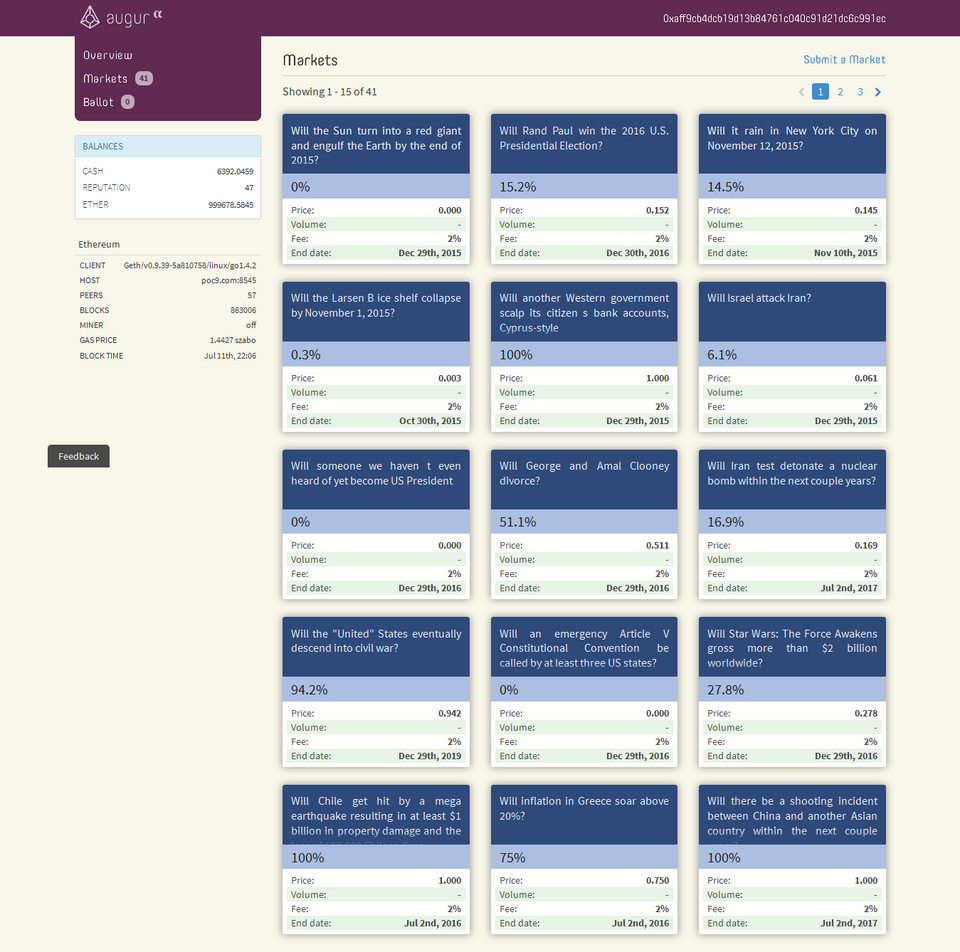
Based on market trends as of early 2026, prediction markets have transitioned from niche crypto experiments into a significant asset class, with total trading volumes projected to exceed $325 billion in 2026.
The bifurcation between retail and institutional platforms represents more than just scale differences—it’s a fundamental shift in market structure, participant behavior, and regulatory oversight. Retail platforms serve the “wisdom of the crowd” with smaller, high-frequency bets on entertainment events, while institutional platforms cater to large, strategic positions focused on information arbitrage and macro hedging.
Regulatory Framework: CFTC Oversight vs Decentralized Access
Institutional platforms like Kalshi operate under strict CFTC oversight with KYC (Know Your Customer) requirements, while retail-focused platforms like Polymarket may operate with more decentralized or international structures.
The regulatory landscape fundamentally shapes platform architecture and user experience. Kalshi’s CFTC designation as a designated contract market (DCM) provides institutional certainty but requires thorough onboarding processes, including identity verification and AML compliance. Retail platforms often leverage crypto wallet integration for pseudonymous access, though this approach faces increasing regulatory scrutiny as prediction markets mature into a recognized asset class.
Platform Comparison: Polymarket vs Kalshi Market Share Battle
In early 2026, Polymarket is recognized as the largest platform for volume, while Kalshi is deemed the most “institutionally credible” with “boring but reliable” reputability.
The two dominant players control 85-90% of institutional liquidity but serve vastly different trader types. Polymarket’s event diversity—spanning politics, sports, and crypto outcomes—contrasts with Kalshi’s macro-focused offerings on CPI releases, Fed decisions, and economic indicators. This specialization creates distinct trading ecosystems where retail traders chase entertainment value while institutional players seek uncorrelated alpha generation. For those interested in sports betting strategies, our guide on major sports league outcome markets provides valuable insights into this growing segment (How to trade crypto regulation outcome markets 2026 guide).
API Access: Technical Integration Differences
Institutional platforms offer RESTful APIs with rate limits of 1000 requests/minute and WebSocket streaming for real-time data, while retail platforms provide basic REST endpoints with 100 requests/minute limits.
API capabilities directly impact trading strategy automation. Institutional traders can deploy algorithmic strategies with millisecond execution through institutional-grade APIs that support WebSocket streaming, market data subscriptions, and high-frequency order placement. Retail traders face API throttling that limits high-frequency approaches, though basic REST endpoints still enable manual trading and simple automation. The technical divide reflects the different trading styles: institutional algorithmic execution versus retail discretionary decision-making. Understanding how HFT impacts prediction odds is crucial for developing effective strategies (Analyzing prediction market performance during market volatility 2026).
Minimum Deposits: Accessibility vs Capital Requirements
Retail platforms typically require $10-50 minimum deposits via crypto or credit card, whereas institutional platforms mandate $10,000+ initial deposits with wire transfer requirements.
This 200x difference in entry barriers shapes platform demographics and trading behavior. Retail platforms serve casual bettors and small-scale speculators who can test strategies with minimal capital, while institutional platforms cater to professional traders and institutional capital that requires significant minimum commitments. The deposit requirements also influence market maker participation—institutional platforms attract sophisticated liquidity providers who can meet capital requirements and navigate compliance frameworks.
Fee Structures: High-Volume vs Occasional Trader Economics
Institutional platforms charge 0.1-0.2% maker fees and 0.2-0.3% taker fees, while retail platforms often use flat fees of $0.50-1.00 per contract regardless of size.
Fee economics favor different trading styles and frequencies. High-volume institutional traders benefit from percentage-based fees that scale with position size, enabling profitable arbitrage strategies on small price discrepancies. Retail traders face flat-fee penalties that erode small-profit strategies—a $0.75 fee on a $10 contract represents 7.5% of the position, while the same fee on a $1,000 institutional trade is just 0.075%. This fee structure difference fundamentally shapes which trading strategies are viable on each platform.
Liquidity Depth: Order Book Architecture Comparison
Institutional platforms maintain $500K+ book depth with 0.01% spreads on major contracts, while retail platforms average $10K depth with 0.1-0.5% spreads depending on event popularity.
Liquidity differences impact execution quality and price impact. Institutional traders can deploy large positions without significant price movement, thanks to deep order books maintained by professional market makers. Retail traders may face slippage on illiquid contracts during volatile events, as limited liquidity can cause prices to gap when large orders execute. The order book architecture also differs—institutional platforms offer traditional limit order books similar to equity markets, while retail platforms often use automated market makers or hybrid models (How to trade AI development milestone markets 2026 guide).
2026 Outlook: Institutional Market Maker Growth Projections
10% of proprietary trading firms were already trading prediction contracts by late 2025, with 35% showing interest in expanding into this asset class.
The institutional prediction market sector is poised for explosive growth as traditional finance recognizes event derivatives as uncorrelated assets. This institutional influx will likely compress retail spreads and increase market efficiency across all platforms. Major traditional institutions and brokerages like CME Group, FanDuel, and Robinhood are integrating or launching prediction products to offer “regulated” alternatives, further blurring the lines between retail and institutional markets. As institutional capital flows increase, retail platforms may need to upgrade their infrastructure to compete for liquidity and trading volume. Interestingly, prediction markets for insurance risk hedging are gaining traction among institutional investors.
Which Platform to Choose: Matching Trader Type to Platform
For retail traders seeking entertainment and small-scale speculation, platforms like Polymarket offer the best combination of accessibility, event diversity, and low minimum deposits. The crypto integration and instant access make it ideal for casual bettors who want to test prediction strategies without significant capital commitment. However, retail traders should be aware of higher fees and potential liquidity constraints on less popular events (How to trade global conflict resolution prediction markets 2026).
Institutional traders requiring compliance, deep liquidity, and sophisticated API access should prioritize platforms like Kalshi that offer CFTC oversight, professional market maker participation, and institutional-grade infrastructure. The higher minimum deposits and onboarding requirements are offset by lower fees, better execution quality, and the ability to deploy large positions without price impact. Institutional traders should also consider the growing ecosystem of traditional finance integrations that may offer additional liquidity and trading opportunities.
The prediction market landscape in 2026 reflects a maturing asset class that serves both retail entertainment and institutional hedging needs. As regulatory clarity increases and institutional participation grows, the distinction between retail and institutional platforms may blur, but for now, choosing the right platform depends on matching your trading style, capital requirements, and regulatory preferences to the platform’s strengths. Whether you’re a retail trader testing election predictions or an institutional trader hedging macro risks, understanding these differences is crucial for optimizing your prediction market strategy.
The future points toward convergence—retail platforms adopting institutional features like better APIs and deeper liquidity, while institutional platforms may expand into more diverse event offerings to capture retail volume. This evolution will create a more efficient, liquid, and accessible prediction market ecosystem that benefits all participants while maintaining the distinct advantages that make each platform type valuable for its target audience.