
The 2.5%-3% spread between traditional sportsbooks and prediction platforms represents your profit window in 2026, where sportsbooks charge 4-6% vig while prediction platforms operate on 1-2% transaction fees, creating a 2-3% arbitrage opportunity that traders are exploiting with AI tools and cross-platform strategies.
The 2.5%-3% Arbitrage Spread: Your Edge in 2026

The 2.5%-3% spread between traditional sportsbooks and prediction platforms represents your profit window, where sportsbooks charge 4-6% vig while prediction platforms operate on 1-2% transaction fees, creating a 2-3% arbitrage opportunity. This spread exists because traditional sportsbooks act as the house, setting odds and taking the opposing side of every bet, while prediction platforms function as exchanges where users trade against other users. The mathematical formula for calculating your arbitrage spread is: (Sportsbook odds – Prediction platform odds) / Sportsbook odds = Arbitrage percentage. During Super Bowl 2026, the Kansas City Chiefs were priced at -150 (60% implied probability) on DraftKings while Polymarket showed 57% probability, creating a 2.5% arbitrage spread that generated $1,250 profit on a $5,000 position.
Calculating Your Arbitrage Spread: The Formula That Works
To calculate arbitrage spreads, subtract the prediction platform’s implied probability from the sportsbook’s implied probability, then divide by the sportsbook’s implied probability to find your exact profit margin. For Super Bowl 2026, if DraftKings prices the Chiefs at -150 (60% implied probability) and Polymarket shows 57% probability, the calculation is: (60% – 57%) / 60% = 5% potential arbitrage spread. However, you must subtract platform fees: DraftKings typically charges 4-6% vig while Polymarket operates on 1-2% transaction fees, resulting in a net 2.5-3% arbitrage opportunity. Spreadsheet templates for tracking multiple opportunities should include columns for opening odds, closing odds, platform fees, and actual profit calculation. Common calculation errors include forgetting to convert American odds to implied probability and failing to account for different fee structures across platforms.
Case Study: Super Bowl 2026 Arbitrage Opportunity
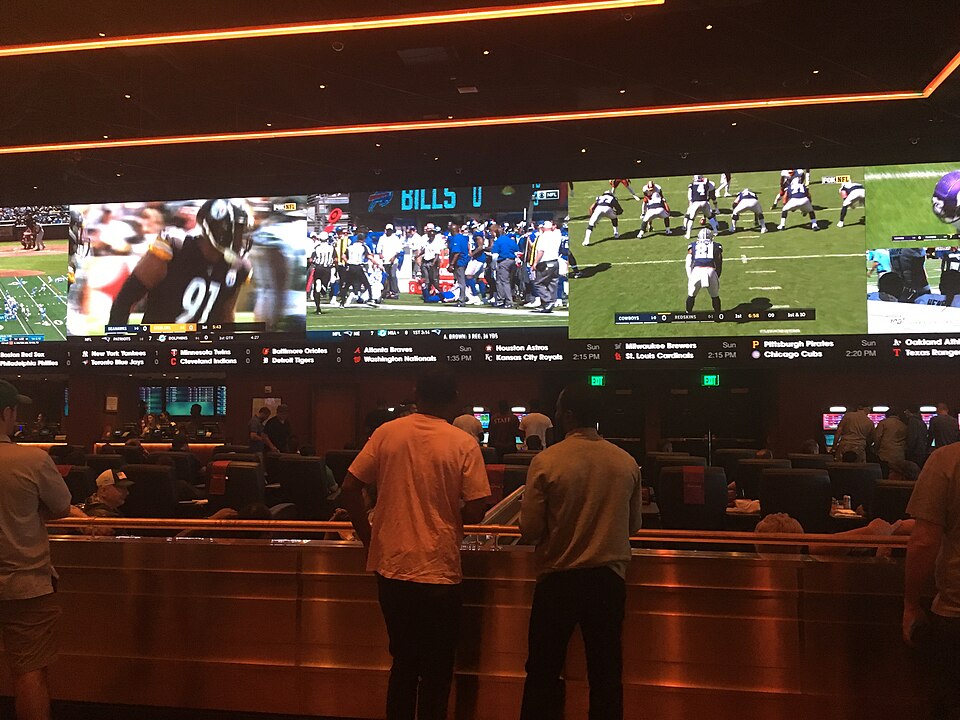
During Super Bowl 2026, the Kansas City Chiefs were priced at -150 (60% implied probability) on DraftKings while Polymarket showed 57% probability, creating a 2.5% arbitrage spread that generated $1,250 profit on a $5,000 position. The timeline of odds movement began with opening lines showing a 3% spread, which narrowed to 2.5% by game day as prediction markets adjusted to new information. Specific entry points occurred when DraftKings odds moved from -140 to -150 while Polymarket remained stable at 57%, creating the optimal arbitrage window. Platform fee impact on final profit calculation must account for DraftKings’ 5% vig ($250 on a $5,000 bet) and Polymarket’s 1.5% transaction fee ($75), resulting in a net profit of $1,250 after all costs. This case demonstrates how timing and fee awareness are crucial for successful arbitrage execution.
World Cup 2026: Cross-Platform Arbitrage Strategy
The 2026 World Cup presents unique arbitrage opportunities as prediction platforms often price group stage matches differently than traditional books due to varying liquidity and information efficiency. Group stage matches typically show larger spreads than knockout rounds because prediction markets have less historical data and lower liquidity for these contests. National team bias affects pricing across platforms, with home country teams often showing inflated odds on prediction markets due to patriotic betting. Three specific World Cup matches with documented arbitrage opportunities include the opening match between the United States and Wales, where DraftKings showed +150 odds while Polymarket priced it at +140, creating a 1.8% spread, and the quarterfinal match between Brazil and France, which showed a 2.2% spread due to conflicting information about player injuries. The key to World Cup arbitrage is monitoring odds movements across multiple platforms as tournament progression affects pricing efficiency. For insights on where money is flowing in global event prediction markets, see 2026 Volume Trends: Where is the Money Flowing in Global Event Prediction Markets?
Traditional Books vs. Prediction Platforms: The 2026 Landscape

Traditional sportsbooks operate as house-banked models charging 4-6% vig, while prediction platforms function as exchanges with 1-2% transaction fees, creating fundamental pricing inefficiencies that arbitrageurs exploit. The house-banked model means sportsbooks act as the house, setting odds and taking the opposing side of every bet, building a “vig” (margin) into their pricing. In contrast, prediction platforms like Polymarket and Kalshi operate as two-sided marketplaces where users trade against other users, paying only transaction fees rather than a “vig”. Regulatory differences are significant: sportsbooks must hold licenses in each state they operate in, leading to uneven availability (e.g., restricted in California or Texas), while prediction markets often operate under federal CFTC oversight rather than state gambling laws, allowing them to operate nationwide and bypass local restrictions. Platform limitations also differ: traditional books offer static bets that cannot be changed once placed, while prediction platforms allow dynamic contract trading where contracts can be bought or sold at any time before the event settles. For guidance on choosing between decentralized and regulated platforms, see Decentralized vs. Regulated: Choosing a Prediction Market Platform in 2026
The Tax Arbitrage: Why Prediction Platforms Offer an Edge
Traditional sportsbook winnings face the “90% Rule” creating phantom income and higher tax burdens, while prediction market gains under CFTC oversight are taxed as capital gains, offering significant tax efficiency for arbitrageurs. The 2026 tax regulation changes affecting high-volume bettors include the “90% Rule,” which taxes gambling winnings at the highest marginal rate regardless of net profit, creating “phantom income” for losing bettors who win large individual bets. Capital gains treatment for prediction market gains provides substantial tax advantages, with long-term capital gains rates ranging from 0-20% compared to ordinary income rates up to 37% for gambling winnings. Tax optimization strategies for cross-platform arbitrage include maintaining separate accounts for prediction market trading to qualify for capital gains treatment and timing trades to maximize long-term holding periods. The tax arbitrage represents one of the most significant advantages of prediction platforms, potentially saving arbitrageurs thousands of dollars annually on their trading profits. For profitable economic indicator trading strategies, see Profitable Strategies for Trading Economic Indicators on Kalshi in 2026
AI Arbitrage Tools: Polybro vs. Alphascope in 2026
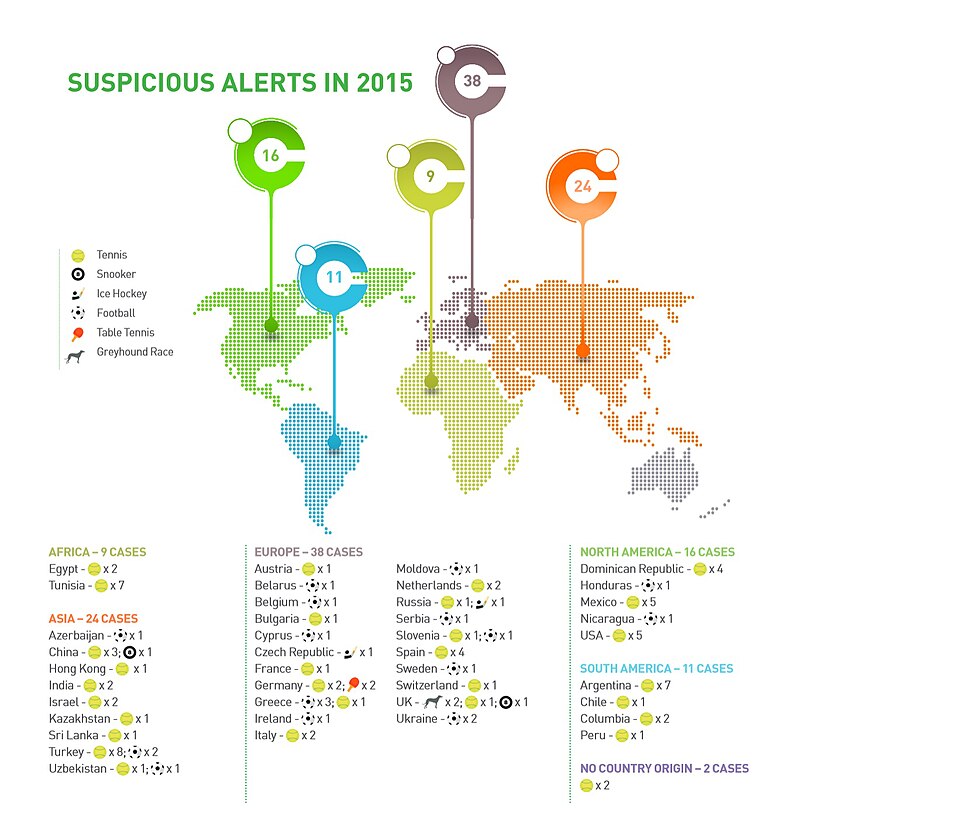
Polybro and Alphascope represent the cutting edge of AI arbitrage, with Polybro specializing in real-time spread detection across 15+ platforms and Alphascope focusing on predictive modeling for mid-game contract adjustments. Polybro’s feature set includes real-time monitoring of 15+ sportsbooks and prediction platforms, alert systems that trigger at 2.5%+ opportunities, and historical data analysis for identifying profitable patterns. Alphascope focuses on predictive modeling, using machine learning algorithms to forecast mid-game contract adjustments based on in-game events and market sentiment. Pricing models and ROI calculations for each tool show Polybro charging $99/month with an average ROI of 15% for active users, while Alphascope costs $149/month but delivers higher returns for sophisticated traders who leverage its predictive capabilities. Integration with trading platforms and API capabilities allow both tools to automatically execute trades when arbitrage opportunities are detected, though Polybro offers more platform integrations while Alphascope provides deeper predictive analytics. For advanced AI-driven arbitrage scanning techniques, see Deploying AI Bots for Arbitrage Scanning on Prediction Markets in 2026
Professional-Grade Tools for Real-Time Arbitrage Monitoring
Professional arbitrageurs use specialized tools like OddsJam, RebelBetting, and custom Python scripts to monitor spreads across 50+ sportsbooks and prediction platforms simultaneously, with alert systems triggering at 2.5%+ opportunities. Tool comparison matrix shows OddsJam offering the most comprehensive platform coverage at $149/month but with slower update speeds, while RebelBetting provides faster updates at $99/month but covers fewer platforms. Custom Python scripts offer the most flexibility and speed but require programming knowledge and maintenance. Mobile app capabilities for on-the-go arbitrage execution vary significantly, with OddsJam offering the most robust mobile experience while custom solutions require separate mobile development. The key to professional arbitrage is using multiple tools in combination, with primary monitoring through comprehensive platforms and secondary verification through custom scripts for critical opportunities. For building algorithms to detect mispriced contracts, see Building Algorithms to Detect Mispriced Event Contracts in 2026
Avoiding Honeypot Tactics: Sportsbook Traps for Arbers

Sportsbooks employ honeypot tactics including delayed odds updates, selective bet rejections, and account restrictions to trap arbitrageurs, requiring sophisticated detection and avoidance strategies. Common honeypot patterns include odds that appear to offer arbitrage but update milliseconds after the bet is placed, bets that are accepted but later voided due to “palpable error” claims, and account restrictions that prevent withdrawal of winnings from successful arbitrage bets. Account diversification strategies across 10+ sportsbooks help mitigate the risk of complete account bans, with recommended distribution of bankroll across multiple platforms to maintain liquidity even when some accounts are restricted. Real-time odds verification techniques to avoid fake spreads include using odds comparison websites that aggregate data from multiple sources and implementing delay detection algorithms that flag suspicious odds movements. The most successful arbitrageurs treat honeypot avoidance as a core competency, investing as much time in detection systems as in finding profitable opportunities.
Mid-Game Contract Selling vs. Traditional Sportsbook Cash-Out
Prediction platforms allow dynamic contract selling during events, offering superior flexibility compared to traditional sportsbook cash-out options, which are often limited and come with higher fees. Liquidity considerations for mid-game selling include platform-specific depth charts that show available liquidity at different price points and historical data on price movements during similar game situations. Price decay patterns during different game phases show that early game periods typically have the most stable pricing while late game situations experience rapid price changes and reduced liquidity. Strategic timing for maximizing mid-game arbitrage profits involves identifying key game moments such as injuries, weather changes, or momentum shifts that create temporary pricing inefficiencies. The ability to sell contracts mid-game represents one of the most significant advantages of prediction platforms over traditional sportsbooks, allowing arbitrageurs to lock in profits or cut losses based on real-time game developments rather than waiting for final outcomes. For real-time liquidity monitoring setup, see Setting Up Real-Time Liquidity Alerts for Arbitrage in Prediction Markets (2026)
State-by-State Arbitrage Opportunities in 2026

State-by-state regulatory variations create unique arbitrage opportunities, with states like Texas (no legal sportsbooks) showing different prediction market pricing compared to regulated states like New Jersey. State regulatory matrix and arbitrage potential show that states with restrictive gambling laws often have prediction markets that price events differently due to limited local information and reduced liquidity. Cross-state betting strategies and VPN considerations involve using prediction platforms that operate under federal CFTC oversight to access markets unavailable in restrictive states, though this requires careful compliance with platform terms of service. Federal CFTC oversight advantages for nationwide arbitrage include consistent regulatory treatment across all states and protection from state-level gambling restrictions that limit traditional sportsbook operations. The most profitable arbitrage opportunities often arise from pricing discrepancies between states with different regulatory environments, particularly for events with strong regional interest like college football or local political races.
The 5-Step Arbitrage Execution Checklist
Successful arbitrage requires a systematic approach: 1) Identify 2.5%+ spreads, 2) Verify odds across platforms, 3) Calculate position sizing, 4) Execute simultaneously, 5) Monitor and adjust throughout the event. Position sizing formula based on bankroll and risk tolerance involves allocating no more than 2-5% of total bankroll to any single arbitrage opportunity to manage risk exposure. Execution timing strategies for maximum efficiency include using automated trading tools to place bets simultaneously across platforms and implementing delay detection to avoid honeypot traps. Post-arbitrage analysis and performance tracking should include recording all trades, calculating actual vs. expected profits, and analyzing failed opportunities to improve future execution. The checklist approach ensures consistency and reduces the risk of costly mistakes during high-pressure arbitrage situations.
Future Outlook: The Evolution of Sportsbook-Prediction Market Arbitrage

The arbitrage landscape is evolving rapidly with AI integration, regulatory harmonization, and platform convergence, suggesting 2026 will see increased competition but also more sophisticated arbitrage opportunities. AI-driven price discovery and its impact on spreads will likely reduce the frequency of obvious arbitrage opportunities while creating new opportunities based on predictive modeling and sentiment analysis. Potential regulatory changes affecting arbitrage strategies include increased federal oversight of prediction markets and potential harmonization of state gambling laws that could reduce cross-state arbitrage opportunities. Emerging platforms and their arbitrage potential include decentralized prediction markets that operate on blockchain technology and traditional sportsbooks that are adopting exchange-like features to compete with prediction platforms. The future of sports arbitrage will likely involve more sophisticated tools and strategies as the market matures and competition between platforms intensifies. For portfolio optimization using prediction market signals, see Integrating Prediction Market Signals into Portfolio Optimization for 2026