

Between April 2024 and April 2025, traders generated an estimated $40 million in profits specifically from cross-market arbitrage on prediction platforms. This explosive growth stems from a fundamental shift: prediction markets like Kalshi and Polymarket now operate in all 50 U.S. states under CFTC oversight as event contracts, bypassing traditional gambling restrictions while offering lower fees and better liquidity than conventional sportsbooks.
Quick Comparison Overview
| Feature | Sportsbooks | Prediction Markets |
|---|---|---|
| Legal Status | State-by-state gambling licenses | CFTC-regulated event contracts (all 50 states) |
| Typical Vig | 5-10% house edge | 0-2% peer-to-peer fees |
| Liquidity | High for major events | Growing rapidly, 90% sports volume |
| Mid-game Trading | Cash-out only | Full contract selling |
| Arbitrage Risk | Honeypot tactics, account bans | Lower detection risk |
How to Identify 2.5%–3% Spreads Between Sportsbooks and Prediction Markets
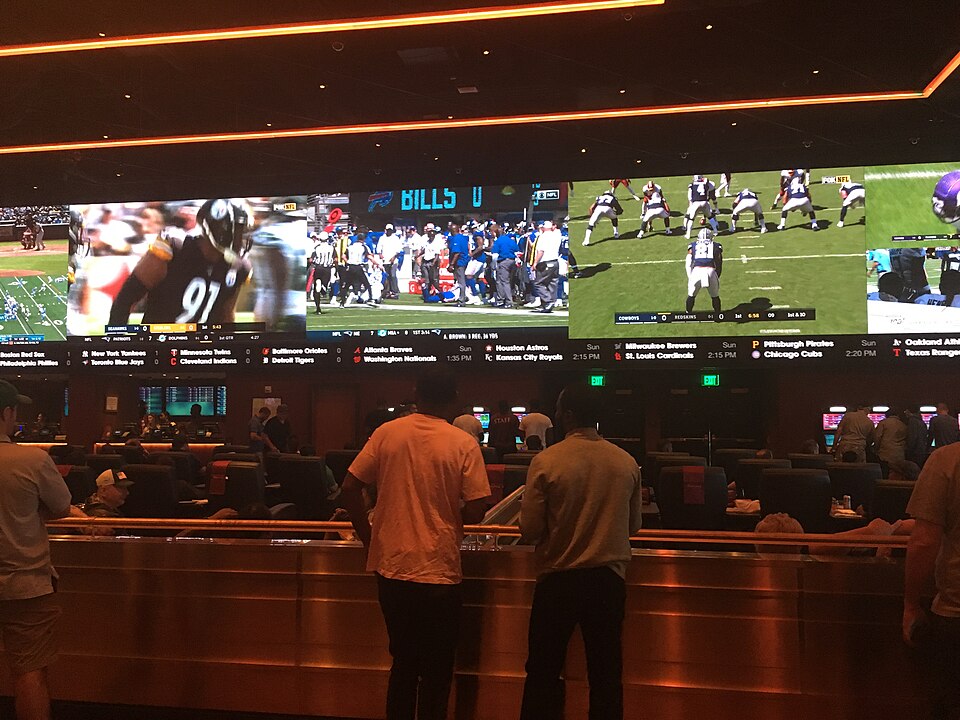
Identify arbitrage opportunities by targeting 2.5%–3% spreads between sportsbooks and prediction markets, where sportsbooks typically lag behind real-time probability shifts due to slower line adjustments. This spread targeting represents the sweet spot where transaction costs are covered while maintaining profitable margins.
The key lies in understanding why these spreads exist. Sportsbooks operate with built-in house edges of 5-10% through their vig, while prediction markets function as peer-to-peer platforms with minimal fees. When a sportsbook’s line moves from 55% to 58% odds on an NFL game, the corresponding prediction market might already reflect 60-62% probability due to faster information processing and collective trader wisdom.
Real-time monitoring reveals these discrepancies most clearly during major events. During Super Bowl LVIII, price gaps between major sportsbooks and prediction platforms reached their widest margins, creating opportunities that savvy traders exploited for substantial profits. The automated systems that dominate this space typically aim for 2.5-3% spreads to offset transaction fees while maximizing net gains.
Key Indicators for Spread Detection
Successful arbitrage traders monitor several indicators simultaneously. Line movement speed serves as a primary signal—when a sportsbook line shifts rapidly without corresponding news catalysts, it often indicates delayed reaction to market information already priced into prediction markets. Volume spikes in prediction markets frequently precede similar movements in sportsbook lines by 15-30 minutes.
Platform-specific factors also matter. ForecastEx, part of Interactive Brokers, brings professional-grade infrastructure to prediction markets, increasing liquidity and reducing spreads for retail traders. However, smaller, less-liquid events on prediction markets frequently show mispriced probabilities, offering the best higher-yield arbitrage opportunities for those willing to accept additional risk.
State-by-State Legal Variations That Create Arbitrage Opportunities

Leverage state-by-state legal variations where prediction markets operate under CFTC oversight as event contracts in all 50 states, while sportsbooks face state-by-state gambling restrictions that create pricing inefficiencies. This regulatory patchwork forms the foundation of geographic arbitrage strategies.
The fundamental difference lies in classification. Prediction markets function as financial derivatives regulated by the Commodity Futures Trading Commission, making them legal nationwide. Sportsbooks, conversely, require individual state gambling licenses, creating a fragmented market where pricing and availability vary dramatically by jurisdiction.
Which States Offer Full Prediction Market Access vs. Financial-Only Options
Target states with full prediction market access like New Jersey and Colorado, where traders can bet on both financial and sports outcomes, while states like Texas only permit financial contracts, creating arbitrage opportunities. This distinction becomes particularly valuable during major sporting events when prediction markets in permissive states reflect more accurate probabilities.
New Jersey exemplifies the advantage—traders there access full prediction market functionality alongside traditional sports betting, allowing them to arbitrage between platforms seamlessly. Colorado offers similar benefits, with prediction markets operating under the same regulatory framework as financial contracts, providing institutional-grade liquidity (Formula 1 championship prediction liquidity).
States with financial-only restrictions create unique opportunities. When Texas traders can only access prediction markets for economic indicators but not sports, they often redirect capital to sports-related financial contracts, creating temporary pricing inefficiencies that arbitrageurs can exploit before equilibrium returns.
Professional-Grade Tools for Real-Time Arbitrage Monitoring

Use professional-grade tools like ForecastEx and Interactive Brokers platforms that offer real-time data feeds and automated alerts for detecting 2.5%–3% spreads between sportsbooks and prediction markets. These platforms bring institutional infrastructure to retail traders, democratizing access to sophisticated arbitrage capabilities, including advanced cross-platform arbitrage strategies.
The evolution of prediction market infrastructure in 2026 marks a turning point. ForecastEx, integrated with Interactive Brokers’ IBKR platform, provides high-volume, professional-grade trading capabilities previously unavailable to retail arbitrageurs. This infrastructure includes millisecond-level data feeds, historical probability tracking, and automated execution systems that can identify and act on opportunities faster than human traders.
Setting Up Automated Alerts for Price Discrepancies
Configure automated alert systems to notify when price discrepancies between sportsbooks and prediction markets reach your 2.5%–3% target threshold, ensuring you never miss fleeting arbitrage opportunities. These systems monitor multiple data feeds simultaneously, comparing odds across platforms in real-time (Jobless claims threshold markets analysis).
Effective alert configuration requires careful threshold setting. Too sensitive, and you’ll receive excessive notifications for minor fluctuations; too conservative, and you’ll miss profitable opportunities. Most successful arbitrageurs set their systems to trigger alerts when spreads exceed 2.5% for major events and 3-4% for smaller markets where liquidity concerns justify higher thresholds.
Integration capabilities matter significantly. The best alert systems connect directly to trading accounts, allowing for one-click execution when opportunities arise. Some platforms offer API access for custom bot development, enabling sophisticated strategies that combine multiple indicators beyond simple spread detection.
Avoiding Honeypot Tactics Used by Sportsbooks to Trap Arbers

Detect honeypot tactics by identifying sportsbooks offering suspiciously high odds on popular outcomes, as these inflated lines often serve as traps to catch arbitrage traders who don’t verify market consistency. Sportsbooks actively monitor for arbitrage activity and employ various countermeasures to protect their margins.
The honeypot strategy represents one of the most sophisticated defenses against arbitrage. Sportsbooks intentionally post inflated odds on certain outcomes, knowing that arbitrage traders will flock to these seemingly profitable opportunities. However, these lines often come with hidden restrictions—delayed payouts, account limitations, or outright cancellations that leave arbitrageurs holding losing positions on their hedge bets.
Red Flags That Signal Sportsbook Traps
Watch for red flags like odds that deviate more than 5% from consensus across multiple sportsbooks, sudden line movements without news catalysts, or odds that seem too good to be true on high-profile events. These indicators suggest potential honeypot tactics designed to attract arbitrage activity.
Consensus deviation serves as a primary warning signal. When one sportsbook offers odds significantly different from the market consensus—say, 65% probability when others show 55-57%—it warrants investigation. Cross-reference with prediction markets immediately; if the prediction market reflects probabilities closer to the consensus, the outlier sportsbook likely employs honeypot tactics.
Timing analysis provides additional protection. Sudden line movements that occur without corresponding news events or market catalysts often indicate artificial manipulation. Legitimate line movements typically follow identifiable triggers like injuries, weather changes, or breaking news. Unexplained rapid shifts suggest potential traps.
Mid-Game Contract Selling vs. Traditional Sportsbook Cash-Out

Leverage prediction markets’ mid-game contract selling capabilities that allow you to sell positions as probabilities change, providing more liquidity and flexibility to hedge than typical rigid cash-out options on sportsbooks. This fundamental difference creates significant arbitrage opportunities.
The liquidity advantage becomes clear during live events. Prediction markets allow traders to sell contracts at any point during the game, with prices continuously adjusting to reflect real-time probabilities. Sportsbooks, conversely, offer only cash-out options that typically provide worse terms than the current market value, especially during volatile moments (ISM manufacturing index prediction guide).
Consider a scenario where a team goes up by 14 points in the second quarter. A prediction market contract might adjust from 50% to 75% probability, allowing traders to sell at a substantial profit. The corresponding sportsbook might offer cash-out at only 65%, creating an immediate arbitrage opportunity for those who can move between platforms quickly.
Which One to Choose: Sportsbooks vs. Prediction Markets for Different Arbitrage Strategies
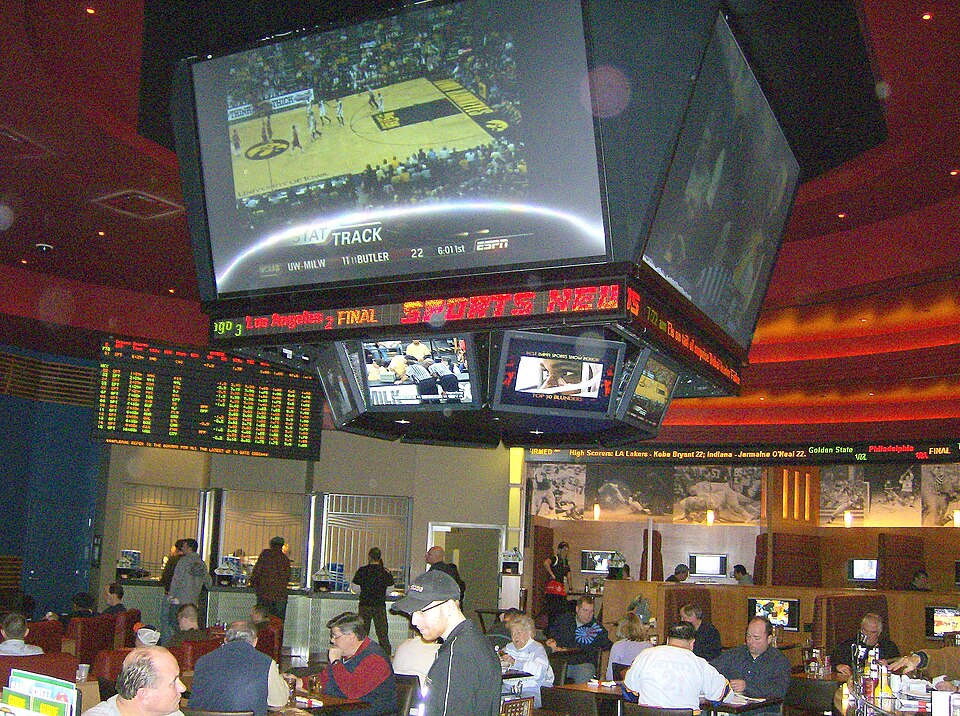
Choose prediction markets for high-frequency arbitrage and flexible hedging, while traditional sportsbooks work better for straightforward position betting with limited need for mid-game adjustments. The optimal platform depends on your specific arbitrage strategy and risk tolerance.
Prediction markets excel in scenarios requiring dynamic position management. Their peer-to-peer structure eliminates house vig, while their continuous trading allows for sophisticated hedging strategies. Traders can adjust positions multiple times during an event, locking in profits or minimizing losses as circumstances change.
Sportsbooks remain valuable for specific arbitrage approaches. When betting on clear favorites with minimal mid-game volatility, sportsbooks often provide better terms due to their larger user bases and higher liquidity for major events. The key is matching the platform to your strategy rather than assuming one is universally superior.
Best Use Cases for Each Platform
Prediction markets shine for complex arbitrage strategies involving multiple legs or dynamic hedging. Their lower fees and flexible trading make them ideal for sophisticated approaches that require frequent position adjustments, such as Premier League winner prediction strategies. Sportsbooks work better for simple arbitrage between two fixed odds or when betting on events with limited in-game volatility.
Consider the Super Bowl example. Prediction markets allow traders to adjust positions after each quarter based on performance, while sportsbooks offer only pre-game bets or limited cash-out options. For traders seeking maximum flexibility, prediction markets provide superior tools for capturing value throughout the entire event, much like trading Grammy Awards outcomes requires dynamic position management.
Risk tolerance also influences platform selection. Prediction markets generally offer better risk management tools but require more active monitoring. Sportsbooks provide simpler interfaces but less flexibility when circumstances change unexpectedly during events.
Essential Tools and Resources for 2026 Arbitrage Success
Combine professional-grade platforms with specialized arbitrage software to maximize your edge in 2026’s competitive prediction market landscape. The right tool combination can mean the difference between capturing fleeting opportunities and watching them disappear.
Professional platforms like ForecastEx and Interactive Brokers provide the infrastructure foundation, but specialized arbitrage software adds crucial capabilities. These tools monitor multiple markets simultaneously, calculate optimal bet sizes considering fees and liquidity constraints, and execute trades automatically when opportunities arise. For those seeking deeper analysis, essential tools for liquidity analysis on Kalshi prediction markets can provide additional insights.
Educational resources remain essential for staying competitive. The prediction market landscape evolves rapidly, with new platforms, regulatory changes, and trading strategies emerging constantly. Successful arbitrageurs dedicate time to continuous learning, studying both successful trades and costly mistakes to refine their approaches.
Setting Up Your Arbitrage Operation
Establish accounts across multiple platforms before opportunities arise, ensuring you can act quickly when spreads appear. Maintain sufficient capital in each account to execute your intended strategies, considering both minimum bet requirements and optimal position sizing for your risk tolerance.
Develop a systematic approach to opportunity identification and execution. Create checklists for verifying potential arbitrages, including consensus checks, liquidity assessments, and risk evaluation. Document your trades meticulously, analyzing both successes and failures to improve your strategy continuously.
Risk management protocols prove essential for long-term success. Set strict limits on position sizes relative to your total capital, establish clear exit criteria for both winning and losing trades, and never risk more than you can afford to lose on any single arbitrage opportunity.
Future Outlook: The Evolution of Sportsbook-Prediction Market Arbitrage
As institutional capital enters the space in 2026, spread compression is expected to force arbitrageurs to adopt even more sophisticated, faster bots to remain profitable. The prediction market landscape continues evolving rapidly, with new opportunities emerging even as traditional arbitrage gaps narrow.
The influx of institutional money, including investments exceeding $2 billion in 2026, signals prediction markets’ maturation as a legitimate trading venue. This professionalization brings both opportunities and challenges for arbitrageurs. While increased liquidity reduces some pricing inefficiencies, it also attracts sophisticated competitors with advanced technological capabilities.
Looking ahead, successful arbitrageurs will need to combine traditional spread detection with more nuanced strategies. Machine learning algorithms that identify complex patterns across multiple markets, sentiment analysis of social media and news sources, and predictive models that anticipate line movements before they occur will separate winners from losers in this increasingly competitive space.