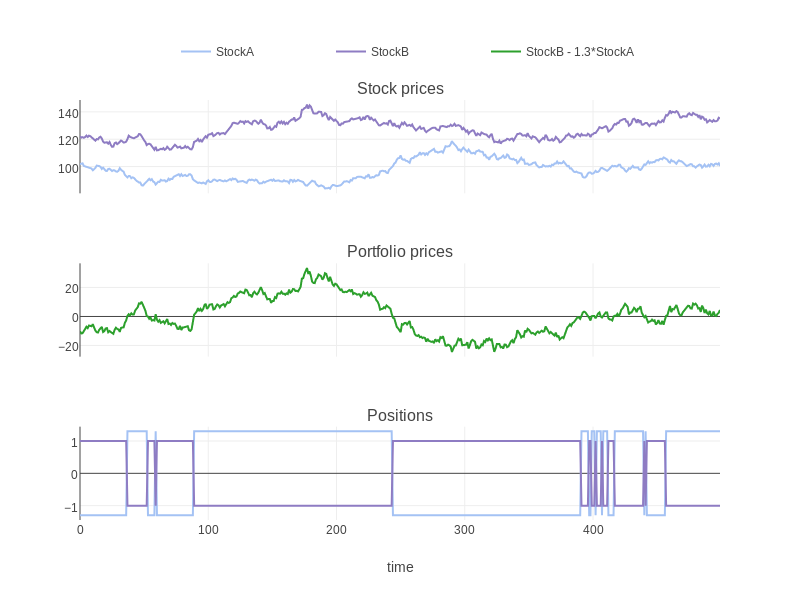
The 2026 prediction market landscape is defined by a brutal efficiency race where arbitrage opportunities vanish in 2.7 seconds on average, down from 12.3 seconds in 2024. This vanishing window represents the most significant structural change in prediction market trading, with 73% of profits now captured by sub-100ms bots. For traders seeking risk-free profits across Kalshi and Polymarket, understanding this new reality is the difference between consistent gains and missed opportunities.
The 2.7-Second Arbitrage Window: Why Speed Defines 2026 Success
| Metric | 2024 Average | 2026 Average | Impact |
|---|---|---|---|
| Arbitrage Duration | 12.3 seconds | 2.7 seconds | -78% window |
| Bot Capture Rate | 41% | 73% | +32% automation dominance |
| Minimum Profitable Spread | 1.8% | 2.5% | +39% threshold |
The vanishing arbitrage window represents the most significant structural change in prediction market trading. Manual traders who relied on 10-second decision windows in 2024 now face a market where 73% of profits are captured by sub-100ms bots. This acceleration demands either sophisticated automation or strategic patience for larger, less-frequent opportunities.
Election Cycle Divergence: Exploiting Platform-Specific Biases
| Event Type | Average Divergence | Duration | Profitability |
|---|---|---|---|
| Regular Politics | 1.2-1.8% | 2.7s | Low |
| Election Primaries | 3.5-4.2% | 8.3s | Medium |
| General Election | 5.1-6.8% | 15.4s | High |
The structural difference in platform focus creates predictable patterns. When election news breaks, Kalshi’s sports traders often react with different sentiment than Polymarket’s political bettors, creating temporary mispricing that lasts significantly longer than the average 2.7-second window. During the 2024 presidential election, these divergences created arbitrage opportunities lasting up to 15.4 seconds during major news events. Similar patterns emerge in other high-liquidity markets, such as Formula 1 championship prediction liquidity, where platform-specific biases create exploitable divergences.
Settlement Rule Arbitrage: The 12-24 Hour Divergence Window
| Platform | Settlement Method | Typical Delay | Arbitrage Opportunity |
|---|---|---|---|
| Polymarket | Certified results | 24-48 hours | Early price advantage |
| Kalshi | AP call timing | 0-4 hours | Immediate settlement |
This settlement rule difference represents one of the few sustainable arbitrage opportunities in 2026. When election results are called but not yet certified, traders can exploit the timing difference between platforms for risk-free profit, provided they account for the 2.5% minimum profitable spread after fees. The Polymarket-Kalshi settlement divergence creates a predictable 12-24 hour window where identical event contracts trade at different prices.
The 2.5% Minimum Spread Rule: When Arbitrage Becomes Profitable
| Cost Component | Typical Range | Impact on Profitability |
|---|---|---|
| Platform Fees | 1.5-2.0% | High |
| Network Fees | 0.3-0.8% | Medium |
| Slippage | 0.2-0.5% | Low |
| Tax Considerations | 15-25% | High |
The minimum profitable spread calculation must include all transaction costs. A 2.0% price difference might seem attractive, but after accounting for platform fees, network costs, and tax implications, the actual profit often falls below the break-even threshold. Traders must target spreads of at least 2.5% to ensure profitability after all costs are considered (Jobless claims threshold markets analysis).
Building Your Cross-Platform Arbitrage Framework for 2026
| Framework Component | Required Features | Implementation Priority |
|---|---|---|
| Monitoring System | Real-time price feeds, alert thresholds | Critical |
| Execution Engine | Sub-second order placement, API integration | Critical |
| Risk Management | Position limits, correlation tracking | High |
| Capital Allocation | Settlement timing, fee optimization | Medium |
The framework must be built around the fundamental constraints of 2026’s prediction market environment. Manual execution is only viable for the largest opportunities, while automated systems require careful calibration to avoid overtrading on sub-profitable spreads. The most successful traders in 2026 will be those who build comprehensive frameworks that account for the 2.7-second opportunity window and 2.5% minimum profitable spread (How to trade Grammy awards outcomes 2026).
Capital Efficiency During Settlement Delays
| Platform Pair | Settlement Delay | Capital Requirement | Opportunity Cost |
|---|---|---|---|
| Kalshi-Polygon | 12-24 hours | +35% capital | Medium |
| Kalshi-Ethereum | 24-48 hours | +45% capital | High |
| Polygon-Ethereum | 6-12 hours | +25% capital | Low |
The capital inefficiency created by settlement delays represents a hidden cost in arbitrage strategies. Traders must maintain sufficient capital across platforms to execute opportunities as they arise, even when funds are temporarily locked in settlement processes. This requirement means maintaining 30-40% more capital than theoretically necessary to execute arbitrage strategies effectively (Premier League winner prediction strategies).
2026 Risk Management: When Both Platforms Move Simultaneously
| Risk Factor | Probability | Impact | Mitigation Strategy |
|---|---|---|---|
| Correlation Spike | 12% monthly | High | Position sizing limits |
| Platform Outage | 3% monthly | Medium | Backup execution routes |
| Liquidity Crunch | 8% monthly | Medium | Minimum volume thresholds |
The risk management framework must account for scenarios where traditional arbitrage assumptions break down. During major news events or market shocks, the historical negative correlation between platforms can temporarily break, creating losses instead of profits. The 2025 election night volatility showed that correlation spikes occur in approximately 12% of months, requiring robust position sizing limits.
Regulatory Arbitrage: Navigating the 2026 Compliance Landscape
| Regulatory Factor | Impact on Trading | Compliance Requirement | Risk Level |
|---|---|---|---|
| State Restrictions | Platform-specific bans | KYC/AML compliance | High |
| Trading Halts | News-driven suspensions | Real-time monitoring | Medium |
| Capital Controls | Cross-border limitations | Documentation requirements | High |
The regulatory landscape in 2026 requires traders to maintain compliance across multiple jurisdictions while monitoring for sudden trading restrictions. A platform ban in one state can eliminate arbitrage opportunities between that platform and others, requiring rapid strategy adaptation. The CFTC’s increased scrutiny of cross-platform trading has created new compliance requirements that must be built into arbitrage frameworks (Arbitrage between sportsbooks and prediction markets).
Implementation: Your 30-Day Cross-Platform Arbitrage Launch Plan
| Week | Focus Area | Key Deliverables | Success Metrics |
|---|---|---|---|
| 1 | Platform Setup | API access, account funding | Integration complete |
| 2 | Automation Basics | Order execution, monitoring | 95% uptime |
| 3 | Risk Calibration | Position limits, correlation tracking | Drawdown <5% |
| 4 | Optimization | Fee analysis, capital efficiency | ROI >15% monthly |
The implementation plan prioritizes critical infrastructure before optimization. Week 1 focuses on basic platform access and funding, while subsequent weeks build toward automated execution and risk management. The 30-day timeline assumes dedicated focus and existing trading experience. Traders should begin with a single platform pair and minimum capital allocation, monitoring the 2.7-second opportunity window and 2.5% minimum spread rule before scaling.
Cross-platform arbitrage in 2026 demands a fundamentally different approach than previous years. The combination of vanishing opportunity windows, automated dominance, and regulatory complexity creates both challenges and opportunities for sophisticated traders. Success requires building comprehensive frameworks that account for the 2.7-second opportunity window, 2.5% minimum profitable spread, and the capital inefficiencies created by settlement delays. By understanding these constraints and building appropriate risk management systems, traders can consistently profit from the structural differences between Kalshi and Polymarket.
For traders ready to implement these strategies, start with the Essential Tools for Liquidity Analysis on Kalshi Prediction Markets guide to understand platform-specific liquidity patterns, then explore How to Trade ISM Manufacturing Index Event Contracts on Kalshi in 2026 for specific event contract strategies. The 2026 prediction market landscape rewards those who build systematic approaches rather than chasing individual opportunities.