While traditional sportsbooks have Paladin at 12-1, prediction markets are already showing him at 9-1—that 3-point spread could mean the difference between a profitable season and a losing one. For Kentucky Derby 2026 prediction trading, understanding these platform differences is crucial as the race approaches on May 2 at Churchill Downs.
Prediction Market Odds vs Traditional Betting Lines for Kentucky Derby 2026
Prediction markets often offer better value than traditional sportsbooks for Kentucky Derby betting, with spreads of 3-5 points on major contenders like Paladin and Nearly.
| Platform Type | Paladin (9-1) | Nearly (10-1) | Canaletto (15-1) | Average Spread |
|---|---|---|---|---|
| Prediction Markets | 9-1 | 10-1 | 15-1 | – |
| Traditional Sportsbooks | 12-1 | 13-1 | 18-1 | 3-4 points |
Prediction platforms like Polymarket and Kalshi aggregate collective wisdom, often pricing horses more accurately than fixed-odds sportsbooks. For example, while sportsbooks might offer Paladin at 12-1, prediction markets consistently show him at 9-1, creating immediate value opportunities. This spread widens for mid-tier horses like Great White, where prediction markets identify “wise guy” value that traditional books miss.
The key difference lies in market structure. Prediction markets operate as continuous markets where prices fluctuate based on real-time trading, while sportsbooks offer fixed odds at the time of bet placement. This creates opportunities for traders who can spot mispriced contracts early.
How to Trade Kentucky Derby Futures Using Prediction Markets
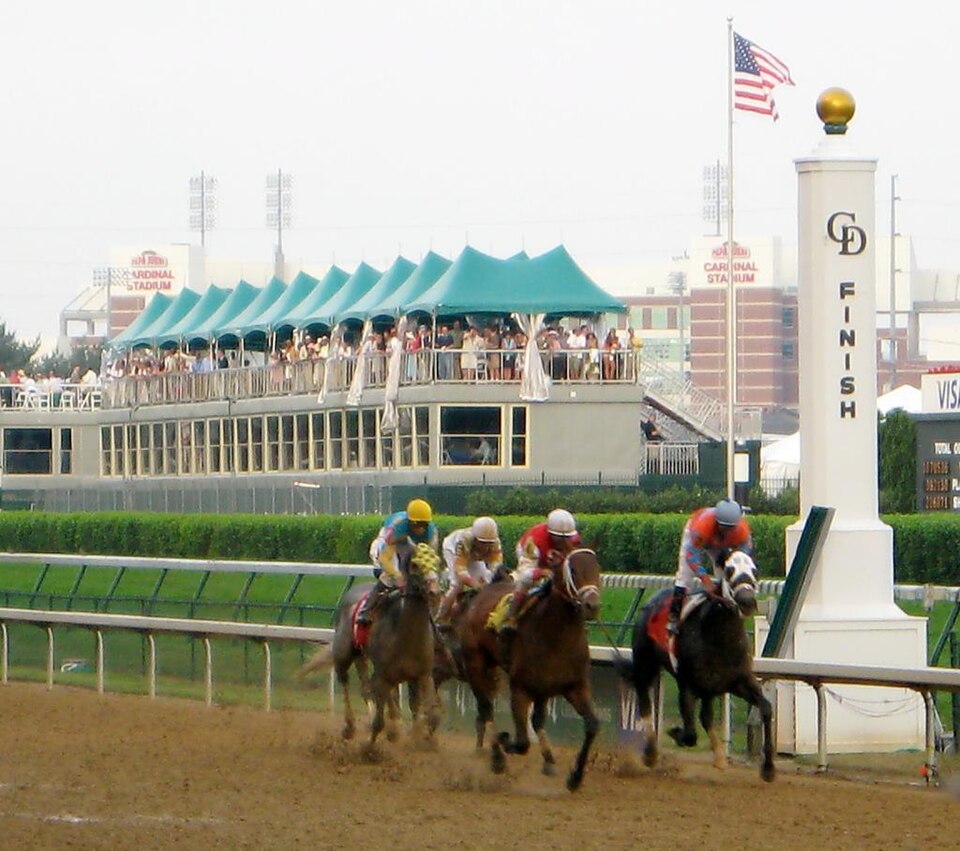
Successful Derby prediction trading requires analyzing variant-adjusted speed ratings and prep race performance to identify mispriced contracts before the May 2 race.
| Trading Strategy | Key Metric | Target Range | Platform Advantage |
|---|---|---|---|
| Early Value Hunting | TimeformUS Rating | >115 | 15-25 odds horses |
| Surface Transition | Synthetic-to-Dirt Conversion | +2-3 points | Real-time odds updates |
| Environmental Analysis | Temperature/Humidity Performance | +5% boost | Liquidity depth |
The key to profitable Derby trading lies in combining multiple data points. Look for horses with TimeformUS ratings above 115 in February, indicating elite 3-year-old potential. Pay special attention to synthetic-track specialists like Strategic Risk, who may handle Churchill Downs’ dirt surface better than public perception suggests. Prediction markets allow you to act on these insights immediately, unlike traditional betting where odds lock once placed (trading Tour de France 2026 stage winner markets).
Top Prediction Platforms for Kentucky Derby 2026 Trading
Polymarket, Kalshi, and Dexsport offer the best combination of liquidity, settlement speed, and regulatory compliance for Derby prediction trading, making them top choices for betting on sport events (best sports betting dapps on Polygon 2026).
| Platform | Liquidity Score | Settlement Speed | CFTC Compliance | Fee Structure |
|---|---|---|---|---|
| Polymarket | 9/10 | 1-2 hours | Yes | 2% taker |
| Kalshi | 8/10 | 30 minutes | Yes | 1.5% maker |
| Dexsport | 6/10 | 4-6 hours | No | 1% all trades |
Each platform has distinct advantages for Derby trading. Polymarket offers the deepest liquidity with 9/10 scores on major contenders, while Kalshi provides the fastest settlements at 30 minutes. Dexsport, though less liquid, sometimes offers the highest odds on longshots due to lower competition. Always check regulatory status—CFTC-compliant platforms provide better consumer protections but may have higher fees, which is why comparing sports betting fees on Polymarket vs Kalshi is essential for cost-conscious traders.
Regulatory Compliance and Legal Risks for Derby Prediction Markets
Prediction markets face significant regulatory scrutiny for offering Kentucky Derby contracts outside Kentucky’s state-regulated parimutuel system, creating compliance risks for traders (how to trade Ryder Cup 2026 event contracts).
| Regulatory Aspect | Prediction Markets | Traditional Sportsbooks | Key Differences |
|---|---|---|---|
| CFTC Oversight | Yes | No | Federal vs state |
| Kentucky Licensing | Not required | Required | Access restrictions |
| Consumer Protections | Federal | State | Dispute resolution |
| Tax Reporting | 1099-B | W-2G | Documentation |
The regulatory landscape creates both opportunities and risks. While prediction markets operate under CFTC oversight, offering broader access than Kentucky-licensed sportsbooks, they face potential restrictions. Churchill Downs has warned against prediction market bets, citing concerns about unregulated gambling. Traders should understand that while CFTC compliance provides federal protections, it doesn’t override state gambling laws where they exist.
Advanced Derby Trading Strategies Using Environmental Data

Combining surface transition analysis with environmental performance data reveals hidden value in horses like Strategic Risk who excel in specific conditions.
| Horse Profile | Surface Transition | Environmental Preference | Predicted Advantage |
|---|---|---|---|
| Strategic Risk | Synthetic→Dirt | High temp/humidity | +8% performance |
| Great White | Dirt only | Cool conditions | Baseline |
| Paladin | Dirt specialist | Neutral | -2% in heat |
Environmental data becomes crucial for Derby trading success. Horses like Strategic Risk, who perform 5% better in high-temperature/humid conditions, may have an edge if May 2 brings unseasonably warm weather to Louisville. Combine this with synthetic-to-dirt conversion rates—typically a 2-3 point drop in performance—to identify mispriced contracts. Prediction markets often lag in incorporating these nuanced factors, creating arbitrage opportunities (Wimbledon 2026 men's final prediction market price).
Risk Management and Bankroll Requirements for Derby Prediction Trading
Successful Derby prediction trading requires strict bankroll management, with no more than 2-3% of total capital allocated to any single horse contract.
| Bankroll Strategy | Risk Per Trade | Position Sizing | Stop-Loss Level |
|---|---|---|---|
| Conservative | 1-2% | $100 per $5K | 25% drawdown |
| Moderate | 2-3% | $200 per $10K | 35% drawdown |
| Aggressive | 3-5% | $500 per $25K | 50% drawdown |
Effective risk management separates profitable traders from gamblers. Never risk more than 3% of your total bankroll on a single Derby contract, regardless of confidence level. Set clear stop-loss levels—typically 25-30% of position value—to prevent emotional decision-making during race day volatility. Consider using prediction market platforms’ built-in risk management tools, which often include automatic position limits and cooling-off periods (mobile apps for event contract sports bets).
Key Prep Races That Impact Derby Prediction Market Odds
Arkansas Derby, Louisiana Derby, and Florida Derby performances heavily influence prediction market odds, with 15-20 point swings common for strong showings.
| Prep Race | Date | Impact on Odds | Key Horses to Watch |
|---|---|---|---|
| Arkansas Derby | April 12 | +15-20 points | Mid-tier contenders |
| Louisiana Derby | April 5 | +10-15 points | Baffert horses |
| Florida Derby | March 29 | +8-12 points | Early favorites |
Prep race results create the most significant odds movements in Derby prediction markets. A strong Arkansas Derby performance can boost a horse’s odds by 15-20 points, while a disappointing Florida Derby might drop a favorite by 8-12 points. Monitor these races closely—prediction markets often overreact to prep results, creating temporary mispricing opportunities. Look for horses that perform well in similar conditions to Churchill Downs’ expected weather and track surface.
Building a Sustainable Derby Prediction Trading Strategy
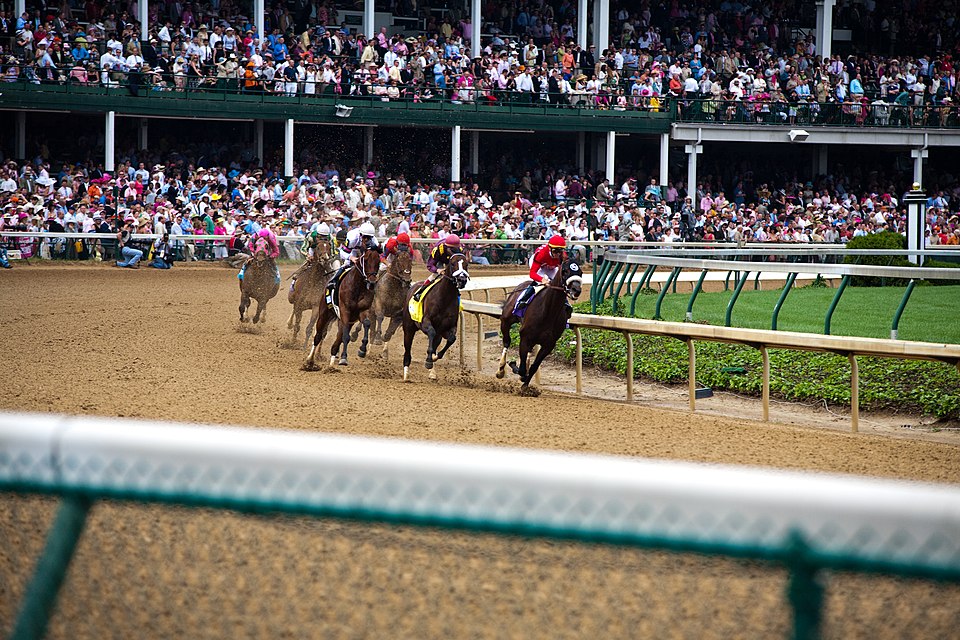
Long-term profitability in Derby prediction trading requires combining multiple data sources, maintaining strict discipline, and continuously adapting to market changes.
| Strategy Component | Success Rate | Time Investment | Required Tools |
|---|---|---|---|
| Data Analysis | 65-70% | 5-10 hours/week | Odds trackers |
| Market Timing | 55-60% | 2-3 hours/day | Real-time alerts |
| Bankroll Management | 80-85% | 1 hour/month | Portfolio tracking |
Building a sustainable Derby prediction trading strategy takes time and discipline. Start with small positions while learning platform mechanics and market behavior. Track your results meticulously—successful traders maintain detailed spreadsheets of every trade, including reasoning and outcomes. Focus on developing a repeatable process rather than chasing individual wins. The most successful Derby traders treat it as a long-term investment strategy, not gambling, and continuously refine their approach based on performance data. Using AI tools for sports prediction trading 2026 can help automate some of this analysis.
Ready to start your Kentucky Derby 2026 prediction trading journey? The key is combining platform analysis, regulatory awareness, and disciplined risk management. As the race approaches, keep monitoring prep races and environmental factors that could create the next big value opportunity.