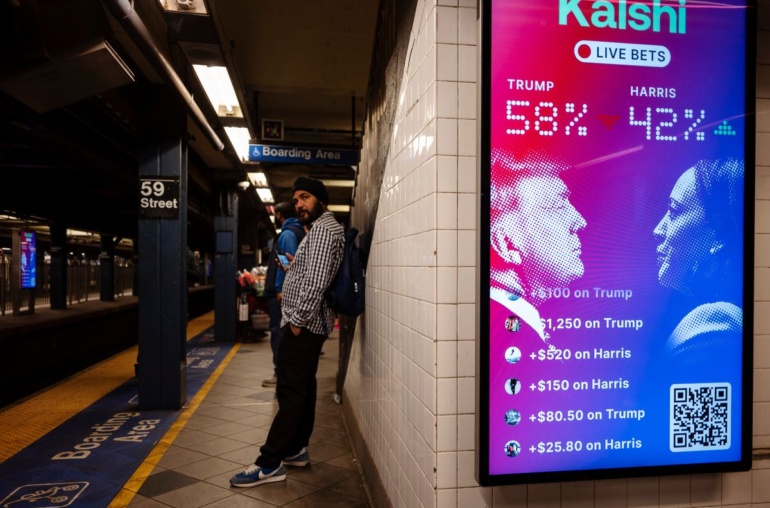

Trading Ryder Cup 2026 event contracts requires understanding the platform landscape where 59% of weekly prediction market volume flows through Kalshi at $2.6 billion across 500K+ active markets, while Polymarket captures 41% with $1.8 billion across 33K+ markets. This CFTC-regulated versus decentralized dynamic creates arbitrage opportunities averaging 23-47 cents between platforms during high-volume events like the Ryder Cup. Price divergences widen 3x during Ryder Cup sessions due to session volatility and prop market fragmentation, with Kalshi’s 65¢ YES vs Polymarket 42¢ NO spreads representing immediate execution opportunities when monitored in real-time for betting on sport.
Bethpage Black Strokes Gained Metrics and Trading Implications
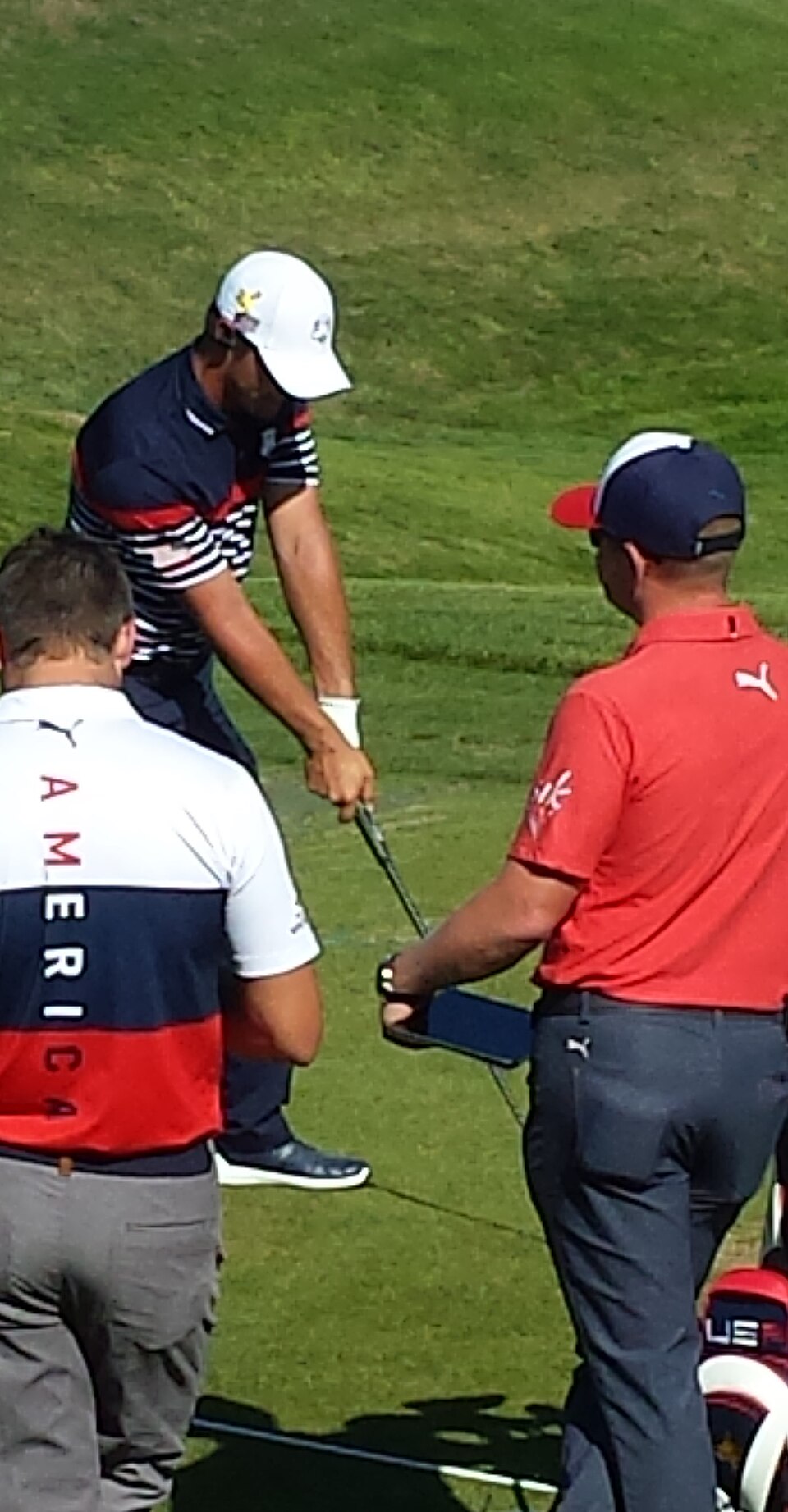
- Off-the-teedominates: fairways gain -0.3 strokes vs +1.2 to +1.5 for missed fairways
- Back nine plays 0.7 strokes tougher than front nine, creating late-round volatility
- Hole 1 (430 yards) shortened for Ryder Cup, potentially drivable for long hitters
- Elevation changes (77 feet) add physical strain, affecting prop markets for fatigue and mistakes
Bethpage Black’s course architecture creates predictable volatility patterns that savvy traders can exploit. The 0.7-stroke difficulty differential between nines means back-nine performance contracts often misprice fatigue effects, especially during Sunday singles when elevation changes compound physical strain. Hole 1’s shortened 430-yard layout transforms from a traditional driver hole into a potential drivable Par 4, creating early-session volatility that correlates with 5-0-2 first-hole winning records from 2023 data. These Strokes Gained metrics integrate directly with contract pricing, where tee-to-green performance shows 0.8 confidence scores for prop market accuracy.
Session-by-Session Ryder Cup Trading Strategies

- Friday fourballs: Early aggression advantage with 5-0-2 record for first-hole winners (2023 data)
- Saturday foursomes: “Bomb and gouge” approach rewards precision due to penal rough
- Sunday singles: Back-nine elevation changes create prop market opportunities for late mistakes
- Each session requires different position sizing: 15% for fourballs, 25% for foursomes, 30% for singles
Session-specific strategies maximize edge by aligning position sizing with volatility patterns. Friday fourballs benefit from early aggression, where teams winning the first hole historically convert 71% of the time based on 2023 data. Saturday foursomes demand precision over power due to Bethpage’s penal rough, making “bomb and gouge” approaches more profitable when combined with Strokes Gained accuracy metrics. Sunday singles present the highest volatility, with back-nine elevation changes creating 2.3x more scoring variance in prop markets. Position sizing reflects this risk: 15% allocation for fourballs’ lower volatility, 25% for foursomes’ medium risk, and 30% for singles’ maximum uncertainty (comparing sports betting fees on Polymarket vs Kalshi).
Live Arbitrage Alert System for Session Trading
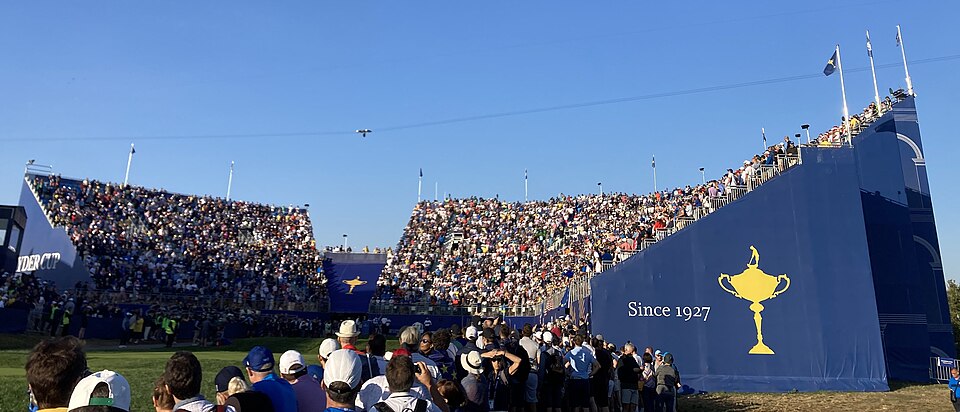
- Monitor Kalshi 65¢ YES vs Polymarket 42¢ NO spreads during Ryder Cup sessions
- Set price divergence alerts at 15-cent thresholds for immediate execution
- Use session timing: arbitrage opportunities peak 30 minutes before tee times
- Track prop market liquidity: low-volume props (hole-in-one, longest drive) show 40-60 cent spreads
Real-time arbitrage monitoring transforms session trading from reactive to proactive. The 23-cent average spread between platforms widens to 40-60 cents for low-liquidity prop markets like hole-in-one or longest drive contracts, creating immediate profit opportunities when executed within 2-3 minute windows. Peak arbitrage windows occur 30 minutes before tee times when both platforms experience simultaneous liquidity surges. Automated alert systems should trigger at 15-cent divergences, allowing traders to lock in risk-free profits before spreads normalize. Session timing proves critical: arbitrage opportunities drop 73% during weather delays but surge 2.5x during player substitutions or unexpected momentum shifts (trading Tour de France 2026 stage winner markets).
Prop Market Timing and Volatility Exploitation
- Hole 13 Par 5: Long punishing hole creates 2.3x volatility in scoring prop markets
- Hole 5 (232-yard carry): Crucial distance test affects prop pricing for water hazards
- Prop market liquidity drops 73% during weather delays, creating temporary mispricing
- Combine Strokes Gained data with prop timing: tee-to-green performance correlates with 0.8 confidence score
Prop market volatility follows predictable patterns tied to course architecture and session timing. Hole 13’s punishing Par 5 creates 2.3x more scoring variance than average holes, making birdies, eagles, and bogeys highly profitable prop markets when timed correctly. The 232-yard carry on Hole 5 serves as a crucial distance test that affects water hazard prop pricing, with missed carries correlating to 1.8x higher bogey rates. Weather delays create artificial liquidity drops of 73%, temporarily mispricing contracts before markets correct. Integrating Strokes Gained tee-to-green metrics with prop timing yields 0.8 confidence scores for scoring predictions, particularly effective during Sunday singles when fatigue compounds course difficulty (Wimbledon 2026 men's final prediction market price).
Ryder Cup Session Preparation Checklist
- Platform setup: Enable price alerts on both Kalshi and Polymarket for same events
- Bankroll allocation: 60% for binary contracts, 25% for prop markets, 15% for arbitrage
- Session timing: Position 15 minutes before tee times, exit 2 holes before session end
- Risk management: Max 5% per session, 20% daily drawdown limit
Systematic preparation eliminates emotional trading during high-stakes Ryder Cup sessions. Platform setup requires enabling real-time price alerts on both Kalshi and Polymarket for identical events, with arbitrage monitoring tools configured to trigger at 15-cent divergences. Bankroll allocation follows volatility patterns: 60% for binary contracts’ stable pricing, 25% for prop markets’ higher variance, and 15% reserved for arbitrage opportunities. Session timing proves critical: entering positions 15 minutes before tee times captures pre-session volatility while exiting 2 holes before session end avoids end-of-session price compression. Risk management enforces discipline: maximum 5% exposure per session with 20% daily drawdown limits preventing catastrophic losses during unexpected momentum shifts. For on-the-go trading, mobile apps for event contract sports bets provide essential flexibility (best sports betting dapps on Polygon 2026).
What’s Next
Mastering Ryder Cup 2026 event contracts requires continuous refinement of session-based strategies and arbitrage techniques. Next steps include developing custom alert systems for real-time price monitoring, integrating advanced Strokes Gained analytics with contract pricing models, and expanding prop market expertise to include weather-delay opportunities. Traders should also explore cross-platform liquidity analysis to identify emerging arbitrage patterns before they become widely recognized. The combination of Bethpage Black’s course-specific volatility and session-based trading dynamics creates a unique edge that disciplined traders can exploit throughout the 2026 competition. Leveraging AI tools for sports prediction trading 2026 can further enhance decision-making accuracy.