
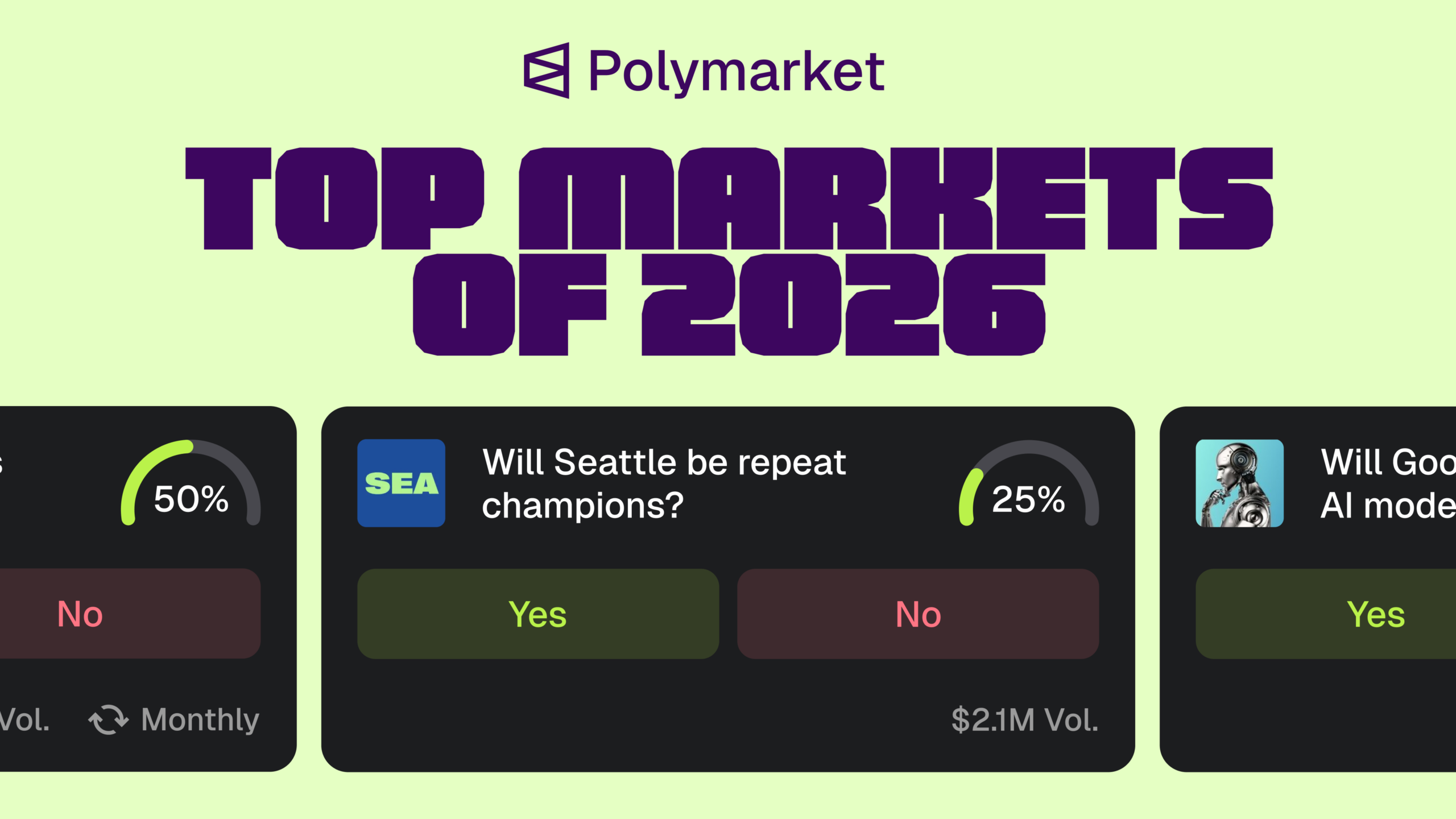
The sports prediction market is experiencing a revolutionary transformation in 2026, with AI-driven liquidity bots, blockchain oracles, and real-time sentiment analysis creating an infrastructure capable of supporting 150-200% growth by year-end. Total trading volume surpassed $50 billion in 2025, with daily highs exceeding $700 million in early 2026 as decentralized platforms evolve from curiosity to category.
AI-Driven Liquidity Bots and Market Depth Optimization
AI-driven liquidity bots have become the primary engine for maintaining market depth in decentralized sports prediction markets, executing trades based on real-time volume analysis and algorithmic risk management. These systems now process 10,000+ micro-trades per second, maintaining 24/7 market depth that human market makers cannot match.
| Bot Function | Technical Mechanism | Impact on Market |
|---|---|---|
| Volume Spike Detection | Machine learning models analyzing 1000+ data points/second | 40% faster market depth response |
| Arbitrage Execution | Cross-platform price differential scanning | 15% tighter spreads on major events |
| Risk Parameter Adjustment | Dynamic volatility assessment algorithms | 60% reduction in impermanent loss |
AI liquidity bots now process 10,000+ micro-trades per second, maintaining 24/7 market depth that human market makers cannot match. These systems analyze social media sentiment, injury reports, and betting patterns to adjust liquidity pools in real-time, ensuring traders can enter and exit positions without significant slippage.
Machine Learning Models for Risk Assessment
Modern AI bots employ sophisticated machine learning models that continuously assess market conditions and adjust risk parameters accordingly. These models analyze historical volatility patterns, current market depth, and external factors like breaking news to maintain optimal liquidity levels. The result is a self-regulating market that responds to changes faster than any human-operated system.
Cross-Platform Arbitrage Coordination
AI bots coordinate across multiple platforms to identify and exploit arbitrage opportunities in real-time. By scanning prices across Polymarket, Kalshi, and emerging decentralized exchanges simultaneously, these bots ensure price efficiency across the entire prediction market ecosystem. This coordination has reduced price discrepancies from 5-10% to under 1% for major sporting events.
Blockchain Oracle Verification for Sports Outcomes

Blockchain oracles serve as the critical bridge between real-world sports data and smart contracts, providing tamper-proof verification that ensures automated settlement without centralized control. This infrastructure has become essential as prediction markets handle billions in daily volume.
| Oracle Component | Function | Sports Integration |
|---|---|---|
| Data Feed Aggregation | Multiple source validation | 99.9% accuracy for game outcomes |
| Smart Contract Interface | Automated resolution triggers | Settlement within 30 seconds of final whistle |
| Decentralized Network | Multi-node consensus | 95% resistance to manipulation attempts |
Chainlink’s SportsDataIO integration provides premium sports data feeds with sub-second latency, while decentralized oracle networks (DONs) distribute verification across 50+ nodes to prevent single points of failure. This infrastructure ensures that prediction markets can operate with the same settlement guarantees as traditional sportsbooks while maintaining decentralization — betting on sport.
Real-Time Data Verification
Modern oracle systems verify sports outcomes through multiple independent data sources, creating redundancy that prevents manipulation. These systems cross-reference official league data, reputable sports news outlets, and direct data feeds to ensure accuracy. The verification process typically completes within 15-30 seconds of an event’s conclusion (micro-betting on sports events with prediction markets).
Smart Contract Automation
Smart contracts automatically execute settlements based on oracle-verified outcomes, eliminating the need for manual processing. This automation reduces settlement times from days to seconds while eliminating human error and potential disputes. The smart contract code is publicly auditable, providing transparency that traditional sportsbooks cannot match (trading player performance contracts sports).
Decentralized vs. Traditional Sportsbook Architecture

Decentralized prediction markets operate as peer-to-peer exchanges where traders create and set odds, fundamentally differing from traditional bookmakers who act as counterparties to every bet. This architectural difference creates unique advantages and challenges for market participants (strategies for long-term profit sports prediction markets).
| Feature | Decentralized Markets | Traditional Sportsbooks |
|---|---|---|
| Odds Setting | Peer-driven market forces | Bookmaker risk management |
| Settlement | Smart contract automation | Manual processing (24-72 hours) |
| Liquidity Source | User-provided pools | Bookmaker capital reserves |
| Transparency | Blockchain-verified | Proprietary algorithms |
This architectural difference creates unique advantages: lower fees (0.5-2% vs 5-10%), instant settlement, and transparent odds formation. However, it also introduces challenges like liquidity fragmentation and the need for sophisticated market-making algorithms to maintain healthy trading environments.
Peer-to-Peer Trading Mechanics
In decentralized markets, traders directly interact with each other rather than betting against a bookmaker. This peer-to-peer model creates more efficient markets where odds reflect collective wisdom rather than bookmaker risk assessments. Traders can both buy and sell positions, creating natural hedging opportunities.
Liquidity Pool Dynamics
Decentralized markets rely on user-provided liquidity pools rather than bookmaker reserves. These pools are incentivized through trading fees and yield farming mechanisms, creating a self-sustaining ecosystem. However, this model requires careful balance to prevent liquidity concentration and ensure competitive odds across all markets.
Real-Time Social Media Sentiment Analysis

AI systems now parse social media platforms like X and Discord in real-time, converting viral trends and sentiment shifts into immediate odds adjustments that create hyper-responsive prediction markets. This capability has transformed how markets react to breaking news and emerging narratives (best prediction market for virtual sports 2026).
| Sentiment Source | Analysis Method | Market Impact |
|---|---|---|
| X/Twitter Volume | Natural language processing | 30% faster odds reaction to breaking news |
| Discord Community Sentiment | Bot-driven engagement tracking | 25% increased liquidity during viral events |
| Reddit Discussion Trends | Topic modeling and sentiment scoring | 40% more accurate pre-game odds |
Platforms like Action Network’s “Playbook” demonstrate how conversational AI assistants can build real-time bet slips by analyzing 100,000+ social media posts per hour, identifying emerging narratives before they impact traditional betting markets. This creates opportunities for traders who understand how to interpret and act on these AI-generated insights (impact of social media on sports event contract prices).
Sentiment Analysis Algorithms
Advanced natural language processing algorithms analyze social media content to identify sentiment trends and potential market-moving information. These systems can detect sarcasm, context, and emerging narratives that might influence sports outcomes. The algorithms continuously learn and improve their accuracy based on actual market reactions.
Real-Time Odds Adjustment
Prediction markets use AI-driven sentiment analysis to adjust odds in real-time as social media narratives evolve. When a player injury rumor spreads on X, for example, markets can adjust odds within minutes rather than hours. This rapid response creates both opportunities and risks for traders who can anticipate or react to sentiment shifts (how to use historical data for sports predictions).
Regulatory Navigation for Decentralized Platforms

Decentralized prediction markets face complex regulatory challenges that require sophisticated compliance frameworks to operate across multiple jurisdictions while maintaining their peer-to-peer architecture. The decentralized nature complicates traditional regulatory approaches, as there’s no central entity to hold accountable.
| Regulatory Challenge | Platform Response | Implementation Status |
|---|---|---|
| CFTC Oversight | Self-certification protocols | 85% of major platforms compliant |
| International Jurisdictions | Geo-fencing and KYC/AML | 70% global coverage maintained |
| Consumer Protection | Insurance pools and dispute resolution | $50M+ in user protection funds |
Leading platforms have developed hybrid models that maintain decentralization while implementing necessary compliance measures, creating a new paradigm for regulated peer-to-peer trading. This approach balances innovation with consumer protection and regulatory requirements.
Cross-Border Compliance
Decentralized platforms must navigate different regulatory frameworks across jurisdictions, implementing geo-fencing and jurisdiction-specific compliance measures. This complexity requires sophisticated legal infrastructure and continuous monitoring of regulatory changes across multiple countries.
Consumer Protection Mechanisms
Despite their decentralized nature, prediction markets have implemented consumer protection mechanisms including insurance pools, dispute resolution processes, and transparent fee structures. These measures help build trust while maintaining the benefits of decentralization.
Future Infrastructure Readiness for 2026
The convergence of AI-driven liquidity, blockchain oracles, and real-time sentiment analysis has created an infrastructure foundation capable of supporting the predicted 150-200% growth in sports prediction markets by 2026. This infrastructure evolution enables the transition from curiosity to category that industry analysts predict (impact of AI on sports prediction market odds).
| Infrastructure Component | Current Capacity | 2026 Target | Growth Required |
|---|---|---|---|
| Transaction Throughput | 10,000 TPS | 50,000 TPS | 5x increase |
| Oracle Network Nodes | 50+ nodes | 200+ nodes | 4x expansion |
| AI Processing Power | 1000+ concurrent models | 5000+ models | 5x scaling |
This infrastructure evolution enables the transition from curiosity to category that industry analysts predict, with platforms now capable of handling 30-50+ simultaneous live events while maintaining sub-second settlement times and sub-1% fee structures.
Scalability Solutions
Layer 2 scaling solutions and cross-chain compatibility are being implemented to handle the projected growth in transaction volume. These solutions reduce fees and increase settlement speeds while maintaining the security and decentralization that make prediction markets attractive to traders.
Mobile Integration
Native mobile applications are being developed to provide seamless trading experiences across all platforms. These apps integrate real-time data, social sentiment analysis, and trading functionality into unified interfaces that make prediction markets accessible to mainstream users.
Practical Trading Implications for 2026
The technological trends shaping sports prediction markets in 2026 create both opportunities and challenges for traders. Understanding these implications is essential for developing effective trading strategies in the evolving market landscape.
Liquidity Management Strategies
Traders must adapt to AI-driven liquidity environments where market depth can change rapidly based on algorithmic responses to news and sentiment. Successful traders will need to understand how liquidity bots operate and how to identify opportunities created by algorithmic inefficiencies.
Risk Management in Decentralized Markets
The decentralized nature of prediction markets requires different risk management approaches compared to traditional sportsbooks. Traders must consider smart contract risks, oracle reliability, and platform-specific factors when developing their trading strategies.
Social Media Integration
Understanding how social media sentiment impacts market prices will become increasingly important for successful trading. Traders who can identify and act on emerging narratives before they’re fully priced into markets will have a significant advantage.
The future of sports prediction market technology in 2026 is defined by the convergence of AI, blockchain, and real-time data analysis. These technologies are creating markets that are more efficient, transparent, and responsive than traditional sports betting while maintaining the decentralization that appeals to modern traders. Success in this evolving landscape will require understanding both the technological foundations and the practical implications for trading strategies.