
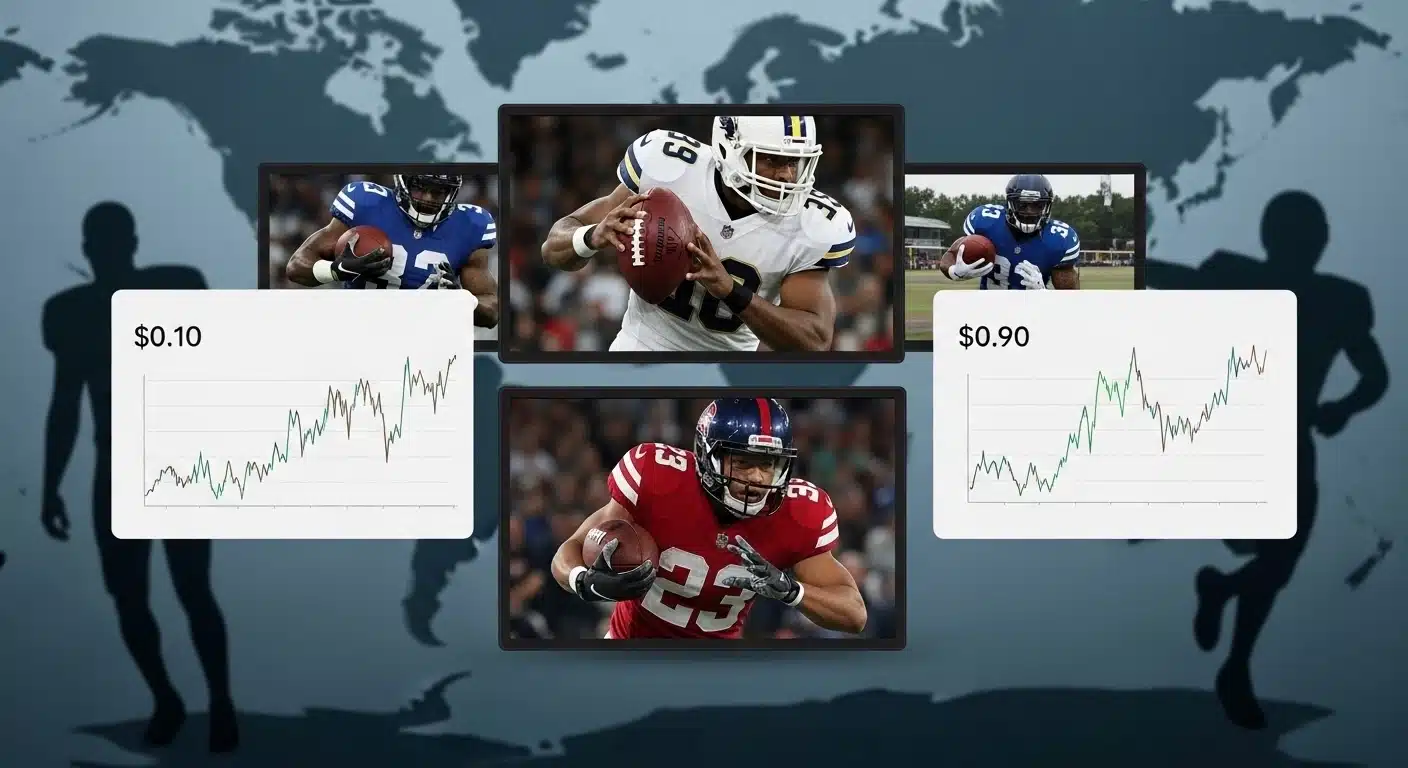
Prediction markets are revolutionizing micro-betting on sports events, with monthly trading volumes exceeding $13 billion by late 2025. Unlike traditional sportsbooks that offer fixed odds, prediction markets enable traders to buy and sell binary contracts throughout live events, creating a dynamic marketplace where prices reflect real-time probabilities. This comprehensive guide explores how to execute in-play trades, analyze data feeds, and implement risk management strategies for profitable micro-betting in 2026.
How Micro-Betting Contracts Transform Live Sports Trading
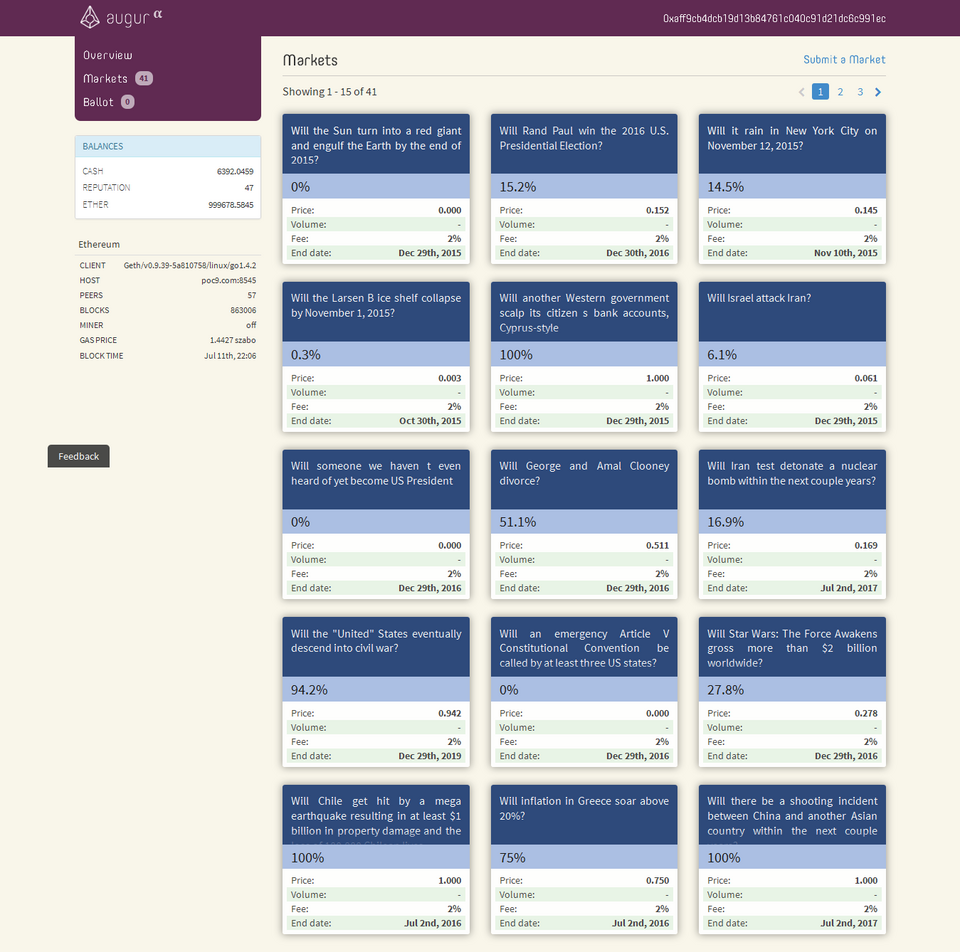
Micro-betting contracts fundamentally change how sports fans engage with live events by offering binary outcomes that trade between $0 and $1, with each cent representing a 1% probability of occurrence. These contracts settle within seconds of the in-game event, enabling rapid position turnover that traditional sportsbooks cannot match. The peer-to-peer trading model eliminates the house edge, instead generating revenue through transparent commission structures that typically range from 0.35% to 1.5% per trade.
- Binary pricing mechanics: Contracts trade between $0-$1, with each cent representing a 1% probability of the outcome occurring
- Real-time settlement speed: Most micro-bets settle within 10-30 seconds of the in-game event, enabling rapid position turnover
- Volume comparison advantage: Prediction markets handle $13+ billion monthly vs. traditional sportsbooks’ $X billion in micro-betting volume
- Information efficiency: Prices update instantly based on new data, creating a “truth machine” that aggregates thousands of micro-opinions
The CFTC regulatory framework provides oversight that traditional offshore sportsbooks lack, ensuring fair market practices across all 50 U.S. states. This regulatory clarity has attracted institutional liquidity, with major trading firms now participating alongside retail traders. The result is deeper markets with tighter spreads, making micro-betting more accessible and profitable for serious traders.
Executing In-Play Trades During Live Sports Events
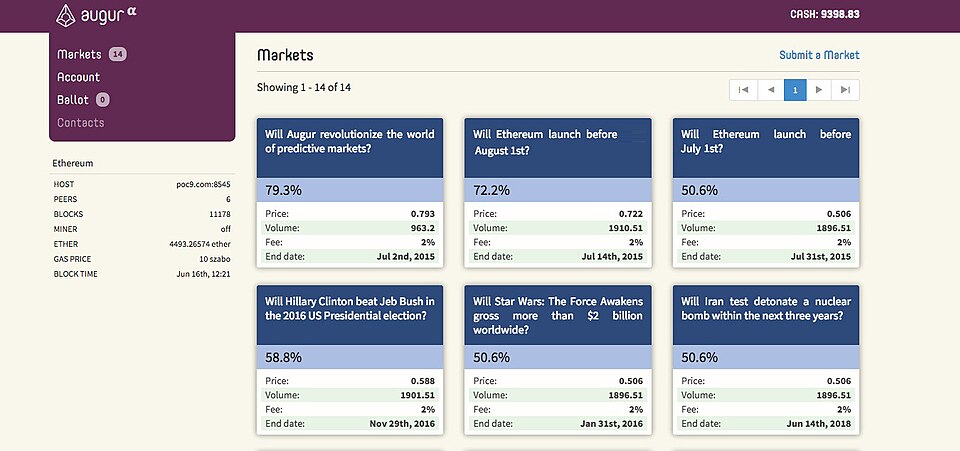
Successful micro-betting requires precise execution timing and platform selection. The best prediction markets offer sub-2-second order placement, mobile apps with push notifications, and customizable watch lists for monitoring multiple games simultaneously. Key moments for volatility include after major plays, timeouts, and between innings when odds shift rapidly based on momentum changes.
- Platform selection criteria: Kalshi offers 0.35% commission vs. Polymarket’s 1.5% fee structure for high-frequency traders
- Timing windows for maximum volatility: Key moments include after major plays, timeouts, and between innings/quarters when odds shift rapidly
- Position sizing for micro-bets: Start with 1-2% of bankroll per contract to manage rapid price swings in live markets
- Execution speed requirements: Use mobile apps with sub-2-second order placement to capitalize on fleeting arbitrage opportunities
Mobile app configuration is critical for capturing micro-betting opportunities. Enable one-tap trading, set up price alerts for specific thresholds, and customize watch lists to monitor 5-10 games simultaneously. The most successful traders maintain sub-second reaction times by pre-loading funds and using biometric authentication for instant access during live events.
Platform Comparison for Micro-Betting Execution
Different platforms excel in various aspects of micro-betting execution. Kalshi’s institutional-grade infrastructure provides the fastest settlement times but requires higher minimum deposits. Polymarket offers broader sports coverage and lower barriers to entry, making it ideal for retail traders testing strategies. Understanding these trade-offs is essential for optimizing your trading approach — betting on sport.
Analyzing Real-Time Data Feeds for Micro-Betting Opportunities
Real-time data feeds form the backbone of successful micro-betting strategies. League-certified feeds from Sportradar and Genius Sports provide 99.9% accuracy, while unofficial sources may introduce latency that costs valuable arbitrage opportunities. The most profitable traders monitor multiple data streams simultaneously, identifying 0.5-2 second delays between live action and market pricing (strategies for long-term profit sports prediction markets).
- Official data source reliability: Use league-certified feeds (Sportradar, Genius Sports) for 99.9% accuracy vs. unofficial sources
- Latency arbitrage windows: Identify 0.5-2 second delays between live action and market pricing to gain edges
- Volume pattern recognition: Track unusual betting volume spikes (>10x average) as indicators of information asymmetry
- Cross-platform price discrepancies: Monitor 2-5% price differences between exchanges during high-volatility moments
Volume pattern recognition provides early warning signals for market-moving events. A sudden 10x increase in trading volume often precedes significant price movements, as informed traders begin positioning before the broader market reacts. Combining volume analysis with latency arbitrage creates a powerful edge for identifying profitable micro-betting opportunities (tax reporting for sports prediction market winnings).
Advanced Data Analysis Techniques
Beyond basic data feeds, successful micro-bettors employ machine learning models to predict price movements based on historical patterns. These models analyze factors like team momentum, player fatigue, and weather conditions to generate probability estimates that often exceed market pricing accuracy. The integration of AI-driven analysis with human intuition creates a formidable trading advantage (impact of AI on sports prediction market odds).
Risk Management Strategies for High-Frequency Micro-Betting
High-frequency micro-betting requires sophisticated risk management approaches that differ significantly from traditional sports betting. The rapid settlement times and frequent position turnover create unique challenges that demand specialized strategies. Successful traders typically implement 15-20% stop-losses for micro-bets, recognizing the higher volatility inherent in live trading environments (trading player performance contracts sports).
- Stop-loss calibration: Set 15-20% stop-losses for micro-bets vs. 5-10% for traditional sports betting due to higher volatility
- Position correlation limits: Cap exposure at 5% of bankroll across correlated micro-bets (e.g., next pitch + next inning outcomes)
- Hedging with traditional sportsbooks: Use 2-3:1 leverage ratio between prediction market and sportsbook positions for optimal risk-adjusted returns
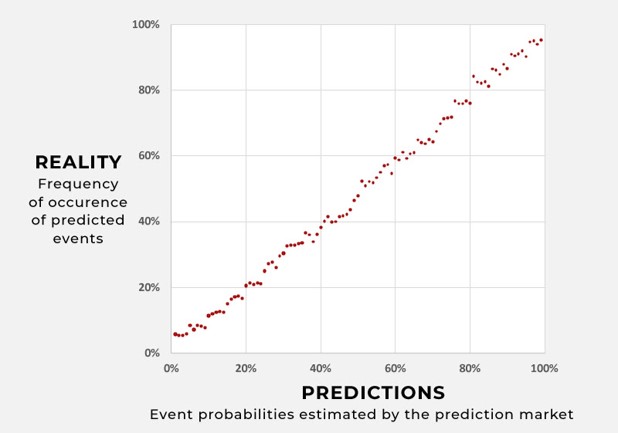
- Brier score tracking: Monitor personal prediction accuracy (target: 0.05-0.06) to identify and eliminate systematic biases
Brier score tracking provides objective measurement of prediction accuracy over time. A Brier score of 0.05-0.06 indicates excellent calibration, while scores above 0.10 suggest systematic errors in probability estimation. Regular analysis of Brier scores helps traders identify and correct biases, improving long-term profitability in micro-betting markets.
Position Sizing and Bankroll Management
Effective position sizing is crucial for surviving the inevitable losing streaks in micro-betting. The Kelly Criterion provides a mathematical framework for optimal bet sizing based on edge and odds, but most traders use simplified approaches like fixed percentage betting. Starting with 1-2% of bankroll per contract provides adequate protection while allowing meaningful profit potential.
Getting Started: Your Micro-Betting Execution Checklist
Beginning your micro-betting journey requires careful preparation and systematic approach. The most successful traders treat micro-betting as a business, implementing professional-grade systems for account management, trade execution, and performance tracking. Starting with $500-1,000 for testing strategies provides sufficient capital to learn without excessive risk.
- Account setup requirements: Verify CFTC registration, link funding sources, and enable two-factor authentication
- Mobile app configuration: Set up push notifications for price alerts, enable one-tap trading, and customize watch lists
- Initial capital allocation: Start with $500-1,000 for testing strategies before scaling to larger positions
- Performance tracking system: Log every trade with outcome, reasoning, and Brier score to identify patterns and improve accuracy
Performance tracking is often overlooked by novice traders but proves essential for long-term success. Maintain detailed logs of every trade, including the reasoning behind each position, the outcome, and the accuracy of your probability estimates. This data becomes invaluable for identifying patterns, eliminating biases, and continuously improving your micro-betting strategy.
Essential Tools and Resources
Several tools can enhance your micro-betting effectiveness. Real-time odds comparison services help identify arbitrage opportunities across platforms. Statistical databases provide historical data for developing predictive models. Community forums offer insights from experienced traders, though always verify information independently before acting on it (how to use historical data for sports predictions).
Advanced Micro-Betting Strategies for 2026
Seasoned micro-bettors employ sophisticated strategies that go beyond basic price speculation. These approaches require deeper market understanding and more advanced analytical capabilities but can generate consistent profits when executed properly. The most successful advanced strategies combine multiple analytical approaches with precise execution timing.
Correlation trading involves identifying related micro-betting opportunities across different games or markets. For example, betting on the next pitch in a baseball game while simultaneously trading the next inning outcome creates a hedged position that reduces overall risk. The key is identifying correlations with positive expected value while maintaining proper position sizing limits.
Volatility arbitrage exploits temporary price discrepancies caused by market inefficiencies. These opportunities arise when different platforms price the same event differently or when market makers temporarily misprice probabilities based on incomplete information. Successful volatility arbitrage requires rapid execution and careful risk management to capture profits before prices converge.
Common Micro-Betting Mistakes to Avoid
Even experienced traders make mistakes in micro-betting markets. Understanding common pitfalls can help you avoid costly errors and improve your overall profitability. The most frequent mistakes involve emotional decision-making, inadequate research, and poor risk management practices.
Chasing losses represents one of the most destructive behaviors in micro-betting. After experiencing losses, traders often increase position sizes in an attempt to recover quickly, leading to even larger losses. Successful micro-bettors maintain disciplined position sizing regardless of recent results, recognizing that each trade should be evaluated independently based on its own merits.
Overconfidence in personal predictions can lead to excessive risk-taking. Even the most accurate predictors experience losing streaks, and assuming infallibility often results in catastrophic losses. Regular Brier score analysis helps maintain realistic assessments of predictive abilities and prevents overconfidence from undermining trading discipline.
The Future of Micro-Betting with Prediction Markets
The micro-betting landscape continues evolving rapidly, with new technologies and market structures emerging regularly. Artificial intelligence and machine learning are increasingly integrated into prediction market platforms, providing traders with enhanced analytical capabilities and more accurate probability estimates. These technological advances are democratizing access to sophisticated trading tools previously available only to institutional investors (best prediction market for virtual sports 2026).
Blockchain technology is also transforming micro-betting by enabling decentralized prediction markets that operate without central intermediaries. These platforms offer enhanced transparency, reduced fees, and greater accessibility, though they also present unique regulatory challenges. The integration of smart contracts automates settlement processes, reducing counterparty risk and improving overall market efficiency (impact of social media on sports event contract prices).
Social features are becoming increasingly important in micro-betting platforms, with community-driven insights and collaborative trading strategies gaining popularity. These social elements create network effects that enhance market liquidity and improve price discovery processes. The most successful platforms will likely combine advanced technology with strong community features to create engaging trading environments.
Your Micro-Betting Success Path
Achieving consistent profitability in micro-betting requires dedication, discipline, and continuous learning. Start with small positions while developing your analytical skills and market understanding. Focus on one or two sports initially, mastering the specific dynamics and probability distributions unique to each sport before expanding to additional markets.
Document your trading journey meticulously, maintaining detailed records of all positions, reasoning, and outcomes. This documentation becomes your most valuable asset for identifying strengths, weaknesses, and improvement opportunities. Regular review of your trading performance, combined with objective metrics like Brier scores, provides the feedback necessary for continuous improvement.
Network with other successful micro-bettors to share insights and strategies. The prediction market community is generally collaborative, with experienced traders often willing to mentor newcomers. However, always verify information independently and develop your own analytical framework rather than blindly following others’ advice.
The micro-betting revolution is just beginning, with prediction markets offering unprecedented opportunities for informed traders to profit from their sports knowledge. By combining rigorous analysis, disciplined execution, and continuous learning, you can position yourself to succeed in this exciting and rapidly evolving market. The key is starting now, while the opportunities are abundant and competition remains manageable.