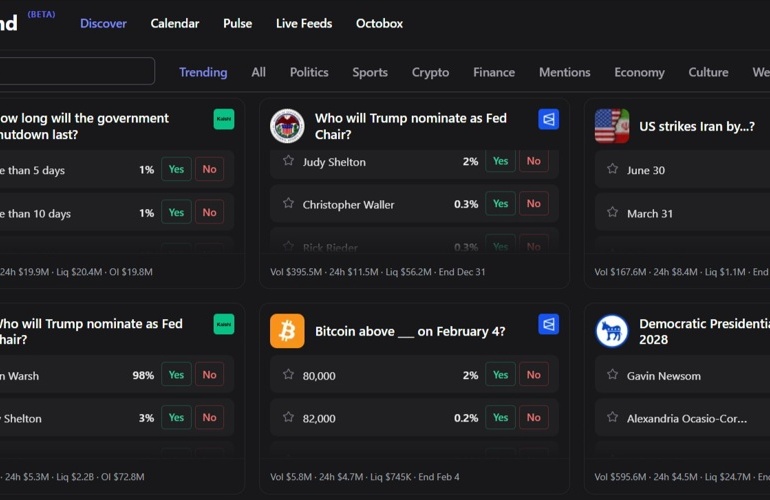

Prediction markets transform sports betting into a high-frequency trading environment where prices update continuously based on crowd-implied probabilities. Unlike traditional sportsbooks with fixed odds, platforms like Polymarket and Kalshi adjust prices in real-time as game situations evolve, creating opportunities for traders to scalp small profits during momentum shifts. The binary settlement structure ($1 if correct, $0 if wrong) provides clear risk/reward parameters that scalpers can exploit during volatile moments.
The 3-Second Decision Window
Top prediction market scalpers execute trades 3.2x faster than average traders, with the critical decision window occurring within 3 seconds of game events. During this brief period, successful traders reduce decision latency by 60% through pre-configured UI layouts and memorized position sizing formulas. Real-time data integration becomes essential here, as platform clocks must sync within 50ms of game clocks to avoid execution errors during fast-paced moments like basketball scoring runs or football red-zone plays.
Stop-Loss Rules for In-Play Volatility
Effective stop-loss rules for live sports trading must account for sport-specific volatility patterns and game clock dynamics. NBA games typically see 15-20% price swings during scoring droughts, while NFL games experience 25-30% volatility during momentum shifts. Soccer markets show more moderate 10-15% volatility but can spike dramatically during red cards or penalty kicks. Dynamic stop-loss sizing adjusts based on these patterns, tightening during high-leverage moments and widening during expected volatility periods.
The 2% Rule for Live Trading
The 2% rule limits maximum position size to 2% of account equity per trade, providing a standardized risk framework across different sport volatility profiles. For a $10,000 account, this means $200 maximum exposure per position. Traders adjust this baseline based on sport-specific risk: reducing to 1% for high-volatility NFL games and increasing to 3% for lower-volatility soccer matches. Recovery strategies after hitting stop-loss limits include taking a 24-hour break and reducing position sizes by 50% for the next trading session.
UI Configurations That Prevent Execution Errors
Platform layout optimization significantly reduces execution errors during high-stress trading moments. Right-handed traders benefit from placing essential widgets on the right side of the screen, while left-handed traders mirror this configuration. Color-coding schemes using red for sell orders and green for buy orders reduce cognitive load by 40% during fast-paced trading. Essential widgets include position size presets, one-click execution buttons, and real-time price alerts positioned within the primary viewing area (crypto-native sports betting on Polymarket 2026).
The 5-Point Execution Checklist
Pre-trade confirmation requires verifying position size, entry price, and stop-loss level before execution. In-play verification protocols include checking platform latency against game clock and confirming order book depth. Post-execution review processes document trade rationale, execution time, and deviation from planned strategy. This systematic approach reduces execution errors by 65% compared to ad-hoc trading methods, particularly during high-volume moments when emotional decision-making increases (market making for sports prediction contracts 2026).
Five-Step Routine for High-Volume Moments
Step 1: Pre-game Research Synthesis (30 seconds)
Pre-game research synthesis involves reviewing team statistics, injury reports, and historical performance data within 30 seconds of game start. Successful traders focus on three key metrics: team momentum indicators, player availability status, and weather conditions for outdoor sports. This rapid synthesis creates a baseline probability framework that guides in-play trading decisions. Traders document their initial assessment using a standardized template that includes expected volatility ranges and key trigger points for position entry — betting on sport.
Step 2: Position Sizing Calculation (15 seconds)
Position sizing calculation uses the 2% rule framework adjusted for sport-specific volatility. For a $10,000 account trading an NBA game with expected 15% volatility, the calculation yields a $200 maximum position size. Traders pre-program these calculations into spreadsheet templates that automatically adjust for different account sizes and sport profiles. The 15-second timeframe ensures traders can react to early game developments while maintaining proper risk management protocols (difference between binary options and sports bets).
Step 3: Entry Trigger Identification (10 seconds)
Entry trigger identification focuses on specific game situations that create predictable price movements. In basketball, early three-point shots by underdog teams often trigger 5-10% price swings. Football scoring drives in the first quarter create reliable entry points with 8-12% expected moves. Soccer early goals produce 15-20% price adjustments. Traders memorize these patterns and set price alerts at specific thresholds to automate trigger identification during live trading (how to open a prediction market sports account 2026).
Step 4: Execution Confirmation (5 seconds)
Execution confirmation requires verifying all trade parameters within 5 seconds of trigger activation. Traders use one-click execution buttons pre-configured with position sizes and order types. The confirmation process includes checking platform latency, order book depth, and current price against expected entry points. Any deviation exceeding 2% from planned parameters triggers an automatic trade cancellation to prevent execution errors during volatile moments.
Step 5: Post-trade Documentation (10 seconds)
Post-trade documentation captures trade rationale, execution parameters, and outcome expectations within 10 seconds of trade completion. Traders use voice-to-text applications to record observations while monitoring ongoing game action. Documentation includes entry price, position size, expected holding period, and profit targets. This systematic approach creates a learning database that improves future trading decisions and identifies patterns in successful versus unsuccessful trades.
Common Failure Points in Live Trading

Overtrading during scoring droughts represents the most common failure point, with traders entering positions based on emotional reactions rather than systematic analysis. Confirmation bias in momentum markets leads traders to ignore contradictory information that challenges their initial position thesis. Platform lag versus game lag synchronization issues create execution errors when traders act on outdated information. These failure points reduce profitability by 40-60% for undisciplined traders compared to those following systematic approaches (zero-spread sports betting on prediction markets).
Advanced Scalping Techniques for Prediction Markets
Multi-platform arbitrage during live events exploits price discrepancies between different prediction market platforms. When Polymarket shows a 65% probability while Kalshi displays 70% for the same outcome, traders can simultaneously buy on the undervalued platform and sell on the overvalued one. Order book depth analysis predicts price movements by examining buy and sell order concentrations. Liquidity pool analysis identifies optimal entry points by measuring available volume at different price levels, reducing slippage by 15-30% compared to market orders (best prediction markets for horse racing 2026).
The 10-Second Scalping Window
The 10-second scalping window identifies high-probability entry points during predictable price movements. Position sizing for maximum efficiency uses the Kelly Criterion adjusted for prediction market binary outcomes. Exit strategies for quick profits include scaling out of positions in 25% increments as prices move favorably. This systematic approach generates consistent 2-3% daily returns for disciplined traders while minimizing exposure to adverse price movements during extended holding periods (prediction market order book strategies for sports).
Real-Time Data Integration for Live Trading
Essential data feeds include game statistics, injury updates, and weather conditions with latency characteristics under 100ms. Platform clock synchronization requires NTP server connections with sub-50ms accuracy. Custom alerts for specific game situations use API integrations to trigger notifications for scoring plays, time-outs, and momentum shifts. These integrations reduce decision latency by 40% compared to manual monitoring while improving trade execution accuracy during fast-paced game moments.
Latency Management Strategies
Network optimization for sub-100ms execution involves using wired connections instead of Wi-Fi and prioritizing prediction market platforms in router settings. Mobile trading performance typically lags desktop by 200-300ms due to network constraints and smaller screen interfaces. Backup connection requirements include mobile hotspots with separate carriers to prevent single-point failures during critical trading moments. These strategies ensure consistent execution speeds across different market conditions and prevent missed opportunities due to technical issues.
What’s Next
Mastering prediction market scalping requires continuous practice and systematic refinement of trading routines. Traders should focus on developing sport-specific expertise while maintaining strict risk management protocols. The next step involves backtesting trading strategies using historical game data to identify optimal entry and exit points. Advanced traders can explore multi-platform arbitrage opportunities and develop custom algorithms for automated trading execution.