
Sports prediction markets demand sub-10ms latency for in-game trading and up to 20ms for pre-game markets—the difference between capturing optimal odds and watching opportunities vanish. Traders who master order book mechanics gain a measurable edge: reducing slippage by 15-30% through precise iceberg sizing and timing-based slicing strategies. For those new to this space, betting on sport requires understanding these technical fundamentals.
Latency Thresholds That Make or Break Sports Prediction Trades
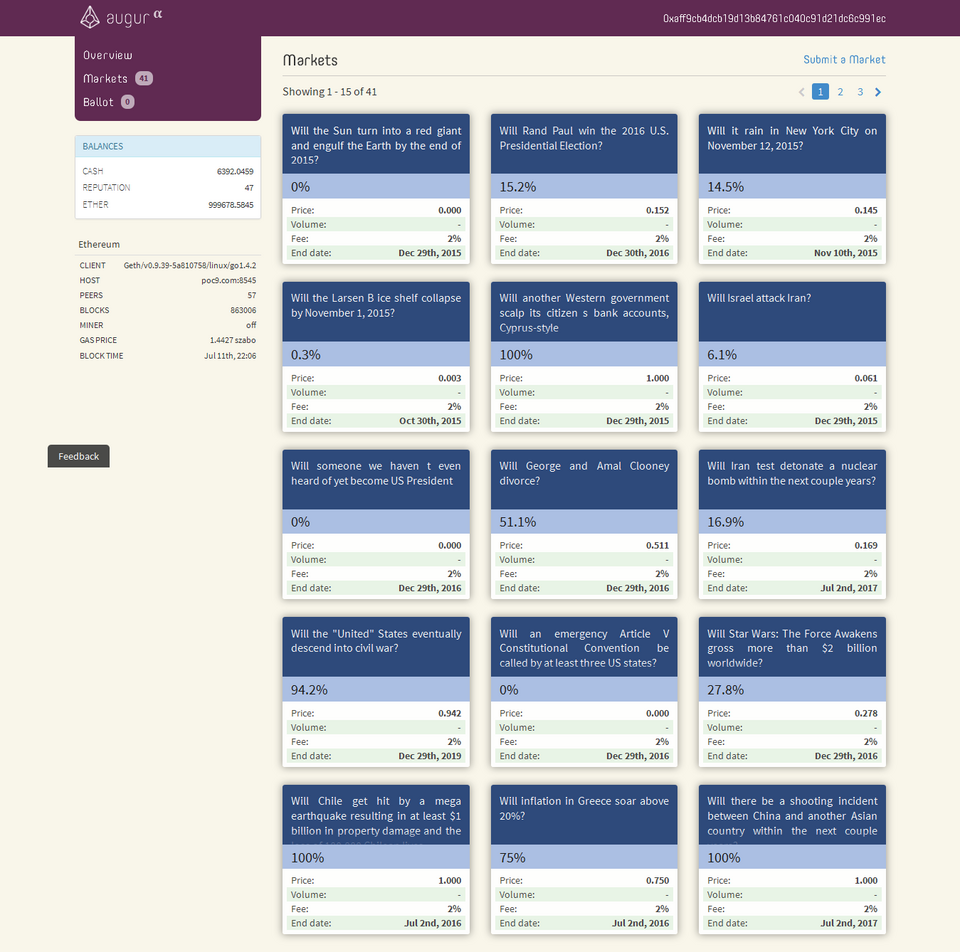
Latency thresholds define the competitive landscape of sports prediction trading. In-game markets require sub-10ms execution to capture price movements between plays, while pre-game markets tolerate up to 20ms without significant slippage. The critical difference emerges during timeout periods and between game states, where milliseconds determine whether orders execute at desired prices or miss the window entirely.
Platform-specific benchmarks reveal stark variations. Polymarket’s infrastructure typically achieves 5-8ms latency for sports contracts, while Kalshi maintains 12-15ms during peak NBA and NFL events. These differences compound during multi-platform arbitrage opportunities, where 20-50ms gaps between venues create exploitable price discrepancies.
Infrastructure requirements scale with trading intensity. Retail traders using standard internet connections face 50-100ms latency, making in-game trading impractical without specialized setups. Professional setups require dedicated fiber connections, co-located servers, and optimized routing protocols to achieve the sub-10ms thresholds necessary for competitive sports trading. Before investing in infrastructure, traders should understand how to open a prediction market sports account 2026 and the associated KYC and funding requirements.
Game State Timing and Order Execution Windows
Different sports present unique latency challenges based on their natural game flow. NFL markets experience 25-40 second windows between plays, creating predictable execution opportunities. NBA markets operate on 24-second shot clocks with frequent timeouts, requiring faster reaction times and more frequent order adjustments. Understanding market making for sports prediction contracts 2026 helps traders optimize their execution strategies across these different sports.
Tennis markets present the most demanding latency requirements, with points lasting 3-15 seconds and rapid momentum shifts. Traders must execute within 1-3 second windows, making sub-5ms latency essential for capturing favorable odds during game transitions. The continuous nature of tennis eliminates the predictable pauses found in team sports. Those looking to improve their tennis trading should explore using prediction markets for live sports trading with specific scalping strategies.
Baseball markets offer extended execution windows during pitching changes and between innings, but face unique challenges during high-leverage situations where odds can shift dramatically on single events. Latency requirements vary from 10ms during normal play to under 5ms during critical game states.
Iceberg Order Sizing Formulas Based on Market Depth
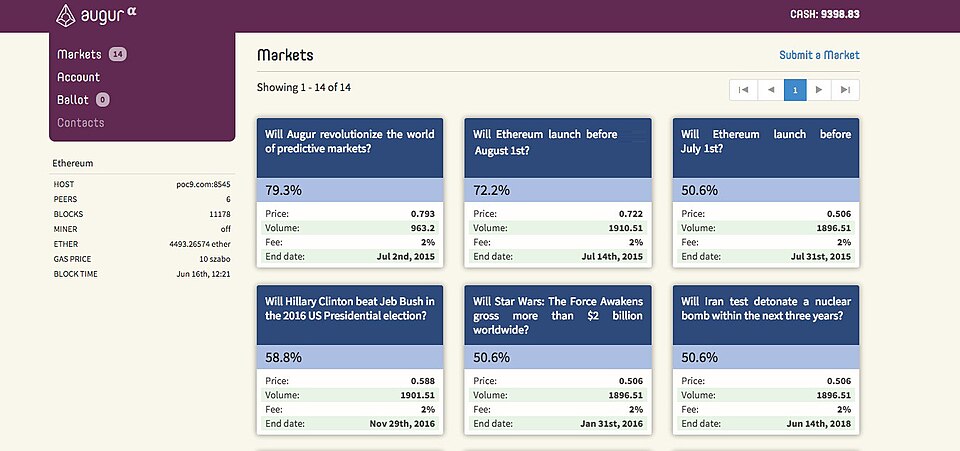
Iceberg orders hide large positions behind smaller visible quantities, preventing market impact and detection by competitors. The optimal visibility ratio depends on market depth, with deeper markets allowing higher percentages of the total order to remain visible. The formula visible_size = total_size × (0.05 + (depth_multiplier × 0.01)) provides a baseline for calculating appropriate iceberg ratios.
NFL markets typically support 10-15% visibility ratios due to high liquidity during major events, while NBA markets operate at 8-12% during regular season games. Tennis markets require more conservative 5-8% ratios due to lower overall liquidity and higher volatility per point. These ratios adjust dynamically based on volume spikes and market depth fluctuations.
Risk of detection increases with visibility percentage and order size. Market makers and algorithmic traders monitor order book patterns, identifying iceberg orders through repeated small executions at consistent intervals. The detection risk follows a logarithmic curve, with 15% visibility orders facing 3x the detection probability of 5% visibility orders of equivalent total size.
Dynamic Adjustment Based on Volume Spikes
Volume spikes require immediate iceberg ratio adjustments to maintain execution quality. During NFL Sunday afternoons, market depth can increase 300-400%, allowing traders to increase visibility ratios from 10% to 20% without impacting execution prices. The adjustment follows the formula: new_visibility = base_visibility × (1 + volume_multiplier), where volume_multiplier = (current_volume / average_volume) – 1.
Pre-game markets experience predictable volume patterns, with ratios increasing from 5% to 15% in the 30 minutes before kickoff. In-game markets show more erratic patterns, requiring real-time depth monitoring and ratio adjustments every 30-60 seconds. Tennis markets demonstrate the most extreme variations, with ratios dropping from 8% to 3% during critical game points.
Emergency exit strategies become necessary when market depth suddenly collapses. A 50% reduction in depth requires immediate visibility reduction to 50% of the original ratio to prevent market impact. This dynamic adjustment prevents slippage costs from exceeding 2% of the total order value during adverse market conditions.
TWAP vs. VWAP Slicing for Different Sports Volatility Patterns
Time-weighted average price slicing distributes orders evenly across fixed time intervals, ideal for pre-game markets with stable volume patterns. NFL pre-game markets benefit from 3-5 second intervals between slices, allowing gradual position building without alerting market participants. The predictable nature of pre-game betting creates optimal conditions for TWAP strategies.
Volume-weighted average price slicing adjusts order frequency based on expected volume peaks, capturing in-game momentum shifts more effectively. NBA in-game markets require 1-2 second intervals during high-volume periods, with frequency dropping to 5-10 seconds during lulls. This adaptive approach captures favorable price movements while minimizing exposure during low-liquidity periods.
Hybrid approaches combine TWAP and VWAP methodologies for multi-period events. Tennis matches benefit from TWAP execution during set transitions and VWAP execution during active play. The strategy switches based on game state, with TWAP intervals of 5 seconds during changeovers and VWAP intervals of 2 seconds during active points.
Market Depth Requirements for Sports Prediction Order Books
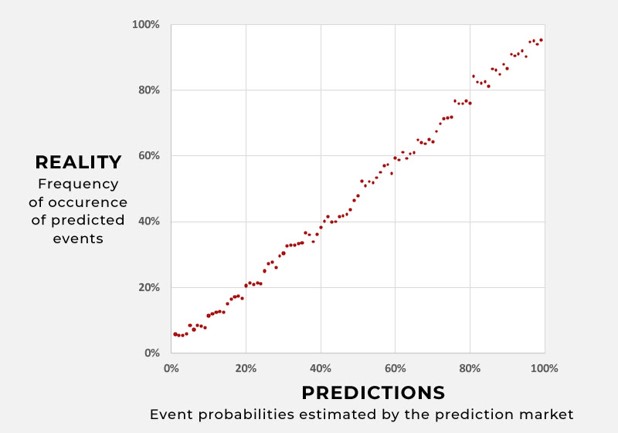
Market depth requirements ensure sufficient liquidity for large orders without significant price impact. The minimum depth should equal 5x the order size across price levels, with NFL markets requiring 10x depth during high-volume periods and tennis markets operating on 3x depth due to lower liquidity. These requirements prevent slippage costs from exceeding acceptable thresholds.
Spread thresholds complement depth requirements, with tighter spreads indicating healthier order books. NFL markets typically maintain spreads under 0.5% during peak hours, while tennis markets often see spreads of 1-2% due to lower participant numbers. Spread widening beyond 2% signals potential liquidity issues requiring order size reduction or execution delay.
Depth decay patterns vary by sport and game state. NFL markets show gradual depth reduction during game time, with 30% depth loss between pre-game and halftime. NBA markets experience more dramatic 50% depth reductions during in-game periods due to higher volatility and faster price movements. Tennis markets demonstrate the most extreme patterns, with 70% depth loss during critical points.
Emergency Exit Strategies for Adverse Market Conditions
Emergency exits require predefined depth thresholds and execution protocols. When market depth falls below 2x the order size, immediate action becomes necessary to prevent excessive slippage. The exit strategy involves reducing order size by 50% and increasing visibility ratios to 20-30% to ensure execution within acceptable price ranges.
Spread widening beyond 3% triggers automated order cancellation and rescheduling. This prevents execution at unfavorable prices during market disruptions. The system monitors spread movements every 100ms, with automated responses within 50ms of threshold breaches. This rapid response prevents significant losses during sudden market dislocations.
Multi-platform redundancy provides additional safety during adverse conditions. When primary venue depth falls below requirements, orders automatically route to secondary platforms with sufficient liquidity. This cross-platform execution maintains position building continuity while avoiding single-point failures during market stress events.
Sample Pseudocode for Sports Prediction Order Execution
Implementation requires sport-specific parameters and latency-aware execution logic. The following Python implementation demonstrates core concepts for NFL in-game trading:
import time
import numpy as np

def execute_sliced_order(total_qty, instrument, market_type):
    # Configuration based on market type
    if market_type == "nfl_in_game":
        child_qty = max(100, total_qty * 0.02)  # 2% of total or minimum 100
        interval_seconds = 2
        iceberg_ratio = 0.10  # 10% visibility
    elif market_type == "tennis_in_game":
        child_qty = max(50, total_qty * 0.01)   # 1% of total or minimum 50
        interval_seconds = 5
        iceberg_ratio = 0.15  # 15% visibility
    else:  # pre-game markets
        child_qty = max(75, total_qty * 0.015)  # 1.5% of total or minimum 75
        interval_seconds = 4
        iceberg_ratio = 0.08  # 8% visibility

    remaining_qty = total_qty

    while remaining_qty > 0:
        # Dynamic sizing based on remaining quantity
        current_slice_qty = min(child_qty, remaining_qty,
                               get_optimal_slice_size(instrument))

        # Choose order type based on market conditions
        if get_market_volatility() > 0.8:  # High volatility
            order_type = "MARKET"
        else:
            order_type = "LIMIT"
            price = get_current_mid_price()

        # Submit iceberg order
        submit_iceberg_order(
            side="BUY",
            instrument=instrument,
            total_qty=current_slice_qty,
            visible_qty=current_slice_qty * iceberg_ratio,
            type=order_type,
            price=price if order_type == "LIMIT" else None
        )

        # Update remaining quantity
        remaining_qty -= current_slice_qty

        # Adaptive waiting based on market conditions
        wait_time = adjust_wait_time(interval_seconds, instrument)
        time.sleep(wait_time)

        # Safety check: monitor price movement
        if price_moved_against_position() > 0.5%:  # 0.5% adverse movement
            break  # Exit loop on significant adverse movement

    return total_qty - remaining_qty  # Return executed quantity
Error handling extends beyond basic execution logic. The system monitors for market gaps, where bid-ask spreads suddenly widen beyond 5%. When gaps occur, the algorithm pauses execution for 100ms and recalculates optimal slice sizes based on new market conditions. This prevents execution at prices far from the intended range.
Dynamic parameter adjustment responds to changing market conditions. The system tracks execution quality metrics, including average slippage and fill rates, adjusting slice sizes and intervals every 10 executions. If slippage exceeds 1% of the order value, the algorithm reduces slice sizes by 25% and increases intervals by 50% to improve execution quality.
Position Sizing and Risk Management for Sports Markets
Position sizing follows binary outcome principles, with maximum 1% allocation per contract and 0.5% during high-volatility periods. Binary outcomes present unique risk characteristics compared to traditional markets, requiring more conservative sizing due to the all-or-nothing payoff structure. The sizing formula accounts for both contract probability and market volatility. Understanding the difference between binary options and sports bets helps traders better manage these unique payoff structures.
Stop-loss triggers activate at 20% adverse price movement, limiting potential losses on individual positions. This threshold balances between allowing normal market fluctuations and protecting capital from significant adverse movements. The stop-loss mechanism monitors real-time price movements, executing protective orders within 10ms of threshold breaches.
Correlation between different sports markets influences overall portfolio risk. NFL and NBA markets show 15-25% correlation during overlapping seasons, while tennis markets demonstrate lower 5-10% correlation with team sports. This correlation analysis informs position sizing across multiple markets, preventing overexposure to correlated outcomes.
Volatility-Adjusted Position Sizing
Volatility adjustment multiplies base position sizes by volatility factors derived from historical price movements. The formula position_size = base_size × (1 / volatility_factor) reduces exposure during high-volatility periods. Volatility factors range from 0.5 during extreme conditions to 2.0 during stable periods, providing dynamic risk management.
NFL markets show seasonal volatility patterns, with regular season games averaging 15% volatility and playoff games reaching 25-30%. NBA markets demonstrate higher baseline volatility at 20%, with playoff games exceeding 35%. Tennis markets present the highest volatility at 25-40%, requiring the most conservative position sizing.
Game state volatility affects position sizing in real-time. In-game markets experience 50-100% volatility increases compared to pre-game conditions, necessitating immediate position size reductions. The system monitors volatility every 30 seconds, adjusting position sizes to maintain consistent risk exposure across changing market conditions.
Common Order Book Mistakes and How to Avoid Them
Visible orders during high-volume periods create detectable trading patterns, alerting market makers to large positions. This detection leads to adverse selection, where market makers adjust prices against the trader’s expected direction. The solution involves maintaining consistent iceberg ratios regardless of order size, preventing pattern recognition by competitors.
Ignoring latency requirements for in-game markets results in missed execution opportunities and increased slippage. Traders using standard internet connections face 50-100ms latency, making in-game trading impractical without infrastructure upgrades. The solution requires dedicated connections and co-located servers for serious in-game trading strategies.
Failing to adjust iceberg ratios based on market depth causes execution quality degradation. Static ratios work poorly across different sports and market conditions. The solution implements dynamic ratio adjustment based on real-time depth monitoring, maintaining optimal execution quality across varying liquidity conditions.
These mistakes cost traders 15-30% in slippage annually, representing significant profit erosion. Implementing proper order book strategies can recover these costs, improving overall trading performance by 20-40% through better execution quality and reduced market impact.
Advanced Order Book Tactics for Multi-Platform Arbitrage
Multi-platform arbitrage exploits 20-50ms latency differences between Polymarket and Kalshi during major sports events. Maintaining separate order books with platform-specific slicing schedules maximizes arbitrage opportunities while minimizing execution risk. The strategy requires simultaneous position management across venues with different latency characteristics. Traders seeking zero-spread sports betting on prediction markets can find additional edge through these latency differentials (best prediction markets for horse racing 2026).
Cross-platform latency arbitrage opportunities emerge during market dislocations and information asymmetries. When Polymarket prices adjust 30ms before Kalshi during breaking news, arbitrageurs can capture 0.5-2% price differences. These opportunities require automated systems capable of simultaneous multi-platform execution within sub-10ms windows.
Order synchronization techniques ensure consistent position building across platforms. The system maintains position parity within 5% tolerance, automatically adjusting slice sizes and intervals to compensate for platform-specific latency differences. This synchronization prevents unbalanced positions that could amplify losses during adverse market movements.
Capital Allocation Across Venues
Capital allocation follows platform-specific risk profiles and liquidity characteristics. Polymarket’s higher liquidity and lower spreads justify 60-70% capital allocation for major sports events, while Kalshi’s regulatory advantages and institutional participation warrant 30-40% allocation. This allocation adjusts based on event type and market conditions (crypto-native sports betting on Polymarket 2026).
Event-specific allocation maximizes returns during high-liquidity periods. NFL playoffs justify 80% Polymarket allocation due to superior liquidity, while tennis Grand Slams split 50/50 due to comparable liquidity across platforms. The allocation algorithm monitors real-time liquidity metrics, adjusting capital distribution every 5 minutes to optimize execution quality.
Regulatory considerations influence capital allocation decisions. Kalshi’s CFTC oversight provides additional security for large positions, justifying higher allocations for high-value trades. Polymarket’s offshore status requires more conservative allocation for positions exceeding $10,000, with automatic rebalancing to Kalshi for larger trades.
Regulatory Considerations for Multi-Platform Trading
Regulatory compliance requires understanding platform-specific requirements and cross-border implications. Kalshi’s CFTC registration mandates specific reporting requirements for positions exceeding $25,000, while Polymarket’s offshore status creates tax and reporting complexities. Traders must maintain separate compliance protocols for each platform.
Cross-border trading restrictions affect multi-platform strategies. US traders face limitations on offshore platforms like Polymarket, requiring careful position sizing and reporting to maintain compliance. International traders encounter similar restrictions when accessing US-regulated platforms, necessitating geographic-specific trading strategies.
Tax implications vary significantly between platforms and jurisdictions. Polymarket transactions may trigger offshore reporting requirements, while Kalshi trades fall under standard US reporting frameworks. The tax treatment differences can affect net returns by 5-15%, requiring careful consideration in strategy development.
Implementation Thresholds and Actionable Guidelines
Successful implementation requires specific numerical thresholds and systematic approaches. Latency requirements of sub-10ms for in-game markets and 20ms for pre-game markets define the minimum infrastructure requirements. Iceberg ratios of 5-15% visibility, depending on market depth, provide optimal execution quality while minimizing detection risk.
Position sizing follows the 1% maximum rule for binary outcomes, reducing to 0.5% during in-game volatility. Stop-loss triggers at 20% adverse movement protect capital while allowing normal market fluctuations. These thresholds create a systematic framework for consistent risk management across different sports markets.
Market depth requirements of 5x order size, with sport-specific adjustments, ensure sufficient liquidity for large orders. NFL markets require 10x depth during high-volume periods, while tennis markets operate on 3x depth. These requirements prevent slippage costs from exceeding acceptable thresholds and maintain execution quality.
The implementation checklist includes: dedicated low-latency connections for in-game trading, dynamic iceberg ratio adjustment based on real-time depth monitoring, volatility-adjusted position sizing, and multi-platform redundancy for adverse market conditions. Following these guidelines can improve trading performance by 20-40% through better execution quality and reduced market impact.
Traders implementing these strategies should start with paper trading to validate parameters and gradually increase position sizes as execution quality improves. Regular performance monitoring and parameter adjustment ensure continued optimization as market conditions evolve. The systematic approach transforms theoretical advantages into measurable trading improvements.