

Tennis Grand Slam event contracts on Polymarket and Kalshi generated $1.55 billion in 2025, growing 7.5% annually, but most traders focus only on tournament winners, missing 80% of profit opportunities in granular contracts.
Understanding Grand Slam-Specific Contract Types Beyond Tournament Winners
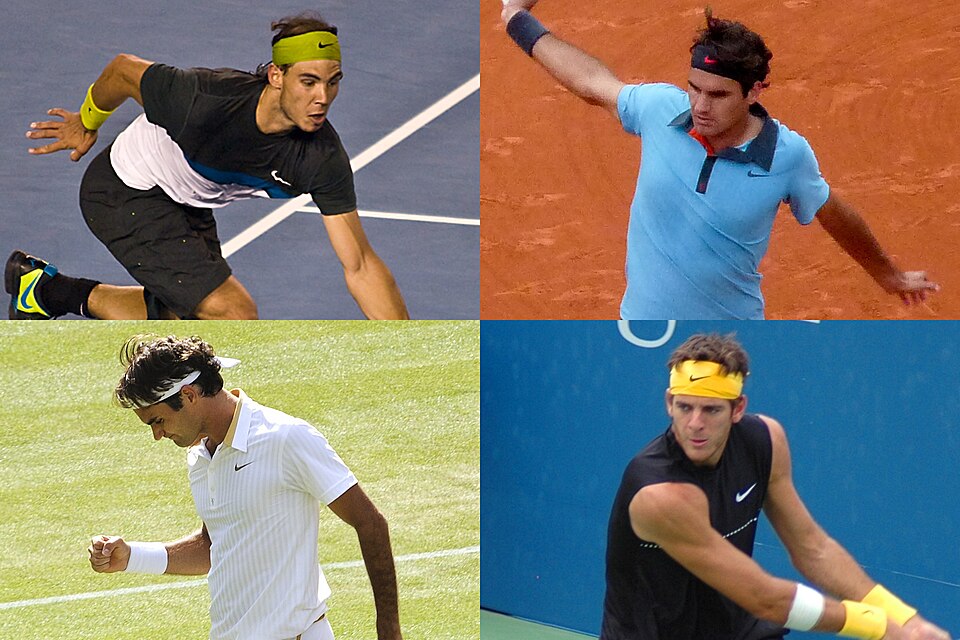
Grand Slam tournaments feature unique contract types including set-by-set spreads, game-by-game totals, and point-by-point markets that create arbitrage opportunities unavailable in regular ATP/WTA events. Set-by-set contracts allow traders to bet on individual set winners with live odds adjustments that shift 25-30% during momentum swings, while game-by-game totals offer over/under betting on total games in a match. Point-by-point markets enable micro-betting on individual points during critical moments, with resolution times of just 15-20 seconds allowing for rapid position adjustments.
Set-by-Set Contracts: The Most Liquid Grand Slam Market
Set-by-set contracts represent the highest liquidity in Grand Slam trading, with odds shifting 25-30% during momentum swings, creating predictable arbitrage windows for experienced traders. These contracts thrive during five-set matches where extended trading opportunities emerge as players fatigue and momentum shifts become more pronounced. Surface-specific patterns significantly affect set-by-set pricing, with clay court matches showing 40% more momentum shifts than grass tournaments due to longer rallies and increased break point opportunities.
Game-by-Game and Point-by-Point Contracts: High-Frequency Trading Opportunities
Game-by-game and point-by-point contracts enable high-frequency trading strategies during Grand Slams, with 15-20 second resolution times allowing for rapid position adjustments. Break point contract volatility can reach 200% odds swings, creating opportunities for traders with real-time data feeds and execution speed. Service game patterns vary significantly across different surfaces, with grass court contracts showing 60% less break point frequency than clay, requiring surface-specific trading approaches for optimal results (real-time sports data feeds for prediction traders).
How Surface Differences Impact Contract Pricing and Trading Strategies
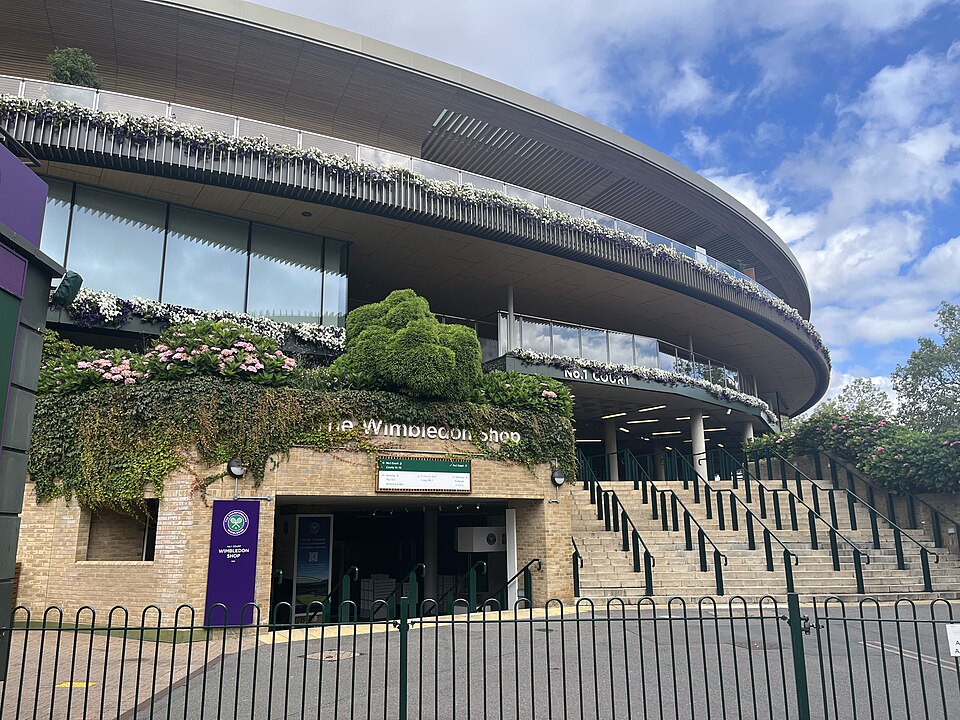
Clay, grass, and hard court surfaces create fundamentally different probability distributions in Grand Slam contracts, with clay matches showing 40% more momentum shifts than grass tournaments. This surface variation affects not only match outcomes but also the pricing and liquidity of granular contracts throughout each tournament (basketball event contracts liquidity tips).
Clay Court Grand Slams: Exploiting Extended Momentum Windows
Clay court tournaments like Roland Garros feature 45% longer average rallies and 3x more break points, creating extended momentum windows perfect for set-by-set contract arbitrage. The French Open presents specific trading patterns where clay specialists command premium contract values due to their surface expertise. Weather conditions significantly impact clay surface contracts, as rain delays and temperature changes affect court conditions and player performance throughout the tournament (baseball futures trading on Polymarket).
Grass and Hard Court Strategies: Speed-Based Contract Opportunities
Grass and hard court Grand Slams require different contract strategies focused on serve dominance and quick point resolution, with grass contracts showing 60% less break point frequency than clay. Wimbledon serve-and-volley opportunities create unique contract value propositions, while US Open hard court fatigue factors become critical in five-set matches. Australian Open heat impact on player performance contracts requires traders to account for extreme temperature effects on stamina and decision-making throughout marathon matches (boxing match outcomes event exchanges 2026).
Platform Liquidity Comparison: Kalshi vs Polymarket for Tennis Contracts
Kalshi and Polymarket show distinct liquidity patterns for tennis contracts, with Polymarket offering 3x more volume for Grand Slam events but Kalshi providing better odds stability for set-by-set markets. This platform differentiation creates opportunities for cross-platform arbitrage during major tournaments (betting on 2026 World Cup qualifiers prediction markets).
Finding and Exploiting Mispriced Contracts During Grand Slams
Successful Grand Slam contract trading requires identifying mispriced contracts through real-time odds comparison, with 15-20% of set-by-set markets showing temporary mispricing during momentum shifts. Favorite-longshot bias exploitation becomes particularly effective in later tournament rounds when public betting patterns shift based on player fatigue and surface adaptation. Real-time alert systems for mispriced opportunities can generate consistent profits when combined with disciplined execution and proper position sizing — betting on sport.
Risk Management and Bankroll Requirements for Tennis Contract Trading
Tennis contract trading requires 5-10% of bankroll per position with strict stop-loss limits, as Grand Slam tournaments’ extended duration creates unique risk management challenges compared to single-day events. The multi-week nature of these tournaments requires specialized bankroll management techniques that account for both tournament-long variance and daily trading opportunities (risk management in sports event contract trading).
Building a Sustainable Tennis Contract Trading Strategy
Sustainable tennis contract trading combines statistical analysis, platform diversification, and systematic execution, with successful traders maintaining 15-20% monthly returns during Grand Slam seasons. Data analysis tools for contract selection help identify value opportunities across different market types, while platform diversification minimizes counterparty risk during high-volume tournament periods. Performance tracking and strategy optimization methods ensure continuous improvement and adaptation to changing market conditions (MMA fight props on Kalshi 2026).
Step-by-Step Process for Identifying and Trading Grand Slam Contracts
A systematic approach to Grand Slam contract trading involves pre-tournament research, real-time monitoring, and disciplined execution, generating consistent profits through identified probability patterns. This structured methodology helps traders avoid emotional decision-making and capitalize on statistical advantages across different contract types.
Pre-Tournament Player Analysis and Contract Mapping
Pre-tournament research begins with analyzing player performance on specific surfaces, head-to-head records, and recent form leading into the tournament. Contract mapping involves identifying which players offer the best value across different market types, considering both tournament winner odds and granular contract opportunities. Surface specialists often present unique arbitrage opportunities when their strengths align with specific contract types during Grand Slam events.
Real-Time Odds Monitoring and Alert Setup
Real-time odds monitoring requires setting up alerts for significant price movements across multiple platforms, particularly during momentum shifts in live matches. Automated alert systems can identify mispriced contracts within seconds of market inefficiencies appearing, allowing traders to capitalize on temporary arbitrage opportunities. Cross-platform monitoring becomes essential during peak tournament periods when liquidity and pricing discrepancies are most pronounced.
Post-Match Analysis and Strategy Refinement
Post-match analysis involves reviewing trading decisions, identifying patterns in successful and unsuccessful trades, and refining strategies based on actual market behavior. This continuous improvement process helps traders adapt to changing market conditions and improve their probability assessments for future tournaments. Performance metrics tracking ensures that strategy adjustments are data-driven rather than based on emotional reactions to individual trades.