
Federal Reserve research reveals that Kalshi’s CPI forecasts have 40% lower average error than consensus estimates, making binary event contracts a compelling alternative to traditional futures for inflation hedging. As retail traders abandon complex Eurodollar and Treasury futures, Kalshi’s $0.01 entry barrier and immediate settlement mechanics are democratizing access to inflation trading strategies.
Federal Reserve Research Shows Kalshi’s 40% Accuracy Edge in CPI Forecasting
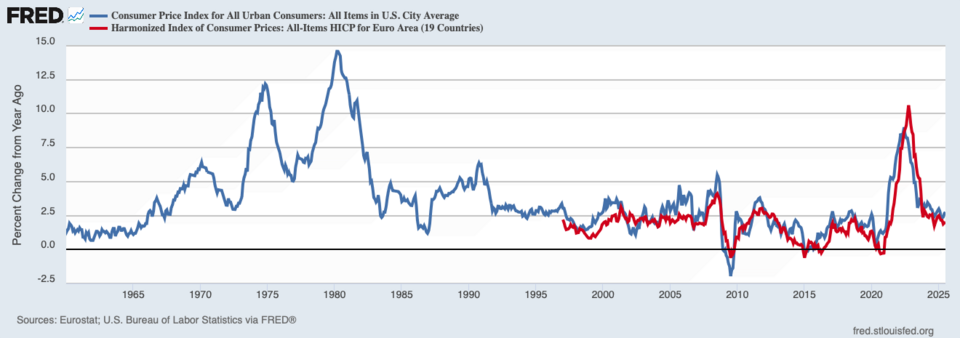
The Federal Reserve working paper on macro markets demonstrates that Kalshi’s CPI predictions outperform traditional consensus methods by 40% in accuracy. This statistical advantage translates directly to better inflation hedging decisions for traders. The research validates prediction markets as superior economic indicators, with Kalshi serving as a continuous “whisper” market during official data blackout periods.
Kalshi processed $5.8 billion in November 2025 alone, up from $300 million annualized, reflecting growing trader confidence in its forecasting accuracy. The platform’s CFTC regulation provides legitimacy that unregulated alternatives lack, while its binary settlement structure eliminates the complex pricing models required for traditional futures.
The Settlement Speed Advantage: Immediate Resolution vs Delayed Futures Payouts
Kalshi contracts settle immediately after CPI release, typically within minutes of the official announcement. Traditional futures require position squaring and daily mark-to-market calculations, creating delays that can impact capital turnover for active traders. This settlement speed difference represents a significant operational advantage for those managing multiple positions across different inflation instruments.
The immediate resolution also eliminates counterparty risk concerns that can arise with futures contracts, where settlement depends on clearinghouse processes and potential market disruptions. For retail traders with limited capital, knowing exactly when and how much they’ll receive provides crucial certainty for risk management.
Cost Comparison: Kalshi’s $0.01 Entry vs Futures’ $1,000+ Minimum
Kalshi’s $0.01 minimum contract price democratizes inflation trading, while traditional futures typically require $1,000+ in margin. The platform charges 0.2-0.5% per trade, significantly lower than futures commissions ($1-5 per contract) plus financing charges. This cost structure makes Kalshi particularly attractive for smaller traders testing inflation hedging strategies.
Hidden costs tell a different story though. Kalshi’s fees can be substantial on low-probability contracts, while futures spread costs and financing charges vary by broker. The lack of leverage on Kalshi means traders can’t amplify returns, but they also can’t face margin calls or forced liquidations during volatile market conditions (Analyzing market sentiment for 2026 midterm elections).
Risk Profile Comparison: Binary Outcomes vs Linear Price Movements
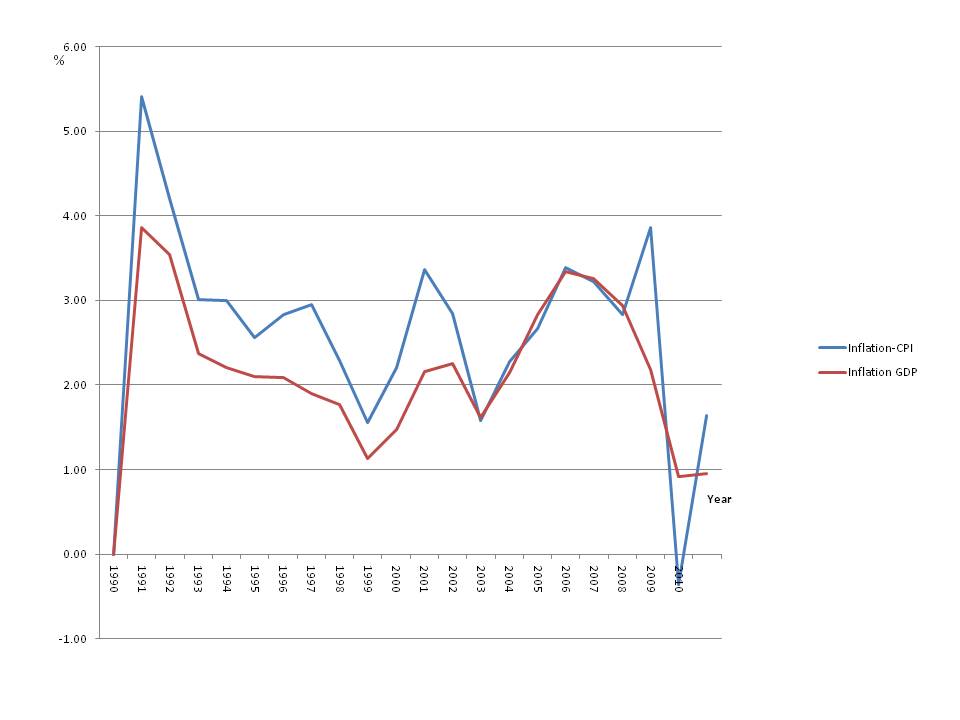
Kalshi’s binary settlement structure limits maximum risk to the contract purchase price, providing clarity that traditional futures cannot match. Futures positions can experience potentially unlimited losses in volatile markets, requiring sophisticated risk management strategies and constant monitoring. This fundamental difference in risk profile explains why retail traders are increasingly choosing Kalshi for inflation hedging, while platforms like Robinhood Event Contracts vs Kalshi compete for market share (Weather contracts for agriculture risk management 2026).
The binary nature also simplifies position sizing and portfolio allocation decisions. Traders know exactly how much they can lose before entering a position, eliminating the complex calculations required to determine appropriate futures contract sizes based on volatility and margin requirements (How to trade earnings announcements on Polymarket).
Tax Treatment Uncertainty: Section 1256 Status for Binary Contracts
Both Kalshi and traditional futures currently qualify for Section 1256 60/40 tax treatment, but the IRS has not provided definitive guidance on binary event contracts. This regulatory uncertainty creates planning challenges for traders who must prepare for potential changes in tax treatment. Traditional futures benefit from decades of established tax precedent, while Kalshi’s treatment remains somewhat ambiguous.
Traders with different income levels face varying implications. High-income traders may prefer the current 60/40 split that treats 60% of gains as long-term capital gains, while those in lower tax brackets might benefit from ordinary income treatment if regulations change. The lack of clarity requires careful record-keeping and tax planning flexibility.
Liquidity Analysis: $5.8 Billion November Volume vs Treasury Futures Markets
Kalshi’s $5.8 billion November 2025 volume represents remarkable growth from $300 million annualized, approaching $10 billion monthly across prediction markets. However, Treasury futures markets still offer superior liquidity for large institutional positions. The platform’s WebSocket API provides <50ms latency for real-time data, enabling automated trading strategies that were previously only possible in traditional futures markets. This liquidity growth mirrors trends in institutional liquidity in prediction markets (How to use prediction markets for supply chain forecasting).
Slippage potential varies significantly between platforms. Kalshi’s growing liquidity reduces execution costs for most retail-sized positions, but large orders can still move market prices. Traditional futures benefit from deep institutional participation, but retail traders often face higher spreads and less favorable execution prices due to their smaller order sizes.
API Integration: Automated Trading Capabilities for CPI Strategies
Kalshi’s WebSocket API with <50ms latency enables sophisticated automated trading strategies previously limited to traditional futures markets. The platform's real-time data feeds and straightforward settlement mechanics make it ideal for algorithmic approaches to CPI trading. Traditional futures API requirements and costs can be prohibitive for retail traders, creating a significant barrier to entry.
Building automated CPI trading strategies differs substantially between platforms. Kalshi’s binary outcomes simplify algorithm design, while futures require complex position sizing and risk management logic. The platform’s growing volume and improving liquidity make it increasingly viable for systematic trading approaches.
Decision Matrix: Which Platform Fits Your Trading Profile?
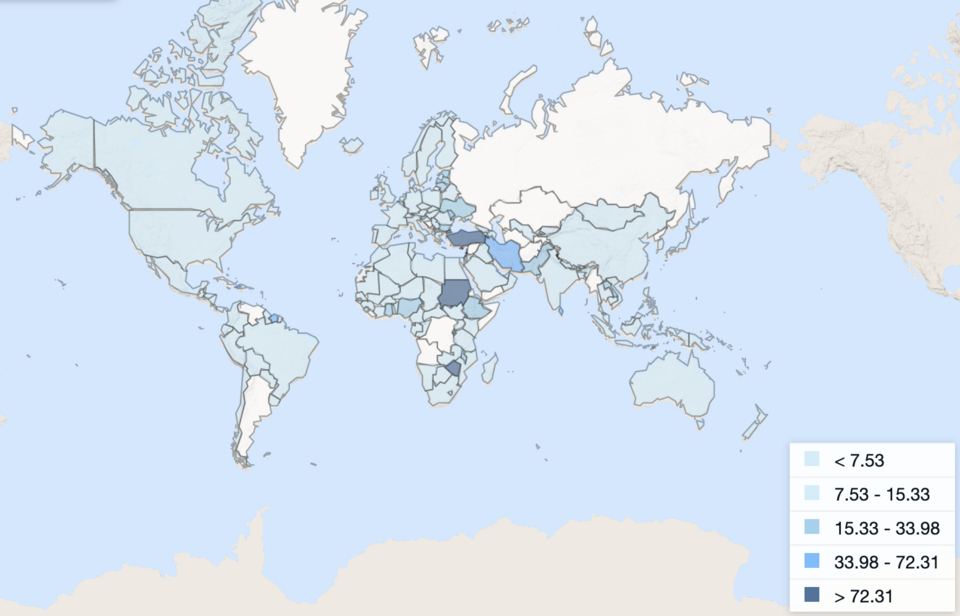
Capital requirements represent the most significant differentiator. Traders with under $10,000 should strongly consider Kalshi due to its $0.01 entry barrier and lack of margin requirements. Those with over $100,000 may benefit from traditional futures’ leverage and deeper liquidity for large positions. Risk tolerance also plays a crucial role, with Kalshi’s limited downside appealing to conservative traders.
Trading frequency impacts platform selection. Active scalpers may prefer Kalshi’s immediate settlement and lower per-trade costs, while position traders might benefit from futures’ leverage and established hedging relationships. Technical requirements matter too, with Kalshi’s API integration offering advantages for automated strategies.
When Traditional Futures Still Make Sense for CPI Trading
Large institutional positions requiring deep liquidity still favor traditional futures markets. Complex hedging strategies beyond binary outcomes, such as basis trading or calendar spreads, require the flexibility that futures provide. Existing futures trading infrastructure and expertise represent sunk costs that make switching to Kalshi less attractive for established traders.
The leverage available in futures markets remains unmatched by Kalshi’s structure. Traders comfortable with margin requirements and sophisticated risk management can achieve higher returns through leverage, though this comes with increased risk of significant losses. The choice ultimately depends on individual trading goals, capital constraints, and risk tolerance. For those interested in macroeconomic strategies, betting on Fed rate cuts with event contracts represents another approach to yield hunting.
The migration from traditional futures to Kalshi represents a fundamental shift in how retail traders approach inflation hedging. Federal Reserve research validating Kalshi’s superior accuracy, combined with its accessibility and simplified mechanics, positions it as the platform of choice for most retail traders. While traditional futures retain advantages for large institutions and complex strategies, Kalshi’s growth trajectory suggests it will continue capturing market share from conventional inflation trading instruments.