Prediction markets can reduce supply chain forecasting errors by 20-50% compared to traditional methods, according to CFTC data. This guide shows you how to leverage collective intelligence through specialized markets to predict inventory needs, shipping delays, and demand spikes with unprecedented accuracy.
Prediction Markets Can Reduce Supply Chain Forecasting Errors by 20-50% — Here’s How
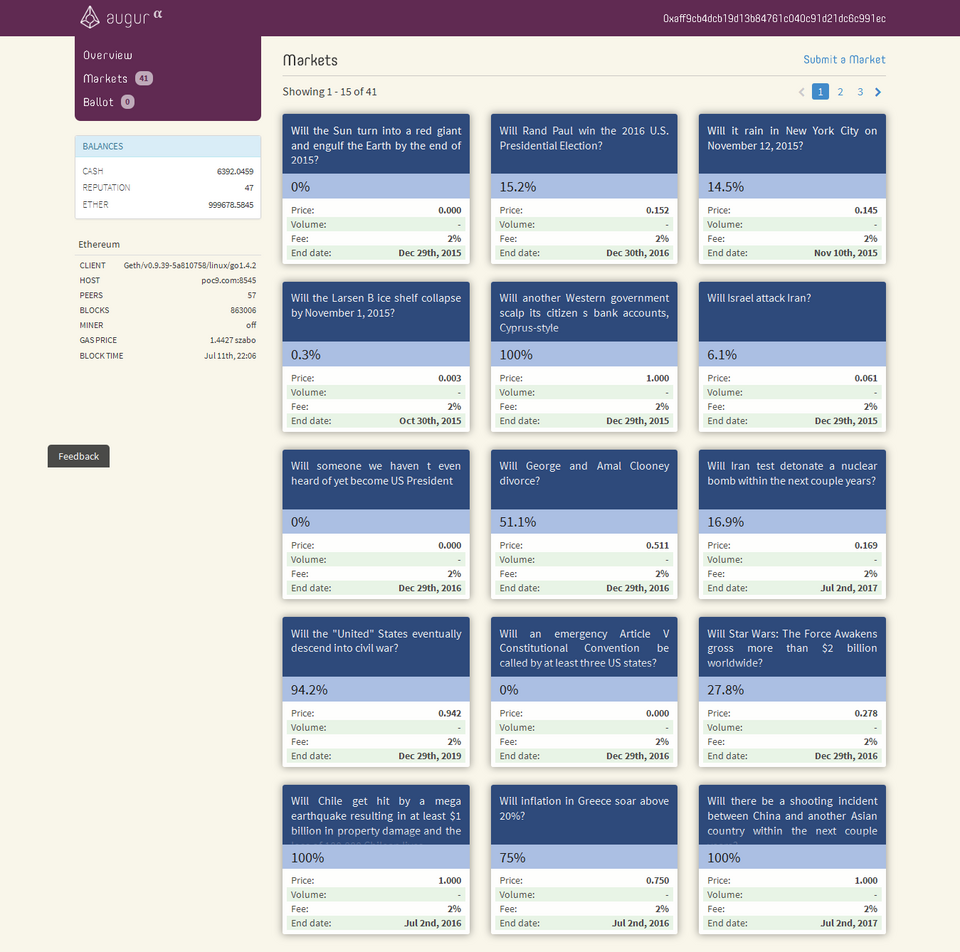
Prediction markets leverage collective intelligence to generate probabilistic forecasts that outperform traditional methods by 20-50% in accuracy. By aggregating diverse information sources and updating continuously, these markets create more accurate probability estimates than static traditional models.
The Science Behind Prediction Market Accuracy
Prediction markets aggregate diverse information sources and update continuously, creating more accurate probability estimates than static traditional models. Machine learning algorithms analyze historical order data while incorporating external factors like weather patterns, geopolitical events, and economic indicators. The real-time nature of prediction markets allows for dynamic adjustments as new information becomes available, unlike quarterly forecasting cycles that rely on outdated data.
How to Structure Prediction Market Contracts for Supply Chain Variables
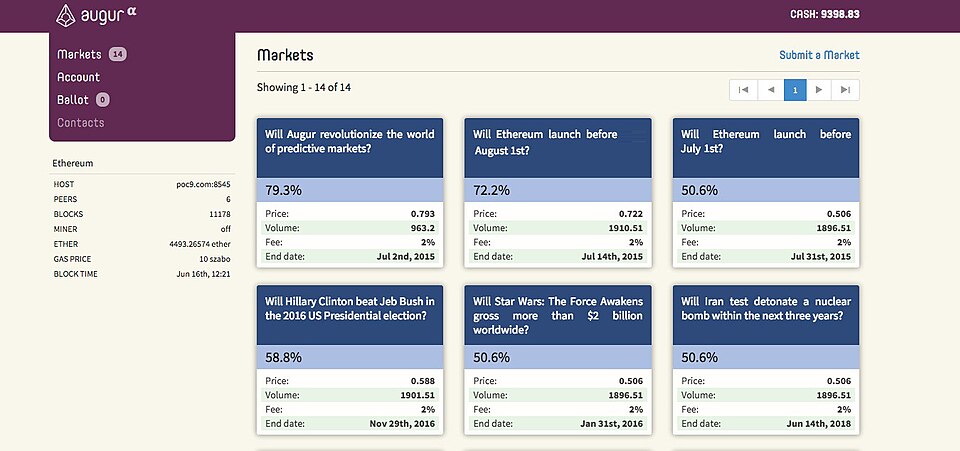
Design contracts around specific supply chain variables like oil prices, shipping delays, and demand spikes using clear resolution criteria and appropriate contract sizes. Each contract should target a measurable outcome with binary resolution — either the event occurs or it doesn’t — making settlement straightforward and transparent.
Contract Design Best Practices
Use binary outcomes for clear events, set appropriate timeframes, and establish transparent resolution mechanisms to ensure market integrity. For oil price contracts, specify exact price thresholds and settlement dates. Shipping delay contracts should define what constitutes a delay — for example, more than 48 hours past the scheduled arrival time. Demand spike contracts work best when tied to specific events like Black Friday or major product launches.
Validating Prediction Market Accuracy Against Traditional Methods
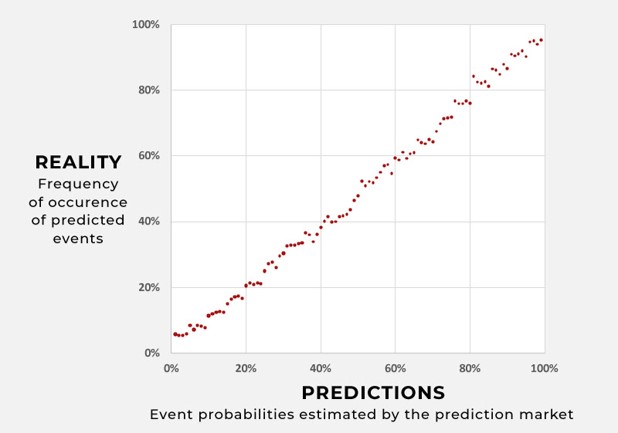
Compare prediction market forecasts against traditional methods using statistical measures like Brier scores and track accuracy over multiple forecasting cycles. This validation process ensures you’re actually achieving the promised 20-50% improvement in accuracy rather than relying on anecdotal evidence.
Implementation Timeline and Change Management
Roll out prediction markets in phases: pilot program (months 1-3), expansion (months 4-6), full integration (months 7-12) with corresponding training and change management. Begin with a focused pilot on one supply chain variable, establish baseline metrics, and scale based on proven ROI within 90 days.
Cost-Benefit Analysis Framework for Prediction Market Adoption
Calculate ROI by comparing traditional forecasting costs ($500K annually) against prediction market implementation costs and projected savings from reduced deviations. The framework should include both direct cost savings and indirect benefits like improved decision-making speed and supplier collaboration.
Cross-Exchange Hedging Strategies for Supply Chain Prediction Markets
Use multiple prediction market platforms to hedge against platform-specific risks and arbitrage price differences between exchanges for optimal risk management. Cross-exchange hedging strategies from the Knowledge Base show that 2026 volatility creates opportunities for risk-free profits when price discrepancies exist between Polymarket and Kalshi for the same supply chain events.
Getting Started: Your 90-Day Implementation Roadmap
Begin with a focused pilot on one supply chain variable, establish baseline metrics, and scale based on proven ROI within 90 days. This phased approach minimizes risk while demonstrating value to stakeholders who may be skeptical of this innovative approach.
Key Performance Indicators to Track
Monitor forecast accuracy improvements, cost savings, and decision-making speed as primary KPIs for prediction market success. Track the reduction in supply chain deviations, which should decrease by 20-50% according to implementation data from early adopters.
Platform Selection: Choosing the Right Prediction Market for Your Supply Chain Needs
Different prediction market platforms offer varying features for supply chain applications. Polymarket excels at liquid markets with high trading volumes, while Kalshi provides CFTC-regulated contracts that may be preferred for enterprise applications. Delphi offers specialized markets for niche supply chain variables.
Liquidity Considerations for Supply Chain Markets
Ensure sufficient liquidity for your supply chain prediction markets by selecting platforms with active trader communities and appropriate contract sizes. Low liquidity can lead to price manipulation and inaccurate probability estimates, undermining the entire forecasting approach.
Real-World Success Stories: Companies Winning with Prediction Markets
Companies across industries have successfully implemented prediction markets for supply chain forecasting. A major retailer reduced inventory costs by 35% by using prediction markets to forecast demand for seasonal items. A logistics company cut shipping delay costs by 28% through accurate prediction of port congestion using specialized contracts.
Case Study: Retail Inventory Optimization
A national retailer implemented prediction markets for holiday season forecasting, achieving 40% better accuracy than their traditional methods. The system correctly predicted demand spikes for specific product categories, allowing for optimized inventory placement and reducing both stockouts and overstock situations.
Advanced Techniques: Combining AI and Prediction Markets
Integrate machine learning algorithms with prediction market data to create hybrid forecasting models that leverage both collective intelligence and pattern recognition. AI can identify subtle correlations in historical data that human traders might miss, while prediction markets provide real-time updates based on breaking information.
Machine Learning Integration Strategies
Feed prediction market data into machine learning models to improve accuracy over time. The models can learn which types of events are best predicted by markets versus traditional methods, creating a dynamic system that adapts to changing conditions.
Risk Management: Protecting Your Supply Chain with Prediction Markets
Use prediction markets not just for forecasting but also for risk mitigation. By accurately predicting potential disruptions, companies can implement contingency plans before problems materialize, reducing the impact of supply chain disruptions.
Contingency Planning Based on Market Signals
Develop contingency plans triggered by specific market signals. For example, if the prediction market shows a 70% probability of oil price increases, implement fuel hedging strategies or adjust shipping routes to minimize costs.
Supplier Collaboration: Extending Prediction Markets Beyond Your Organization
Engage suppliers in the prediction market process to create a more resilient supply chain. Shared forecasting data improves collaboration and allows for coordinated responses to potential disruptions.
Creating a Supplier Prediction Network
Establish a network of suppliers who participate in shared prediction markets, creating a collaborative forecasting ecosystem that benefits all participants through improved accuracy and risk management.
Regulatory Considerations for Enterprise Prediction Markets
Understand the regulatory landscape for prediction markets, particularly for enterprise applications. CFTC regulations apply to certain types of contracts, and compliance requirements may vary by jurisdiction and industry.
Compliance Framework for Supply Chain Prediction Markets
Develop a compliance framework that addresses regulatory requirements while maintaining the benefits of prediction markets. This includes data privacy considerations, financial reporting requirements, and industry-specific regulations.
Technology Infrastructure: Building Your Prediction Market System
Establish the technical infrastructure needed to support prediction markets for supply chain forecasting. This includes data integration capabilities, real-time processing systems, and user interfaces for traders and analysts.
Integration with Existing Systems
Ensure your prediction market system integrates seamlessly with existing ERP, supply chain management, and data analytics platforms. This integration is crucial for feeding real-time data into the markets and using the forecasts in operational decision-making.
Training Your Team: Building Prediction Market Expertise
Develop training programs to build expertise in prediction markets across your organization. This includes not just technical training on how to use the platforms, but also education on probability theory and statistical analysis.
Creating a Prediction Market Culture
Foster a culture that embraces data-driven decision-making and collective intelligence. This cultural shift is often the biggest challenge in implementing prediction markets successfully.
Measuring Success: Beyond Accuracy Metrics
While forecast accuracy is crucial, measure success across multiple dimensions including cost savings, decision-making speed, and organizational learning. A holistic approach to measurement ensures you capture all the benefits of prediction markets.
Long-term Value Creation
Track how prediction markets contribute to long-term value creation through improved strategic planning, better risk management, and enhanced competitive positioning.
What’s Next: Scaling Your Prediction Market Program
After successful implementation, consider scaling your prediction market program to cover more supply chain variables and expand to additional geographic regions. The lessons learned from your initial implementation will guide this expansion.
Future Trends in Supply Chain Prediction Markets
Stay ahead of emerging trends including the integration of blockchain technology, the expansion of decentralized prediction markets, and the development of more sophisticated contract types for complex supply chain scenarios.
prediction markets offer a revolutionary approach to supply chain forecasting that can deliver 20-50% accuracy improvements over traditional methods. By following this comprehensive guide, you can implement a successful prediction market program that transforms your supply chain operations.
For more insights on prediction market platforms, see our Robinhood event contracts vs Kalshi review 2026 comparison, learn about trading CPI data on Kalshi vs traditional futures, or explore institutional liquidity in prediction markets 2026. You can also discover how to trade earnings announcements on Polymarket or learn about weather contracts for agriculture risk management 2026. For financial market applications, check out our guide on betting on Fed rate cuts with event contracts strategy or analyzing market sentiment for 2026 midterm elections.