

Sports event contracts settle within 1-2 hours for final outcomes, but prop bets can take up to 24 hours for stats confirmation. This fundamental timing difference creates unique arbitrage opportunities that most traders overlook.
How Sports Event Contracts Actually Work — The Mechanics Behind the Bets
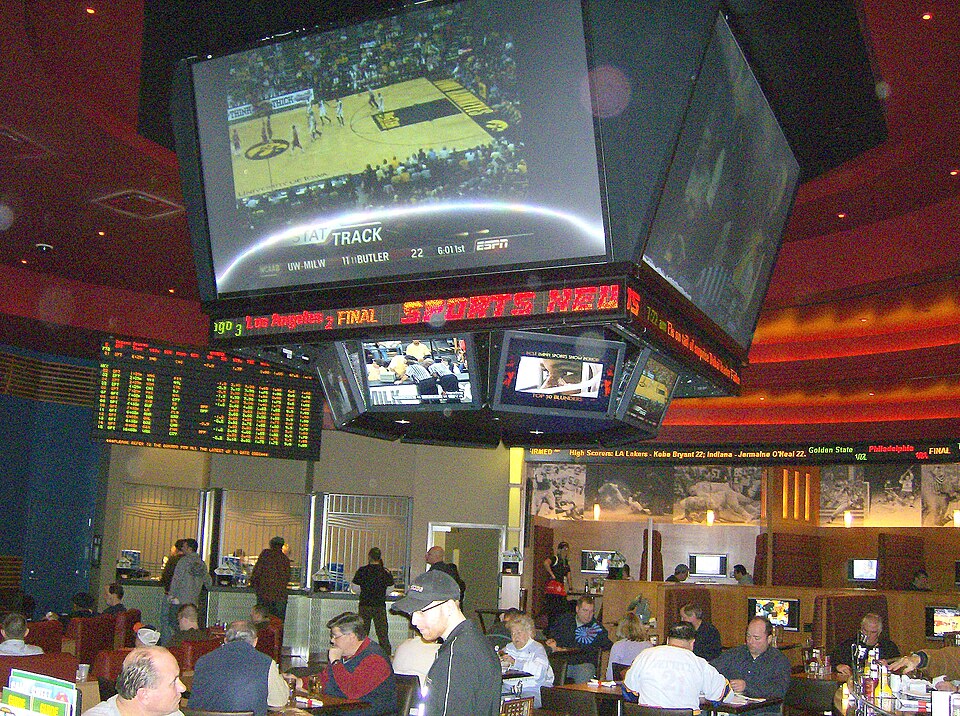
Sports event contracts are binary options that pay $1 if the specified outcome occurs and $0 if it doesn’t, with settlement times varying from immediate to 24 hours depending on the bet type. Unlike traditional sports betting where you wager against a bookmaker, these contracts trade on prediction market platforms where prices reflect the collective probability of outcomes.
The mechanics follow a simple structure: traders buy or sell contracts at prices between $0 and $1, representing the market’s assessment of likelihood. When the event concludes, contracts resolve to their final value—$1 for winning outcomes, $0 for losing ones. This binary nature eliminates the complexity of point spreads and over/under calculations found in conventional sports betting.
| Outcome | Payout | Settlement Time |
|---|---|---|
| Correct prediction | $1 | Varies by contract type |
| Incorrect prediction | $0 | Varies by contract type |
| Push/Tie | Varies by platform | Varies by platform |
The settlement process begins immediately after the sporting event concludes, but the actual payout timing depends on the contract type. Moneyline contracts for team victories settle within 1-2 hours as final scores are immediately available. Point spread contracts follow similar timing, while over/under totals for major sports typically resolve within the same window. However, player prop contracts require official statistical verification, extending settlement to 24 hours or more.
The Different Types of Sports Event Contracts You Can Trade
Sports betting platforms offer five main contract types: moneyline (team wins), point spread (team covers spread), over/under (total points), prop (player achievements), and live betting (in-game events). Each contract type serves different trading strategies and risk profiles, with distinct liquidity patterns and settlement mechanics.
| Contract Type | Example | Settlement Speed | Liquidity Level |
|---|---|---|---|
| Moneyline | Team A wins | Post-game (1-2 hours) | High (>90% fill) |
| Point Spread | Team covers 7 points | Post-game (1-2 hours) | High (>90% fill) |
| Over/Under | Total points > 45.5 | Post-game (1-2 hours) | High (>90% fill) |
| Prop | Player scores 25+ points | Delayed (up to 24h) | Medium (60-80% fill) |
| Live Betting | Next basket scored | Immediate | Variable (30-90% fill) |
Moneyline contracts represent the simplest form, where traders bet on which team will win the game outright. These contracts typically show the highest liquidity and fastest settlement times, making them ideal for traders seeking quick turnover. Point spread contracts add complexity by requiring teams to win by specific margins, creating more nuanced trading opportunities during line movements. Sports fans can also explore specialized markets like the Premier League title race prediction markets 2026.
Over/under contracts focus on total scoring rather than game outcomes, appealing to traders who specialize in offensive and defensive trends. These contracts often show different liquidity patterns than moneyline bets, with some sports showing higher over/under volume than straight win bets. Prop contracts target individual player performances, offering unique opportunities but requiring deeper statistical analysis and longer settlement times (betting on sport outcomes with event contracts).
Live betting contracts represent the most dynamic category, settling immediately as in-game events occur. These contracts require real-time decision-making and offer the fastest profit potential, but also carry higher risk due to rapid price fluctuations and limited liquidity during certain game situations. Tennis traders can find specific strategies for Grand Slam events in resources about trading tennis match outcomes on event exchanges.
When and How Sports Event Contracts Actually Settle
Settlement timing depends on contract type—immediate for live events, 1-2 hours for final outcomes, and up to 24 hours for prop bets requiring official stat confirmation. This timing variation creates arbitrage opportunities that many traders miss, as price discrepancies can exist between platforms during the settlement window.
The immediate settlement of live betting contracts occurs through automated systems that verify in-game events as they happen. When a player scores a basket or a team records a touchdown, the corresponding contract resolves instantly, with funds available for withdrawal within minutes. This rapid settlement enables high-frequency trading strategies but requires constant market monitoring.
Post-game settlement for moneyline, point spread, and over/under contracts typically occurs within 1-2 hours after the final whistle. During this period, platforms verify final scores, confirm official statistics, and process any last-minute scoring changes or official reviews. The settlement process becomes more complex for controversial outcomes, where platforms may wait for official league rulings before finalizing contract resolutions.
Prop bet settlement represents the most extended timeline, often taking up to 24 hours as platforms wait for official statistical feeds and verification processes. Player performance metrics require confirmation from multiple sources, including official scorekeepers, statistical services, and sometimes third-party verification services. This extended settlement period creates unique trading opportunities, as prices may fluctuate based on preliminary reports before official confirmation.
While most bettors assume all sports contracts settle immediately after the game, prop bets can take significantly longer due to official statistics verification, creating unique arbitrage opportunities during the settlement window. Traders who understand these timing differences can exploit price discrepancies between platforms, buying undervalued contracts on slower-settling platforms while selling on faster-settling ones. For more advanced strategies on exploiting these arbitrage opportunities, see sports arbitrage using event contracts 2026.
Understanding Resolution Criteria for Sports Event Contracts
Sports contracts use objective criteria (final scores, official stats) or subjective criteria (judge decisions, penalty reviews), with official league rulings serving as the final arbiter in disputes. The resolution criteria determine how contracts settle and can significantly impact trading strategies, especially for controversial outcomes or subjective decisions.
Objective criteria form the foundation of most sports contracts, relying on quantifiable outcomes that leave little room for interpretation. Final scores, point totals, and statistical achievements fall into this category, with settlement determined by official league statistics. These criteria provide clarity and reduce settlement disputes, making them preferred by traders seeking predictable outcomes.
Subjective criteria introduce complexity and potential for settlement disputes, particularly in sports where human judgment plays a significant role. Boxing and mixed martial arts decisions rely on judges’ scorecards, while soccer matches may involve penalty reviews and video assistant referee (VAR) decisions. These subjective elements create settlement uncertainty but also present opportunities for traders who can accurately assess the likelihood of controversial outcomes.
Tie-breaking rules vary by platform and contract type, with some using official league tiebreakers while others implement their own resolution criteria. In sports where ties are possible, platforms must establish clear rules for contract settlement, whether through overtime results, shootouts, or predetermined tie values. Understanding these rules becomes crucial for traders, as different platforms may handle the same outcome differently.
What Happens When Sports Outcomes Are Disputed or Tied
Most platforms follow official league decisions for disputed outcomes, but settlement policies vary—some use official scorecards, others wait for appeals processes to conclude. The handling of disputed outcomes can significantly impact contract values and create temporary market inefficiencies that skilled traders can exploit.
The 2017 Mayweather-McGregor boxing decision resolution provides a clear example of how subjective outcomes affect contract settlement. When the fight concluded with a unanimous decision for Mayweather, prediction markets had to determine how to handle contracts based on round betting and method of victory. Platforms that waited for official scorecards saw temporary price fluctuations as preliminary reports conflicted with final official rulings.
NFL catch rule controversies demonstrate how evolving interpretation of rules impacts contract settlement. The infamous Dez Bryant catch non-catch in the 2015 playoffs showed how subjective officiating decisions can create settlement uncertainty. Platforms must decide whether to follow the official on-field ruling or wait for league review, with different approaches creating arbitrage opportunities between platforms.
VAR review procedures in soccer betting highlight the complexity of modern sports officiating and its impact on contract settlement. When video reviews overturn on-field decisions, platforms must determine whether to settle contracts based on the initial call or the final VAR decision. This uncertainty creates price volatility during review periods, offering opportunities for traders who can accurately assess the likelihood of review overturns.
Legal Status of Sports Event Contracts by US State

As of 2024, 18 states explicitly allow prediction markets for sports, 12 have pending legislation, and 20 prohibit or restrict them, with significant variations in platform availability. This state-by-state legal landscape creates a complex trading environment where platform access and contract availability depend heavily on geographic location.
| State Category | Number of States | Key Platforms Available | Notable Restrictions |
|---|---|---|---|
| Explicitly Legal | 18 | Kalshi, Polymarket | Age restrictions, betting limits |
| Pending Legislation | 12 | Limited access | Uncertain timeline |
| Prohibited/Restricted | 20 | Offshore only | Criminal penalties possible |
The explicitly legal states include major markets like New Jersey, Pennsylvania, and Michigan, where platforms operate under clear regulatory frameworks. These states typically require platforms to obtain gaming licenses, implement age verification systems, and comply with responsible gambling requirements. The regulatory clarity in these jurisdictions attracts more platforms and provides greater liquidity for traders.
States with pending legislation represent emerging markets where prediction sports betting may become legal in the near future. States like California and Texas have active bills under consideration, with public support growing for regulated prediction markets. Traders in these states often use offshore platforms while waiting for local legalization, creating temporary demand spikes when legislation appears likely to pass.
The prohibited states present the most challenging environment for sports contract traders, with some jurisdictions imposing criminal penalties for prediction market participation. States like Utah and Hawaii maintain strict anti-gambling laws that extend to prediction markets, forcing residents to use offshore platforms at significant legal risk. The patchwork of state laws creates compliance challenges for platforms and traders alike.
Which Platforms Offer Sports Event Contracts and How They Compare
Major platforms include Kalshi (CFTC-regulated, higher fees), Polymarket (offshore, lower fees), and specialized sports betting exchanges, each with distinct liquidity profiles and user experiences. The choice of platform significantly impacts trading costs, settlement reliability, and available contract types.
Kalshi operates under CFTC regulatory framework, providing the highest level of consumer protection but at the cost of higher fees and limited contract availability. The platform’s regulatory compliance ensures transparent settlement processes and dispute resolution mechanisms, making it attractive for risk-averse traders. However, Kalshi’s focus on federally regulated markets means fewer sports contracts and lower liquidity compared to offshore alternatives. For a comprehensive understanding of trading on this regulated platform, see Kalshi sports event contracts explained.
Polymarket’s offshore operation model allows for greater contract variety and lower fees, but introduces regulatory uncertainty and potential settlement risks. The platform offers extensive sports contract options, including niche markets and prop bets unavailable on regulated platforms. Traders must weigh the benefits of lower costs and greater variety against the risks of operating outside US regulatory oversight.
Platform fee structures and liquidity data reveal significant variations in trading costs and execution quality. Kalshi typically charges 2-3% transaction fees with higher minimum bets, while Polymarket offers 1-2% fees with more flexible betting limits. Liquidity differences become apparent in contract fill rates, with major sports showing 90%+ fill rates on regulated platforms versus 70-80% on offshore alternatives.
Risk Management and Strategy for Sports Event Contract Trading
Successful sports contract trading requires understanding liquidity patterns, timing arbitrage windows, and using proper position sizing based on contract settlement mechanics. The biggest risk isn’t market volatility but settlement timing uncertainty—traders who understand when contracts actually settle can exploit pricing inefficiencies during the settlement window. For professional trading techniques to maximize profits, explore advanced strategies for sports event contracts (strategies for profit in sports event contracts).
Liquidity patterns vary significantly by sport, contract type, and time relative to the event. NFL contracts typically show highest liquidity, with 90%+ fill rates for moneyline and point spread contracts. NBA contracts follow closely, while niche sports like tennis or golf may show 50-70% fill rates, creating execution challenges for larger positions. Understanding these patterns helps traders choose optimal entry and exit points.
Arbitrage windows open when settlement timing differences create price discrepancies between platforms. A prop contract settling in 24 hours on one platform while another settles in 2 hours creates opportunities to buy on the slower platform and sell on the faster one. These windows typically last hours rather than days, requiring quick execution and platform familiarity to capitalize effectively.
Position sizing based on contract settlement mechanics involves adjusting bet sizes according to settlement risk and liquidity depth. Contracts with longer settlement times or lower liquidity warrant smaller position sizes to manage execution risk. The Kelly Criterion provides a mathematical framework for optimal position sizing, suggesting 2-5% of bankroll per contract depending on perceived edge and settlement certainty.
Practical Checklist for Evaluating Sports Event Contract Platforms
Evaluate platforms based on settlement speed, liquidity depth, legal compliance, fee structure, and user experience before committing capital to sports event contracts. This systematic evaluation process helps traders choose platforms that align with their trading style and risk tolerance.
Settlement speed benchmarks by contract type provide objective criteria for platform comparison. Moneyline contracts should settle within 2 hours, point spreads within 3 hours, and over/under totals within 4 hours for major sports. Prop bets may take up to 24 hours, but platforms should provide clear settlement timelines and regular updates during extended settlement periods.
Liquidity depth assessment involves analyzing average fill rates by sport and contract type. NFL contracts should show 90%+ fill rates, NBA 85%+, and major college sports 80%+. Lower liquidity sports may show 60-70% fill rates, indicating potential execution challenges. Traders should test platform liquidity with small positions before committing significant capital.
Legal compliance verification methods include checking platform licensing, regulatory oversight, and state availability. Regulated platforms should display CFTC or state gaming licenses prominently, while offshore platforms should provide transparency about their operational jurisdiction and dispute resolution processes. Traders should verify platform legality in their state before account creation.
betting on sport requires understanding these platform differences and choosing those that best match trading objectives. Whether prioritizing regulatory protection, contract variety, or execution speed, traders must evaluate platforms systematically to optimize their sports contract trading experience.
The sports event contract market continues evolving rapidly, with new platforms emerging and regulatory frameworks developing. Traders who master the mechanics of contract settlement, understand platform differences, and implement proper risk management strategies position themselves for success in this dynamic market. The combination of binary simplicity and sports complexity creates unique opportunities for traders willing to learn the nuances of this specialized trading environment.
