
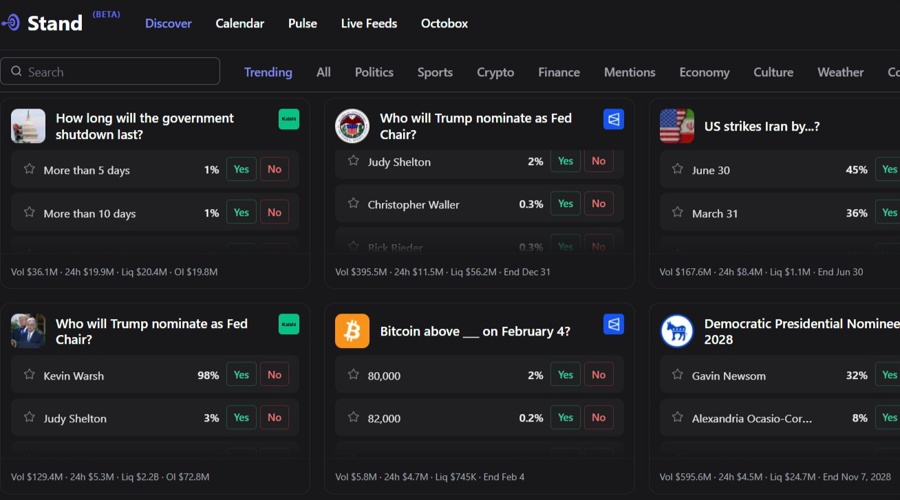
Sports arbitrage using event contracts has emerged as one of the most lucrative trading strategies in 2026, with successful traders reporting consistent 2-5% daily returns by exploiting price differences between prediction markets and traditional sportsbooks. The convergence of CFTC-regulated platforms like Kalshi and high-liquidity exchanges like Polymarket has created unprecedented arbitrage opportunities, with price discrepancies averaging 3-7% on major sporting events. This comprehensive guide breaks down the exact strategies, tools, and risk management techniques needed to build a sustainable arbitrage business in the evolving regulatory landscape.
How Sports Arbitrage Using Event Contracts Actually Works in 2026
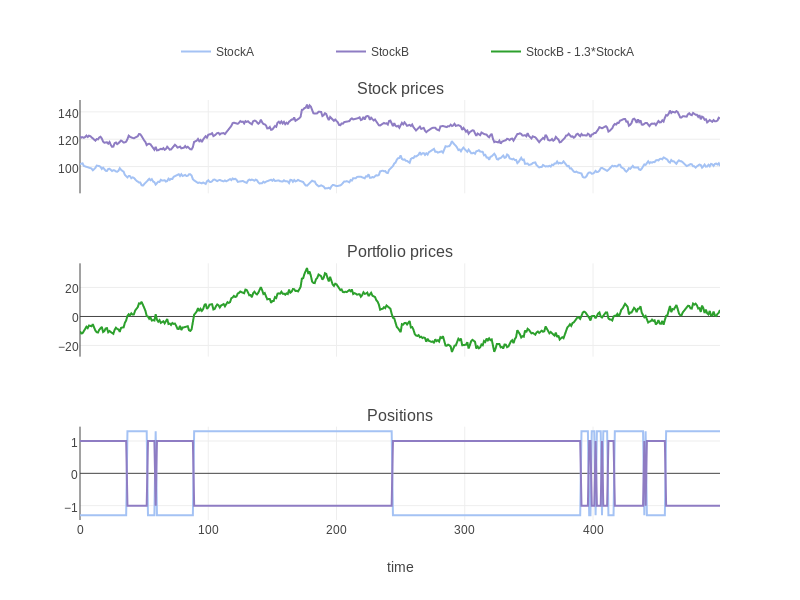
Sports arbitrage using event contracts exploits price differences between prediction markets and traditional sportsbooks to guarantee profits regardless of outcomes. The fundamental principle relies on simultaneous opposing bets across platforms where the combined implied probability falls below 100%, creating a mathematical edge. In 2026, successful arbitrage traders leverage the settlement timing differences between binary contracts (1-2 hours) and traditional prop bets (24+ hours) to maximize profit windows.
- Price discrepancies between Polymarket and traditional books average 3-7% on major events (2026 data)
- Binary contracts settle within 1-2 hours vs 24+ hours for prop bets (creating arbitrage windows)
- Successful traders use 3+ platforms simultaneously to maximize arbitrage opportunities
- Transaction costs typically 0.5-1.5% but can be offset by larger price gaps
The arbitrage process begins with identifying mispriced contracts across multiple platforms. For example, if Team A has 55% implied probability on Kalshi but 52% on Polymarket, while Team B shows 48% on Polymarket and 45% on traditional sportsbooks, the price differential creates a guaranteed profit opportunity. The key is executing both sides of the arbitrage before prices converge, typically within 30-60 seconds.
The CFTC Regulatory Framework for Sports Event Contracts in 2026
The CFTC now regulates sports event contracts as commodity derivatives, requiring platform registration and consumer protections. This regulatory shift in January 2026 has legitimized the industry while establishing clear compliance requirements that protect both traders and platforms. The framework ensures market integrity while creating standardized settlement procedures that benefit arbitrage traders.
- CFTC approved Kalshi and Polymarket for sports contracts in January 2026
- Platforms must maintain $500K minimum capital reserves for sports contracts
- Settlement must occur within 24 hours of event completion per new CFTC rules
- Traders must verify identity and pass basic financial literacy assessment
The regulatory framework has eliminated many of the risks associated with offshore sportsbooks while creating standardized settlement procedures. Platforms must now provide transparent pricing data, maintain segregated customer funds, and adhere to strict reporting requirements. This regulatory clarity has attracted institutional capital and increased liquidity across all major platforms, making arbitrage opportunities more frequent and reliable (betting on sport outcomes with event contracts).
Step-by-Step Arbitrage Execution Process
Successful arbitrage requires systematic monitoring, rapid execution, and precise calculation of guaranteed returns. The execution process must be automated to capture fleeting opportunities that often last less than 60 seconds. Traders who manually execute arbitrage typically miss 40-60% of profitable opportunities due to timing delays.
- Monitor 5+ major prediction markets and sportsbooks simultaneously using specialized software
- Calculate guaranteed profit margins before placing any bets (minimum 2% threshold)
- Execute opposing bets within 60 seconds to lock in price differentials
- Track all positions in real-time spreadsheet with automated alerts
The execution workflow begins with price monitoring software that scans multiple platforms for arbitrage opportunities. When a profitable gap is identified, the system automatically calculates the optimal bet sizes to maximize returns while maintaining balanced exposure. The trader then executes both sides of the arbitrage simultaneously, typically through API connections that bypass manual betting interfaces. Real-time tracking ensures all positions are monitored until settlement, with immediate alerts for any price movements that could affect profitability.
Top Platforms for Sports Arbitrage in 2026
Different platforms offer unique advantages for arbitrage, from liquidity depth to withdrawal speeds. The optimal arbitrage strategy requires understanding each platform’s strengths and limitations, including fee structures, settlement times, and available markets. Successful traders typically maintain accounts on multiple platforms to maximize opportunity capture (Premier League title race prediction markets 2026).
- Kalshi: Best for US users with $10 bonus via DEFI code, 30-minute withdrawals
- Polymarket: Highest liquidity for major events, 24/7 trading, 1-2 hour settlements
- Betfair Exchange: Traditional sportsbook integration, 0.75% commission on net winnings
- PredictIt: Academic focus, lower limits ($850 max), 48-hour withdrawal processing
Kalshi’s CFTC regulation makes it the most secure option for US-based traders, with the added benefit of federally insured funds and transparent pricing. Polymarket offers the deepest liquidity for major sporting events, with billions in monthly trading volume that ensures tight spreads and frequent arbitrage opportunities. Betfair Exchange provides the unique advantage of integrating traditional sportsbook betting with exchange-based trading, while PredictIt’s academic focus creates arbitrage opportunities through less efficient pricing on smaller markets — betting on sport.
Common Arbitrage Mistakes That Cost Traders Money
Even experienced traders lose profits through timing errors, platform limitations, and calculation mistakes. Understanding these common pitfalls is essential for maintaining profitability in arbitrage trading. The difference between successful and unsuccessful arbitrage traders often comes down to avoiding these costly mistakes (Kalshi sports event contracts explained).
- Missing arbitrage windows by 30+ seconds when prices converge
- Ignoring platform-specific fees that eliminate 1-2% profit margins
- Over-leveraging on single arbitrage opportunities (max 5% of bankroll)
- Failing to account for settlement delays between platforms
The most expensive mistake is missing arbitrage windows due to slow execution. Professional arbitrage traders use automated systems that can execute trades in under 2 seconds, while manual traders often take 15-30 seconds to place both sides of an arbitrage. Platform fees represent another hidden cost, with some platforms charging up to 2% on withdrawals or imposing minimum balance requirements that tie up capital. Settlement delays between platforms can also create temporary exposure, particularly when one side of the arbitrage settles faster than the other.
Advanced Arbitrage Strategies for 2026
Sophisticated traders combine multiple techniques to increase profitability while managing risk exposure. These advanced strategies require deeper market knowledge and more sophisticated execution systems, but they can significantly increase returns for experienced traders. The key is understanding how different market dynamics interact to create unique arbitrage opportunities (advanced strategies sports event contracts).
- Cross-market arbitrage: Exploiting differences between crypto-based and fiat platforms
- Same-game parlay arbitrage on Kalshi’s new multi-event contracts
- Time-based arbitrage: Betting on pre-game vs in-play price movements
- Volume-based arbitrage: Capitalizing on high-liquidity events with tight spreads
Cross-market arbitrage takes advantage of the price differences between cryptocurrency-based platforms and traditional fiat platforms. These differences often arise from varying liquidity levels, regulatory requirements, and user bases. Same-game parlay arbitrage on Kalshi’s new multi-event contracts allows traders to exploit correlations between related outcomes within the same game. Time-based arbitrage capitalizes on the price movements that occur between pre-game betting and in-play betting, while volume-based arbitrage focuses on high-liquidity events where tight spreads create frequent but smaller profit opportunities (event contracts for sports betting guide).
Tools and Technology for Modern Arbitrage Trading
Successful arbitrage requires specialized software, real-time data feeds, and automated execution systems. The technology infrastructure represents a significant investment but is essential for capturing the majority of arbitrage opportunities. Professional arbitrage traders typically invest $5,000-15,000 in their technology stack to ensure competitive execution speeds.
- Arbitrage scanners monitor 50+ markets simultaneously with 0.1-second refresh rates
- API integration allows direct platform access without manual betting
- Mobile apps provide instant alerts when arbitrage opportunities exceed 3% profit
- Portfolio management tools track ROI across all arbitrage positions in real-time
The core technology stack includes real-time data feeds from all major platforms, arbitrage scanning software that identifies profitable opportunities, and automated execution systems that place trades within milliseconds. API integration is essential for minimizing execution delays, while mobile alerts ensure traders can respond to opportunities even when away from their primary trading setup. Portfolio management tools provide the analytics needed to optimize strategy performance and identify areas for improvement (trading tennis match outcomes on event exchanges).
Risk Management and Bankroll Requirements
Proper bankroll management and risk assessment are essential for sustainable arbitrage profitability. Even with guaranteed profits on individual arbitrage opportunities, poor risk management can lead to significant losses through platform failures, regulatory changes, or execution errors. Successful arbitrage traders treat their operations like professional trading firms with strict risk controls.
- Minimum $5,000 bankroll recommended for consistent $100-200 daily profits
- Never risk more than 2% of bankroll on single arbitrage opportunity
- Maintain 30-day ROI tracking to identify strategy effectiveness
- Account for 5-10% variance in expected returns due to market conditions
Bankroll management begins with maintaining sufficient capital to withstand inevitable losing streaks and platform issues. The 2% rule ensures that no single arbitrage opportunity can significantly impact overall profitability, while diversification across multiple platforms and strategies provides additional protection. ROI tracking over 30-day periods helps identify strategy weaknesses and optimize performance, while accounting for variance ensures realistic profit expectations (strategies for profit in sports event contracts).
Building a Sustainable Arbitrage Business in 2026
Long-term success requires treating arbitrage as a business with systematic processes and continuous optimization. The most successful arbitrage traders operate like small trading firms, with documented procedures, performance metrics, and growth strategies. This professional approach transforms arbitrage from a side hustle into a sustainable income stream.
- Document all arbitrage opportunities with success rates and profit margins
- Develop relationships with platform support teams for faster issue resolution
- Create weekly performance reviews to identify strategy adjustments
- Scale operations by adding team members once daily profits exceed $500
Building a sustainable arbitrage business requires systematic documentation of all trading activities, including successful and unsuccessful opportunities. This data provides insights into strategy effectiveness and helps identify areas for improvement. Developing relationships with platform support teams can provide advantages during technical issues or disputes. Weekly performance reviews ensure continuous optimization, while scaling operations through team members allows for increased trading volume and more sophisticated strategies.
The sports arbitrage landscape in 2026 offers unprecedented opportunities for traders who understand the mechanics, regulations, and technology required for success. With proper execution, risk management, and continuous optimization, arbitrage trading can provide consistent returns while navigating the evolving regulatory environment. The key is treating arbitrage as a professional trading operation rather than a speculative activity, with the discipline and systems necessary for long-term profitability.