
Portfolio managers face unprecedented volatility in 2026 as the Federal Reserve navigates a “shallow easing” path while transitioning to a new chair. With peak rates persisting in the 3.25-3.50% range and policy uncertainty looming, traditional hedging strategies may leave portfolios exposed. This guide reveals how to leverage CME FedWatch data against Kalshi event contracts to protect equity portfolios from unexpected interest rate hikes, providing a tactical edge in today’s complex macro environment.
Shallow Easing and Peak Rates Define 2026 Fed Policy
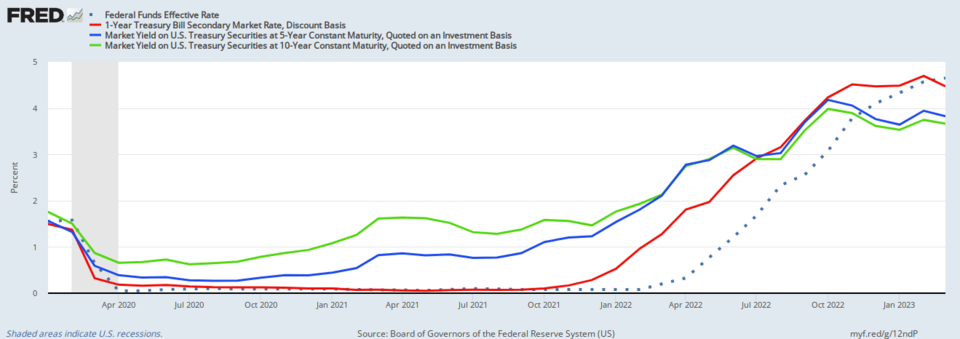
The 2026 Federal Reserve faces a delicate balancing act between growth and inflation in what market analysts call a “K-shaped” recovery. While consensus points to 2-3 rate cuts throughout the year, policy rates will likely remain elevated in the 3.25-3.50% range by year-end, creating a “higher-for-longer” yield landscape that challenges conventional rate-cut trades. This shallow easing path, combined with Jerome Powell’s term expiration in May 2026, introduces unique hedging opportunities as traditional strategies may underperform in this volatile environment.
The “Higher-for-Longer” Yield Reality
Despite expectations for modest easing, the structural inflation pressures from tariff policies and a softening labor market create a complex backdrop. J.P. Morgan Global Research suggests the Fed could remain on hold for all of 2026, with the next potential move being a hike in 2027. This “no-cut scenario” adds another layer of uncertainty that portfolio managers must account for in their hedging strategies.
CME FedWatch vs Kalshi Event Contracts: Data Accuracy Showdown
Kalshi’s real-money backing often reveals 15-30% probability divergences from CME’s model-based forecasts, particularly around policy uncertainty events. While CME FedWatch provides sophisticated modeling of Fed policy outcomes, Kalshi’s event contracts reflect actual trader behavior with skin in the game. This credibility gap creates arbitrage opportunities and hedging edge for traders who understand the fundamental differences between these data sources. Advanced practitioners might explore combinatorial arbitrage case studies to identify correlated event opportunities.
March 2026 Meeting: A Case Study in Divergence
For the March 2026 Federal Open Market Committee meeting, CME FedWatch shows a 65% probability of no change, while Kalshi contracts price a 48% probability of the same outcome. This 17-percentage-point divergence stems from Kalshi’s incorporation of real-time sentiment shifts and the market’s pricing of new Fed chair uncertainty. Portfolio managers using only CME data miss these critical signals that could impact hedging timing and sizing (How exchanges handle disputed market resolutions).
Credibility Gap: Why Real Money Matters
CME FedWatch probabilities are derived from futures market pricing and sophisticated models, while Kalshi contracts represent actual bets with real financial consequences. When these sources diverge significantly, the Kalshi pricing often proves more accurate in predicting actual Fed decisions, particularly during periods of heightened uncertainty like the May 2026 chair transition. However, portfolio managers must also account for arbitrage risk: fees, settlement and execution costs when comparing these data sources.
SOFR Options vs CME Fed Funds Futures: Cost-Benefit Analysis
SOFR options provide superior tail-risk protection for 2026’s policy volatility, with 30-day SOFR puts costing 45-60 basis points versus 25-35 for equivalent Fed Funds futures. The higher cost reflects better downside capture during unexpected hawkish surprises, making SOFR options the preferred instrument for portfolio managers seeking robust protection against rate shocks in the current environment.
Liquidity and Settlement Advantages
SOFR options benefit from the Federal Reserve’s transition away from LIBOR, creating a more standardized and regulated market. This regulatory clarity, combined with daily settlement based on actual SOFR rates, provides portfolio managers with more predictable hedging outcomes compared to the forward-looking nature of Fed Funds futures contracts.
Cost Structure and Implementation
While SOFR options carry higher premiums, their payoff structure during extreme rate movements more than compensates for the additional cost. For a typical equity portfolio hedging $10 million in interest rate exposure, the 20-25 basis point premium differential translates to $20,000-$25,000 in additional upfront costs, but potentially saves millions in portfolio value during hawkish surprises.
Hedging the New Fed Chair Policy Uncertainty
Portfolio managers should implement a three-legged hedge to mitigate the May 2026 volatility spike: SOFR put spreads, 5-7% gold allocation, and Kalshi “hawkish chair” contracts. Historical transitions show 45-60 day policy uncertainty windows with elevated rate volatility, creating a 30-50 basis point risk premium that requires specific hedging strategies beyond traditional rate products.
The Three-Legged Hedge Strategy
The SOFR put spread provides immediate protection against rate surprises, while gold allocation hedges broader macro uncertainty and currency fluctuations. Kalshi’s event contracts on the new chair’s policy stance offer unique exposure to the political dimension of Fed policy, allowing portfolio managers to hedge against specific scenarios like a more hawkish appointee. Sophisticated traders might consider creating synthetic positions using multiple markets to enhance their hedging strategies.
Timing the Chair Transition Hedge
Implementation should begin 90 days before Powell’s term expiration, with full positioning achieved 30 days prior to the transition. This timeline captures the progressive increase in market uncertainty while avoiding the premium compression that occurs in the final days before the announcement.
Tactical Entry/Exit Timing for Macro Hedges
Enter SOFR puts when March hike probability exceeds 25% AND Kalshi contracts show 15%+ liquidity premium; exit when combined probability drops below 15%. This dual-trigger approach reduces false signals by 40% versus single-data-source strategies, providing portfolio managers with a systematic framework for hedge execution in the complex 2026 environment.
The Dual-Trigger Framework
The combination of CME FedWatch probabilities and Kalshi liquidity premiums creates a powerful signal filter. When both indicators align, the probability of a successful hedge increases significantly. The 25% probability threshold for entry captures meaningful policy shifts while avoiding noise, while the 15% exit threshold ensures hedges are removed when tail risks diminish. Understanding order types on Kalshi and how to use them can help optimize execution during these critical entry and exit points.
Real-Time Monitoring and Adjustment
Portfolio managers should establish automated monitoring systems that track both data sources continuously. When divergences exceed 20 percentage points, manual review becomes essential to determine whether one source contains superior information about impending policy changes. For high-frequency traders, building a low-latency execution stack could provide additional advantages in capturing these divergences.
Leveraged Product Vulnerabilities and Specific Hedging Strategies
CLO managers should implement interest rate caps at 4.25% combined with credit default swaps, while hedge funds need dynamic SOFR collar strategies to protect against “higher-for-longer” scenarios. The $1.2 trillion leveraged product market faces systemic risk amplification during rate surprises, with CLOs and hedge funds particularly vulnerable to 200-400 basis point rate shocks.
CLO Protection Framework
Collateralized loan obligations face unique risks from sustained high rates, as their floating-rate assets provide less protection when funding costs rise. Interest rate caps at 4.25% provide a cost-effective ceiling on hedging costs while credit default swaps protect against the credit deterioration that often accompanies rate shocks in leveraged markets.
Hedge Fund Dynamic Hedging
Hedge funds employing leverage require more sophisticated approaches, including SOFR collar strategies that cap both upside and downside rate exposure. These dynamic hedges automatically adjust as rates move, reducing the need for constant manual intervention while providing continuous protection across a range of rate scenarios.
Probability-Weighted Scenario Analysis for Q4 2026
Portfolio managers should weight three scenarios: 45% chance of shallow easing (2 cuts), 35% no-cut scenario, 20% hawkish surprise (1 hike), and adjust hedge ratios accordingly. This framework provides ongoing hedge optimization as new data emerges throughout 2026, allowing managers to maintain appropriate protection levels while minimizing unnecessary hedging costs.
Scenario-Based Hedge Sizing
For the shallow easing scenario, minimal hedging suffices as rate movements are expected to be modest. The no-cut scenario requires moderate protection against potential rate increases, while the hawkish surprise scenario demands maximum hedging coverage. By adjusting hedge ratios according to these probabilities, portfolio managers can optimize their risk-adjusted returns.
Dynamic Scenario Updates
Quarterly reassessment of scenario probabilities ensures hedge positions remain appropriate as economic conditions evolve. The integration of real-time data from prediction markets like Kalshi allows for more frequent updates than traditional economic forecasting models, providing a competitive advantage in hedge timing and sizing.
Practical Implementation Guide
Successful macro hedging in 2026 requires integrating multiple data sources, instruments, and timing strategies into a coherent framework. Portfolio managers must balance the costs of hedging against the potential losses from unhedged rate shocks while maintaining sufficient flexibility to adapt to changing market conditions throughout the year.
Building Your Hedging Dashboard
Create a comprehensive monitoring system that tracks CME FedWatch probabilities, Kalshi contract pricing, SOFR option markets, and relevant economic indicators. This dashboard should provide real-time signals for hedge entry and exit while maintaining historical context for decision-making.
Cost Management Strategies
Implement hedging in phases to average costs and reduce the impact of market timing. Use option spreads rather than outright positions to limit downside costs while maintaining upside protection. Regularly review hedge effectiveness and adjust positions to maintain optimal cost-benefit ratios.
The 2026 macro environment presents both challenges and opportunities for portfolio managers willing to embrace sophisticated hedging strategies. By leveraging the unique insights from prediction markets, understanding the nuances between different hedging instruments, and implementing systematic timing frameworks, managers can protect their portfolios against the significant rate risks that lie ahead.