
Sports betting markets are generally efficient, meaning that odds quickly adjust to reflect new information. Sharp money (informed bettors) moves lines, and understanding these movements is crucial for identifying value. When a line moves significantly without obvious news, it often indicates that sharp bettors have identified a mispricing.
- Market efficiency indicators help identify when betting lines are mispriced
- Sharp money moves lines differently than public betting patterns
- Prop markets and smaller college sports present more inefficiencies than major markets
- Line movements of 10+ cents across multiple books signal sharp action
- Understanding these signals gives bettors a competitive edge
What Are Sports Betting Market Efficiency Indicators?

Sports betting market efficiency indicators are signals that help bettors identify when betting lines are properly priced or when opportunities exist. These indicators range from line movement patterns to volume metrics and sport-specific efficiency levels.
Sharp Money vs Public Betting: How Lines Move Differently
Sharp money and public betting create distinct line movement patterns. Sharp bettors, who have superior information or analytical capabilities, move lines differently than recreational bettors. When sharp money identifies a mispricing, it typically causes line movements of 10+ cents across multiple sportsbooks. This coordinated movement across different books indicates informed betting rather than public money action.
Public betting tends to follow predictable patterns – favoring favorites, home teams, and teams with recent success. Sharp bettors exploit these biases by betting against heavily backed public sides when they believe the line has moved away from fair value. Understanding this distinction is crucial because sharp money movements often signal where true value exists.
Market Liquidity and Volume: Key Efficiency Metrics
Market liquidity and volume are fundamental indicators of market efficiency. Higher volumes generally indicate stronger liquidity and more efficient pricing. Key metrics include:
- Total Betting Volume: The total amount of money wagered on a particular market
- Matched Volume Ratio: Percentage of total betting volume that successfully matches between buyers and sellers
- Depth of Book: Cumulative volume available at various price levels, showing how much money can be placed at different odds
Markets with higher liquidity tend to be more efficient because large amounts of money quickly eliminate pricing discrepancies. Conversely, markets with lower volume often have exploitable inefficiencies since there isn’t enough money to move lines to their true value.
How to Identify Sharp Money Moves in Betting Lines

Identifying sharp money moves requires understanding specific signals and patterns that indicate informed betting activity. These signals help bettors distinguish between public and sharp money action.
Line Movement Analysis: Reading Sharp Action Signals
Sharp money creates distinct line movement patterns that differ from public betting. Key signals include:
- 10+ Cent Line Movements: When lines move 10 or more cents across multiple sportsbooks without obvious news, it typically indicates sharp action
- Multiple Book Consistency: Sharp money causes coordinated line movements across different sportsbooks in the same direction
- Reverse Line Movement: When the line moves opposite to public betting percentages, often indicating sharp action on the less popular side
These movements occur because sharp bettors have identified value that the market hasn’t fully recognized. The coordinated nature of these movements across multiple books confirms that informed bettors are acting on the same information or analysis.
Volume-Based Signals: High-Volume Game Patterns
High-volume games create unique line movement patterns due to the large amounts of money involved. In these games, line movements of 10-15% within minutes are common as sharp money quickly adjusts the market. The speed and magnitude of these movements reflect the efficiency of high-volume markets – large amounts of money rapidly eliminate pricing discrepancies.
Understanding volume patterns helps bettors identify when markets are most active and when sharp money is likely to be moving lines. High-volume games often see the most efficient pricing because there’s enough money to quickly correct any mispricings.
Timing Opportunities: When Markets Are Most Inefficient
Markets are most inefficient immediately after news breaks before full adjustment occurs. This creates a brief window where sharp bettors can exploit pricing discrepancies before the market fully incorporates new information. The timing of these opportunities varies by sport and market type, but understanding when markets are most vulnerable to inefficiencies is crucial for finding value.
Market Inefficiency Patterns by Sport and Market Type
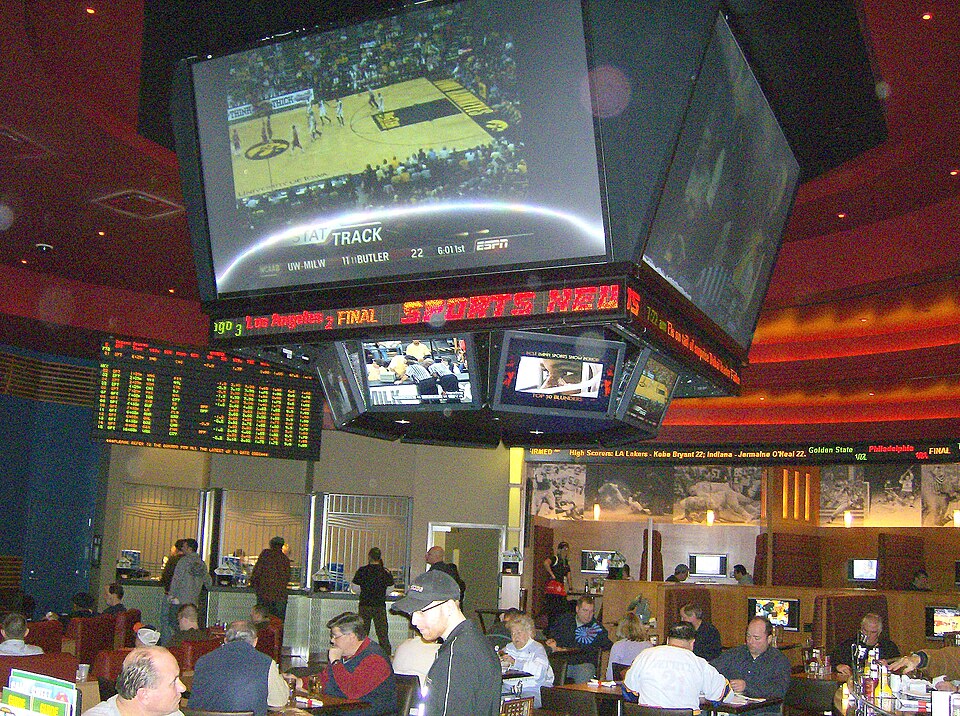
Different sports and market types exhibit varying levels of efficiency, creating opportunities for informed bettors to find value in less efficient markets.
Sport-Specific Efficiency Levels: NFL vs NBA vs College
NFL point spreads are highly efficient due to the volume of money and information available. The NFL attracts the most betting action and has the most sophisticated analysis, making it difficult to find consistent value. NBA markets are generally efficient but with more volatility than NFL due to factors like player rest and back-to-back games.
College sports vary significantly in efficiency. Major college football and basketball programs have relatively efficient markets due to high betting volume, but smaller college sports often present exploitable inefficiencies. These markets have lower betting volume, making them more vulnerable to sharp money exploitation.
Prop Markets and Specialized Betting: Least Efficient Areas
Prop markets are among the least efficient betting areas due to specialized knowledge requirements. These markets often lack the volume and sophisticated analysis that traditional markets receive, creating opportunities for bettors with specific expertise. Prop bets on player statistics, game props, and exotic wagers frequently have pricing inefficiencies that sharp bettors can exploit.
The specialized nature of prop markets means that bookmakers may not have perfect information, creating value opportunities for bettors who do. This inefficiency is particularly pronounced in niche prop markets with lower betting volume.
Smaller College Sports: Hidden Value Opportunities
Smaller college sports often present the most exploitable inefficiencies due to lower betting volume and less sophisticated market analysis. These markets may not receive the same level of attention from bookmakers and sharp bettors, creating opportunities for informed bettors to find value.
The lower volume in these markets means that sharp money can have a more significant impact on line movements, and pricing discrepancies may persist longer than in major markets. Bettors who specialize in these smaller college sports can develop expertise that gives them an edge over the market.
Finding Value Through Market Efficiency Analysis
Understanding sports betting market efficiency indicators provides bettors with a framework for identifying value opportunities. By recognizing sharp money signals, analyzing market liquidity, and understanding sport-specific efficiency patterns, bettors can make more informed decisions.
The most successful bettors combine multiple efficiency indicators rather than relying on a single signal. They track line movements across multiple sportsbooks, analyze volume patterns, and understand which sports and market types offer the best value opportunities. This comprehensive approach to market efficiency analysis creates a powerful edge that most recreational bettors never develop.
Remember that market efficiency varies significantly across different sports, bet types, and time periods. Successful bettors adapt their strategies based on these efficiency patterns rather than applying one-size-fits-all approaches. By understanding and utilizing market efficiency indicators, bettors can significantly improve their chances of finding profitable betting opportunities.
Sports betting market efficiency analysis requires continuous learning and adaptation as markets evolve. The key is to remain disciplined in your analysis and patient in waiting for the right opportunities when multiple efficiency indicators align.