Sports betting line movement can shift 10-15% within minutes during high-volume games, creating profitable opportunities for bettors who know how to read the signals. Understanding these market movements is crucial for making informed betting decisions in today’s competitive landscape.
- Line movements of 10+ cents across multiple sportsbooks indicate sharp money action
- Traditional markets are highly efficient; prop markets offer more exploitable inefficiencies
- 68% of sharp bettors use line movement analysis as a core strategy
- Mobile betting dominance (70%) means line movements happen faster than ever
How to Read Sports Betting Line Movement: Sharp Money vs Public Betting
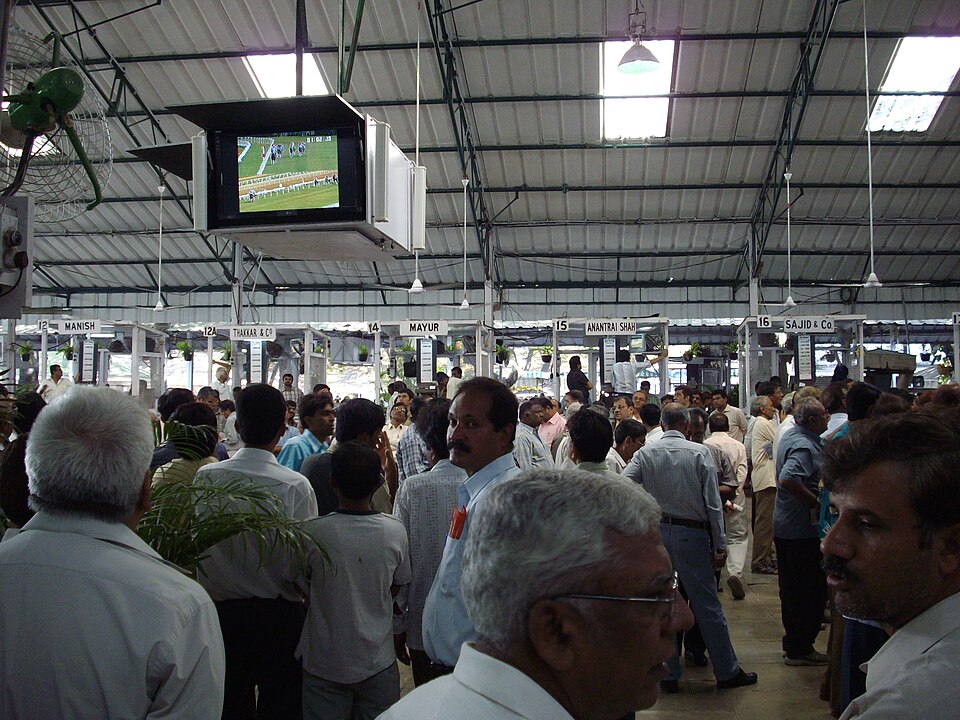
Understanding the difference between sharp money and public betting is fundamental to reading line movements correctly. Sharp money moves lines differently than public betting, creating distinct patterns that experienced bettors can identify and exploit.
Sharp Money Indicators: 10+ Cents Movement Across Multiple Sportsbooks
Sharp money creates specific line movement patterns that set it apart from public betting. When a line moves 10+ cents across multiple sportsbooks, it typically indicates sharp action rather than public money. This movement pattern occurs because professional bettors place large wagers across multiple books simultaneously, forcing coordinated line adjustments.
The 68% of sharp bettors who use line movement analysis as a core strategy understand that timing is everything. Sharp money often appears within 30-60 minutes before game time, when professional bettors have completed their research and identified value opportunities. These movements tend to be more sustained and resist reversal, unlike public money movements that can reverse direction quickly.
Key sharp money indicators include:
- 10+ cent movements across three or more sportsbooks within 15 minutes
- Line changes that occur against the public betting percentages
- Sustained movements that don’t immediately reverse when public money comes in
- Timing patterns showing late movement (1-2 hours before kickoff)
Public Betting vs Sharp Action: Understanding the Difference
Public betting and sharp action affect line movements in fundamentally different ways. Traditional markets like NFL point spreads tend to be highly efficient due to the volume of money and information available. However, public betting creates predictable patterns that sharp bettors can exploit.
Public money typically moves lines in response to media narratives, team popularity, and recent performance. These movements often follow a predictable pattern: initial line opening, public money flooding in on popular teams, and sportsbooks adjusting to balance action. The key difference is that public money movements are more volatile and prone to reversal.
Sharp money, conversely, moves lines based on value assessment and mathematical edge. When sharp bettors identify a mispriced line, they’ll bet it aggressively across multiple books, creating the characteristic 10+ cent movements. This action forces sportsbooks to adjust quickly, often before the general public even notices the opportunity.
Timing Your Bets: When Line Movement Creates Profitable Opportunities
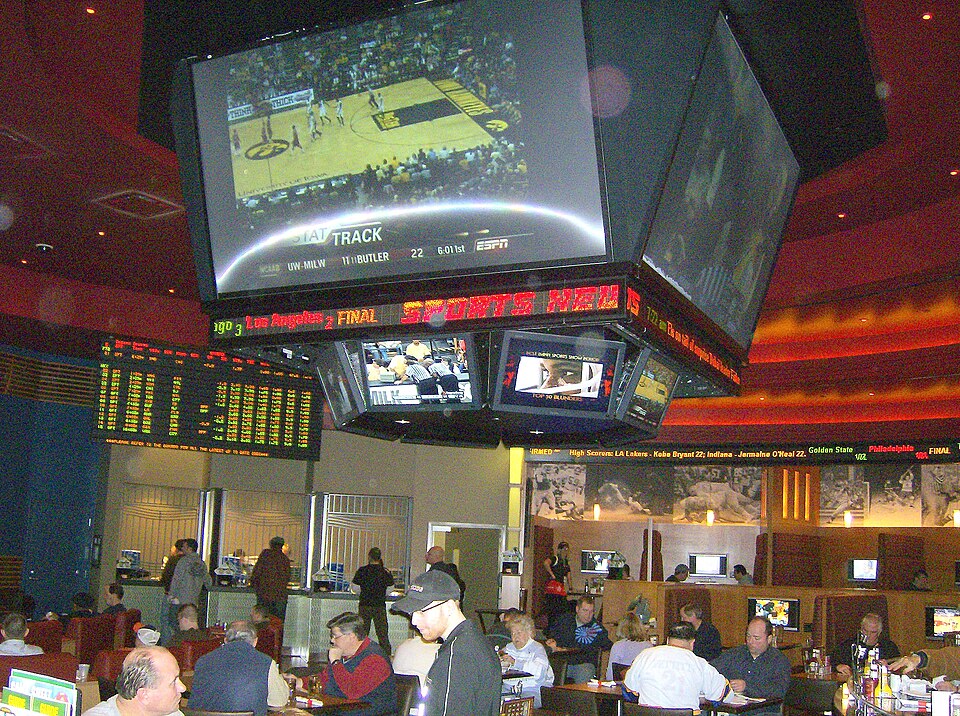
The timing of your bets relative to line movement can significantly impact your profitability. Understanding when to place wagers based on market signals is a crucial skill that separates successful bettors from the crowd.
The 10-15% Window: Capitalizing on Rapid Line Shifts
Line movements can shift 10-15% within minutes during high-volume games, creating a narrow window for profitable betting. This rapid movement occurs because modern sports betting operates in a highly competitive environment with 38 states plus D.C. having legalized sports betting in 2026. The increased competition among sportsbooks accelerates line movement speed.
The mobile betting dominance (70% of all wagers) means line movements happen faster than ever before. Bettors using mobile apps can react to line changes instantly, creating a feedback loop that amplifies movement speed. The 10-15% window represents the optimal time to place bets when you’ve identified value before the market corrects.
Successful timing strategies include:
- Early line shopping when lines first open and contain the most inefficiencies
- Middle betting opportunities when lines move significantly in one direction
- Live betting adjustments based on in-game developments and line reactions
- Reverse line movement exploitation when public money contradicts sharp action
High-Volume Game Strategies: Reading Market Signals in Real-Time
High-volume games create unique line movement patterns that skilled bettors can exploit. During major events like NFL Sunday or March Madness, the increased betting volume creates more opportunities for line movement analysis. The key is understanding how to read market signals in real-time across multiple sportsbooks.
Monitoring multiple books simultaneously is essential for identifying sharp money action. When you see consistent line movement across several sportsbooks, it indicates coordinated betting activity rather than isolated public action. This pattern recognition becomes easier with practice and the right tools, including sports betting analytics tools comparison to find the best platforms for tracking line movements.
Effective high-volume game strategies include:
- Multi-book monitoring using line movement tracking tools
- Steam moves identification when multiple books adjust lines simultaneously
- Public betting percentage analysis to identify contrarian opportunities
- Live betting line freeze exploitation when technical issues create temporary inefficiencies
Market Efficiency and Prop Betting: Where Line Movement Analysis Works Best
Not all betting markets respond equally to line movement analysis. Understanding market efficiency differences helps bettors focus their efforts where they’ll have the greatest impact.
Traditional vs Prop Markets: Efficiency Differences Explained
Traditional markets like NFL point spreads tend to be highly efficient due to the volume of money and information available. Sportsbooks have sophisticated models and years of data to set accurate opening lines. However, prop markets are less efficient than traditional markets due to specialized knowledge requirements. Understanding these market efficiency differences can help bettors focus their efforts where they’ll have the greatest impact, especially when using sports betting market efficiency indicators to identify the most exploitable opportunities.
Prop markets often present exploitable inefficiencies because they require specific knowledge about player performance, coaching strategies, and situational factors. When a line moves 10+ cents across multiple sportsbooks in prop markets, it typically indicates sharp money from bettors with specialized knowledge rather than general public action.
The efficiency differences create distinct opportunities:
- Traditional markets: Focus on line movement timing and public betting patterns
- Prop markets: Exploit specialized knowledge gaps and inefficient pricing
- College sports: Look for information asymmetries between sharp bettors and oddsmakers
- International markets: Capitalize on limited information and regional biases
Specialized Knowledge Advantage: Exploiting Prop Market Inefficiencies
Prop market inefficiencies create opportunities for bettors with specialized knowledge. When you understand specific player tendencies, coaching strategies, or situational factors that oddsmakers may overlook, you can identify value before the market adjusts.
Line movement in prop markets often reveals where sharp money is focusing attention. When you see consistent movement on specific player props or game scenarios, it indicates that informed bettors have identified value. This information can help you decide whether to follow the sharp money or look for contrarian opportunities.
Strategies for exploiting prop market inefficiencies include:
- Player prop specialization focusing on specific positions or teams
- Situational analysis understanding how game contexts affect prop outcomes
- Statistical modeling creating custom projections that differ from market lines
- News-based opportunities reacting quickly to information that impacts prop markets
The most successful prop bettors combine specialized knowledge with line movement analysis to identify opportunities before the broader market recognizes them. This approach requires dedication to research and continuous learning about specific aspects of the sports you’re betting on.
Understanding sports betting line movement is both an art and a science. The counter-intuitive insight is that sometimes the best strategy is to bet AGAINST the line movement when you spot public money overreaction. Use line movement tracking tools to monitor 3-5 sportsbooks simultaneously and set alerts for 10+ cent movements to stay ahead of the market.