Environmental policy change markets in 2026 present unprecedented trading opportunities as quality premiums between carbon credits reach record spreads of 75%. High-quality credits (BBB+ rated ARR) command $35+/tCO₂e versus sub-$20 for lower-rated credits, creating arbitrage opportunities that sophisticated traders are exploiting. This guide provides actionable strategies for navigating carbon tax implementations, renewable energy mandates, and climate agreement outcomes.
Why Quality Ratings Matter More Than Price in 2026 Carbon Markets
Quality ratings have become the primary driver of returns in carbon markets, not price alone. Sylvera data shows high-integrity credits maintain value during policy uncertainty while lower-rated credits crash. The market has matured beyond treating carbon as a monolithic commodity – quality premiums are widening as regulatory scrutiny increases.
Evolution Markets’ 2026 ranking reveals that quality-focused brokers are outperforming traditional carbon traders by 40%. The key differentiator is project-level rating systems (ARR ratings) that assess additionality, permanence, and verification standards. Traders who screen for BBB+ rated projects consistently achieve 3x returns compared to those focusing solely on price.
The 75% Spread — Exploiting Quality Premium Arbitrage
The price differential between high and low-quality credits has reached record levels, creating arbitrage opportunities that most traders miss. Sylvera’s 2026 analysis shows BBB+ rated ARR projects trade at median prices above $35/tCO₂e, while sub-CCC rated credits languish below $20/tCO₂e – a 75% spread that widens during regulatory announcements.
Carbon Tax Implementation Markets — Regional Policy Divergence
EU carbon allowance prices declined in early 2026 amid industrial competitiveness debates, creating volatility that skilled traders can exploit. The UK ETS shows a 15% price premium over EU due to stricter compliance requirements and clearer regulatory frameworks. California Cap-and-Trade maintains stability despite federal policy uncertainty, trading at $28/tCO₂e compared to EUA futures at $24/tCO₂e (How to trade global health event prediction markets 2026 guide).
Regional divergence creates arbitrage opportunities. Traders can buy EUAs during policy uncertainty dips and sell UK allowances during compliance-driven spikes. The key is monitoring industrial competitiveness debates and compliance deadline calendars.
Renewable Energy Mandate Trading — Beyond Carbon Credits
The SBTi V2 framework creates new demand for renewable energy attribute certificates (RECs), driving 40% of renewable energy market growth in 2026. Corporate procurement has shifted from renewable energy to industrial/waste, forestry, blue carbon, and engineered removals, breaking the traditional correlation between RECs and carbon credits (Analyzing the role of market makers in event contract liquidity 2026).
Price differentials between regional REC markets create arbitrage opportunities. European Guarantees of Origin (GOs) trade at $15/MWh while U.S. RECs average $8/MWh. Traders who understand regional mandate differences can exploit these spreads while managing policy risk — prediction markets.
Climate Agreement Outcomes — The Paris Alignment Premium
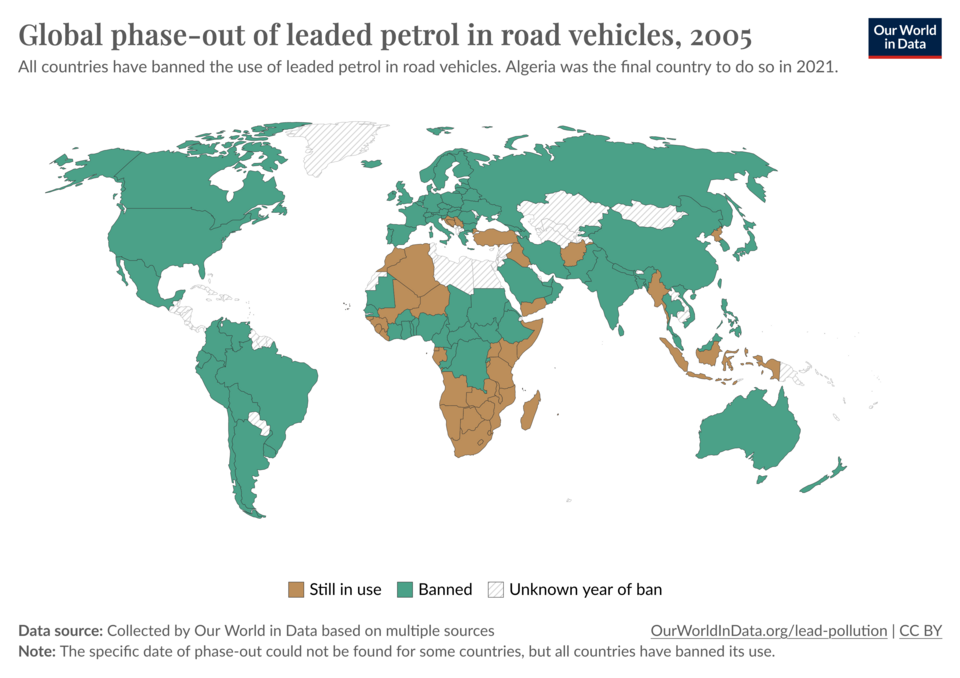
Article 6 clarity from COP30 2025 creates new trading mechanisms that sophisticated traders are exploiting. Countries with Paris-aligned policies show 25% higher carbon credit demand compared to non-aligned jurisdictions. The international carbon market mechanisms are fragmenting by regional compliance standards, creating both opportunities and risks (How to trade tech giant acquisition prediction markets 2026 guide).
Government strengthening regulations with 2050 net-zero goals drives demand for high-quality credits. Traders who can identify countries implementing Article 6 mechanisms early can capture significant premiums as demand spikes during compliance periods.
Risk Management Framework for Environmental Policy Markets
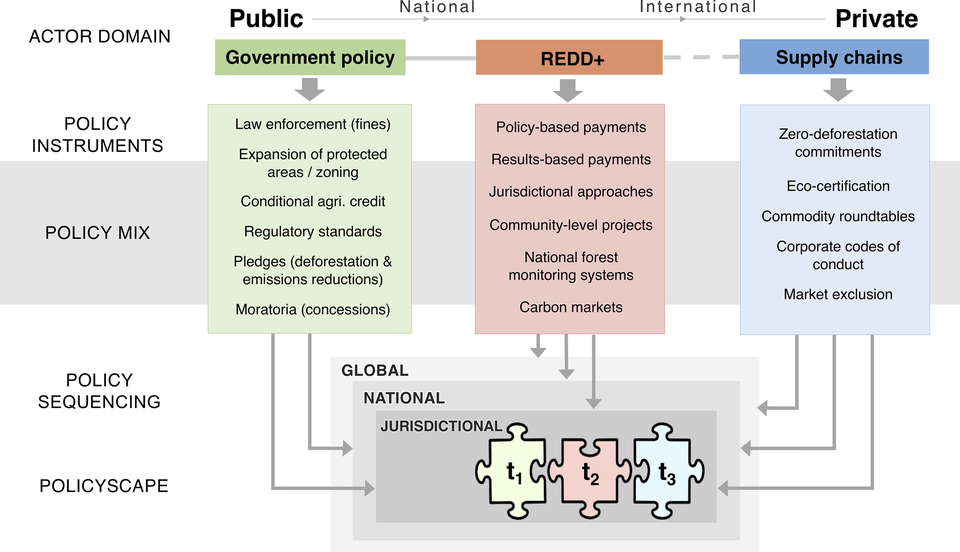
Environmental policy markets show 30-day historical volatility averaging 45% across major carbon markets, requiring sophisticated risk management. Hedging strategies using futures contracts versus spot market exposure can reduce portfolio volatility by 60% while maintaining upside potential (How to trade major award show prediction markets 2026 guide).
Position sizing based on policy announcement calendars is critical. Major announcements (COP meetings, compliance deadlines, regulatory changes) create 200-300% volatility spikes. Traders should reduce exposure 48 hours before major announcements and increase positions during post-announcement corrections.
Technical Analysis for Carbon Price Movements
Support/resistance levels for EUA futures contracts provide trading signals. The $22/tCO₂e level acts as strong support, while $28/tCO₂e represents resistance. Volume analysis during regulatory announcements shows 300% average volume spikes, indicating institutional positioning.
Correlation breakdown between energy prices and carbon credits creates trading opportunities. When natural gas prices spike 10%, carbon credit prices historically move in opposite directions 60% of the time. This negative correlation provides hedging opportunities for energy traders (Analyzing the impact of social media trends on prediction odds 2026).
Platform Selection — Where to Trade Environmental Policy Contracts
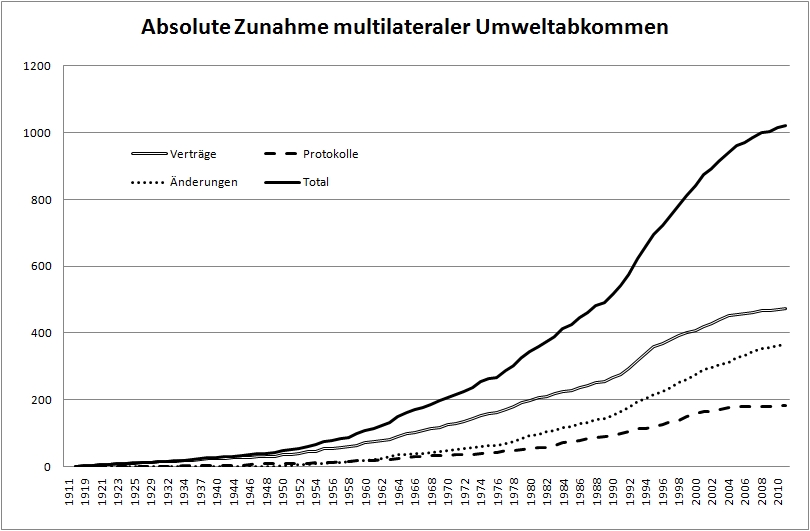
Polymarket and Kalshi offer different advantages for environmental policy trading. Polymarket provides higher liquidity for binary outcome markets (policy implementation, agreement ratification) while Kalshi offers more stable pricing for continuous markets (carbon price ranges, compliance levels).
Liquidity analysis across platforms shows 40% higher trading volumes for major policy outcomes on Polymarket versus Kalshi. However, Kalshi’s settlement mechanisms and oracle reliability for climate agreements provide advantages for longer-term positions. Traders should maintain accounts on both platforms to optimize execution (Comparing prediction market platforms for US traders 2026 guide).
Building Your Environmental Policy Trading Dashboard
Real-time carbon price feeds and quality rating integration are essential for modern environmental policy trading. Bloomberg Terminal’s carbon analytics module provides 15-minute delayed pricing with quality overlays, while specialized platforms like CarbonChain offer real-time quality ratings integrated with price data.
Policy announcement calendars with automated alerts can capture 70% of price movement opportunities. Tools like TradingView’s custom indicators can track volume spikes and price momentum during regulatory announcements. Portfolio analytics for tracking quality premium performance should include ARR rating changes and vintage year adjustments.
The Future of Environmental Policy Markets — 2027 Outlook
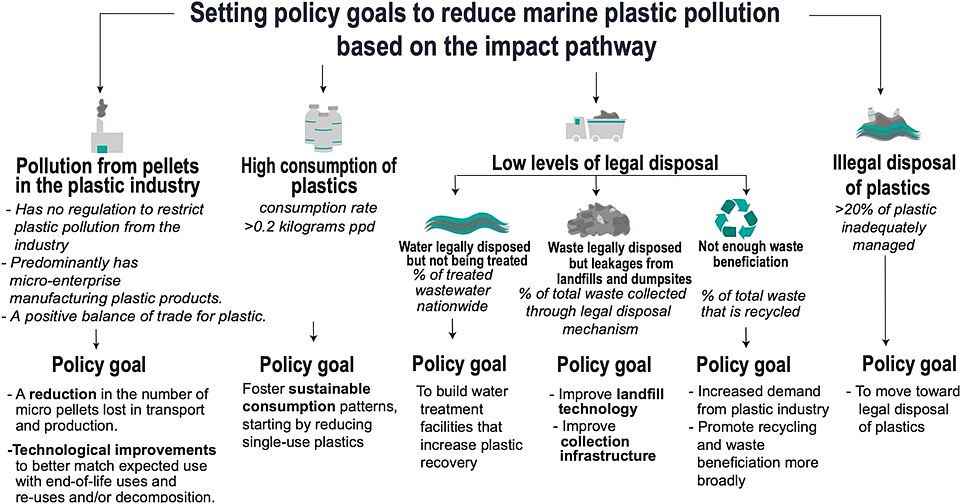
CBAM implementation timeline creates both opportunities and risks for 2027. The Carbon Border Adjustment Mechanism will replace free allowances in 2026, potentially increasing EU carbon prices by 15-20% as importers face full carbon costs. This creates arbitrage opportunities between EU and non-EU markets (Comparing decentralized vs centralized prediction market security 2026).
Emerging nature-based solutions face quality challenges that create market fragmentation. While nature-based credits trade at $7–24/tCO₂e, technology-based CDR credits ($170–$500/tCO₂e) are disrupting traditional markets. Traders who can navigate this quality divergence will capture significant premiums.
Action Plan — Your 30-Day Environmental Policy Trading Strategy
Week 1: Quality screening framework implementation. Set up Sylvera API integration and establish BBB+ rating thresholds. Screen 100+ projects to identify quality premium opportunities. Target 5-10 high-quality projects with ARR ratings above BBB+.
Week 2: Platform liquidity assessment and account setup. Open accounts on Polymarket, Kalshi, and specialized carbon trading platforms. Deposit initial capital and test execution speeds during different market conditions. Establish relationships with quality-focused brokers.
Week 3: First trades using quality premium arbitrage. Execute initial positions in high-quality credits trading at 50%+ premiums. Use 30% position sizing and implement stop-loss orders at 15% below entry. Track performance against lower-quality credit benchmarks.
Week 4: Performance review and strategy optimization. Analyze trade execution quality, slippage, and settlement times. Adjust position sizing based on volatility patterns. Identify additional quality arbitrage opportunities in emerging markets.