Prediction markets have exploded into a $325 billion asset class in 2026, but US traders face a regulatory maze that most guides ignore. While Polymarket processes billions in crypto-based trades and Kalshi operates as the first CFTC-registered Designated Contract Market, the real question isn’t which platform is “better” — it’s which platform keeps you compliant while maximizing your trading edge. This guide cuts through the noise with specific compliance requirements, payment method comparisons, and a weighted decision framework that matches your trading priorities to the right platform.
The $325B Prediction Markets Landscape: Why US Traders Need This Guide
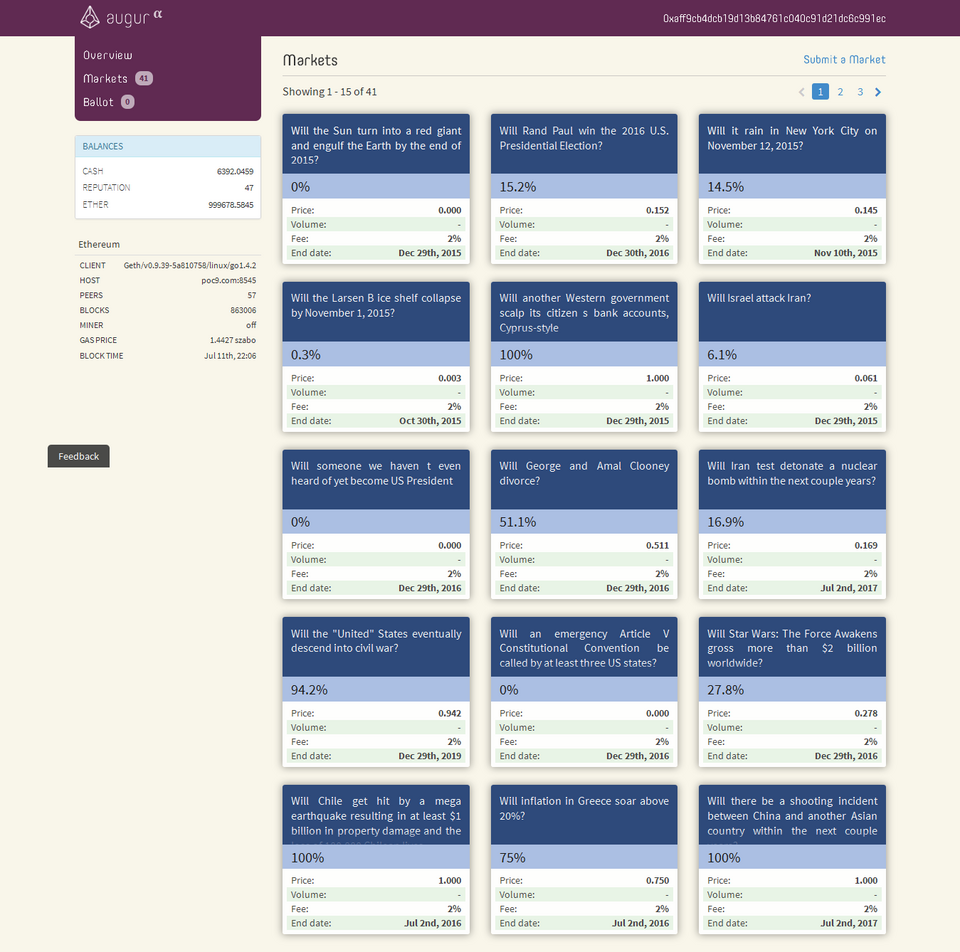
US traders operate in a unique regulatory environment where CFTC oversight creates both opportunities and constraints that global platforms don’t face. While the prediction markets asset class has grown to $325 billion, American traders must navigate federal jurisdiction, state-level restrictions, and platform-specific compliance requirements that can make or break their trading strategy. Understanding these distinctions isn’t just about legal compliance — it’s about accessing the right markets, payment methods, and liquidity pools that align with your trading goals.
| Platform Type | CFTC Status | Geographic Reach |
|---|---|---|
| Kalshi | Registered DCM | US-based only |
| Polymarket | Under CFTC scrutiny | Global, US restrictions |
| Emerging platforms | Varies by approval | Expanding 2026 |
The fundamental difference between US and international prediction markets lies in regulatory oversight. CFTC Chairman Michael Selig has asserted exclusive jurisdiction over event contracts, treating them as derivatives rather than gambling instruments. This classification creates a compliance framework that prioritizes market integrity and consumer protection but also imposes restrictions that traders must understand to operate effectively.
CFTC Compliance Requirements: What Every US Trader Must Know
CFTC regulation of prediction markets centers on three pillars: real-time transaction monitoring, robust KYC/AML protocols, and data integrity for outcome determination. These requirements aren’t optional checkboxes — they’re the foundation that allows US platforms to operate legally while protecting traders from market manipulation and fraud. Understanding these compliance requirements helps traders evaluate platforms beyond surface-level features and identify which ones truly prioritize regulatory adherence.
| Compliance Requirement | Kalshi Implementation | Polymarket Approach |
|---|---|---|
| Transaction Monitoring | Real-time CFTC oversight | Enhanced protocols 2026 |
| KYC/AML | Fully integrated system | US-specific requirements |
| Data Integrity | CFTC-approved oracles | Multiple verification layers |
The compliance landscape extends beyond federal requirements to include state-level regulations that create a patchwork of restrictions. Nevada and Massachusetts have been particularly aggressive in challenging federal jurisdiction, arguing that prediction markets constitute unregulated gambling. This state vs. federal conflict creates additional complexity for traders who must verify their state’s specific restrictions before engaging with any platform.
State-by-State Trading Restrictions: The Geographic Chessboard
Geographic restrictions vary significantly across US states, with some jurisdictions completely blocking prediction market access while others impose specific limitations. Understanding your state’s position in this regulatory chess game is crucial for avoiding account freezes, fund seizures, or legal complications. The variation in state regulations reflects ongoing debates about whether prediction markets should be classified as financial instruments or gambling activities (How to trade major award show prediction markets 2026 guide).
| State | Prediction Market Status | Platform Impact |
|---|---|---|
| Nevada | Highly restricted | Limited platform access |
| Massachusetts | Challenging federal authority | Potential future restrictions |
| Most other states | Generally permitted | Full platform access |
Platform providers implement geo-blocking technology to enforce these restrictions, but traders should verify their eligibility independently rather than relying solely on platform notifications. The regulatory landscape continues to evolve, with some states considering legislation that could either expand or restrict prediction market access in the coming months.
Payment Methods Compared: From Bank Transfers to Crypto
Payment method availability represents one of the most significant practical differences between prediction market platforms. Kalshi’s USD-first approach caters to traditional traders with bank accounts and credit cards, while Polymarket’s crypto-native model requires familiarity with digital wallets and blockchain transactions. This fundamental difference affects not just how you fund your account but also your transaction costs, processing times, and tax reporting complexity (Analyzing the role of market makers in event contract liquidity 2026).
| Payment Method | Kalshi Support | Polymarket Support |
|---|---|---|
| ACH Bank Transfer | Yes (free, 1-3 days) | No |
| Credit/Debit Cards | Yes (instant, fees apply) | No |
| Crypto (USDC) | Yes (via Zero Hash) | Yes (native Polygon) |
Kalshi’s integration with traditional banking systems through ACH transfers, debit/credit cards, and Apple Pay/Google Pay makes it accessible to traders who prefer fiat currency. The platform’s partnership with Zero Hash enables crypto deposits without requiring users to manage their own wallets, bridging the gap between traditional and crypto-native traders. Minimum deposit requirements start at just $1, making the platform accessible to traders at all levels.
Processing Times and Fee Structures: The Hidden Costs
Beyond basic payment method availability, processing times and fee structures create significant differences in the total cost of trading. Kalshi’s formula-based fees (0.01% – 0.05%) provide predictability that crypto-based percentage fees often lack. Polymarket’s structure of roughly 0.75% plus gas fees can become expensive during network congestion, while Kalshi’s flat-rate approach remains consistent regardless of market conditions.
| Transaction Type | Kalshi Fees | Polymarket Fees |
|---|---|---|
| Deposit | Free (ACH), varies (cards) | Gas fees (Polygon low) |
| Trading | 0.01% – 0.05% formula | 0.75% + gas |
| Withdrawal | Free (ACH), instant (cards) | Gas fees apply |
Withdrawal processing times also differ significantly between platforms. Kalshi’s ACH withdrawals take 3-4 days but are free, while instant debit card withdrawals incur fees. Polymarket withdrawals return USDC to the originating wallet, with processing times depending on network congestion. These timing differences can be critical for traders who need quick access to funds or are managing multiple positions across platforms.
Platform Security and Data Integrity: Trust in Outcome Resolution
Security and data integrity form the foundation of trust in prediction markets, where traders must believe that outcomes will be resolved fairly and funds will remain secure. CFTC regulation provides a baseline level of oversight, but platforms implement different security models that affect how traders interact with their funds and how outcomes are determined. Understanding these differences helps traders assess which platforms align with their security preferences and risk tolerance (How to trade environmental policy change markets 2026 guide).
| Security Feature | Kalshi Implementation | Polymarket Implementation |
|---|---|---|
| Fund Custody | CFTC-regulated custody | Non-custodial (user-controlled) |
| Oracle System | CFTC-approved resolution | Multiple verification layers |
| Dispute Resolution | CFTC oversight | Community governance |
Kalshi’s CFTC-regulated custody model provides traditional financial protections but requires users to trust the platform with their funds. Polymarket’s non-custodial approach gives users complete control over their assets but places the responsibility for security on individual traders. This fundamental difference reflects broader philosophical approaches to prediction market design — centralized compliance versus decentralized autonomy.
Tax Implications: Reporting Requirements for US Traders
Tax treatment represents one of the most complex and often overlooked aspects of prediction market trading. CFTC-regulated platforms like Kalshi may report gains differently than crypto-based platforms like Polymarket, creating potential compliance issues for traders who don’t understand the distinctions. The classification of prediction market gains — whether as capital gains, gambling income, or commodity trading profits — affects both reporting requirements and tax rates.
| Platform Type | Gain Classification | Reporting Requirements |
|---|---|---|
| CFTC-regulated (Kalshi) | Commodity trading | 1099-B potential |
| Crypto-based (Polymarket) | Capital gains | 1099-K possible |
| Hybrid platforms | Depends on transaction | Complex reporting |
Traders using multiple platforms face the challenge of reconciling different tax treatments for similar trading activities. Keeping detailed records becomes essential, as does understanding which tax forms apply to different types of prediction market gains. Professional tax advice may be necessary for traders with significant activity across multiple platforms or those engaging in complex trading strategies.
Choosing Your Platform: A Weighted Decision Framework
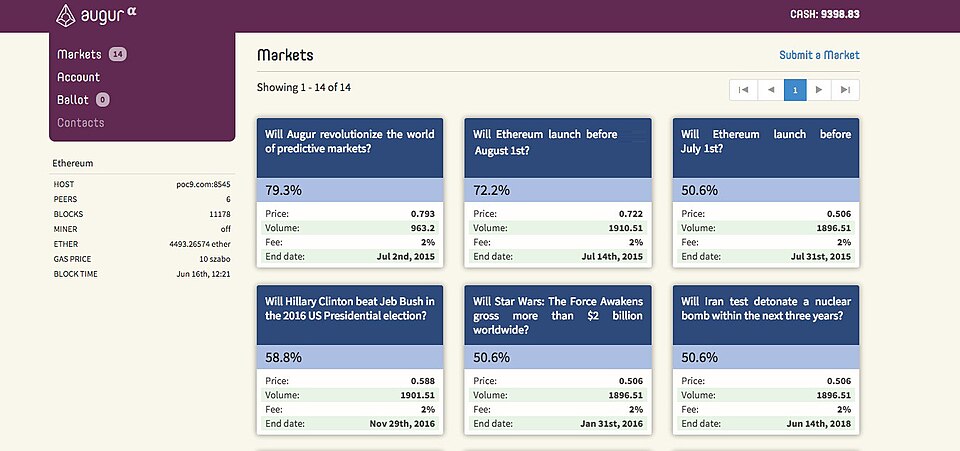
Selecting the right prediction market platform requires balancing multiple factors including compliance requirements, payment preferences, geographic restrictions, and fee structures. Rather than seeking a universally “best” platform, traders should use a weighted scoring system that prioritizes their specific needs and constraints. This framework helps traders make objective decisions based on their individual circumstances rather than marketing claims or platform popularity.
| Priority Factor | Weight (1-5) | Kalshi Score | Polymarket Score |
|---|---|---|---|
| Regulatory Compliance | 5 | 5 | 3 |
| Payment Flexibility | 4 | 4 | 3 |
| Geographic Access | 3 | 3 | 4 |
| Fee Structure | 4 | 5 | 3 |
| Security Model | 4 | 4 | 5 |
The weighted scoring approach reveals that no single platform dominates across all criteria. Traders prioritizing regulatory compliance and fee predictability may favor Kalshi, while those valuing security autonomy and global access might prefer Polymarket. The framework also highlights areas where emerging platforms could differentiate themselves by addressing specific trader priorities that current platforms don’t fully satisfy.
2026 Outlook: Emerging Platforms and Regulatory Evolution
The prediction market landscape continues to evolve rapidly, with new platforms seeking CFTC approval and regulatory frameworks maturing to accommodate growing market demand. DimeTrades and other emerging entities are positioning themselves to capture market share by addressing specific gaps in current platform offerings, such as enhanced mobile experiences, specialized market types, or innovative fee structures. Understanding these emerging trends helps traders anticipate future options and prepare for platform transitions.
| Emerging Platform | Target Differentiator | Expected Timeline |
|---|---|---|
| DimeTrades | Mobile-first experience | Late 2026 |
| Platform X | Institutional-grade APIs | Mid 2026 |
| Platform Y | Specialized niche markets | Early 2026 |
Regulatory evolution also shapes the competitive landscape, with potential changes to CFTC oversight, state-level restrictions, and tax treatment creating both opportunities and challenges for existing and emerging platforms. Traders who stay informed about these developments can position themselves to take advantage of new opportunities while avoiding platforms that may face regulatory headwinds.
Practical Decision Framework for US Traders
The optimal prediction market platform choice depends on your specific trading profile and priorities. Start by assessing your regulatory comfort level — if you prioritize maximum compliance and traditional financial protections, Kalshi’s CFTC registration provides clear advantages. If you value security autonomy and global market access, Polymarket’s crypto-native model may better suit your needs. Consider your payment preferences carefully, as the choice between fiat and crypto integration affects not just convenience but also transaction costs and tax complexity.
For traders new to prediction markets, starting with Kalshi’s lower-risk, regulated environment provides valuable experience before exploring more complex crypto-based platforms. Experienced crypto traders may find Polymarket’s familiar infrastructure and broader market selection more appealing. Geographic restrictions should be verified independently, as platform notifications may not always reflect the latest regulatory developments in your state.
The prediction market landscape will continue evolving throughout 2026, with new platforms entering the market and regulatory frameworks maturing. Successful traders will remain flexible, ready to adapt their platform choices as the competitive landscape shifts. By understanding the fundamental differences between platforms and using a structured decision framework, US traders can navigate this complex environment while maximizing their trading opportunities and maintaining regulatory compliance.
Ready to explore specific platform reviews and trading strategies? Check out our comprehensive guides on tech giant acquisition markets, social media trend analysis, security comparisons, and global health event trading strategies to deepen your prediction market expertise.