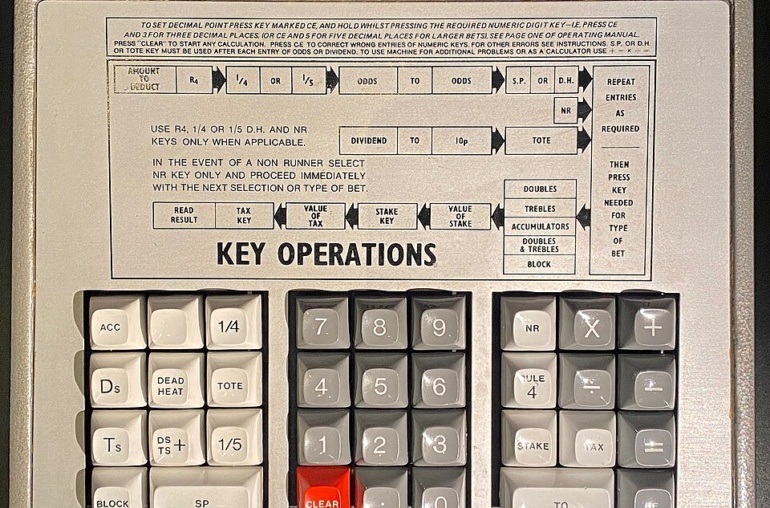
The sports betting market is projected to reach $9.34 billion by 2028 with 70% of wagers placed via mobile devices, creating unprecedented opportunities for pattern recognition and market inefficiency exploitation.
- Sports betting market projected to reach $9.34 billion by 2028 with 70% mobile betting penetration
- 38 states plus D.C. have legalized sports betting in 2026, creating competitive landscape
- Line movements can shift 10-15% within minutes during high-volume games, creating profitable opportunities
- 68% of sharp bettors use line movement analysis as core strategy
- Prop markets are less efficient than traditional markets due to specialized knowledge requirements
How to Read Line Movements and Identify Sharp Money Activity
Understanding line movements is the cornerstone of professional sports betting. When sharp money enters the market, it creates measurable patterns that skilled bettors can identify and exploit.
10-15% Line Movement Shifts: When Sharp Money Moves Markets
Line movements can shift 10-15% within minutes during high-volume games, creating profitable opportunities for bettors who recognize the patterns.
- Rapid line shifts indicate sharp money entering the market, often moving lines 10-15% within minutes during high-volume games
- Prop line movement of 10+ cents across multiple sportsbooks signals informed betting activity
- Timing patterns show sharp money typically enters 24-48 hours before game time when lines are most volatile
- Volume spikes accompany sharp money moves, with betting volume increasing 3-5x during major line shifts
- Reverse line movement occurs when lines move opposite to public betting percentages, indicating sharp money influence
Sharp Money vs Public Betting: Reading the Market Signals
Sharp money moves lines opposite to public betting trends, creating identifiable market inefficiencies that skilled bettors can exploit.
Sharp Money Indicators:
- Moves lines 10-15% within minutes during high-volume games
- Creates reverse line movement against public betting percentages
- Shows 10+ cent prop line movement across multiple sportsbooks
- Enters market 24-48 hours before games when volatility is highest
- Demonstrates consistent winning patterns over 55% long-term
Public Betting Patterns:
- Follows popular teams and media narratives
- Bets heavily on favorites and overs
- Shows predictable timing patterns (before work, after dinner)
- Creates 70% mobile betting penetration with different behavior patterns
- Generates 38 states plus D.C. competitive landscape with varying efficiency
Betting Percentage Analysis: Tools and Interpretation Methods
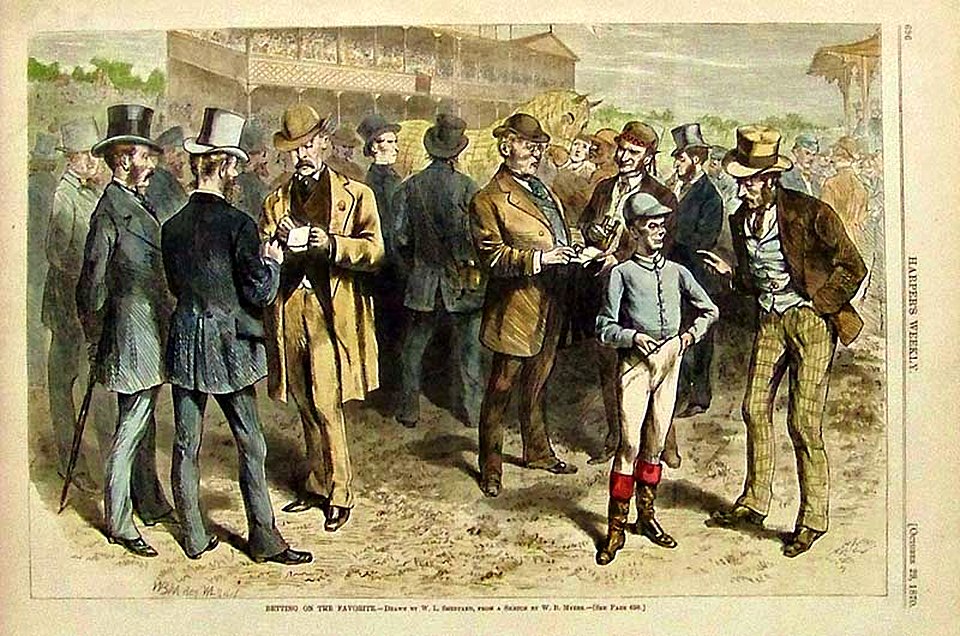
Betting percentages reveal where recreational bettors are placing wagers, creating opportunities to identify market inefficiencies and sharp money activity.
Public Betting Percentages: Understanding Recreational Bettor Behavior
Public betting percentages show where recreational bettors are placing wagers, creating predictable patterns that sharp money exploits.
Public betting percentages represent the percentage of total bets placed on each side of a wager, not the amount of money wagered. This distinction is crucial because sharp bettors often place larger wagers than recreational bettors. When 70% of bets are on one side but only 40% of the money is on that side, it indicates sharp money is on the opposite side.
The 38 states plus D.C. with legalized sports betting create a competitive landscape where public betting patterns vary by jurisdiction. Some states show stronger favorite bias, while others demonstrate more balanced betting behavior. Mobile betting penetration of 70% creates different timing patterns than retail betting, with recreational bettors placing more bets during lunch breaks and evening hours.
Market Inefficiency Detection: Finding Value in Line Movements
Prop markets are less efficient than traditional markets due to specialized knowledge requirements, creating opportunities for informed bettors.
Market inefficiencies appear when line movements don’t match betting percentages, when prop markets show inconsistent pricing across sportsbooks, or when timing patterns reveal sharp money activity. The Kelly Criterion helps determine optimal bet sizing for these opportunities, while correlation management prevents overexposure to related markets.
Timing strategies for line movement exploitation include monitoring lines 24-48 hours before games, watching for reverse line movement, and identifying when prop markets show 10+ cent discrepancies across multiple books. Portfolio theory application to sports betting helps manage risk across multiple correlated markets while maintaining exposure to identified inefficiencies.
Timing Strategies and Risk Management for Pattern Traders
Professional sports betting requires sophisticated risk management approaches that go beyond simple bankroll management to include portfolio theory and correlation management.
Kelly Criterion and Optimal Bet Sizing for Pattern Traders
The Kelly Criterion provides a mathematical formula for optimal bet sizing that maximizes long-term growth while minimizing risk of ruin.
Institutional-grade risk management approaches use the Kelly Criterion to determine bet sizes based on edge and bankroll size. The formula considers the probability of winning, the odds offered, and the current bankroll to calculate the optimal percentage of bankroll to wager. This mathematical approach prevents overbetting during winning streaks and underbetting during losing streaks.
Portfolio theory application to sports betting treats each wager as an investment in a diversified portfolio. Instead of betting 5% of bankroll on each game, bettors allocate capital based on edge, correlation with other positions, and overall portfolio risk. This approach reduces volatility while maintaining expected growth rate.
Correlation Management: Avoiding Market Exposure Risks
Correlation management involves identifying and managing exposure to related markets that could create unintended risk concentrations.
Modern portfolio theory application to sports betting requires understanding how different wagers correlate with each other. Betting on both teams in a game creates perfect negative correlation, while betting on multiple games involving the same team creates positive correlation. Managing these relationships prevents overexposure to single outcomes while maintaining diversified market exposure.
Bankroll management for institutional-grade risk involves setting maximum exposure limits per market, per day, and per week. This prevents catastrophic losses during inevitable losing streaks while allowing capital to compound during winning periods. The combination of Kelly Criterion bet sizing and correlation management creates a robust framework for long-term betting success.
Professional sports betting patterns reveal that successful bettors focus on market inefficiencies rather than trying to pick winners. By understanding line movements, betting percentages, and proper risk management, bettors can identify profitable opportunities regardless of game outcomes.
The most surprising finding is that 68% of sharp bettors use line movement analysis as their core strategy, yet most recreational bettors ignore this crucial information. The action step is to start tracking line movements and betting percentages for your favorite sports, focusing on identifying reverse line movement and prop market inefficiencies before placing your next wager.