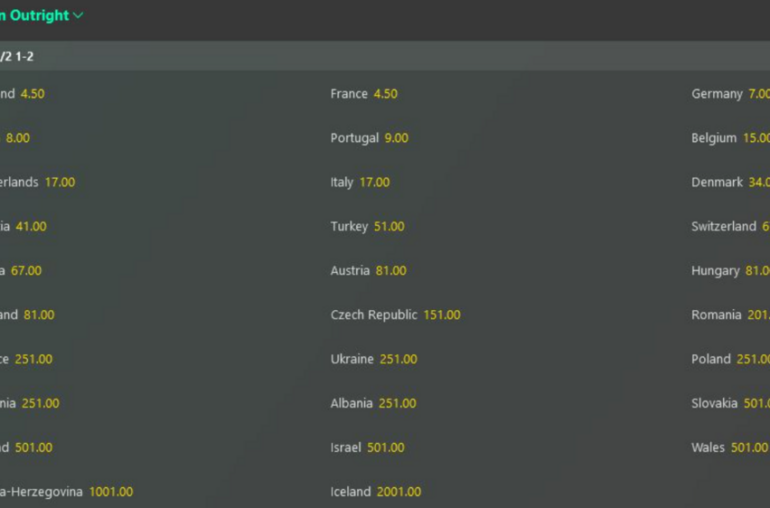
Betting exchanges offer 10-20% better odds than traditional sportsbooks due to lower profit margins and commission-based revenue model. This fundamental difference creates unique advantages for bettors who understand how to leverage peer-to-peer marketplaces.
- Betting exchanges offer 10-20% better odds than traditional sportsbooks due to lower profit margins
- Commission rates on exchanges: 2-5% on winning bets only vs 5-10% house edge built into sportsbook odds
- Exchanges provide 100+ markets per event vs 20-50 markets on traditional sportsbooks
- No betting limits on exchanges (liquidity-dependent) vs restrictions on winning players at traditional sportsbooks
- Ability to both back and lay bets is unique to exchanges, enabling position trading similar to stock markets
Why Betting Exchanges Offer 10-20% Better Odds Than Sportsbooks

Betting exchanges fundamentally operate differently from traditional sportsbooks, creating a competitive advantage that directly benefits bettors through better pricing and more flexible betting options.
Commission vs House Edge: The Revenue Model Difference
Traditional sportsbooks build their profit directly into the odds through a house edge of 5-10%. This means bettors must overcome this built-in disadvantage before making any profit. In contrast, betting exchanges charge a commission of only 2-5% on winning bets, allowing the market to determine true odds without artificial markup.
This revenue model difference translates to tangible benefits for bettors. When you place a $100 bet at a traditional sportsbook with 7% house edge, you’re starting $7 behind the true odds. On an exchange with 3% commission, you only pay when you win, and the commission is calculated on your profit, not your stake.
Market Competition Drives Better Pricing
The peer-to-peer nature of betting exchanges creates a competitive marketplace where bettors set their own odds. This competition drives prices closer to true probability than traditional sportsbook pricing. Exchanges typically offer 100+ markets per event compared to 20-50 markets on traditional sportsbooks, providing more opportunities for finding value. Understanding betting patterns and market trends can help identify where sharp money is flowing and where public bias might be creating value opportunities.
The ability to “lay” bets (bet against outcomes) creates unique trading opportunities not available with traditional sportsbooks. This feature allows bettors to act as the bookmaker, offering odds to other bettors and profiting from their losses. This additional market depth and flexibility results in tighter spreads and better overall pricing for all participants.
Trading Opportunities: Exchanges vs Sportsbooks

Betting exchanges transform sports betting from simple wagering into sophisticated trading opportunities, offering tools and strategies unavailable on traditional platforms.
Lay Betting and Position Trading Strategies
Exchanges enable unique trading strategies through lay betting, where you can bet against an outcome happening. This is impossible on traditional sportsbooks, which only allow backing winners. Lay betting opens up arbitrage opportunities and allows for more sophisticated hedging strategies.
Live betting and in-play trading are significantly more advanced on exchanges, allowing position trading similar to stock markets. You can buy and sell positions throughout an event, locking in profits or cutting losses based on how the action unfolds. This dynamic trading environment rewards quick thinking and market analysis skills. To maximize these opportunities, consider using specialized betting software and tools that can help track odds movements and execute trades efficiently.
Key trading opportunities unique to exchanges:
- Arbitrage between back and lay prices: Profit from price discrepancies
- Scalping: Small, quick trades on price movements
- Position trading: Long-term bets with the ability to exit early
- Market making: Offering odds and profiting from the spread
Effective risk management strategies including proper position sizing and portfolio diversification are crucial when implementing these advanced trading techniques.
No Restrictions: The Winning Player Advantage
Traditional sportsbooks actively limit or ban successful bettors to protect their profit margins. This practice, known as “gubbing,” can be frustrating for skilled bettors who consistently find value. Exchanges generally don’t restrict winning bettors, unlike traditional sportsbooks that may limit successful players.
Betting limits on exchanges are liquidity-dependent rather than player-dependent. This means you can bet as much as the market will accept, regardless of your win rate. While major events have deep liquidity allowing large bets, even smaller markets often have sufficient volume for substantial wagers. For more information on how betting limits work across different platforms, see our guide on understanding betting limits and restrictions.
Which Platform Is Right for You? Strategic Decision Guide
Choosing between exchanges and traditional sportsbooks depends on your betting style, experience level, and specific goals. Both platforms have their place in a comprehensive betting strategy.
When to Choose Exchanges vs Sportsbooks
| Use Case | Betting Exchanges | Traditional Sportsbooks |
|---|---|---|
| Best Odds | 10-20% better pricing through commission model | Built-in house edge of 5-10% |
| Trading Opportunities | Advanced in-play trading, lay betting, arbitrage | Limited to simple back bets |
| Market Variety | 100+ markets per event | 20-50 markets per event |
| Betting Limits | No restrictions (liquidity-dependent) | Strict limits on winning players |
| User Experience | Steeper learning curve | Simple, intuitive interfaces |
| Bonuses & Promotions | Rare | Frequent welcome bonuses |
Exchanges offer 10-20% better odds than traditional sportsbooks, making them ideal for serious bettors focused on long-term profitability. However, traditional sportsbooks may be better for casual bettors who prefer simple interfaces and value promotional offers.
Getting Started: Platform Selection and Strategy
For beginners, starting with traditional sportsbooks makes sense due to their user-friendly interfaces and educational resources. As you develop your skills and seek better value, transitioning to exchanges becomes increasingly attractive.
Betting exchanges: Peer-to-peer betting platforms (Betfair, Smarkets, Matchbook) offer the best odds and trading flexibility but require understanding of lay betting and market dynamics. Traditional Sportsbooks: Bookmaker model (DraftKings, FanDuel, BetMGM) provide simplicity and bonuses but limit successful players. When choosing between platforms, it’s important to consider sports betting regulations and compliance requirements in your jurisdiction.
Start with small lay bets on exchanges to learn position trading before scaling up. Many successful bettors use both platforms strategically – exchanges for main bets and trading, traditional books for bonuses and simple wagers. Regardless of which platform you choose, proper bankroll management is essential for long-term success and protecting your capital.
The most surprising finding is that exchanges offer 10-20% better odds through commission models vs house edge. This advantage compounds over time, making exchanges the superior choice for serious bettors focused on long-term profitability. Start with small lay bets on exchanges to learn position trading before scaling up, and consider using both platforms strategically based on your specific betting needs and goals.