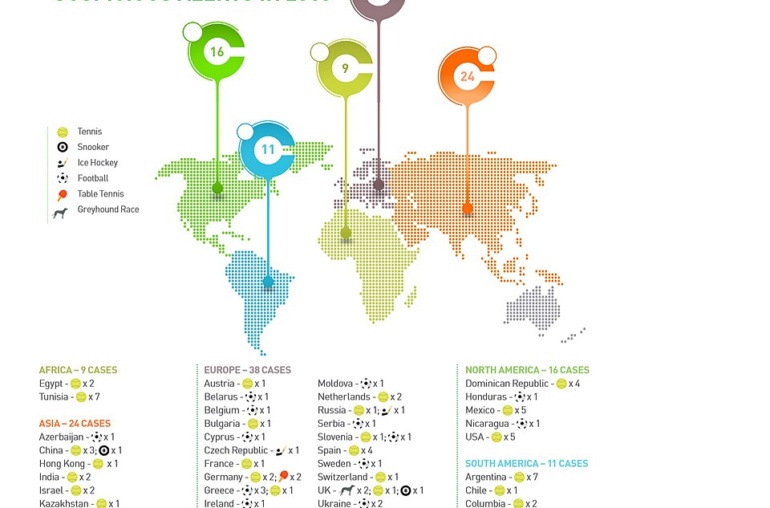
38 states plus D.C. have legalized sports betting in 2026, creating a complex regulatory landscape that operators must navigate to launch and maintain compliant operations.
- 38 states plus D.C. have legalized sports betting in 2026, creating complex regulatory landscape
- Licensing fees range from $50,000 to $500,000 depending on state jurisdiction
- Identity verification requires government ID, proof of address, and source of funds documentation
- State tax rates on winnings range from 0% to 8.5% with varying reporting requirements
2026 State-by-State Sports Betting Licensing Requirements
Licensing Fees and Application Costs: $50,000 to $500,000 Range
| State Tier | Licensing Fee Range | Application Timeline | Annual Renewal | Notes |
|---|---|---|---|---|
| Tier 1 (Major Markets) | $400,000 – $500,000 | 6-12 months | $50,000 | New York, New Jersey, Pennsylvania |
| Tier 2 (Medium Markets) | $200,000 – $350,000 | 4-8 months | $30,000 | Illinois, Michigan, Ohio |
| Tier 3 (Emerging Markets) | $50,000 – $150,000 | 3-6 months | $15,000 | Indiana, Iowa, Colorado |
Licensing fees for operators range from $50,000 to $500,000 depending on state population, market size, and regulatory complexity. The 38 states plus D.C. that have legalized sports betting create a tiered system where major markets command premium licensing fees.
ROI considerations for multi-state operators include:
- Market penetration costs: Higher fees in Tier 1 states require larger customer acquisition budgets
- Operational scaling: Annual renewal fees increase with each additional state license
- Competitive advantage: Early licensing in emerging markets provides first-mover benefits
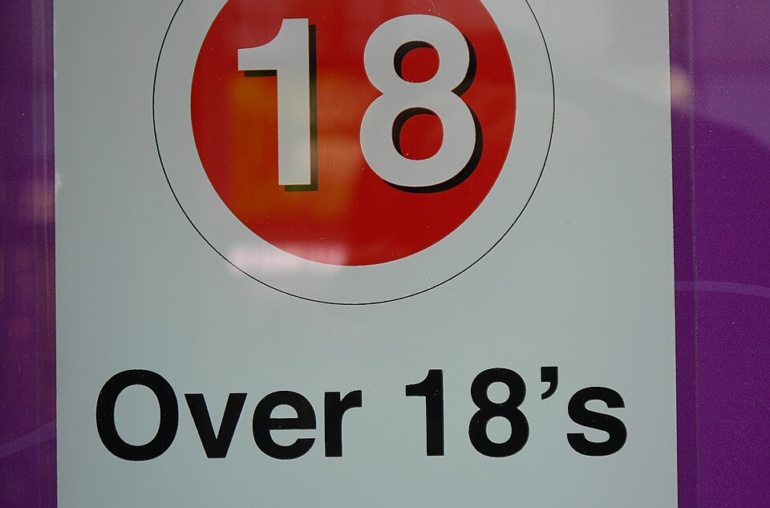
Age Verification Requirements: 21+ vs 18+ State Differences
Age verification requirements create significant compliance challenges for operators targeting multiple states:
- 21+ states: 34 states require bettors to be 21 years or older including California, Texas, Florida, and New York
- 18+ states: 4 states allow betting at 18 including Montana, New Hampshire, Rhode Island, and Washington D.C.
- Mixed requirements: Operators must implement dual-age verification systems for cross-state platforms
Compliance challenges for multi-state operators include:
- Technology infrastructure: Separate age verification systems for different state requirements
- Marketing restrictions: Age-appropriate advertising compliance across jurisdictions
- Customer segmentation: Database management for different age groups and state regulations
Identity Verification and Fraud Prevention Requirements
2026 Identity Verification Standards: Government ID and Source of Funds
All licensed operators in 2026 require comprehensive identity verification before processing any transactions:
- Government-issued photo ID: Driver’s license, passport, or state ID card
- Proof of address: Utility bill, bank statement, or lease agreement dated within 90 days
- Social Security number or tax ID: Required for tax reporting and identity verification
- Source of funds documentation: Bank statements or pay stubs for deposits exceeding $3,000
Each verification element serves specific compliance purposes:
- Photo ID verification: Prevents underage gambling and identity theft
- Address verification: Ensures bettors are physically located in legal jurisdictions
- Tax ID collection: Enables accurate tax reporting to IRS and state agencies
- Source of funds: Combats money laundering and ensures responsible gambling
Enhanced Fraud Prevention: Two-Factor Authentication and Transaction Monitoring
Sportsbooks have implemented enhanced fraud prevention measures to protect both operators and bettors:
- Two-factor authentication: Required for all deposit and withdrawal requests above $500
- Transaction monitoring: AI-powered systems flag suspicious patterns and large transactions
- Deposit and withdrawal limits: Based on account history and verification status
- Automated fraud detection: Machine learning algorithms identify potential fraud in real-time
These measures protect operators by:
- Reducing chargebacks: Verified identities decrease fraudulent disputes
- Preventing bonus abuse: Multi-account detection protects promotional integrity
- Ensuring regulatory compliance: Documentation satisfies state and federal requirements
- Building customer trust: Secure platforms attract and retain legitimate bettors
Tax Reporting and Compliance Requirements
State Tax Rates on Winnings: 0% to 8.5% Range
State tax rates on sports betting winnings create significant variations in net returns for bettors:
| State | Tax Rate | Reporting Threshold | Documentation Required |
|---|---|---|---|
| Nevada | 6.75% | $600 | W-2G form for wins over $600 |
| New Jersey | 8.5% | $500 | W-2G form for wins over $500 |
| Pennsylvania | 36% (gross revenue) | $5,000 | Form 1099-MISC for winnings |
| Tennessee | 20% (gross revenue) | $600 | W-2G form for wins over $600 |
| Wyoming | 0% | $5,000 | No state tax reporting required |
Professional prediction market traders need institutional-grade risk management:
- Cross-state tax planning: Strategic betting across low-tax jurisdictions
- Documentation systems: Maintaining detailed records for tax deductions
- Performance tracking: Separating winning and losing sessions for tax purposes
- Professional guidance: Tax advisors specializing in gambling income
Record Keeping Requirements for Multi-State Operations
Essential documentation for tax compliance across multiple jurisdictions:
- Transaction logs: Complete entry and exit points with timestamps and amounts
- Tax documentation: W-2G forms, 1099-MISC statements, and state-specific tax forms
- Performance analytics: Detailed records by market type, sport, and betting strategy
- Customer verification: Identity documents and source of funds verification files
Cross-state reporting challenges include:
- Jurisdiction conflicts: Different states may have conflicting reporting requirements
- Data integration: Consolidating records from multiple state regulatory systems
- Audit preparation: Maintaining organized documentation for potential state audits
- Compliance updates: Tracking changing regulations across 38 different states
The most surprising finding is that 38 states with varying requirements creates an exceptionally complex compliance landscape that requires dedicated compliance teams and sophisticated technology infrastructure. The single most important action step for operators is to create a comprehensive state-by-state compliance matrix before launching operations, mapping all regulatory requirements, tax obligations, and reporting deadlines to ensure full compliance from day one.
For operators seeking to navigate this complex landscape, understanding sports betting arbitrage software 2026 can help identify profitable opportunities while maintaining regulatory compliance. Additionally, implementing proper sports betting bankroll management strategies helps protect capital while navigating regulatory requirements. Operators should also consider liquidity factors when selecting markets, as outlined in our sports prediction market liquidity comparison. For traders looking to maximize returns within compliance constraints, sports betting arbitrage software tools can help identify profitable opportunities while maintaining regulatory compliance.