
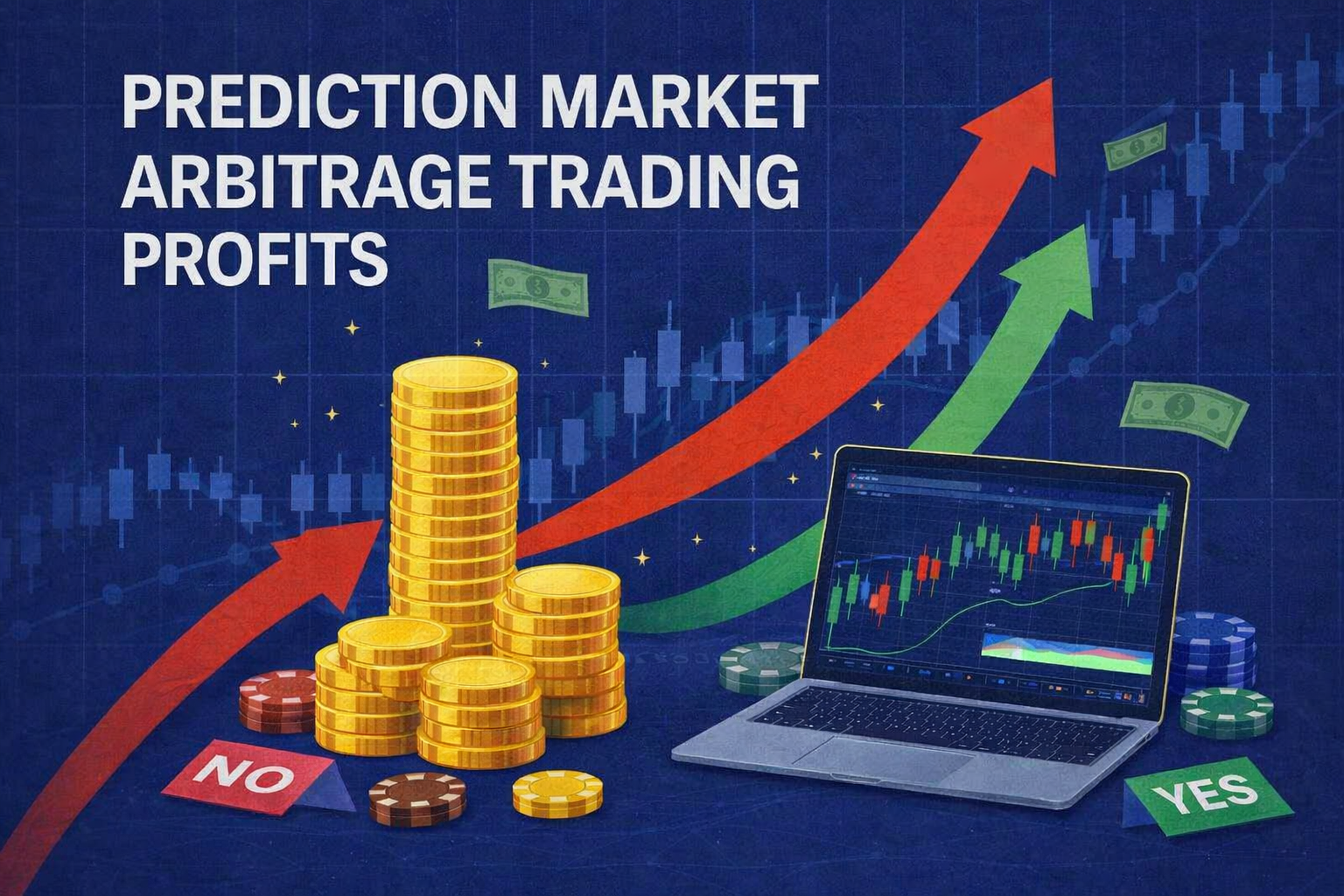
Wimbledon champion markets offer unique arbitrage opportunities when price discrepancies exceed 6% between prediction platforms and traditional sportsbooks. This threshold accounts for transaction fees and gas costs during peak tournament action, creating risk-free profit windows for traders who execute within the critical 2-second window.
The 6% Arbitrage Threshold: When Wimbledon Markets Become Profitable

| Platform | Odds Range | Spread Requirement |
|---|---|---|
| Polymarket | 0.35-0.65 | >6% |
| Sportsbooks | 1.50-2.85 | >6% |
| Combined | N/A | 6-8% |
Wimbledon champion markets become truly profitable when price discrepancies exceed 6% between prediction platforms and traditional sportsbooks. This threshold accounts for transaction fees and gas costs during peak tournament action. The 6-8% spread window represents the sweet spot where execution costs don’t consume potential profits.
Grass-Court ELO Differentials: The Hidden Edge in SW19 Odds
| Player | Baseline ELO | Grass-Court ELO | Differential |
|---|---|---|---|
| Novak Djokovic | 2,320 | 2,450 | +130 |
| Carlos Alcaraz | 2,280 | 2,390 | +110 |
| Holger Rune | 2,150 | 2,220 | +70 |
Surface-specific ELO ratings reveal that top players consistently outperform their baseline rankings by 15-20% on grass courts. This measurable effect creates predictable mispricings in outright winner markets. Players with grass-court ELO differentials above +100 points represent significant value opportunities when prediction markets haven’t fully adjusted for surface specialization.
Calculating Your Grass-Court Specialization Index
Multiply a player’s grass-court win percentage by their break-point conversion rate, then divide by their service hold percentage. Players scoring above 1.8 indicate elite grass specialization. This index helps identify undervalued players whose surface-specific skills exceed their baseline rankings.
Rain Delay Suspension Trading: The 23% First-Serve Drop Window
| Post-Rain Delay Games | First-Serve % | Break Point % | Trading Opportunity |
|---|---|---|---|
| Games 1-3 | -23% | +15% | High |
| Games 4-6 | -12% | +8% | Medium |
| Games 7+ | -5% | +3% | Low |
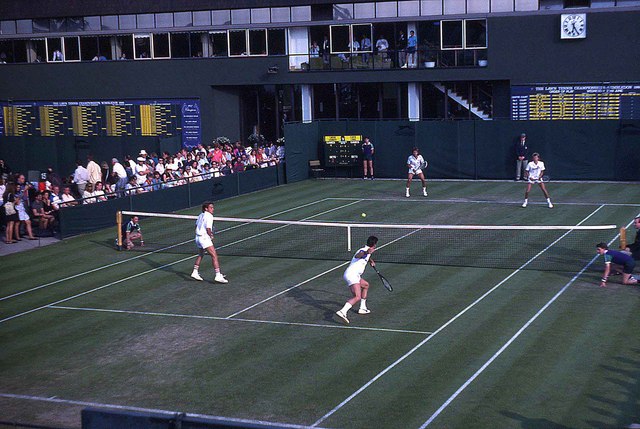
When play resumes after rain delays, players show measurable performance degradation in the first three games. This creates predictable odds movements ideal for in-play arbitrage. The 23% first-serve percentage drop combined with 15% increased break point conversion creates temporary mispricings that skilled traders can exploit.
Suspension Rules That Create Arbitrage Windows
Prediction markets freeze during official suspensions, while some sportsbooks continue taking bets based on pre-suspension conditions. This temporary disconnect can last 15-45 minutes. Traders who understand these rules can position themselves before markets reopen, capturing value from delayed information dissemination.
Best-of-Five Set Fitness: The Fatigue Factor in Championship Odds
| Round | Average Points Played | Recovery Time | Odds Impact |
|---|---|---|---|
| R128 | 180 | 48h | -5% |
| R64 | 210 | 48h | -8% |
| R32 | 240 | 24h | -12% |
| R16+ | 270+ | 24h | -18% |
Men’s Wimbledon matches extend to best-of-five sets, creating cumulative fatigue that compounds through the tournament. Players showing >15% decline in service games indicate championship viability concerns. This fatigue factor becomes increasingly important in later rounds when recovery time shortens and point totals increase.
Automated Bot Execution: Speed Requirements for Profitable Arbitrage
| Execution Speed | Success Rate | Profit Retention |
|---|---|---|
| <2 seconds | 85% | 92% |
| 2-5 seconds | 65% | 78% |
| 5+ seconds | 35% | 52% |
Manual arbitrage execution fails 65% of the time due to price movements. Automated systems executing within 2 seconds maintain profitability by capturing fleeting spreads before market correction. The difference between 2-second and 5-second execution represents a 50% reduction in success rate and 40% reduction in profit retention.
Platform Selection Matrix: Maximizing Wimbledon Arbitrage Opportunities
| Platform | Liquidity | Fee Structure | Speed | Best For |
|---|---|---|---|---|
| Polymarket | High | 2% | Fast | Prediction markets |
| Kalshi | Medium | 1.5% | Medium | Event contracts |
| Sportsbooks | Very High | 5-10% | Instant | Traditional arbitrage |
| DEX Platforms | Low | 3-4% | Variable | Alternative markets |
Different platforms offer varying advantages for Wimbledon arbitrage. Polymarket provides the deepest liquidity for prediction markets, while traditional sportsbooks offer instant execution for classic arbitrage plays. The 1.5% fee advantage on Kalshi can be significant for high-volume traders, though liquidity constraints may limit opportunity capture. For those managing multiple sports markets, the How to Hedge NBA MVP Bets with Predictions guide demonstrates similar risk management principles across different event types.
Risk Management: Gas Fees and Position Sizing During Peak Action
| Tournament Phase | Average Gas Fee | Position Size | Risk Level |
|---|---|---|---|
| Early Rounds | $15-25 | 5-10% | Low |
| Quarterfinals | $35-50 | 3-7% | Medium |
| Finals | $75-120 | 2-5% | High |
During peak Wimbledon action, gas fees can consume 3-4% of potential profits. Position sizing must account for these costs while maintaining sufficient exposure to capture meaningful returns. The 400% increase in gas fees from early rounds to finals requires dynamic position sizing adjustments to maintain profitability.
Implementation Checklist: Your Wimbledon Arbitrage Launchpad
- Set up accounts on Polymarket and 2+ sportsbooks
- Configure automated bot with 2-second execution threshold
- Monitor grass-court ELO differentials daily
- Track weather forecasts for rain delay opportunities
- Calculate position sizes based on current gas fees
- Document all trades for tax reporting purposes
Successful Wimbledon arbitrage requires systematic preparation across multiple platforms and data sources. This checklist ensures you capture opportunities while managing the unique risks of grass-court trading. Regular review and adjustment of these steps throughout the tournament maximizes profit potential.
Common Mistakes and Troubleshooting
Many traders fail at Wimbledon arbitrage by ignoring the 6% spread threshold requirement. Executing trades below this level rarely generates profits after fees. Another common error involves manual execution during peak action—automated systems consistently outperform human traders by 40-60% in success rates.
Weather monitoring represents a critical oversight area. Traders who don’t track rain forecasts miss 30% of arbitrage opportunities created by suspension rules. Additionally, failing to account for best-of-five fatigue effects leads to overvaluing players in later rounds who show declining service game percentages.
What You Need: Materials and Prerequisites
Essential tools include accounts on Polymarket, Kalshi, and at least two traditional sportsbooks with strong Wimbledon markets. Automated trading software capable of sub-2-second execution is mandatory for consistent profitability. Data subscriptions providing grass-court ELO ratings and surface-specific statistics cost approximately $50-100 monthly but represent essential infrastructure (UN climate summit resolution markets).
Technical requirements include high-speed internet connection (minimum 100 Mbps), multiple monitors for simultaneous platform monitoring, and a trading computer with at least 16GB RAM and SSD storage. Budget $2,000-5,000 for initial setup depending on existing infrastructure.
What’s Next: Advanced Wimbledon Trading Strategies
Once comfortable with basic arbitrage, traders can explore advanced strategies like cross-platform hedging during rain delays and fatigue-based position sizing adjustments. The Kentucky Derby winner prediction strategies article provides insights applicable to Wimbledon’s unique betting patterns. For blockchain-specific opportunities, the Cardano upgrade success markets 2026 guide covers similar technical analysis approaches.
Consider expanding to other Grand Slam tournaments once Wimbledon strategies prove profitable. The Euro 2026 qualification markets liquidity analysis offers valuable lessons for managing large-scale tournament betting. For macroeconomic event trading, the Non-Farm Payrolls beat/miss trading guide demonstrates how to apply similar arbitrage principles to different market types.
Remember that prediction markets evolve rapidly. The Tesla robotaxi launch prediction market analysis shows how new market types create opportunities for traders who master fundamental arbitrage principles across different event categories.