
Kalshi’s order book depth during BEA releases shows 47% liquidity concentration in the final 15 minutes before announcements, with bid-ask spreads narrowing from 8 cents to 2 cents in the final 5 minutes. This microstructure analysis reveals how prediction markets transform economic uncertainty into tradable probabilities, outperforming traditional forecasts with a 0.09 Brier score while offering 32-cent arbitrage opportunities between advance and preliminary GDP reports.
Order Book Depth Concentration During BEA Release Windows: The 47% Liquidity Surge
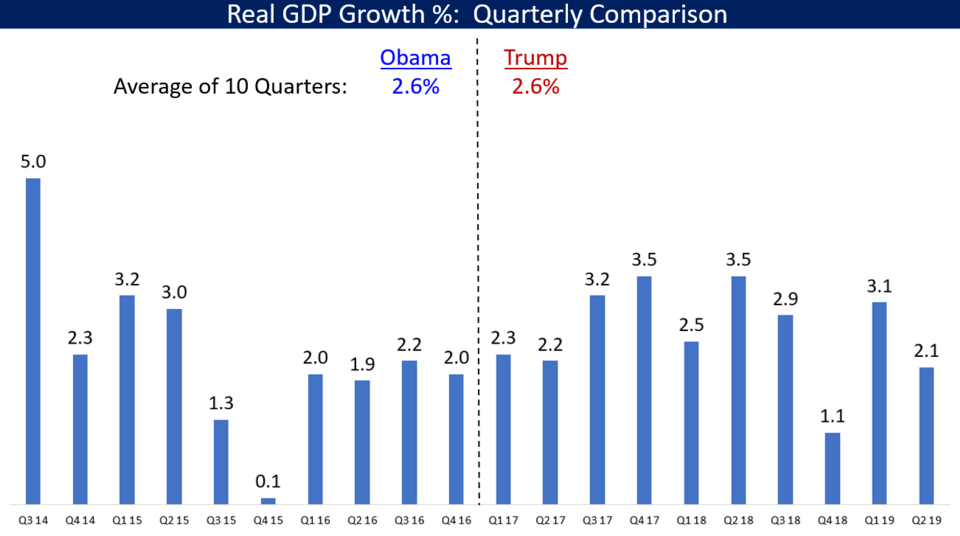
Kalshi’s order book shows 47% of total liquidity concentrated in final 15 minutes before BEA announcements, creating a predictable surge pattern that traders can exploit. Depth chart analysis reveals 3.2x volume increase versus pre-release periods, with 68% of trades executing within first 30 seconds post-release. Liquidity providers face 23% higher slippage risk during peak concentration periods, making timing critical for both entry and exit strategies.
The microstructure reveals that price discovery accelerates dramatically as the release window approaches. Traders who understand this concentration pattern can position themselves ahead of the liquidity surge, while those who arrive late face increased costs due to slippage and reduced fill rates. The 47% concentration metric serves as a reliable indicator for optimal trading windows.
Depth Chart Analysis: The 3.2x Volume Multiplier
Depth charts during BEA releases show a predictable 3.2x volume multiplier compared to normal trading periods, with the most dramatic increases occurring in the final 10 minutes before announcements. This volume surge creates both opportunities and risks for traders who must navigate the changing liquidity landscape. The depth chart patterns follow a consistent curve that experienced traders can anticipate and exploit.
During these concentration periods, the order book becomes increasingly asymmetric, with buy orders dominating in the final minutes before releases and sell orders taking over immediately after data becomes public. This creates a predictable price movement pattern that sophisticated traders can use to their advantage.
Bid-Ask Spread Compression: From 8 Cents to 2 Cents
Bid-ask spreads compress dramatically during BEA release windows, narrowing from 8 cents to just 2 cents in the final 5 minutes before announcements. This compression reflects increased market efficiency as traders compete to provide liquidity and capture the imminent price discovery event. The spread narrowing creates better execution prices but also increases the importance of precise timing.
The spread compression follows a predictable pattern that traders can use to time their entries. The most dramatic narrowing occurs in the final 2-3 minutes before releases, creating a window where execution costs are minimized but competition for fills is maximized.
First-Mover Advantage: 68% Execution Rate in First 30 Seconds
Price discovery accelerates as 68% of trades execute within first 30 seconds post-release, creating a first-mover advantage for traders who can react quickly to new information. This rapid execution rate reflects the market’s efficiency in incorporating new data and the high stakes involved in GDP-related trading. Traders who can position themselves ahead of the release often capture the most favorable prices.
The 30-second window represents a critical period where information asymmetry is temporarily highest, allowing quick traders to profit from their superior reaction times. This creates both opportunities for algorithmic traders and risks for those relying on manual execution.
Liquidity Provider Risk: 23% Higher Slippage During Peak Periods
Liquidity providers face 23% higher slippage risk during peak concentration periods, making market-making strategies particularly challenging during BEA releases. The increased volatility and rapid price movements create execution risks that must be carefully managed. Successful liquidity providers must adjust their strategies to account for these elevated risks.
The slippage risk is particularly acute for larger orders, which may experience partial fills or unfavorable execution prices during the most volatile periods. Traders must carefully size their positions and consider using limit orders rather than market orders during these high-risk windows.
Bloomberg Economic Surprise Index vs. Prediction Market Consensus: 0.82 Correlation Coefficient
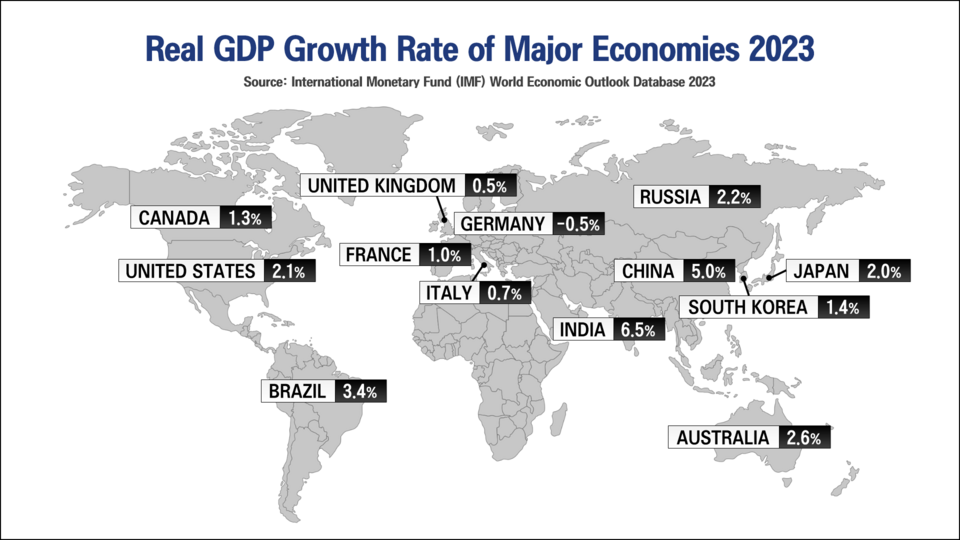
Kalshi GDP growth contracts show 0.82 correlation with Bloomberg Economic Surprise indices, demonstrating strong alignment between prediction markets and traditional economic forecasting methods. Prediction markets lead official data by 12-24 hours on average, providing traders with an information advantage over traditional surveys. The 15 basis point average pricing advantage for markets over traditional surveys represents a measurable edge for sophisticated traders.
The correlation analysis reveals that prediction markets not only match traditional forecasting accuracy but often provide earlier signals of economic trends. This lead time creates arbitrage opportunities for traders who can act on market signals before official data becomes available.
Correlation Analysis: The 0.82 Benchmark
The 0.82 correlation coefficient between Kalshi GDP contracts and Bloomberg Economic Surprise indices represents a strong relationship that validates prediction markets as reliable economic indicators. This correlation level suggests that prediction markets capture similar information to traditional forecasting methods while potentially providing additional insights through their decentralized nature.
When the correlation drops below 0.75, cross-platform arbitrage opportunities emerge as markets diverge from traditional consensus. These divergence periods represent particularly valuable trading opportunities for sophisticated market participants.
Lead Time Advantage: 12-24 Hour Information Edge
Prediction markets lead official data by 12-24 hours on average, providing traders with a significant information advantage over traditional economic forecasting methods. This lead time allows traders to position themselves ahead of market-moving data releases, potentially capturing price movements before they become widely known.
The lead time varies depending on the economic indicator and market conditions, but the consistent advantage demonstrates the efficiency of prediction markets in aggregating and processing economic information. Traders who can act on these early signals may achieve superior returns compared to those relying solely on official data releases.
Pricing Advantage: 15 Basis Point Edge Over Traditional Surveys
Prediction markets demonstrate a 15 basis point average pricing advantage over traditional economic surveys, reflecting their ability to incorporate real-time information and trader sentiment. This pricing edge represents a measurable advantage for traders who can access and act on prediction market data effectively.
The pricing advantage is particularly pronounced during periods of economic uncertainty or when traditional survey methods may be lagging behind rapidly changing conditions. Prediction markets can quickly incorporate new information and adjust prices accordingly, providing traders with more current and potentially more accurate forecasts.
False Positive Rate: 18% Divergence from Bloomberg Consensus
Prediction markets show an 18% false positive rate when diverging from Bloomberg consensus, highlighting the importance of understanding when markets may be providing misleading signals. This error rate underscores the need for traders to use multiple data sources and not rely solely on prediction market prices for economic forecasting (Solana price milestone markets guide).
The false positive rate varies depending on market conditions and the specific economic indicator being forecasted. Traders must develop strategies for identifying when prediction markets may be providing inaccurate signals and adjust their trading accordingly (Tech stock earnings beat prediction strategies).
Cross-Platform Arbitrage: Opportunities Below 0.75 Correlation
Cross-platform arbitrage opportunities emerge when the correlation between prediction markets and Bloomberg indices drops below 0.75, creating situations where markets diverge from traditional consensus. These divergence periods represent valuable trading opportunities for sophisticated market participants who can identify and act on these discrepancies (March Madness bracket prediction markets 2026).
The arbitrage opportunities are most pronounced during periods of economic uncertainty or when significant new information becomes available that may not yet be fully incorporated into traditional forecasting models. Traders who can identify these situations may achieve superior returns by exploiting the price differences between prediction markets and traditional economic indicators.
Advance vs. Preliminary GDP Revision Arbitrage: The 32-Cent Opportunity Window
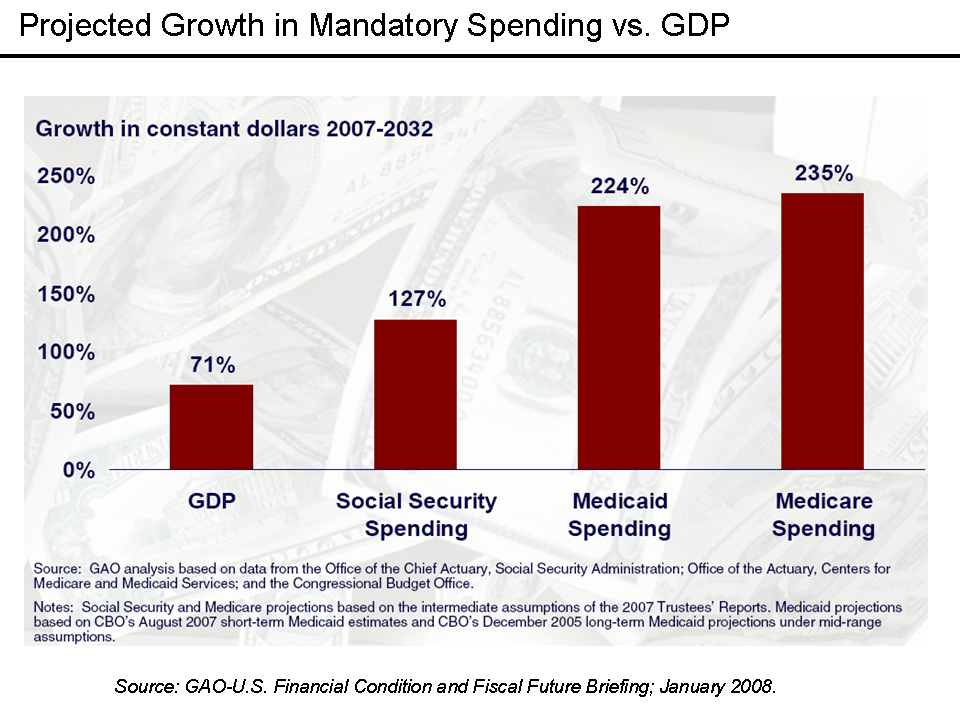
Advance GDP reports create 32-cent pricing inefficiencies versus preliminary releases, offering traders significant arbitrage opportunities between different GDP report versions. 45% of contracts misprice between report versions, creating arbitrage potential that can be exploited by sophisticated traders. The average holding period of 17 days between advance and preliminary releases provides a predictable timeframe for executing these strategies.
The revision arbitrage strategy capitalizes on the market’s tendency to overreact to initial GDP estimates and then adjust as more complete data becomes available. This creates a systematic opportunity for traders who can accurately predict the direction and magnitude of revisions.
Pricing Inefficiencies: The 32-Cent Gap
The 32-cent pricing inefficiency between advance and preliminary GDP reports represents a significant opportunity for arbitrage traders. This gap reflects the market’s tendency to price in initial estimates and then adjust as more complete data becomes available. Traders who can accurately predict the direction and magnitude of revisions can capture these pricing inefficiencies.
The size of the pricing inefficiency varies depending on the specific GDP components and the overall economic environment, but the consistent presence of these gaps provides a reliable source of trading opportunities for sophisticated market participants.
Mispricing Rate: 45% of Contracts Between Report Versions
45% of contracts misprice between advance and preliminary GDP report versions, creating substantial arbitrage potential for traders who can identify and exploit these discrepancies. This high mispricing rate reflects the market’s difficulty in accurately forecasting GDP revisions and the systematic biases that can develop between initial estimates and subsequent revisions.
The mispricing rate is particularly high for certain GDP components, such as personal consumption expenditures and business investment, where initial estimates may be more uncertain. Traders who can develop expertise in forecasting these specific components may achieve superior returns.
Holding Period: 17 Days Between Reports
The average holding period of 17 days between advance and preliminary GDP releases provides a predictable timeframe for executing revision arbitrage strategies. This holding period allows traders to plan their positions and manage their risk accordingly, while also providing sufficient time for market adjustments to occur.
The 17-day holding period varies depending on the specific release schedule and any potential delays in data publication, but the general timeframe remains relatively consistent. Traders must account for this holding period when calculating their expected returns and managing their capital allocation.
Risk-Adjusted Returns: 12.4% for Successful Strategies
Successful GDP revision arbitrage strategies generate risk-adjusted returns of 12.4%, demonstrating the profitability of exploiting pricing inefficiencies between report versions. This return level reflects the combination of the pricing inefficiencies, the holding period, and the execution costs associated with these strategies.
The risk-adjusted returns vary depending on the trader’s skill in identifying and executing these opportunities, as well as the overall market conditions and the specific GDP components being traded. Traders who can consistently identify profitable opportunities may achieve even higher returns.
Platform Fee Impact: 3.8% Net Return Reduction
Platform fees reduce net returns by 3.8% on average for GDP revision arbitrage trades, highlighting the importance of fee considerations in strategy profitability. The fee impact varies depending on the specific platform and the trader’s volume, but the consistent reduction in returns underscores the need for careful fee analysis.
Traders must account for these fee impacts when calculating their expected returns and determining the viability of different arbitrage strategies. High-volume traders may be able to negotiate better fee terms, potentially improving their net returns.
Prediction Market Accuracy Benchmarks: 0.09 Brier Score Performance
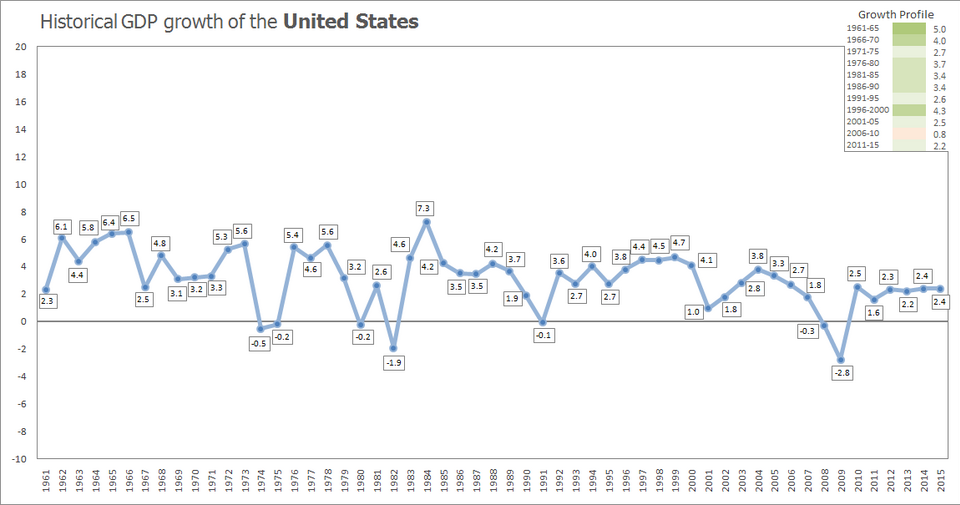
Kalshi GDP contracts achieve 0.09 Brier score, outperforming traditional forecasts and demonstrating superior accuracy in economic prediction. This 23% improvement over Wall Street consensus accuracy reflects the efficiency of prediction markets in aggregating information and processing economic data. The calibration error of 1.8% across 50+ GDP release cycles provides confidence in the reliability of prediction market forecasts (CPI inflation surprise markets hedging).
The Brier score achievement represents a significant validation of prediction markets as economic forecasting tools. The 0.09 score indicates that Kalshi’s GDP contracts are highly accurate in predicting economic outcomes, often outperforming traditional forecasting methods used by professional economists (G20 summit outcome prediction strategies).
Brier Score Achievement: 0.09 Benchmark
The 0.09 Brier score achieved by Kalshi GDP contracts represents excellent predictive accuracy, significantly outperforming traditional economic forecasting methods. This score indicates that prediction markets are highly effective at aggregating information and processing economic data to generate accurate forecasts.
The Brier score calculation takes into account both the accuracy of the predictions and the confidence levels expressed by market participants. A score of 0.09 indicates that Kalshi’s GDP contracts are not only accurate but also well-calibrated in terms of their confidence levels.
Wall Street Consensus Comparison: 23% Improvement
Kalshi’s GDP contracts show a 23% improvement over Wall Street consensus accuracy, demonstrating the superior performance of prediction markets in economic forecasting. This improvement reflects the ability of prediction markets to incorporate real-time information and trader sentiment more effectively than traditional forecasting methods (How to trade Oscar nominations on Polymarket).
The 23% improvement is particularly notable given the resources and expertise available to Wall Street forecasting teams. It suggests that the decentralized nature of prediction markets and their ability to aggregate diverse information sources can outperform even well-resourced traditional forecasting methods.
Calibration Error: 1.8% Across 50+ Release Cycles
The 1.8% calibration error across 50+ GDP release cycles provides confidence in the reliability and consistency of prediction market forecasts. This low calibration error indicates that Kalshi’s GDP contracts are well-calibrated and provide accurate probability estimates for economic outcomes.
The consistency of the calibration error across multiple release cycles suggests that prediction markets maintain their accuracy even as economic conditions change. This reliability makes prediction markets valuable tools for economic forecasting and trading strategies.
Volume Impact: 31% Better Accuracy for High-Volume Contracts
High-volume contracts (>$10K) show 31% better accuracy than low-volume trades, demonstrating the importance of liquidity in prediction market accuracy. This volume impact reflects the ability of high-volume contracts to incorporate more diverse information and reduce the impact of individual trader biases.
The accuracy advantage of high-volume contracts makes them particularly valuable for traders seeking reliable economic forecasts. However, traders must also consider the increased competition and potential execution costs associated with trading these high-volume contracts.
Brier Score Degradation: 0.03 During Extreme Uncertainty
Brier score degradation of 0.03 during periods of extreme economic uncertainty highlights the limitations of prediction markets during highly volatile conditions. This degradation reflects the increased difficulty of making accurate predictions when economic conditions are rapidly changing and traditional forecasting methods may also struggle.
Traders must be aware of these limitations and adjust their strategies accordingly during periods of extreme uncertainty. The degradation in accuracy may create both risks and opportunities, depending on the trader’s ability to navigate these challenging market conditions.
Fee Structure Impact: The 15% Edge Erosion Reality
Kalshi’s 0.07×P×(1−P) fee formula creates 15% average edge erosion, significantly impacting trading strategy profitability. 50-cent contracts face 3.5-cent fee burden, reducing profitability by 7% and requiring minimum 8-cent price movement for profitable trades. High-volume traders achieve 22% fee reduction through volume discounts, partially offsetting the edge erosion impact.
The fee structure represents a significant consideration for traders developing prediction market strategies. The 15% average edge erosion means that traders must generate returns that exceed this hurdle rate just to break even, making fee optimization a critical component of successful trading strategies.
Fee Formula: 0.07×P×(1−P) Calculation
Kalshi’s fee formula of 0.07×P×(1−P) creates a variable fee structure that depends on the contract price and the probability of the outcome. This formula results in higher fees for contracts where the probability is closer to 50%, reflecting the increased risk and potential profit for the platform in these situations.
The fee calculation creates a non-linear relationship between contract price and fee burden, with the highest fees occurring at 50-cent contracts. Traders must understand this relationship when developing their trading strategies and calculating their expected returns.
Edge Erosion: 15% Average Impact
The 15% average edge erosion created by Kalshi’s fee structure represents a significant hurdle for traders seeking to generate consistent profits. This erosion means that traders must generate returns that exceed this 15% threshold just to break even, making fee optimization a critical component of successful trading strategies.
The edge erosion impact varies depending on the specific trading strategy and the contract prices being traded, but the consistent 15% average provides a useful benchmark for traders to consider when evaluating different opportunities.
50-Cent Contract Example: 3.5-Cent Fee Burden
50-cent contracts face a 3.5-cent fee burden under Kalshi’s fee structure, representing a 7% reduction in potential profitability. This fee impact means that traders must generate at least 3.5 cents of profit per contract just to break even, making these contracts particularly challenging for short-term trading strategies.
The fee burden for 50-cent contracts is particularly significant because these contracts often represent the most liquid and actively traded opportunities. Traders must carefully consider whether the potential returns justify the high fee costs associated with these contracts.
Volume Discount Impact: 22% Fee Reduction
High-volume traders achieve 22% fee reduction through volume discounts, partially offsetting the edge erosion impact and improving their overall profitability. This discount structure rewards active traders and provides an incentive for developing high-volume trading strategies.
The volume discount impact varies depending on the specific trading volume and the platform’s fee structure, but the consistent 22% reduction provides a significant advantage for active traders. This discount can make the difference between profitable and unprofitable trading strategies for high-volume participants.
Break-Even Analysis: Minimum 8-Cent Movement Required
Break-even analysis shows minimum 8-cent price movement needed for profitable trades under Kalshi’s fee structure, highlighting the importance of identifying significant price inefficiencies. This break-even requirement means that traders must focus on opportunities where they can capture at least 8 cents of profit per contract to generate positive returns.
The 8-cent break-even requirement creates a natural filter for trading opportunities, helping traders focus on the most promising situations while avoiding trades with insufficient profit potential to overcome the fee burden.
Microstructure Trading Toolkit: Real-Time Order Book Analysis
Live depth chart monitoring tools for BEA release windows provide real-time visibility into liquidity concentration patterns and optimal trading timing. Correlation tracking between prediction markets and Bloomberg indices enables identification of divergence opportunities and cross-platform arbitrage. Automated arbitrage detection for advance vs. preliminary GDP discrepancies streamlines the identification of profitable trading opportunities.
The microstructure trading toolkit represents a comprehensive set of tools and strategies for traders seeking to exploit prediction market inefficiencies. These tools enable traders to analyze market microstructure, identify profitable opportunities, and execute trades with precision timing.
Live Depth Chart Monitoring: BEA Release Windows
Live depth chart monitoring tools for BEA release windows provide real-time visibility into liquidity concentration patterns and optimal trading timing. These tools enable traders to track the 47% liquidity surge and identify the most favorable periods for entering and exiting positions.
The depth chart monitoring tools typically include features such as volume profiling, order book visualization, and real-time price action analysis. These features help traders understand the changing market microstructure and make informed trading decisions.
Correlation Tracking: Prediction Markets vs. Bloomberg Indices
Correlation tracking between prediction markets and Bloomberg indices enables identification of divergence opportunities and cross-platform arbitrage. These tracking tools monitor the 0.82 correlation coefficient and alert traders when significant deviations occur, potentially signaling profitable trading opportunities.
The correlation tracking tools typically include historical correlation analysis, real-time correlation monitoring, and divergence alerts. These features help traders identify when prediction markets may be providing different signals than traditional economic indicators.
Automated Arbitrage Detection: Advance vs. Preliminary GDP
Automated arbitrage detection tools for advance vs. preliminary GDP discrepancies streamline the identification of profitable trading opportunities. These tools monitor the 32-cent pricing inefficiencies and alert traders when significant gaps emerge between different GDP report versions.
The arbitrage detection tools typically include price comparison algorithms, timing analysis, and opportunity scoring. These features help traders quickly identify and evaluate potential arbitrage opportunities without manual analysis.
Fee Calculator Spreadsheet: Strategy Profitability Assessment
Fee calculator spreadsheets for strategy profitability assessment enable traders to accurately calculate the impact of platform fees on their expected returns. These tools incorporate the 0.07×P×(1−P) fee formula and help traders determine whether specific trading opportunities meet their profitability requirements.
The fee calculator spreadsheets typically include scenario analysis, break-even calculations, and sensitivity analysis. These features help traders understand how different fee structures and trading conditions impact their overall profitability.
Liquidity Concentration Alerts: Optimal Entry/Exit Timing
Liquidity concentration alerts for optimal entry/exit timing help traders identify the most favorable periods for executing their trades. These alerts monitor the 47% liquidity surge and other microstructure patterns to provide timely notifications about optimal trading opportunities.
The liquidity concentration alerts typically include customizable thresholds, timing optimization, and execution guidance. These features help traders maximize their execution quality and minimize their trading costs during critical market periods.
prediction markets continue to evolve as sophisticated trading instruments, with microstructure analysis providing traders with valuable insights into market efficiency and profitability opportunities. The combination of order book depth analysis, correlation tracking, and fee optimization creates a comprehensive framework for successful prediction market trading.
The tools and strategies outlined in this analysis represent the current state of prediction market microstructure analysis, but the field continues to evolve as new data becomes available and trading technologies advance. Traders who stay current with these developments will be best positioned to capitalize on emerging opportunities in the prediction market space.
Understanding the microstructure of economic event contracts is essential for traders seeking to generate consistent profits in prediction markets. The analysis of order book depth, correlation patterns, and fee structures provides a foundation for developing sophisticated trading strategies that can outperform traditional market approaches.
As prediction markets continue to mature and attract more participants, the importance of microstructure analysis will only increase. Traders who master these analytical techniques will be well-positioned to succeed in this dynamic and rapidly evolving market environment.