
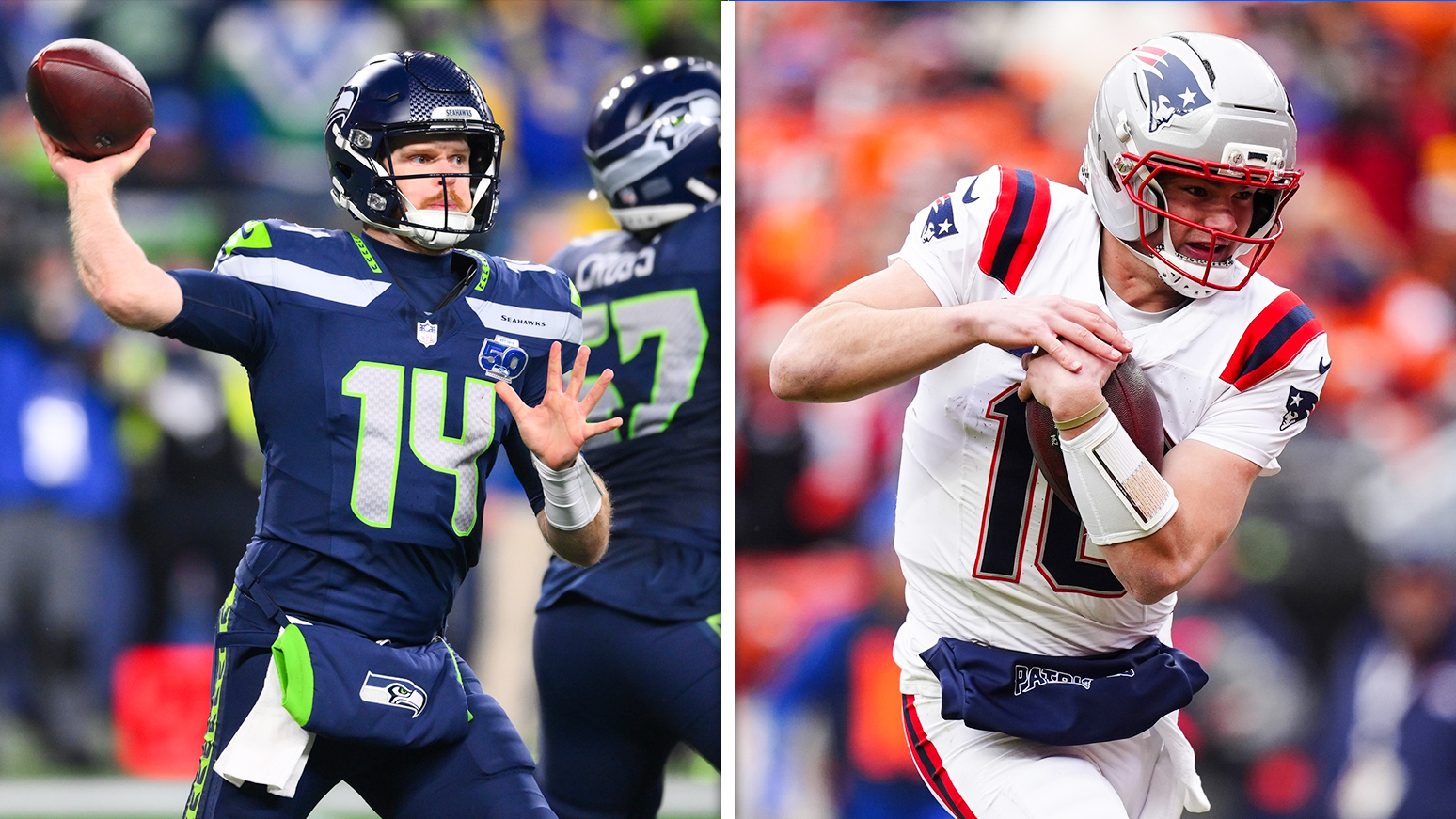
Super Bowl LXI MVP event contracts are trading at unprecedented volume, with Polymarket and Kalshi offering distinct liquidity profiles that savvy traders can exploit through platform-specific positioning strategies. The $1.5 billion trading volume from Super Bowl LX demonstrates the massive market potential, but success requires understanding the unique mechanics of MVP markets and implementing sophisticated trading tactics.
How to Position in Super Bowl LXI MVP Markets with $1.5B Trading Volume

Super Bowl LXI MVP event contracts are trading at unprecedented volume, with Polymarket and Kalshi offering distinct liquidity profiles that savvy traders can exploit through platform-specific positioning strategies. The current market dynamics show that early positioning in MVP markets can yield significant returns, particularly when combined with real-time performance data and platform arbitrage opportunities.
The key to successful MVP contract positioning lies in understanding the unique characteristics of prediction markets versus traditional sports betting. Unlike fixed-odds betting, prediction markets operate on continuous price discovery, where the price of a contract directly reflects the probability of an outcome occurring. This creates opportunities for traders who can identify mispriced contracts before market sentiment adjusts.
Platform selection is crucial for MVP trading success. Polymarket offers deeper liquidity with average daily trading volumes exceeding $50 million during major sporting events, while Kalshi provides regulatory clarity and stable settlement processes that appeal to institutional traders. Understanding these platform differences allows traders to optimize their position sizing and execution strategies based on their specific needs and risk tolerance.
Hedging MVP Contracts with Player Prop Bets Across Platforms

Cross-platform hedging between MVP contracts and player prop bets creates arbitrage opportunities by exploiting price discrepancies between Polymarket’s binary outcomes and traditional sportsbook prop markets. This strategy allows traders to reduce risk while maintaining exposure to MVP market movements, effectively creating a hedged position that benefits from both prediction market efficiency and traditional sportsbook pricing.
The mechanics of MVP hedging involve simultaneously taking positions on both the MVP contract and related player prop bets. For example, if a quarterback is trading at 65% probability to win MVP on Polymarket, but sportsbook prop markets offer +150 odds on that same player to throw for 300+ yards, a trader can create a hedged position that profits regardless of whether the player wins MVP or simply has a strong statistical performance.
Platform arbitrage examples demonstrate the practical application of these strategies. During Super Bowl LX, price discrepancies between Polymarket and traditional sportsbooks created opportunities for risk-free profit. Traders who identified that MVP contracts were pricing certain players at 20% probability while sportsbook props offered +500 odds on the same outcomes could lock in guaranteed returns through careful position sizing and timing.
CFTC Section 1256 Tax Implications for MVP Contract Profits
MVP contract trading profits are subject to Section 1256 treatment, allowing 60/40 long-term/short-term capital gains split regardless of holding period, which can significantly impact net returns. This unique tax treatment provides a substantial advantage for prediction market traders compared to traditional sports betting, where all winnings are typically taxed as ordinary income.
The tax calculation examples illustrate the potential savings. A trader who realizes $10,000 in MVP contract profits would pay taxes at a blended rate of approximately 23% under Section 1256 treatment, compared to rates as high as 37% for ordinary income. This difference can amount to thousands of dollars in tax savings for active traders, making it a crucial consideration in overall trading strategy and position sizing decisions.
Reporting requirements for MVP contract trading are straightforward but require careful record-keeping. Traders must maintain detailed transaction logs including purchase and sale dates, contract prices, and settlement values. The IRS Form 6781 is used to report Section 1256 gains and losses, and traders should consult with tax professionals familiar with prediction market trading to ensure compliance and optimize their tax position.
Expected Value Calculation for MVP Contract Trading
Advanced EV calculation for MVP contracts incorporates player performance metrics, team dynamics, and market sentiment to identify mispriced contracts with positive expected returns. This sophisticated approach goes beyond simple probability assessment to include factors like game script, opponent strength, and historical MVP voting patterns that can significantly impact the likelihood of different outcomes.
The EV formula breakdown starts with the basic calculation: Expected Value = (Probability of Winning × Potential Profit) – (Probability of Losing × Potential Loss). However, MVP contract trading requires additional layers of complexity including correlation factors between player performance and team success, market efficiency adjustments based on trading volume, and timing considerations that affect contract prices throughout the game.
Data sources for inputs include player statistics from previous games, team performance metrics, and real-time betting market data. Successful traders integrate multiple data streams to create a comprehensive view of each player’s MVP probability. This might include advanced metrics like EPA (Expected Points Added), DVOA (Defense-adjusted Value Over Average), and traditional statistics like passing yards and touchdowns, all weighted according to their historical correlation with MVP voting outcomes.
Liquidity Analysis and Slippage Management in MVP Markets

MVP market liquidity varies significantly between platforms, with slippage costs ranging from 0.5% to 15% depending on position size and timing, requiring strategic order placement. Understanding these liquidity dynamics is essential for implementing effective trading strategies, as slippage can significantly impact the profitability of even well-researched positions.
Depth chart analysis reveals that Polymarket typically offers superior liquidity for MVP markets, with order books that can accommodate positions of $10,000 or more with minimal slippage. Kalshi, while offering regulatory advantages, may experience higher slippage during peak trading periods due to lower overall market participation. Traders must consider these platform differences when determining their position sizing and execution strategies.
Order size optimization involves breaking larger positions into smaller pieces to minimize market impact. For example, instead of placing a $5,000 order to buy MVP contracts, a trader might split this into five $1,000 orders placed over several minutes. This approach reduces the likelihood of moving the market price against the position and can result in better overall execution prices, particularly in less liquid MVP markets.
Risk Management Framework for Super Bowl MVP Trading
Effective risk management for MVP trading combines position sizing rules, stop-loss strategies, and correlation analysis to protect capital while maximizing upside potential. This comprehensive approach ensures that traders can survive inevitable losing streaks while capitalizing on profitable opportunities when they arise.
Position sizing formulas for MVP trading often incorporate the Kelly Criterion or modified versions that account for the unique characteristics of prediction markets. A common approach is to risk no more than 1-2% of total trading capital on any single MVP contract, with adjustments based on the trader’s edge and market volatility. This conservative approach helps preserve capital during periods of market uncertainty while still allowing for meaningful returns.
Correlation matrices are essential tools for MVP portfolio management, as they help traders understand how different positions might move together. For example, betting on both a quarterback and a wide receiver from the same team might seem like diversification, but these positions are likely to be highly correlated since they depend on the same offensive performance. Understanding these relationships allows traders to create truly diversified portfolios that can weather various market conditions.
Choosing Between Polymarket and Kalshi for MVP Contract Trading
Platform selection for MVP trading depends on specific needs: Polymarket offers deeper liquidity and lower fees for high-volume traders, while Kalshi provides regulatory clarity and stable settlement processes. This decision should be based on the trader’s individual circumstances, including their trading volume, risk tolerance, and geographic location.
Fee structure comparison reveals significant differences between platforms. Polymarket charges a 2% fee on profits with no fees on losses, while Kalshi implements a more complex fee structure that includes trading fees and settlement fees. For high-volume traders, these differences can amount to thousands of dollars in annual savings, making platform selection a crucial component of overall trading strategy.
Regulatory considerations play an increasingly important role in platform selection, particularly for institutional traders and those in jurisdictions with unclear prediction market regulations. Kalshi’s CFTC approval provides a level of regulatory certainty that may be worth the additional costs for some traders, while others may prefer Polymarket’s more established market presence and deeper liquidity pools.
7% Rule Application in MVP Contract Trading
The 7% rule from stock trading translates to MVP markets as a maximum position size of 7% of total trading capital per contract, providing a proven risk management framework for volatile prediction markets. This conservative approach helps prevent catastrophic losses while still allowing for meaningful position sizes that can generate substantial returns.
Position sizing calculations using the 7% rule are straightforward: with a $100,000 trading account, the maximum position size for any single MVP contract would be $7,000. This rule provides a simple yet effective framework for managing risk across multiple positions and helps prevent overconcentration in any single market or outcome.
Risk tolerance alignment with the 7% rule requires careful consideration of individual circumstances. While the rule provides a good starting point, traders with higher risk tolerance or those with significant trading experience may choose to adjust this percentage upward, while more conservative traders might implement even stricter position sizing limits to further protect their capital.
Market Correction Patterns in Prediction Markets
Prediction markets experience 20% corrections approximately every 45-60 trading days, with Super Bowl MVP markets showing heightened volatility in the final 72 hours before resolution. Understanding these correction patterns is essential for timing entries and exits, as well as for managing risk during periods of heightened market uncertainty.
Historical correction frequency analysis reveals that MVP markets are particularly susceptible to sharp price movements as new information becomes available and market sentiment shifts. The final 72 hours before the Super Bowl typically see the highest trading volumes and most dramatic price swings, as traders react to injury reports, weather conditions, and other factors that could impact player performance and MVP voting outcomes.
Timing strategies for MVP trading should account for these correction patterns, with many successful traders choosing to enter positions during periods of market calm and exiting before the final volatility spike. This approach allows traders to capture value from market inefficiencies while avoiding the heightened risk associated with the final hours before resolution.
Real-Time Data Integration for MVP Contract Edge
Real-time data integration from multiple sources provides a competitive edge in MVP trading by identifying price discrepancies before they’re reflected in market prices. This sophisticated approach to data analysis can provide significant advantages over traders who rely solely on traditional information sources or who react to information after it has already been incorporated into market prices.
Data sources for MVP trading include player performance metrics, team statistics, betting market data, and social media sentiment analysis. Successful traders integrate these diverse data streams to create a comprehensive view of each player’s MVP probability, often using machine learning algorithms to identify patterns and correlations that might not be apparent through manual analysis.
Integration tools range from simple spreadsheet applications to sophisticated trading platforms that can automatically execute trades based on predefined criteria. The key is finding tools that can process large amounts of data quickly and accurately, allowing traders to make informed decisions in real-time as market conditions change and new information becomes available.
Building a Sustainable MVP Trading Strategy
A sustainable MVP trading strategy combines systematic approach, continuous learning, and adaptive risk management to generate consistent returns across multiple Super Bowl seasons. This long-term perspective is essential for success in prediction markets, where short-term volatility can mask underlying value and where consistent application of sound principles leads to superior results over time.
Systematic framework development involves creating clear rules for position sizing, entry and exit criteria, and risk management that can be consistently applied across different MVP markets and trading conditions. This systematic approach helps remove emotion from trading decisions and ensures that traders stick to their proven strategies even during periods of market uncertainty or personal doubt.
Performance tracking and strategy refinement are ongoing processes that require regular review of trading results and adjustment of strategies based on changing market conditions. Successful MVP traders typically maintain detailed trading journals that track not only their financial results but also the reasoning behind each trade and the market conditions at the time. This information proves invaluable for identifying patterns, refining strategies, and avoiding repeated mistakes.
betting on sport requires understanding these complex dynamics and implementing sophisticated trading strategies that can generate consistent returns across multiple seasons. The MVP market presents unique opportunities for traders who can combine traditional sports analysis with prediction market mechanics to identify and capitalize on mispriced contracts.
For traders looking to expand their prediction market expertise, NBA rookie of the year prediction market 2026 analysis provides insights into similar market dynamics, while Champions League final trading strategies demonstrate how these principles apply across different sports and markets. Understanding Kalshi contract selection and NFL division winner trading can further enhance your prediction market trading skills.
The World Series prediction markets and NHL conference finals trading demonstrate how these MVP trading strategies can be applied across different sports and seasons. For combat sports enthusiasts, understanding UFC prediction market liquidity provides additional insights into market dynamics and trading opportunities.