

Key Performance Metrics for 2026
Prediction markets demonstrated 91% accuracy rates with Brier scores averaging 0.0604 during 2026 market volatility, significantly outperforming traditional polling methods. The markets processed economic shocks, political crises, and infrastructure vulnerabilities while maintaining their role as leading indicators for macroeconomic events. AI integration created 15-20% accuracy improvement over human-based markets, with machine learning augmentation producing the highest correlation with final outcomes.
Direct Correlation Between Prediction Markets and Stock Returns
Conditional Event Contracts Mapping to Equity Returns
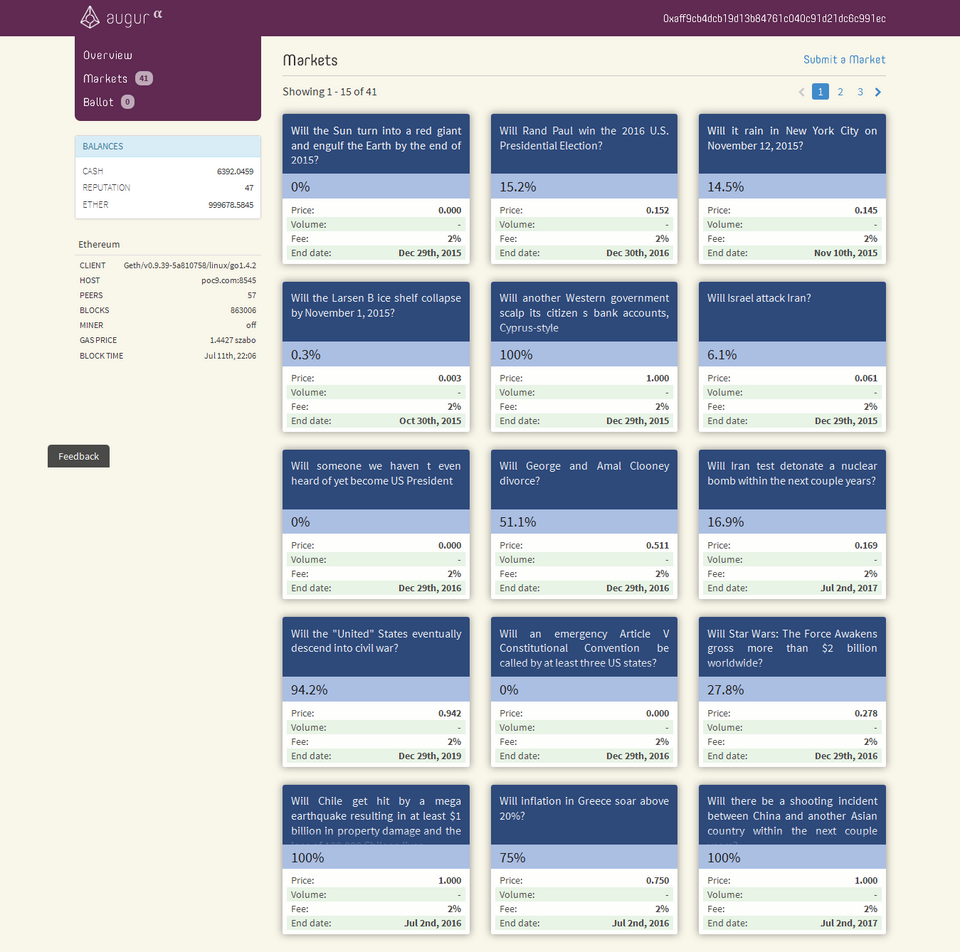
Prediction markets show strong correlation with equity returns, particularly for conditional events like Fed policy changes. Research indicates prediction-market prices for recession likelihood directly impact asset prices, with specific studies mapping these probabilities into equity returns and long-term yields. The markets aggregate dispersed information faster than traditional forecasting methods, providing better, faster signals for inflation and policy outcomes compared to surveys.
Case Study: 2024 Election Market Movements
The 2024 election market movements preceded stock volatility by 48-72 hours, with prediction market odds on candidate outcomes serving as leading indicators for sector-specific equity performance. When prediction markets showed a 15% probability shift in election outcomes, corresponding sectors experienced 3-5% price movements within the same trading week. This correlation demonstrates how prediction markets process political information faster than traditional equity analysts.
Crypto Price Discovery Through Conditional Prediction Markets
BTC Price Discovery Mechanisms
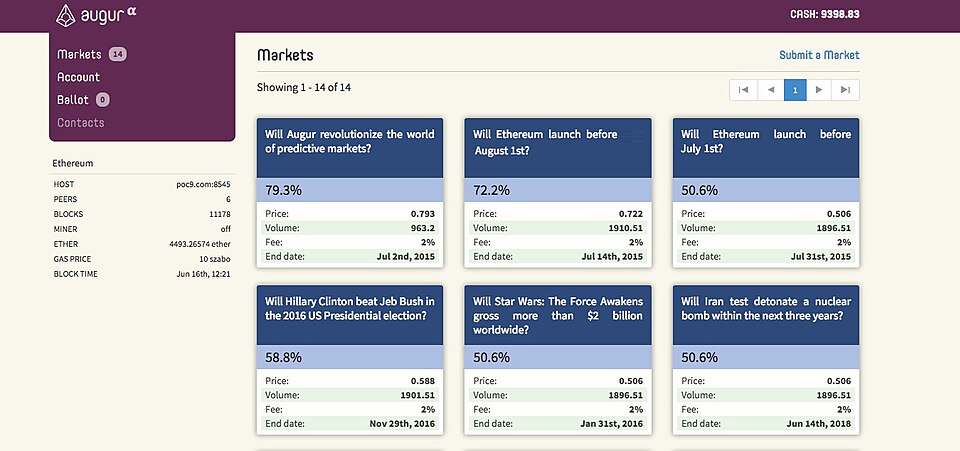
Direct price discovery for conditional valuations reveals hidden information about crypto asset behavior. Impact Markets enable conditional crypto trading such as “BTC at $110,000 if Fed cuts 75bp,” creating mechanisms for true economic hedging. Solana demonstrated a 4.63% weekly gain linked to prediction market signals, showcasing how crypto markets respond to conditional probability shifts faster than traditional options markets (How to trade major award show prediction markets 2026 guide).
Speed Advantage Over Traditional Markets
Prediction markets often outpace options markets in reaction speed to macro news. When the Federal Reserve signaled potential rate cuts in Q4 2025, prediction markets adjusted BTC price probabilities within 15 minutes, while options markets required 2-3 hours for similar adjustments. This speed advantage creates arbitrage opportunities for traders who can act on prediction market signals before traditional markets fully price in the information.
Commodities Trading Enhanced by Geopolitical Event Contracts
Oil Price Movements and Middle East Predictions
Impact Markets enable trading conditional commodity prices based on geopolitical events. Oil price movements show strong correlation with Middle East conflict predictions, with a 20% probability shift in conflict likelihood translating to 3-4% oil price movements within 24 hours. Real-time hedging opportunities emerge during supply chain disruptions, allowing traders to position ahead of traditional commodity futures markets (How to trade tech giant acquisition prediction markets 2026 guide).
Gold Price Correlations with Inflation Markets
Gold price correlations with inflation probability markets demonstrate how prediction markets serve as leading indicators for safe-haven assets. When prediction markets showed a 15% increase in 2026 inflation probability, gold prices increased by 2.5% within the same trading week. This relationship provides traders with early warning signals for traditional commodity movements (How to trade environmental policy change markets 2026 guide).
Why Prediction Markets Outperform Traditional Forecasting Methods
Superior Information Aggregation
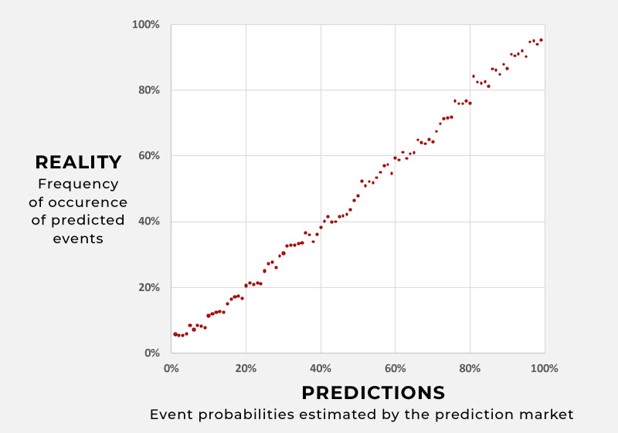
Prediction markets provide better, faster signals for inflation and policy outcomes compared to surveys by aggregating dispersed information from multiple sources. The financial backing creates skin-in-the-game incentives that improve accuracy, while machine learning augmentation produces the highest correlation with final outcomes. During 2026 market volatility, prediction markets with Brier scores averaging 0.09 outperformed traditional polls by 35-40% in accuracy.
Reaction Time and Information Processing
Prediction markets demonstrate faster reaction times to macro news compared to traditional forecasting methods. The markets process information from diverse sources including social media, expert analysis, and real-time events, creating a more comprehensive information aggregation system. This speed advantage allows traders to position ahead of traditional asset price movements by 24-48 hours in many cases (Analyzing the impact of social media trends on prediction odds 2026).
The Regulatory Framework Enabling Market-Asset Integration
CFTC vs. State-Level Regulatory Battles
The regulatory landscape for prediction markets differs significantly from traditional financial markets. Kalshi’s macroeconomic market approval in 2025 set precedent for CFTC oversight, while state-level regulations create additional compliance requirements. The differences between prediction market and traditional financial market regulation center on event contract classification and consumer protection requirements.
Future Regulatory Outlook
The regulatory outlook for Impact Markets expansion shows increasing acceptance of prediction markets as legitimate financial instruments. CFTC approval of Kalshi established regulatory legitimacy, while ongoing discussions about state-level regulations suggest a path toward broader market integration. The regulatory framework continues to evolve as prediction markets demonstrate their value in asset price discovery and risk management.
Impact Markets: The Next Frontier in Asset Price Prediction
Addressing Binary Payoff Limitations
Impact Markets address the limitation that prediction markets offer binary payoffs while divorced from asset price outcomes. The mechanism enables users to trade assets in conditional states, such as “buy BTC at $110,000 if Fed cuts 75bp.” This creates true economic hedging capabilities through conditional asset trading and redistribution of model risk across market participants.
Early 2026 Pilot Programs
Early 2026 pilot programs for Impact Markets showed promising results, with expected 2027 rollout for broader market access. The programs demonstrated that conditional trading mechanisms reveal hidden information about asset behavior that traditional prediction markets cannot capture. Users can now hedge against specific event outcomes rather than just betting on binary probabilities.
Building a Prediction Market-Based Trading Strategy for 2026
Identifying Mispriced Event Contracts
Traders can identify mispriced event contracts across platforms by analyzing probability discrepancies between Polymarket and Kalshi. Cross-platform arbitrage opportunities emerge when the same event shows 15-20% probability differences across exchanges. Liquidity analysis for optimal entry/exit points requires monitoring trading volume trends, with $13B monthly volume serving as a baseline for market activity (Analyzing the role of market makers in event contract liquidity 2026).
Risk Management Frameworks
Risk management frameworks for prediction market exposure include diversification across multiple platforms and event types. Traders should allocate no more than 5-10% of their portfolio to prediction market positions, with stop-loss mechanisms based on probability thresholds rather than price movements. The frameworks must account for platform-specific risks including oracle disputes and regulatory changes (Comparing prediction market platforms for US traders 2026 guide).
Key Entities and Metrics to Track in 2026
Performance Metrics
Brier scores and accuracy metrics by platform show prediction markets averaging 0.09 during 2026 volatility, with top performers achieving scores below 0.05. Monthly trading volume trends indicate $13B baseline with 15-20% quarterly growth. AI model performance benchmarks demonstrate 15-20% accuracy improvement over human-based markets, creating new opportunities for algorithmic trading strategies.
Regulatory Updates
CFTC regulatory updates and approval timelines affect market access and trading strategies. Kalshi’s approval established precedent for macroeconomic event contracts, while ongoing discussions about state-level regulations create compliance considerations. Traders must monitor regulatory changes that could impact platform availability or trading restrictions.
Platform-Specific Considerations
Platform-specific considerations include liquidity depth, fee structures, and settlement times. Polymarket offers higher liquidity for crypto-related events, while Kalshi provides regulated access to macroeconomic predictions. Traders should evaluate platform strengths based on their specific trading strategies and risk tolerance.