
The 2026 Davos meeting’s “contested world” theme and 2.6-3.3% global growth projection create unprecedented trading opportunities in prediction markets. As nations adopt protectionist policies and minilateralism replaces multilateral cooperation, traders can capitalize on sharp price movements in event contracts tied to WEF outcomes.
Why WEF 2026’s “Contested World” Theme Creates Unprecedented Trading Opportunities
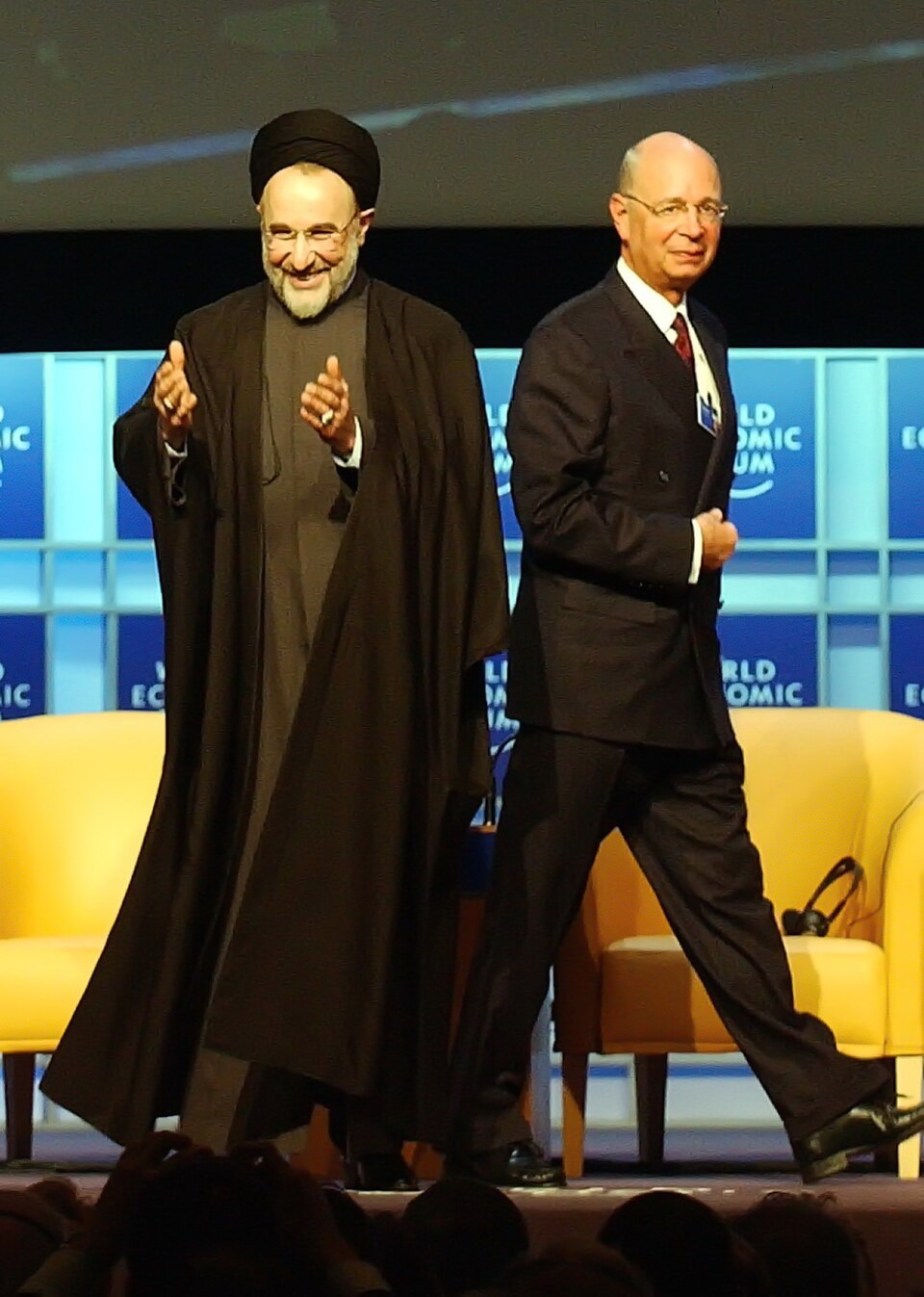
“The 2026 Davos meeting focused on navigating a ‘contested world’ with high geoeconomic confrontation” – WEF 2026 Theme Analysis
The geoeconomic confrontation theme drives market volatility as nations implement trade restrictions and capital controls. This fragmentation creates arbitrage opportunities between platforms like Polymarket and Kalshi, where regulatory differences affect contract pricing. Traders can exploit price discrepancies when WEF announcements trigger platform-specific liquidity shifts.
How to Trade the 2.6-3.3% Global Growth Projection for Maximum Returns

“2026 global growth is projected to remain subdued, estimated around 2.6% to 3.3%, below pre-pandemic averages” – IMF Economic Outlook
Weak global growth creates asymmetric risk-reward scenarios perfect for binary prediction contracts. Focus on sector-specific opportunities where growth differentials are most pronounced. Timing trades around quarterly GDP announcements can capture sharp price movements as market sentiment shifts based on new economic data.
The AI Productivity vs. Bubble Debate: Trading the Uncertainty
“A major 2026 theme is determining if AI is boosting productivity or creating a ‘dot-com’ style bubble” – WEF 2026 Theme Analysis
Binary contracts on AI adoption rates present unique opportunities as traders bet on specific policy outcomes. Hedging strategies for AI-related policy announcements should account for platform-specific liquidity differences. Use AI-powered tools to identify early signals of regulatory shifts that could impact contract prices (How to trade tech giant acquisition prediction markets 2026 guide).
Risk Management for Minilateralism-Related Trade Restriction Bets
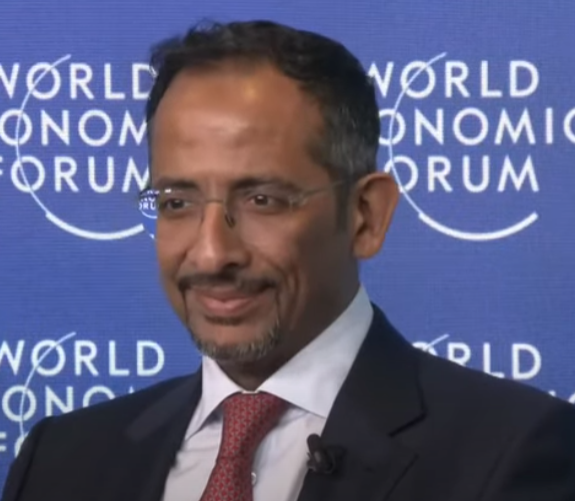
“High-probability trades involve betting on increased tariffs, export restrictions, and capital controls” – WEF Global Risks Report 2026
Position sizing becomes critical when trading small-group alliance outcomes. The correlation between trade restrictions and prediction market liquidity requires careful monitoring of platform-specific volume patterns. Use CFTC regulation differences as a hedge – offshore platforms may price geopolitical risks differently than CFTC-approved exchanges (Comparing prediction market platforms for US traders 2026 guide).
How to Verify WEF Policy Announcements Before They Affect Market Prices
“With real-time sentiment mentioned as a key factor, users would want to know how to verify policy announcements quickly” – Research Gap Analysis
Implement multi-source verification protocols for WEF announcements to avoid trading on false information. Social media sentiment analysis can detect early price movement signals before official announcements. Monitor platform-specific announcement lag times – some exchanges update prices faster than others, creating arbitrage opportunities (Analyzing the impact of social media trends on prediction odds 2026).
The Supply Chain Localization Opportunity: Regional Hub Trading Strategies
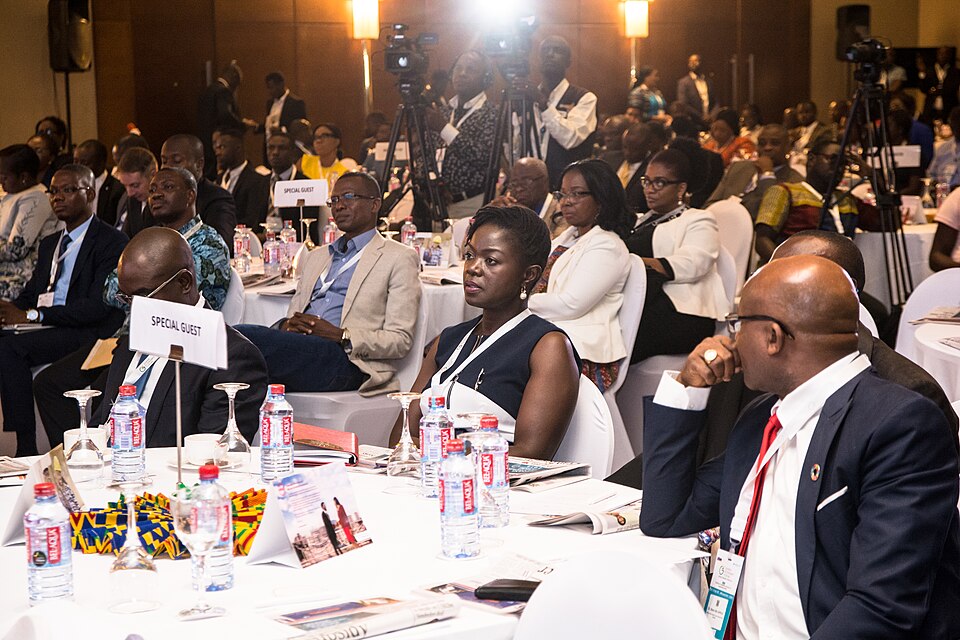
“Trading opportunities exist around companies/regions shifting manufacturing to ‘regional hubs’ for resilience” – WEF 2026 Economic Context
Geographic arbitrage between regional manufacturing hubs creates profitable trading scenarios. Binary contracts on specific supply chain relocation announcements can yield significant returns when verified data emerges. AI-powered supply chain anomaly detection tools like forcedlabor.ai can identify opportunities before mainstream markets react (How to trade major award show prediction markets 2026 guide).
CFTC Regulation Differences Between Polymarket and Kalshi for WEF Trading
“Only one competitor mentions CFTC regulation, but none explain how regulatory differences between platforms affect trading strategies” – Research Gap Analysis
Offshore platforms like Polymarket may offer more aggressive pricing on geopolitical risks compared to CFTC-approved Kalshi. Settlement time differences affect arbitrage opportunities – faster settlement platforms allow quicker capital redeployment. Compliance requirements vary by contract type, with some geopolitical bets restricted on regulated exchanges.
Energy Transition Risks: Trading Natural Resource Shortage Outcomes
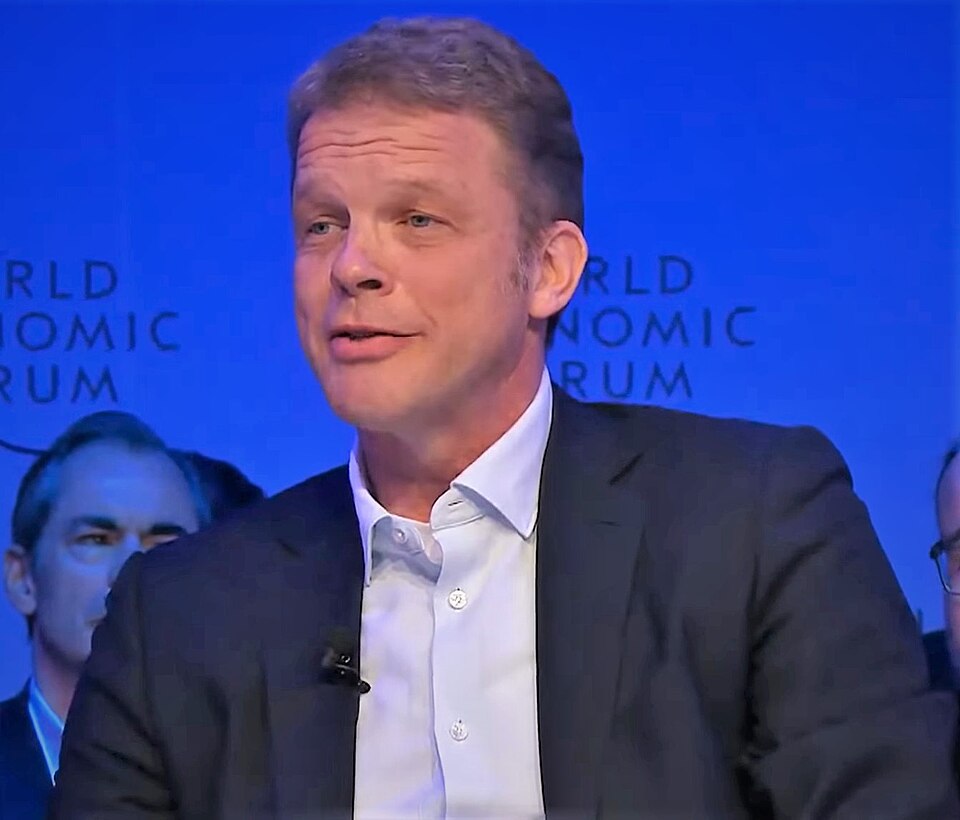
“Environmental risks remain high in the long term, with 2026 focusing on natural resource shortages and energy security” – WEF 2026 Risk Assessment
Commodity-linked prediction markets offer exposure to energy transition outcomes. Timing trades around energy policy announcements can capture volatility spikes. Hedging against regulatory changes in carbon markets requires understanding both platform-specific liquidity and broader market sentiment shifts (How to trade global health event prediction markets 2026 guide).
Tax Implications of Prediction Market Gains from WEF Outcomes
“While our health markets piece covered general prediction market taxes, WEF-specific trades involving geopolitical risk contracts might face different treatment” – Research Gap Analysis
Capital gains treatment varies between geopolitical and economic event contracts. International prediction market gains may trigger reporting requirements in multiple jurisdictions. Tax optimization strategies for frequent WEF traders should account for the unique nature of geopolitical risk contracts versus traditional market bets (Analyzing the role of market makers in event contract liquidity 2026).
The Cybersecurity Premium: Trading Digital Trade Regulation Outcomes

“Cybersecurity has emerged as a top-tier risk, with increased focus on AI-powered supply chains and digital trade regulations” – WEF 2026 Risk Assessment
Binary contracts on specific cybersecurity regulation adoption present high-volatility opportunities. Platform liquidity differences for digital trade outcome markets can create arbitrage scenarios. AI tools for early detection of cybersecurity policy shifts can provide a competitive edge in positioning trades before mainstream adoption (How to trade environmental policy change markets 2026 guide).
What You Need
- Accounts on multiple prediction market platforms (Polymarket, Kalshi, and offshore exchanges)
- Real-time news aggregation tools for WEF announcements
- Social media monitoring software for sentiment analysis
- AI-powered supply chain and cybersecurity monitoring tools
- Tax planning resources for international prediction market gains
- Risk management software for position sizing and correlation analysis
What’s Next
After mastering WEF outcome trading, expand your expertise to other high-impact prediction markets. Consider exploring environmental policy change markets, where carbon credit regulations create similar arbitrage opportunities. Sports league outcome markets offer more predictable patterns with lower volatility. For advanced traders, tech giant acquisition prediction markets provide opportunities to leverage industry-specific knowledge. Each market type requires unique strategies, but the core principles of timing, verification, and risk management remain constant.