
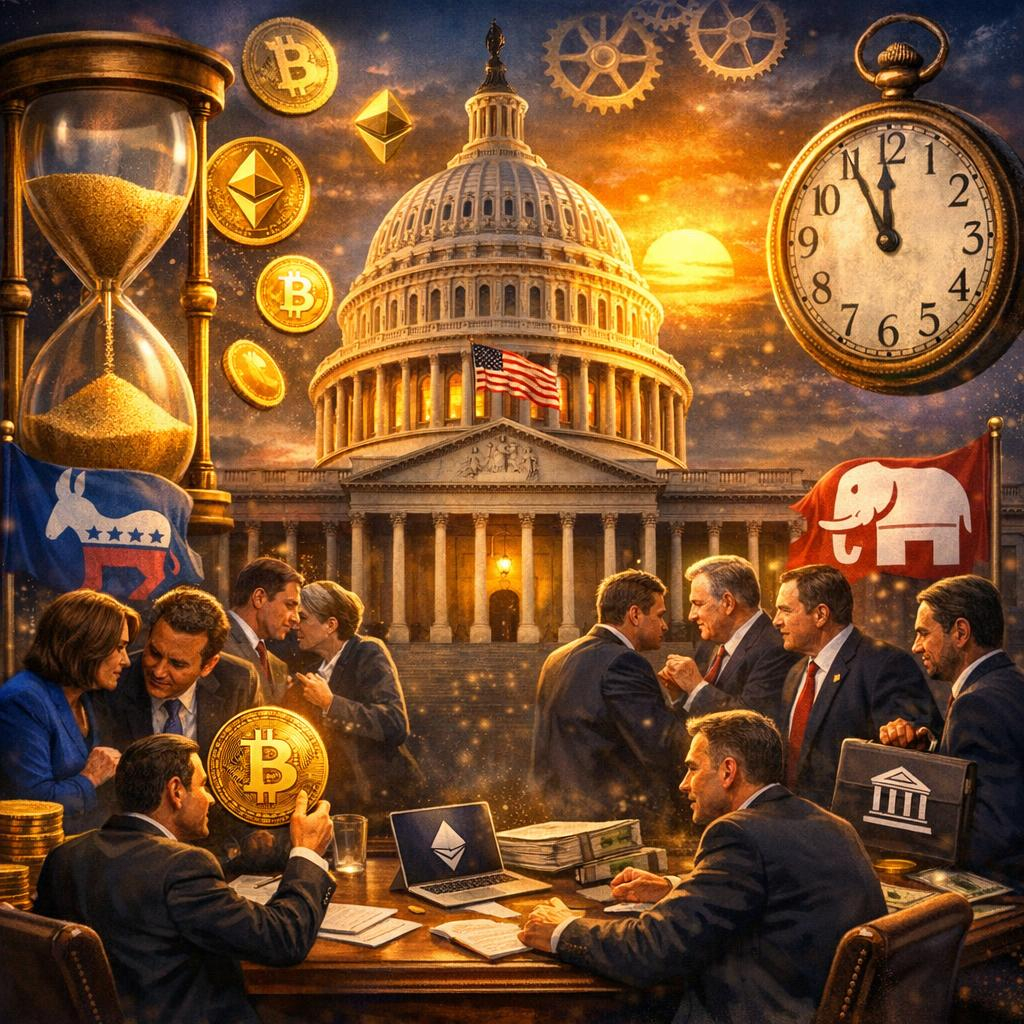
The path for the much-anticipated crypto market structure legislation, known as the CLARITY Act, appears to be getting more uncertain. Over the past 24 hours, the odds of this bill successfully navigating the legislative process and becoming law this year have taken a noticeable downturn. This shift is clearly reflected in the data emerging from the prediction platform Polymarket, a place where market participants place their bets on future events.
Market Sentiment Shifts on CLARITY Act
Currently, traders are assigning a mere 42% probability to the CLARITY Act passing in 2026. This figure represents a tangible drop, indicating a growing sense of skepticism among those closely watching the regulatory landscape. The decline in confidence suggests that the complex negotiations currently underway between various stakeholders in the crypto space are not yielding the swift progress many had hoped for.
From my perspective, observing these prediction markets is like looking at a real-time sentiment barometer for policy outcomes. When you see a sharp drop like this, it’s not just random noise. It usually means something specific has happened – or failed to happen – behind the scenes that has altered the perceived likelihood of success. It’s a powerful tool for gauging where the informed money is going, even if it doesn’t tell the whole story.
Navigating the Legislative Labyrinth
The legislative process for something as intricate as crypto regulation is rarely straightforward. It involves numerous committees, diverse political interests, and often, a significant amount of lobbying from various industry groups. The CLARITY Act, aiming to define the regulatory framework for digital assets, is no exception. It touches upon areas like stablecoin oversight, exchange rules, and investor protection, all of which are subjects of intense debate.
One common pitfall I’ve seen in similar legislative pushes is the sheer complexity of the subject matter. Lawmakers are often grappling with technology that is rapidly evolving, and finding consensus on how to regulate it effectively without stifling innovation is a monumental task. What might seem like a clear path to industry insiders can appear incredibly convoluted to those outside the ecosystem. This disconnect often leads to delays and, as we’re seeing now, a dip in confidence.
The fact that the odds have fallen suggests that the current discussions are hitting roadblocks. Perhaps there are fundamental disagreements on key provisions, or maybe the political will to push the bill through before the year’s end is waning. It’s also possible that other pressing legislative matters are taking precedence, pushing crypto reform further down the agenda.
The Role of Prediction Markets
Platforms like Polymarket offer a unique window into how experienced traders and analysts are assessing these developments. They aggregate collective intelligence, turning speculative opinions into quantifiable probabilities. When you see a market like this, it’s not just about guessing; it’s about informed speculation based on available information, news flow, and perceived political momentum.
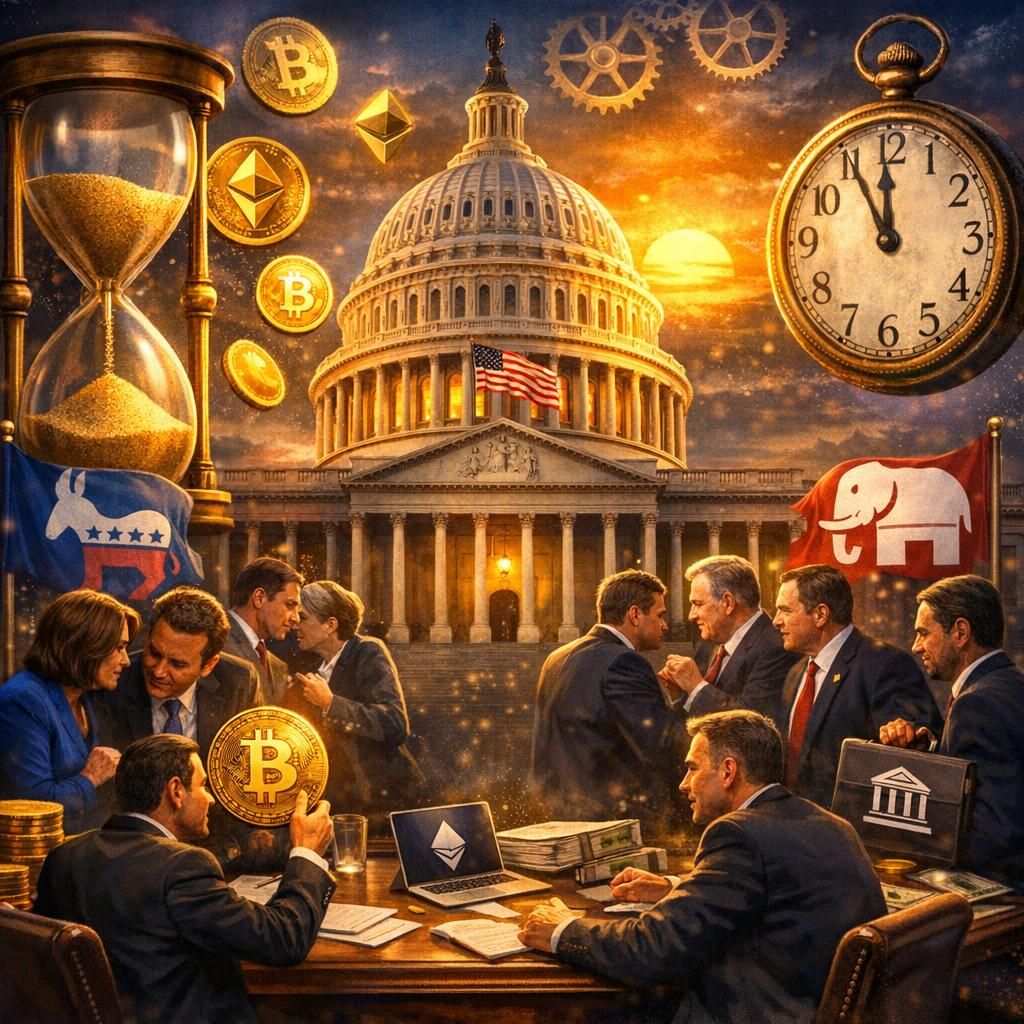
I’ve found that these markets are particularly insightful when there’s a lack of official pronouncements. In the absence of clear statements from legislative leaders, the prediction market often becomes one of the most reliable indicators of sentiment. It’s a dynamic environment, and the odds can fluctuate rapidly based on new developments, rumors, or even public statements from key figures.
For instance, a seemingly minor procedural delay in a committee hearing, or a strong statement from a prominent senator, can cause a noticeable ripple effect on these platforms. It’s a constant feedback loop, and understanding the nuances of how these markets react to information is an art in itself. It’s not just about the final probability; it’s about observing the volatility and identifying the drivers behind those shifts.
Insider Perspectives and Common Pitfalls
From my experience, one of the biggest mistakes people make when evaluating legislative prospects is underestimating the power of entrenched interests and the sheer inertia of the political system. While the crypto industry might be unified on the need for clarity, the broader financial industry, or even different factions within government, may have competing priorities or concerns.
Another aspect often missed is the timing. Legislation doesn’t just need to be agreed upon; it needs to be scheduled for a vote. In a busy legislative calendar, especially leading up to elections or during periods of significant national or international events, even a well-supported bill can get sidelined. The CLARITY Act is facing this challenge, and the current market sentiment reflects this reality.
The current 42% chance on Polymarket for passage in 2026 is a stark reminder that legislative success is never guaranteed. It requires sustained effort, strategic maneuvering, and often, a bit of luck. While the CLARITY Act remains a significant piece of proposed legislation, its journey through Congress is clearly far from over, and the market is pricing in a considerable degree of difficulty.
It’s also worth noting that the existence of other legislative efforts, like those involving stablecoin regulation, can sometimes create a domino effect. If progress is made on one front, it might either accelerate or hinder progress on others. The interplay between different bills and regulatory initiatives adds another layer of complexity that prediction markets attempt to capture.
Ultimately, the falling odds on Polymarket serve as a signal. For those invested in the crypto space, it underscores the need for continued engagement and advocacy. For observers, it highlights the intricate dance of policy-making and the challenges inherent in regulating a rapidly evolving industry. The market’s current assessment suggests that the CLARITY Act faces an uphill battle to become law this year.
The presence of platforms like Kalshi, which also facilitate trading on future events, further solidifies the utility of these prediction markets as tools for understanding complex, uncertain outcomes. They provide a tangible way to quantify the collective wisdom (and sometimes, the collective anxiety) of market participants regarding significant policy developments.