In a significant move to bolster the presence of decentralized finance within the U.S. legislative landscape, the Hyperliquid Foundation has announced the establishment of the Hyperliquid Policy Center. This new entity is specifically designed to champion the interests of DeFi and ensure its continued growth and integration within the existing financial framework.
The foundation’s commitment is substantial, marked by the allocation of 1 million HYPE tokens, a donation valued at approximately $29 million. These tokens are set to be unlocked on February 18, signaling the official commencement of the Policy Center’s operations. This strategic investment underscores the foundation’s dedication to fostering a favorable regulatory environment for decentralized technologies.
The Hyperliquid community stands to gain considerably from this development. Having a dedicated presence in Washington D.C. means that the unique challenges and opportunities within the DeFi space will be directly communicated to policymakers. This representation is expected to foster a more informed dialogue and lead to clearer, more effective regulations.
“The community will benefit from representation in Washington, and we are confident that under Jake Chervinsky’s leadership, the Hyperliquid Policy Center will significantly influence clear regulation of decentralized finance,” the platform’s statement reads.
Leading this crucial initiative is Jake Chervinsky, a figure well-versed in the legal intricacies of the digital asset space. Chervinsky’s background includes leading the legal department at Variant Fund, where he continues to serve as an advisor. His extensive experience also extends to his role on the board of the Blockchain Association, a prominent lobbying organization. This depth of expertise is expected to be instrumental in navigating the complex political terrain.
Bridging the Regulatory Divide
The core mission of the Hyperliquid Policy Center is to act as a vital conduit between the rapidly evolving world of decentralized finance and the established legal and regulatory structures. The DEX team has articulated a clear intention to educate lawmakers about the platform’s functionalities and, more broadly, to bridge the “gap between legal norms and next-generation market infrastructure.”
This initiative promises to confront some of the most pressing regulatory hurdles facing both the derivatives market and the broader decentralized finance sector. By actively engaging with the policy-making process, the center aims to prevent overly restrictive or ill-informed regulations that could stifle innovation.
“We will publish technical research, comment on proposed regulations and legislative initiatives, and serve as a re
The strategy involves a multi-pronged approach. The Policy Center plans to disseminate technical research, provide detailed feedback on proposed regulations and legislative efforts, and serve as a readily accessible
Market Performance and Platform Dominance
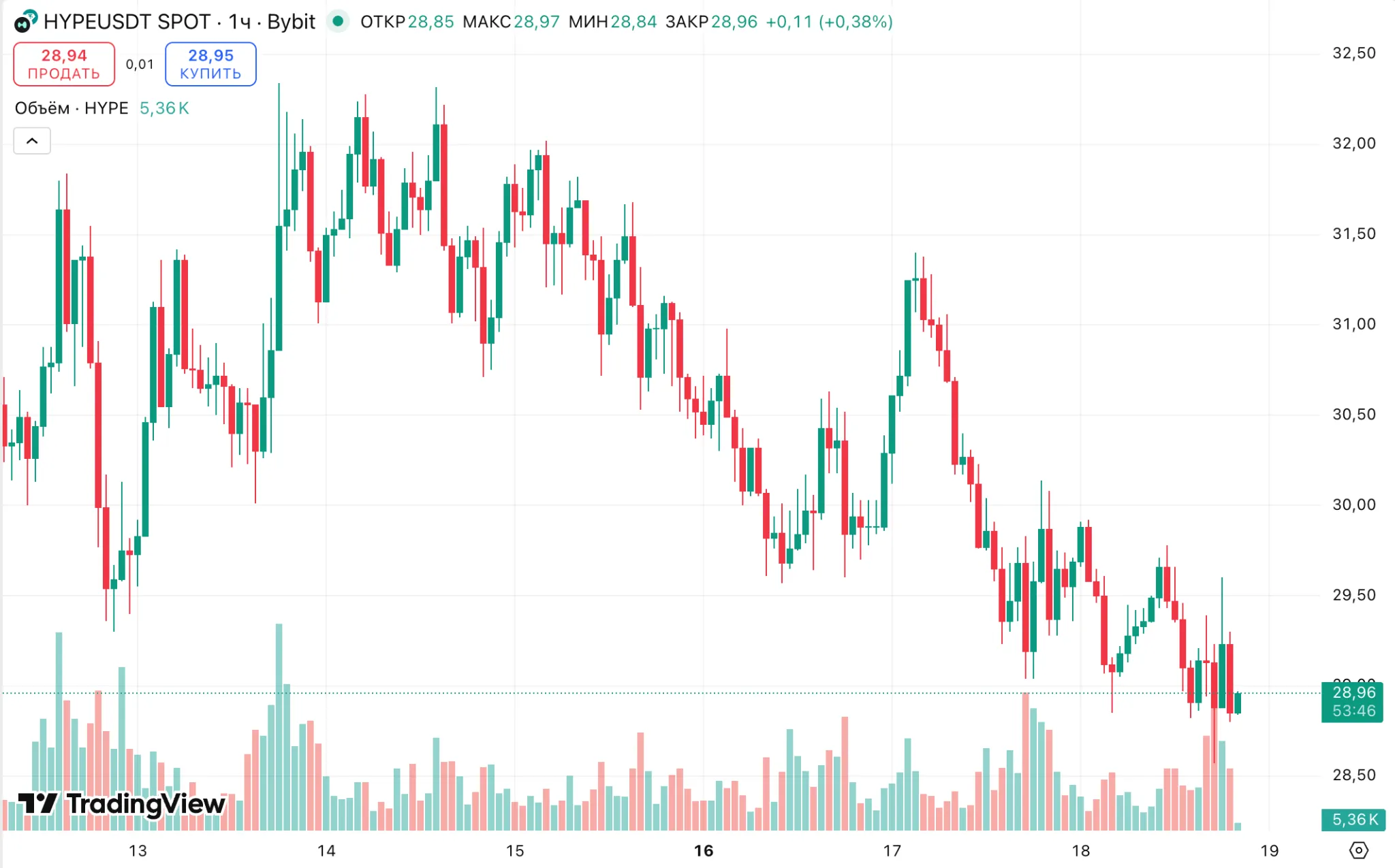
Interestingly, the announcement of the Hyperliquid Policy Center did not immediately translate into a price surge for its native token, HYPE. Over the preceding 24 hours, the token experienced a slight decline of 3.7%, trading around the $29 mark at the time of reporting. This muted reaction suggests that the market may be waiting for more concrete developments or that the news was already largely priced in.
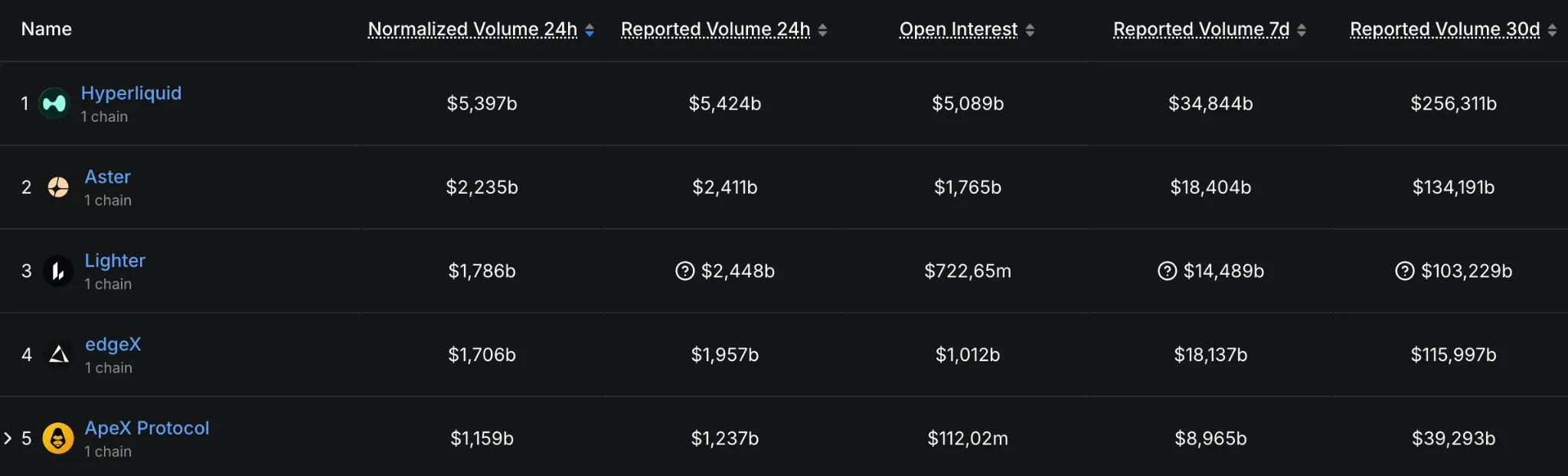
Despite the token’s short-term price action, Hyperliquid continues to assert its dominance in the decentralized exchange (DEX) landscape, particularly within the perpetual futures segment. The platform currently leads the market in terms of open interest, boasting a figure that surpasses $5 billion. This significantly outpaces its closest competitor, Aster, which holds approximately $1.7 billion in open interest.
Furthermore, Hyperliquid has solidified its position as the top-ranked perp-DEX by trading volume. In the last 24 hours alone, the platform facilitated a turnover of $5.4 billion, with its monthly volume reaching an impressive $256.3 billion. This sustained high volume indicates robust user activity and market depth.
This commanding market share was largely re-established following the introduction of user markets under HIP-3. In early February, the daily trading volume within this segment surged to $5.2 billion, significantly boosted by a notable rally in the precious metals market. By mid-month, this figure settled at a still-substantial $261 million, demonstrating the volatility and trading opportunities present on the platform.
Looking ahead, Hyperliquid has also shown support for the HIP-4 proposal, which paves the way for the integration of prediction markets on the platform. The inclusion of prediction markets, alongside existing derivatives and the potential for future innovations, positions Hyperliquid as a versatile and forward-thinking venue. The development of prediction markets, similar to those found on platforms like prediction market and polymarket, could further diversify its offerings and attract a broader user base. While Kalshi focuses on a different regulatory framework, the concept of enabling users to bet on future events is a growing area of interest in the broader financial technology space.