The conversation around decentralized infrastructure often gets bogged down in technical jargon, but the core concept is surprisingly straightforward. We are witnessing a fundamental shift away from centralized services toward networks that operate without a single point of control. This isn’t just about cryptocurrency; it’s about redefining how we establish trust in digital systems. The architecture being built today on platforms like Ethereum creates a foundation where computers arbitrate between each other rather than relying on a central authority. It is a trustless system by design, though some of us jokingly refer to it as the early stages of Skynet.
The Gnosis Crowdsale and DAO Architecture
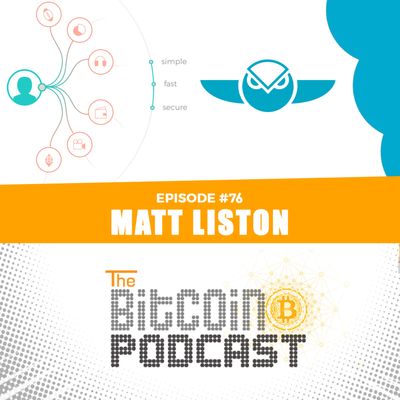
Matt Liston from the Gnosis platform joined the discussion to unpack their upcoming crowdsale and the intricate structure of the DAO that will govern its development. Gnosis isn’t just another prediction market; it’s an attempt to build a decentralized ecosystem for forecasting and extreme ideas. The upcoming crowdsale represents a critical phase in their roadmap, designed to distribute ownership and control among a global network of stakeholders.
The DAO structure is where things get particularly interesting for practitioners. Unlike traditional corporate governance, a DAO operates on code-enforced rules where token holders vote on proposals. However, the nuance that textbooks often miss is the complexity of balancing voter apathy with the risk of whale manipulation. In Gnosis’s model, the goal is to create a system where the community can steer development without falling into the traps of plutocracy or stagnation. It requires a delicate balance of incentives that keeps participants engaged without overwhelming them with constant governance overhead.
Ethereum as the Foundation for Trustless Systems
Ethereum serves as the bedrock for this experiment in decentralized governance. It provides the programmable layer that allows for the creation of complex DAOs and prediction markets without requiring a middleman. The ‘trustless’ nature of the system means that users don’t need to know or trust the people they are transacting with; they only need to trust the code.
But there is a common misconception here that needs challenging: trustless doesn’t mean risk-free. In practice, the code itself becomes the new focal point of trust, which introduces a whole new set of challenges. We move from trusting people to trusting developers and auditors. The ‘why behind the why’ of this shift is that while humans are fallible and corruptible, open-
Algorithmic Music and the Skynet Dream
When Matt isn’t whispering to DAOs, he’s exploring the intersection of code and creativity through algorithmic music. This pursuit isn’t as disconnected from prediction markets as it might seem. Both involve creating systems that generate outputs based on specific inputs and rules. Whether it’s a musical composition or a market forecast, the underlying logic relies on algorithms processing data to reveal patterns.

The dream of a ‘Skynet-on-a-blockchain’ is less about malevolent AI and more about a self-sustaining, autonomous network that operates beyond human intervention. It represents the ultimate endpoint of decentralization: a system that manages itself, resolves disputes, and evolves based on the collective will of its participants, encoded into the protocol itself.
An Oasis for Extreme Ideas
Prediction markets like Gnosis provide a unique venue for testing the boundaries of this technology. They allow users to bet on the outcomes of events, effectively crowdsourcing information and sentiment. In a centralized world, such markets are often shut down or heavily regulated. In a decentralized ‘Skynet’ world, they become an oasis for extreme ideas—places where any hypothesis can be tested and priced by the market, free from censorship.
The practical reality of running these systems involves navigating liquidity issues, oracle reliability, and user experience hurdles. A prediction market is only as good as its ability to resolve outcomes accurately and attract enough liquidity to make trades meaningful. These are the grinding gears that keep the machine running, often invisible to the end-user but critical for the practitioner to get right.
The Future of Decentralized Infrastructure
Looking ahead, the evolution of platforms like Gnosis will determine how effectively we can manage these complex systems. The goal is to move from experimental crowdsales to mature, self-sustaining economies. This requires not just technological innovation but a deep understanding of game theory and human psychology.

We are building a future where the arbiter between parties is an uncontrolled network of computers. It is a vision that prioritizes censorship resistance and autonomy over convenience. As we continue to build this infrastructure, the lessons learned from managing DAOs and running prediction markets will be the blueprint for the next generation of the internet—a true Skynet, but one that serves human interests rather than destroying them.