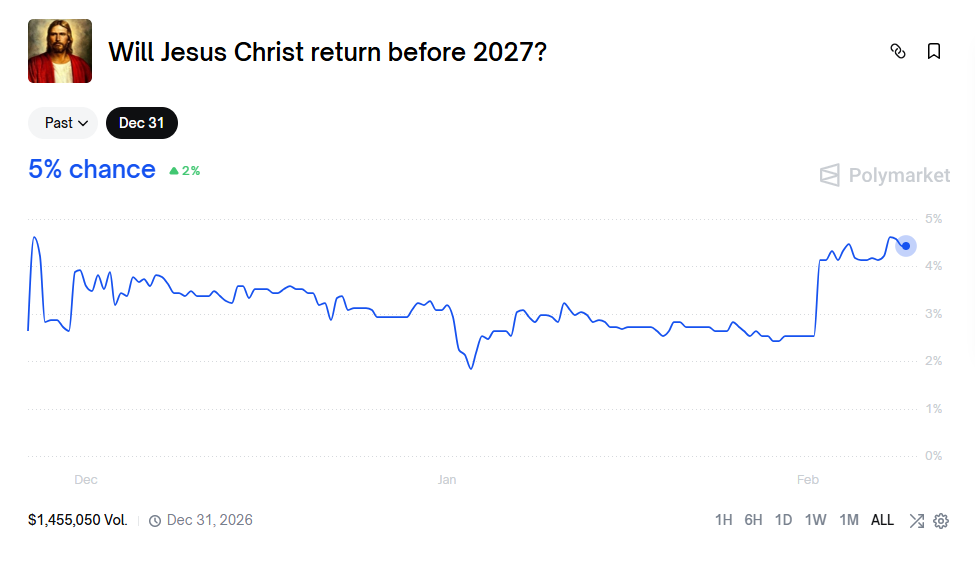
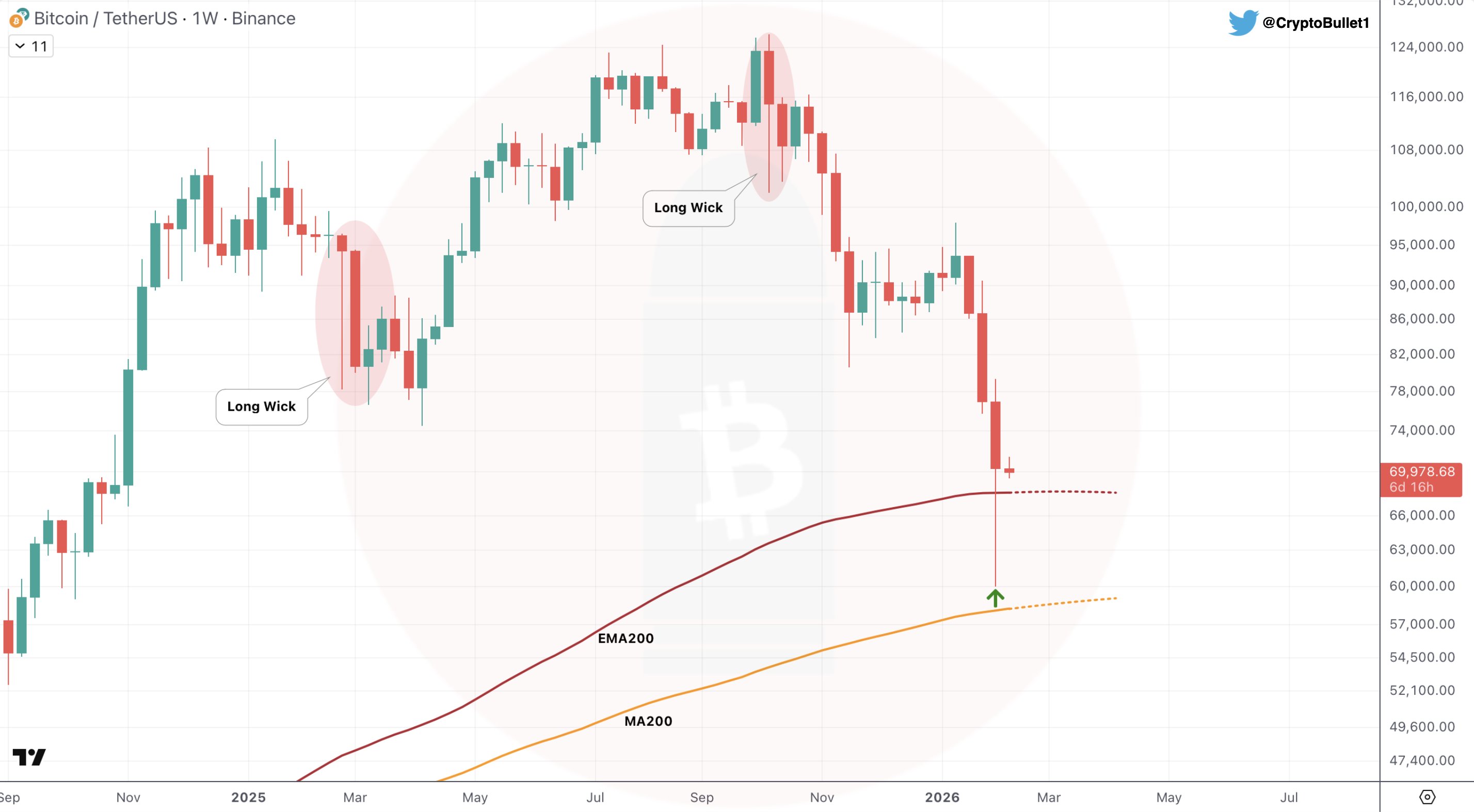
I’ve traded through enough crypto winters to know when hope fades fast. Bitcoin and other digital assets kicked off 2026 with promise—those first ten days saw gains that had everyone talking bull run. Yet here we are, two months in, with BTC down over 20% year-to-date. For contrast, a bet on Jesus Christ’s resurrection on Polymarket has beaten that handily.
Prediction markets like Polymarket thrive on crowd wisdom, but they also capture desperation. Bettors have poured nearly 1.5 million dollars—about 460 million Hungarian forints—into shares predicting Christ’s return before December 31, 2026. At the time of this writing, the market assigns it a 4.5% chance.
Bets on the Second Coming Heat Up
Polymarket, that blockchain-based platform once accessible from Hungary but now blocked, has hosted wagers on elections, sports, and economics. This one stands out: will Jesus return by year’s end? One player, known as Wise-Mecca, holds half a million shares, pushing odds higher over the weekend toward 5%.
Odds hovered low for months, but January brought a 1.8% jump. Anyone who bought in early saw gains outpacing Bitcoin, which has shed more than 20% since January 1. Newcomers often miss how thin liquidity amplifies moves—a few thousand dollars can swing probabilities wildly. I’ve seen traders chase these pumps, only to get rekt on the fade.
The payout? Around 25 times your stake if it hits. That’s the lure: absurd events offer lottery-like odds when real markets feel rigged. But here’s a practitioner tip—always check share volume before diving in. Low depth means exit liquidity vanishes fast, trapping you in illiquid positions.
What Drives Bitcoin’s 2026 Slump
Weekly charts tell the story. BTC’s candle pierced the 200-week exponential moving average downward, a level unbroken for 18 months. History shows mixed results: one prior break led to steady climbs, another to sharp drops. Volume during the breach matters most—weak selling often signals fakeouts, but we’ve seen conviction here.
Everyone expected new highs after week one’s surge, maybe even a prolonged supercycle. Voices like Binance’s former CEO hyped it. Instead, altcoins cratered 30-40% from January peaks. Macro easing and fading geopolitical storms should help, yet liquidity dries up. Common pitfall: assuming ETF inflows guarantee floors. They don’t—outflows hit harder in sentiment-driven selloffs.
Traders overlook on-chain signals too. Whale distributions peaked alongside that EMA break, a nuance charts miss. Why? Big players front-run retail euphoria, dumping into strength. Challenge the hype: early-year pops rarely sustain without broader adoption anchors.
“Bitcoin remains exposed to extreme swings in 2026, driven by ETF demand and overall economic liquidity. We wouldn’t rule out a climb to 225,000 dollars, but a drop to 50,000 isn’t off the table either.”
This comes from a recent CNBC report on price outlooks.
Prediction Markets Mirror Crypto Gloom
Markets mature when bets on miracles edge out Bitcoin. Polymarket odds reflect collective doubt—crowds price in tail risks better than any analyst. I’ve used these platforms to front-run sentiment shifts; absurd wagers spike first in bear phases.
Insider angle: pair them with options implied volatility. When IV crushes alongside meme-bet surges, reversals brew. Don’t just laugh—use it to time entries. Bitcoin’s pain underscores a truth: in crypto, faith trades matter as much as fundamentals.
Year-to-date, that resurrection bet’s edge over BTC highlights volatility’s bite. Stay nimble, watch liquidity, and question the narrative. Markets reward the prepared.