
I’ve spent years navigating prediction markets, placing bets on everything from election outcomes to crypto price swings. Platforms like Polymarket stand out for their accuracy, often outperforming polls because real money sharpens forecasts. That’s why this recent move hits home: the platform, blocked in Hungary for some time now, has submitted trademark applications for “POLY” and “$POLY” at the United States Patent and Trademark Office.
These filings mark solid steps toward launching the much-anticipated native token. Prediction markets face mounting regulatory pressures worldwide, not just in places like Hungary. From my trades, I know how these platforms thrive on liquidity, and a token could supercharge that.
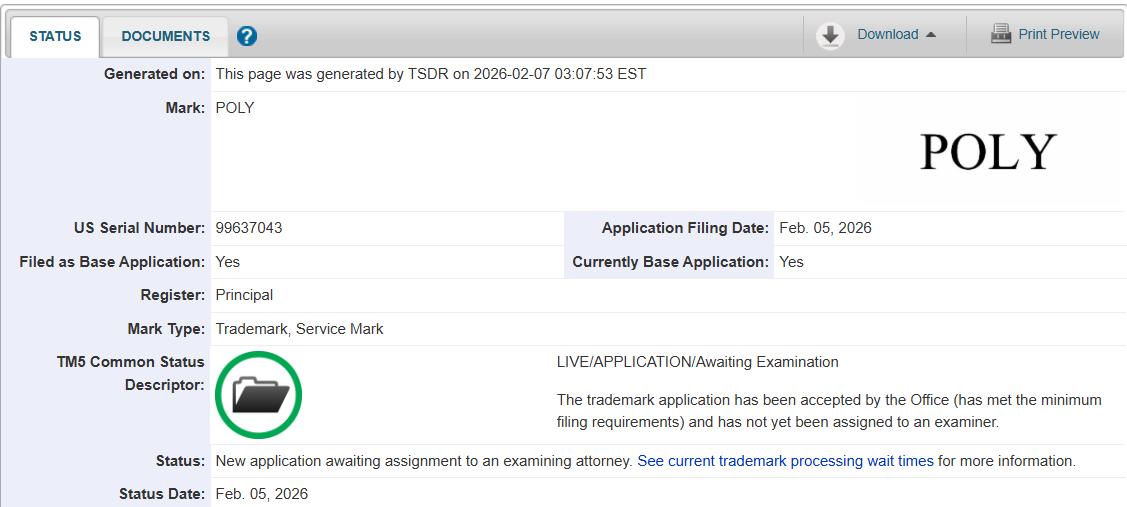
Blockratize Inc., Polymarket’s parent, lodged the applications on February 5. They specified protections for crypto services, financial trading platforms, and blockchain-based payment systems. Practitioners like me watch this closely—trademarks aren’t flashy, but they lock down branding early, staving off copycats who squat on tickers during hype cycles.
A common pitfall? Rushing token launches without IP groundwork. It invites lawsuits that drain resources better spent on product. Here, they’re playing it smart.
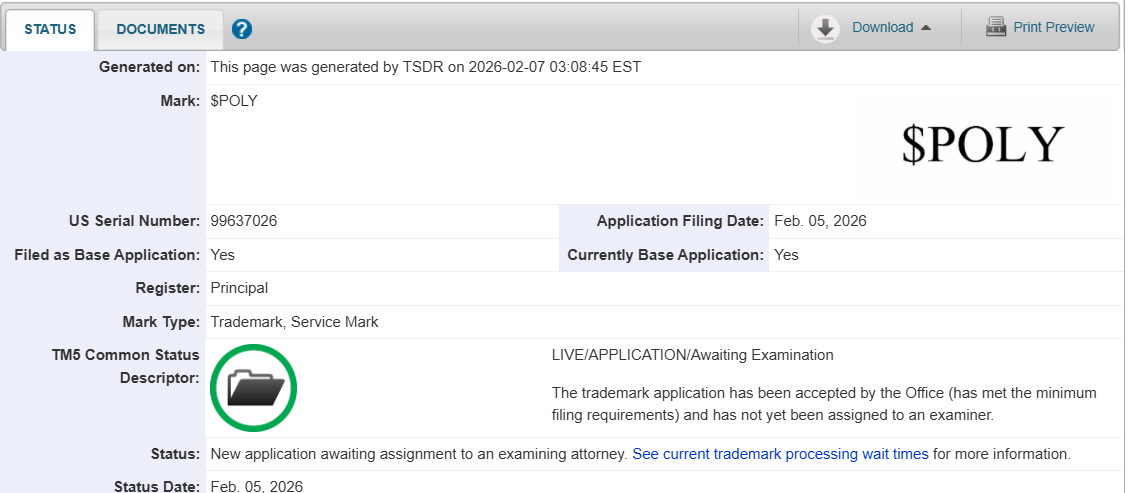
Both applications outline services like supplying digital currencies or tokens to online community members
In practice, I’ve seen tokens transform user engagement. Users who stake skin in the game report better, less manipulated odds. But regulators often miss this nuance, viewing it as gambling.
Polymarket Presses On as Regulators Tighten the Grip
These trademarks represent the first official stride in Polymarket’s token issuance plans. Last October, marketing director Matthew Modabber confirmed the POLY token and its airdrop. He stressed its practical utility, though details stayed vague.
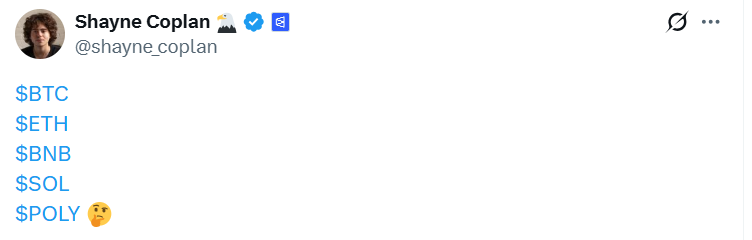
CEO Shayne Coplan hinted at it too, posting the “POLY” ticker alongside Bitcoin, Ethereum, Solana, and BNB. From experience, such teases build hype but also scrutiny—exchanges demand clarity before listings.
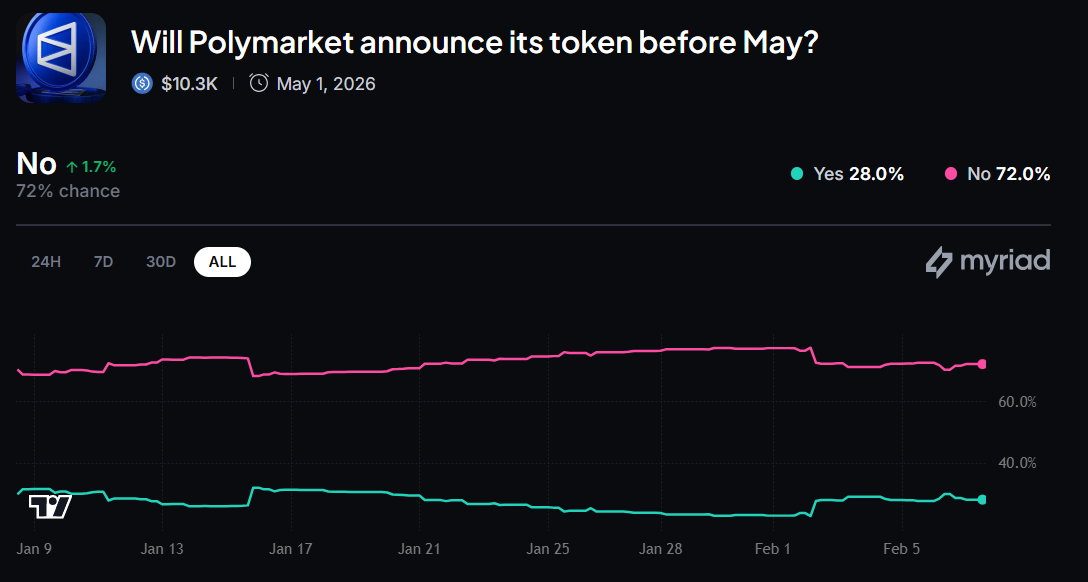
A launch might not happen soon, especially until US regulatory clouds clear. On the Myriad prediction platform, users peg the odds at just 28% for a May rollout. Bettors there factor in real risks, like delayed approvals that cascade into missed windows.
Insider tip: Always check layered markets like Myriad for crowd wisdom. They catch shifts textbooks ignore, such as how CFTC nods don’t always sway states.
The company secured CFTC approval for US operations last November, nearly four years after paying a $1.4 million fine and exiting the market. Yet, that hasn’t quelled state-level pushback.
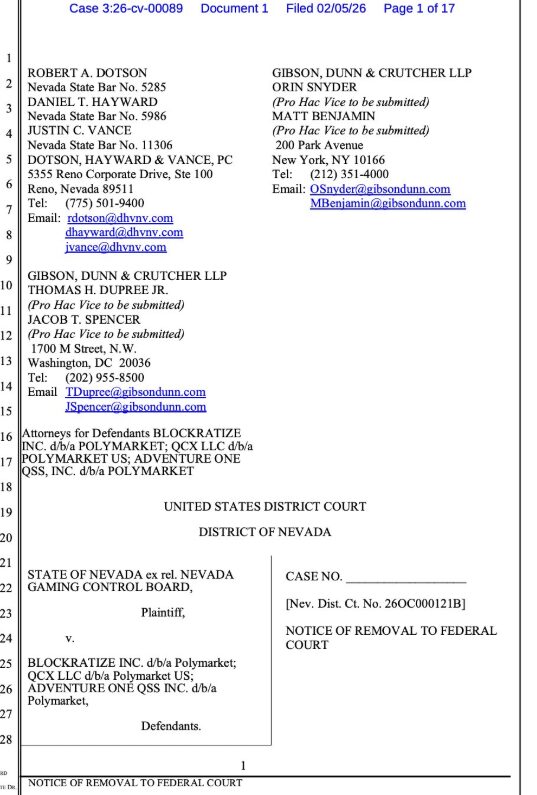
For instance, a Nevada court recently issued a temporary order barring Polymarket from offering event-based contracts in the state, claiming violations of local gambling laws. The platform escalated it to federal court,
, arguing the state action clashes with federal rules. No ruling yet.
This highlights a key blind spot: federal wins don’t auto-override states. I’ve traded through similar scraps—platforms often geo-fence or use VPN workarounds, but tokens complicate that by tying value to compliance.
Challenging the assumption that regs kill innovation: Polymarket’s volume exploded post-US relaunch, proving offshore roots and US access can coexist. A POLY token might fund legal battles or decentralize further, dodging single-point failures.
Why the why? Tokens enable community-owned resolution oracles, reducing oracle risks that plague centralized books. In my runs, disputed markets lose 20-30% liquidity overnight without trust mechanisms.
The path forward demands patience. Traders, watch filings and odds markets—they signal more than press releases. Polymarket’s resilience suggests POLY could redefine prediction economies, if hurdles clear.