
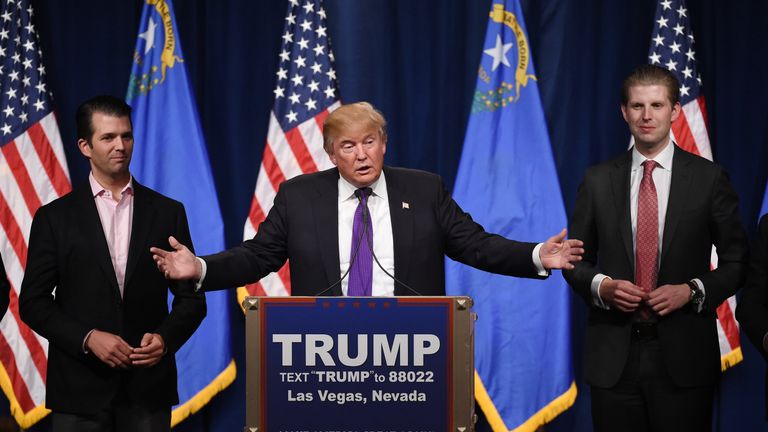
The crypto market is no stranger to volatility, but when a project with high-profile political backing faces a sudden crisis, the shockwaves are felt far and wide. World Liberty Financial (WLFI), a decentralized finance venture associated with President Donald Trump and his sons, found itself at the center of such a storm early Monday. The project reported a “coordinated attack” that directly targeted its flagship stablecoin, USD1. This event triggered a brief but alarming depegging incident, where the coin’s value momentarily fell below its intended one-dollar peg before recovering.
As someone who has monitored stablecoin mechanics for years, I know that a depeg is more than just a chart anomaly; it is a crisis of confidence. For USD1, which boasts a market capitalization of nearly $4.8 billion according to CoinGecko data, even a momentary loss of parity can trigger cascading liquidations and panic selling. The incident drew immediate scrutiny across the broader crypto landscape, largely due to the project’s unique political connections and its rapidly growing profile within the digital asset sector. The question on everyone’s mind was simple: was this a technical glitch, or something more sinister?
Market Reaction and Technical Analysis
While the stablecoin has recovered its peg, the native token of the project, WLIF, has not fully escaped the fallout. As of this writing, WLIF is trading at $0.1121. This represents a substantial 66% gap between the current trading price and the token’s all-time high of $0.33. Such a decline indicates that while the immediate panic may have subsided, investor confidence remains fragile.
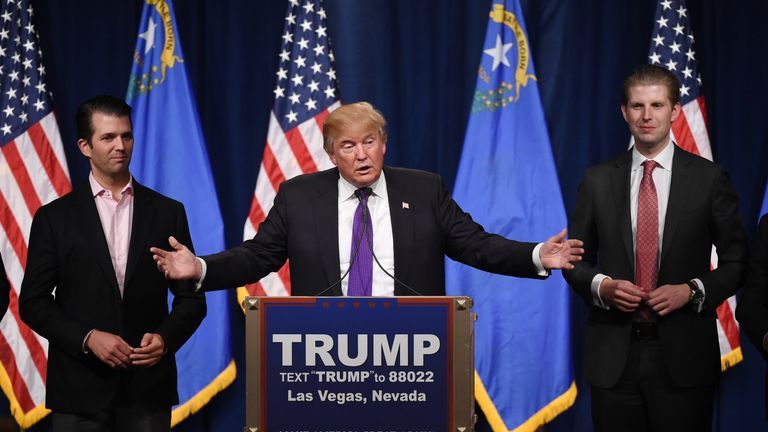
From a technical analysis perspective, a 66% drawdown from highs often signals a reaccumulation phase, but it can also precede further downside if negative news confirms the market’s fears. The lack of a clear catalyst—other than the alleged attack and the looming investigation—makes this a high-risk asset. Traders looking at the chart today see a token that is struggling to find a solid support level, a common symptom of projects facing reputational headwinds.
Insider Knowledge vs. Public Perception
One nuance that textbooks often miss is the difference between a technical exploit and a reputational attack. The WLFI team insists their systems held up against the “coordinated attack,” focusing on the engineering resilience. However, in DeFi, perception often drives price action more than code. If the market believes that insider trading is occurring, or that the project is hiding something, the token price will reflect that sentiment regardless of the stablecoin’s technical stability.
The narrative of a “coordinated attack” is convenient, but it must be backed by transparent evidence to stick. In the absence of a post-mortem detailing the specific vectors used, skepticism will remain high. The crypto community has seen projects use similar narratives to cover up internal mismanagement or liquidity issues. Until the February 26 report is released and the dust settles, WLFI remains in a precarious position.
Conclusion: A Waiting Game
For now, there is no confirmed link between Monday’s reported attack on USD1 and the investigation scheduled for release on February 26. Whether the two events are related or simply coincidental remains uncertain. However, for those of us who have navigated this industry through multiple cycles, the convergence of a depeg, insider trading rumors, and prediction market activity is rarely accidental. It usually signals a deeper structural issue that is about to come to light. Investors and observers would do well to watch the February 26 report closely; it may provide the missing context to this week’s volatility.