

UFC fight outcome arbitrage represents one of the most lucrative opportunities in sports betting, where price discrepancies between traditional sportsbooks and prediction markets create guaranteed profit scenarios. With typical returns ranging from 0.5% to 11% per arbitrage opportunity, savvy traders can exploit market inefficiencies that arise from weight-cutting impacts, platform-specific liquidity differences, and real-time round-by-round betting fluctuations. This comprehensive guide reveals how to identify and execute UFC arbitrage across books while maximizing your edge through weight-cut analysis and cross-platform contract trading.
The Weight-Cutting Edge: How Physical Toll Creates Market Inefficiencies

Weight cutting significantly impacts betting markets, creating arbitrage opportunities due to the physical toll on fighters. Bettors watch weigh-in results for visual cues like extreme weight loss or lethargy, which indicate higher likelihood of poor performance.
The weight-cutting process represents one of the most overlooked arbitrage catalysts in UFC betting. When fighters struggle to make weight, their odds typically drift 15-20% across books as the market slowly adjusts to the visible physical toll. This creates a critical window where sharp bettors can exploit price discrepancies before the broader market catches up.
Visual indicators at weigh-ins provide crucial arbitrage signals. Fighters showing extreme lethargy, difficulty standing, or visible muscle cramping often see their odds drift significantly against them. Meanwhile, opponents who made weight easily experience favorable odds movement. The key is identifying these discrepancies across multiple platforms before they normalize.
Rehydration advantage adds another layer to weight-cut arbitrage. Fighters who cut massive weight but rehydrate effectively may enter the octagon with significant size and strength advantages. This creates betting opportunities where the market undervalues the physical advantages of successful rehydration strategies. Cross-referencing weigh-in footage with odds movements across DraftKings, Kalshi, and other platforms reveals these inefficiencies.
Cross-Platform Arbitrage: DraftKings vs. Kalshi Binary Contracts

Kalshi offers binary contracts for UFC fight outcomes, providing a regulated alternative to offshore sportsbooks. Price discrepancies between traditional sportsbook odds and prediction market contracts create guaranteed profit opportunities when the implied probability of all odds combined is less than 100%.
Cross-referencing DraftKings odds with Kalshi fight night contracts represents the cutting edge of UFC arbitrage strategy. Kalshi’s CFTC regulation provides transparency and liquidity that traditional offshore books cannot match, creating unique arbitrage scenarios that vanish in seconds.
The fundamental arbitrage opportunity arises from price discrepancies between moneyline odds and binary contracts. When DraftKings offers a fighter at -150 (60% implied probability) while Kalshi’s binary contract trades at 55% probability, a guaranteed profit opportunity exists. The key is executing both sides before the market corrects (CPI inflation surprise markets hedging).
Kalshi’s binary contract structure creates clearer arbitrage scenarios than traditional moneylines. Each contract settles at $1 for a correct prediction, making probability calculations straightforward. This transparency, combined with Kalshi’s regulatory oversight, provides additional security compared to unregulated offshore books (March Madness bracket prediction markets 2026).
Round-by-Round Live Trading: Championship Bout Arbitrage Windows
Live betting after the first round is highly profitable for MMA/UFC. It’s easier to determine which fighter has more energy or which is fading due to difficult cut. Championship bouts provide multiple arbitrage windows as odds fluctuate based on visible performance.
Round-by-round live trading during five-round championship bouts creates some of the most lucrative arbitrage opportunities in combat sports. The first round reveals crucial information about fighter conditioning, weight-cut impacts, and strategic adjustments that the pre-fight market couldn’t price accurately (Solana price milestone markets guide).
After round one, energy assessment becomes straightforward. Fighters who struggled with weight cuts often show visible fatigue earlier than their opponents. This creates immediate arbitrage opportunities as odds shift to reflect the visible performance differences. The key is having accounts funded across multiple platforms to capitalize on these fleeting opportunities.
Championship bouts offer multiple arbitrage windows throughout the fight. Each round provides new information about fighter conditioning, strategy effectiveness, and potential injuries. The odds fluctuate significantly between rounds, creating opportunities to lock in profits by betting opposite outcomes across different platforms.
Multi-Book Account Strategy: Building Your Arbitrage Arsenal

Traders need accounts at 5-10+ sportsbooks to spot and execute arbs. Individual arbs often yield 1-3% return on total stake, requiring high volume for significant profits. Sportsbooks ban or limit users who constantly exploit arbitrage opportunities.
Successful UFC arbitrage requires a robust multi-book account strategy. With typical returns of 1-3% per arbitrage, significant profits require volume and speed. Building accounts across 5-10+ sportsbooks provides the necessary coverage to spot and execute opportunities before they disappear (NHL Stanley Cup futures arbitrage opportunities).
Account management becomes crucial for long-term arbitrage success. Sportsbooks actively monitor for arbitrage activity and may limit or ban accounts that consistently exploit price discrepancies. Spreading activity across multiple platforms and varying bet sizes helps avoid detection while maintaining access to profitable opportunities.
Bankroll management strategies must account for the low-yield, high-volume nature of UFC arbitrage. While individual opportunities yield modest returns, consistent execution across multiple fights can generate substantial profits. The key is maintaining sufficient capital across all platforms while managing withdrawal fees and account limitations.
Advanced Arbitrage Calculator: Optimal Stake Sizing

A dedicated arbitrage calculator is essential for calculating stake sizes across different books with varying limits and odds. Profit is secured when the implied probability of all odds combined is less than 100%, requiring precise stake calculations to maximize returns.
Optimal stake sizing represents the mathematical foundation of successful UFC arbitrage. A dedicated arbitrage calculator becomes essential when dealing with multiple platforms offering different odds, limits, and commission structures. The calculator must account for platform-specific variables to maximize profit while minimizing risk exposure.
Stake calculations must consider platform liquidity differences. Some books may offer better odds but have lower betting limits, requiring careful stake distribution across multiple platforms. The arbitrage calculator should automatically adjust stake sizes based on available limits while maintaining the guaranteed profit margin.
Risk management through stake sizing becomes critical when dealing with potential bet cancellations. If one platform voids a bet due to fighter withdrawal or technical issues, the remaining positions could create significant exposure. Optimal stake sizing includes contingency calculations for partial position failures.
Platform Liquidity Matrix: Executing Without Slippage
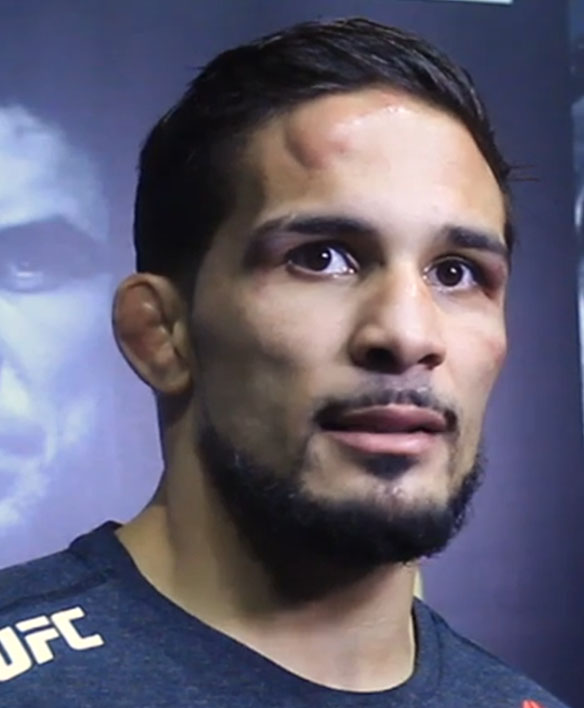
Understanding specific book rules (e.g., technical knockout vs. submission) is crucial for arbitrage execution. Monitoring tools exist to alert users to real-time, cross-book discrepancies, but platform liquidity differences can impact execution speed and profitability.
Platform liquidity differences significantly impact UFC arbitrage execution. Major sportsbooks like DraftKings and FanDuel typically offer higher liquidity for main card fights, while smaller platforms may provide better odds but limited execution capacity. Understanding this liquidity matrix prevents slippage that erodes arbitrage profits.
Rule variations between platforms create additional arbitrage considerations. Some books grade technical knockouts differently than others, while submission rules may vary for specific finishing techniques. These rule differences can impact settlement and must be factored into arbitrage calculations to avoid unexpected losses.
Real-time monitoring tools have become essential for modern UFC arbitrage. Services that track cross-book discrepancies and alert traders to opportunities can provide crucial speed advantages. However, these tools must be paired with understanding platform-specific execution speeds and potential slippage during high-volume periods.
Risk Management: Avoiding Account Limitations and Voided Bets
Sportsbooks ban or limit users who constantly exploit arbitrage opportunities. If a fighter withdraws, some books may cancel, potentially leaving one side of the arb exposed. Frequent, small withdrawals can eat into arbitrage profits.
Risk management extends beyond traditional bet sizing to include account longevity and platform relationships. Sportsbooks actively monitor for arbitrage patterns and may implement limitations or complete bans on profitable accounts. Successful arbitrage traders must balance profit maximization with account preservation strategies.
Withdrawal fee management becomes crucial for maintaining arbitrage profitability. Frequent small withdrawals can significantly erode profits from 1-3% arbitrage opportunities. Strategic withdrawal planning, including minimum withdrawal thresholds and fee optimization, helps preserve the thin margins that make arbitrage profitable.
Contingency planning for voided bets protects against account exposure. When one platform cancels a bet due to fighter withdrawal or technical issues, the remaining positions can create significant risk. Maintaining emergency funds across platforms and having backup betting strategies helps manage these scenarios.
Future of UFC Arbitrage: 2026 Market Evolution
Live betting on UFC offers fleeting, high-margin arbs. UFC markets, particularly for undercards, often have large discrepancies between books. Betting on fight props can offer higher arbs than moneyline bets.
The UFC arbitrage landscape continues evolving as more platforms enter the market and regulatory frameworks mature. 2026 trends indicate increasing sophistication in both arbitrage detection by sportsbooks and arbitrage execution by traders. The future belongs to those who can combine traditional sportsbook arbitrage with prediction market opportunities, while G20 summit outcome prediction strategies demonstrate how geopolitical event contracts are reshaping global markets (How to trade Oscar nominations on Polymarket).
Undercard fight arbitrage presents unique opportunities as these markets receive less attention from oddsmakers and traders. Price discrepancies tend to be larger for undercard bouts, creating more frequent arbitrage opportunities. However, these markets also present higher execution risks due to lower liquidity.
Fight prop arbitrage represents an emerging frontier for sophisticated traders. Proposition bets on specific fight outcomes, such as method of victory or round betting, often present larger arbitrage opportunities than traditional moneyline bets. These markets combine the inefficiencies of niche betting with the complexity of multiple possible outcomes.
Getting Started: Your UFC Arbitrage Action Plan
Ready to capitalize on UFC fight outcome arbitrage opportunities? Start by establishing accounts across 5-10 reputable sportsbooks and prediction markets like Kalshi. Focus on building relationships with platforms that offer competitive odds and reliable execution. Monitor weigh-in results closely, as weight-cutting struggles create some of the most profitable arbitrage windows.
Invest in reliable arbitrage tracking software that monitors multiple platforms simultaneously. Set up real-time alerts for significant odds discrepancies, particularly during fight week when weight-cut impacts become visible. Practice with small stakes initially to understand platform-specific nuances and execution speeds.
Join prediction markets communities to share insights and strategies with other arbitrage traders. The most successful arbitrageurs combine technical analysis with community intelligence to identify opportunities before they become widely known. Remember that consistent execution, not individual wins, determines long-term profitability in UFC arbitrage trading, while tech stock earnings beat prediction strategies offer parallel opportunities in financial markets.