
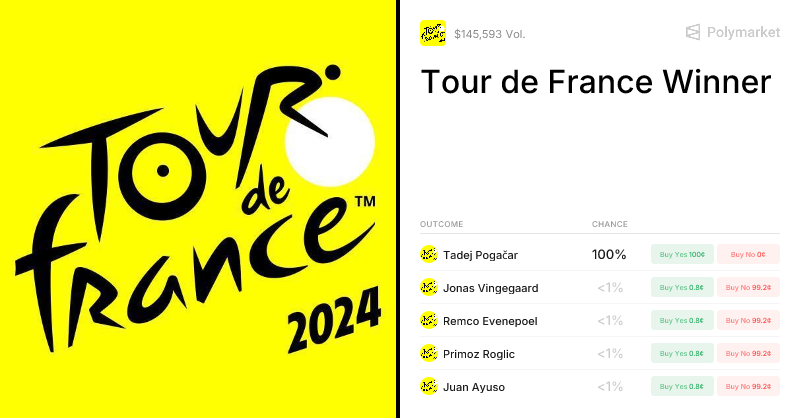
Tour de France stage winner markets offer unique prediction trading opportunities across the three-week Grand Tour, with daily contracts allowing traders to capitalize on rider performance variations across different terrain types. Unlike outright winner markets that resolve at the race’s conclusion, stage winner contracts create 21 distinct trading events, each with its own risk profile based on stage characteristics, rider form, and market liquidity patterns.
Analyze Stage Type Risk Profiles

Different stage types create distinct risk profiles that directly impact trading strategies and position sizing. Understanding these variations is essential for optimizing returns across the entire Tour.
| Stage Type | Likelihood Range | Volatility Level | Key Factors |
|---|---|---|---|
| Mountain Stages | 15-40% | High | Climber strength, breakaway potential |
| Time Trials | 25-60% | Medium | TT specialist ranking, course profile |
| Flat Stages | 40-80% | Low | Sprinter teams, peloton control |
Mountain stages typically feature the highest volatility with breakaways succeeding 15-40% of the time, while flat stages show more predictable outcomes with sprinter victories occurring 40-80% of the time. Time trials fall in the middle range, heavily influenced by specialist rankings and course profiles. This variation creates opportunities for stage-specific hedging strategies that optimize position sizing based on inherent risk levels.
Monitor Real-Time Liquidity Patterns
Stage winner markets exhibit distinct liquidity patterns that evolve throughout the Tour, requiring active monitoring to execute trades at optimal prices. Early stages typically show lower volume as traders establish positions, while later stages benefit from accumulated market activity.
Cross-platform liquidity monitoring becomes crucial when trading Tour de France markets, as volume can vary significantly between prediction platforms. Comparing odds across Polymarket, Kalshi, and other platforms reveals arbitrage opportunities when price discrepancies exceed transaction costs. The $145,593 volume recorded for 2024 Tour markets indicates growing liquidity, but stage-specific contracts may still face execution challenges during early stages. For traders on the go, the top mobile apps for sports event contract betting 2026 provide essential tools for monitoring markets in real-time (Wimbledon 2026 men’s final prediction market price).
Real-time liquidity tools from Formula 1 trading can be adapted for cycling markets, using depth charts and order book analysis to identify optimal entry and exit points. Monitoring bid-ask spreads provides insights into market sentiment shifts, particularly after stage results or rider withdrawals impact perceived probabilities.
Implement Stage-by-Stage Hedging Strategies
Stage-by-stage hedging allows traders to lock in profits or limit losses as the Tour progresses through different terrain. This approach requires analyzing rider performance trends and adjusting positions based on stage characteristics and remaining race objectives.
Early mountain stages often present hedging opportunities for overall contenders who may sacrifice stage wins to conserve energy. Traders can take opposing positions in stage winner and overall winner markets, capitalizing on the disconnect between daily performance and race leadership ambitions. For instance, a rider might be priced at 5% for a mountain stage but 30% for overall victory, creating arbitrage potential.
Medium mountain stages require nuanced analysis of rider capabilities across different terrain types. Cross-market arbitrage between stage winner and overall winner contracts becomes particularly effective when weather conditions or tactical decisions impact stage outcomes. Comparing these strategies to Ryder Cup 2026 event contract trading reveals similar hedging opportunities across different sports formats.
Optimize Position Sizing by Stage Risk
Position sizing must reflect the varying risk levels across different stage types to maximize returns while managing portfolio volatility. Flat stages with predictable outcomes warrant larger positions, while mountain stages with higher uncertainty require more conservative allocation.
A systematic approach to position sizing considers both stage type probability ranges and overall portfolio risk tolerance. For example, allocating 5% of trading capital to flat stage favorites versus 2% for mountain stage contenders helps balance potential returns against the increased uncertainty of breakaways and tactical racing. This methodology parallels fee comparison strategies between platforms, where cost optimization influences position sizing decisions.
Dynamic position adjustment based on market movements and new information becomes essential as the Tour progresses. Early stage results provide valuable data for refining position sizes in later stages, particularly when identifying riders who consistently outperform market expectations or struggle with specific terrain types.
Leverage Cross-Platform Arbitrage Opportunities
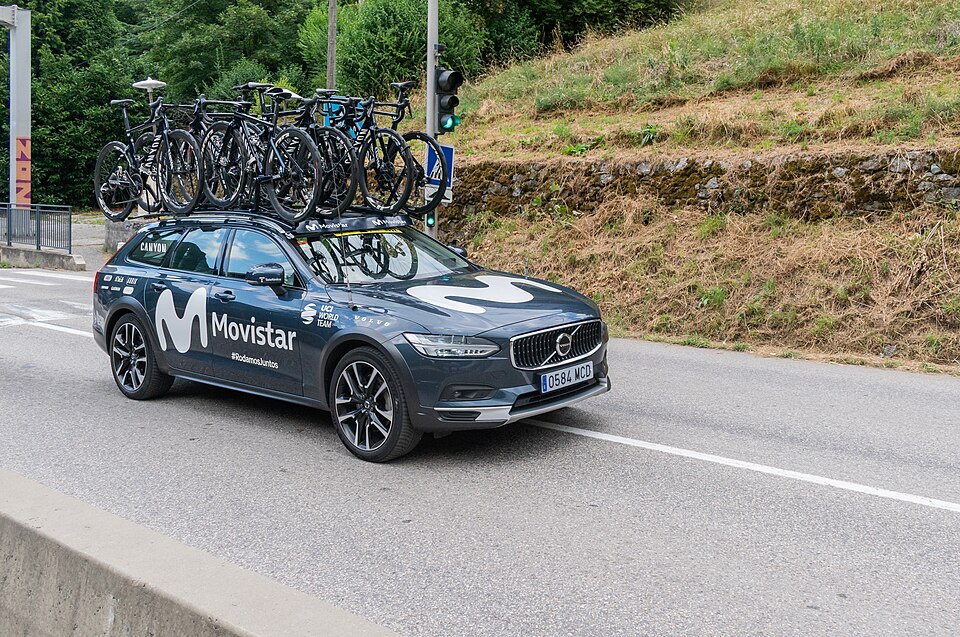
Price discrepancies between prediction platforms create arbitrage opportunities that can enhance returns while reducing market exposure. The growing prediction market industry, expanding from $9B to $44B+ between 2024-2025, has increased the number of platforms offering Tour de France markets, amplifying arbitrage potential.
Cross-platform arbitrage requires rapid execution and careful consideration of transaction costs, withdrawal fees, and platform-specific limitations. Comparing odds across multiple platforms during the same stage can reveal price inefficiencies, particularly for riders with specialized skills suited to specific stage types. The best sports betting dApps on Polygon 2026 often provide unique liquidity pools that complement centralized platform offerings.
Automated monitoring tools can track price movements across platforms in real-time, alerting traders to significant discrepancies that exceed transaction costs. This approach requires maintaining accounts on multiple platforms and understanding their respective fee structures, withdrawal processes, and liquidity constraints.
Common Mistakes and Troubleshooting
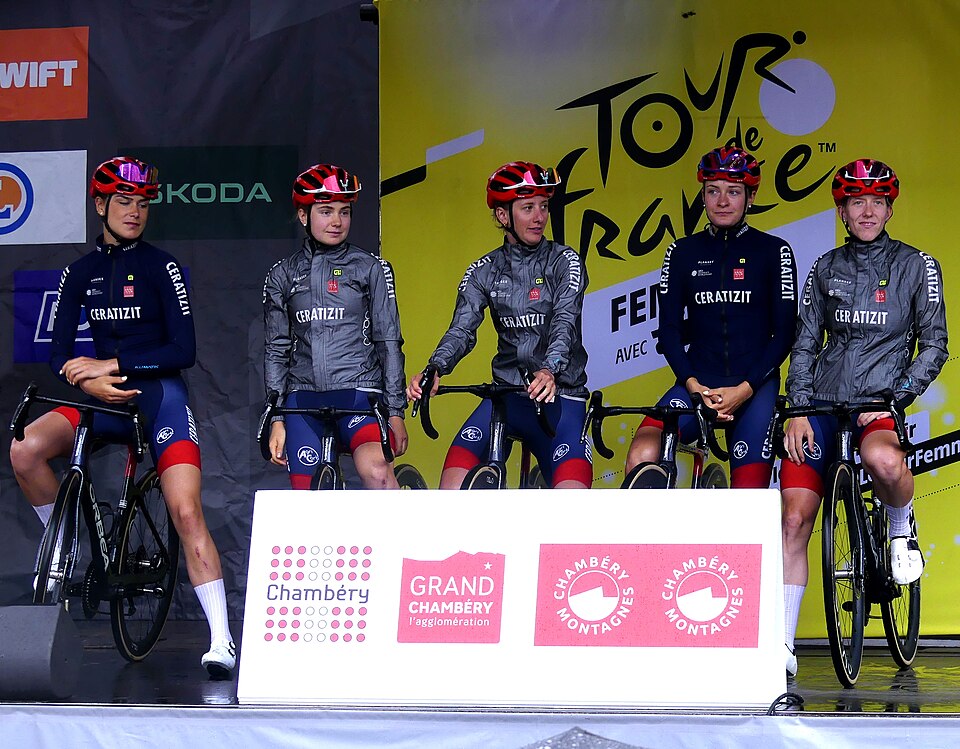
Traders often underestimate the impact of weather conditions on stage outcomes, particularly in mountain stages where rain or wind can dramatically alter racing dynamics. Failing to account for these variables can lead to significant losses when market odds don’t fully reflect environmental risks.
Overconcentration in stage winner markets without considering overall winner correlations represents another common error. Stage victories don’t always translate to overall success, and vice versa, creating opportunities for traders who understand these distinctions. The Kentucky Derby trading strategies demonstrate similar principles of balancing short-term and long-term market positions.
Liquidity management challenges often arise when traders fail to monitor bid-ask spreads during volatile market conditions. Large position sizes can move prices unfavorably when exiting trades, particularly in less liquid stage markets. Implementing gradual position reduction strategies helps minimize market impact costs.
What You Need
- Accounts on multiple prediction platforms (Polymarket, Kalshi, etc.)
- Real-time odds monitoring tools and cross-platform comparison capabilities
- Stage type analysis framework incorporating terrain, weather, and rider profiles
- Position sizing calculator based on stage risk profiles
- Automated alert system for cross-platform arbitrage opportunities
- Historical performance data for key riders across different stage types
What’s Next
Advanced traders should explore AI-powered prediction tools that incorporate machine learning models for rider performance forecasting. These tools can analyze vast datasets of historical performances, weather patterns, and tactical considerations to identify value opportunities that human analysis might miss.
Developing custom algorithms for automated trade execution based on predefined criteria can further optimize returns while minimizing emotional decision-making. This approach requires significant technical expertise but can provide consistent advantages in rapidly moving markets.
Finally, mastering the integration of stage winner trading with overall winner markets creates a comprehensive Tour de France trading strategy that maximizes opportunities across the entire three-week event. This holistic approach considers both short-term stage dynamics and long-term race objectives to optimize portfolio performance throughout the Tour.