
Online sports betting fraud attempts have increased 47% in 2025, making robust fraud detection and prevention systems essential for both operators and bettors.
- 47% increase in online sports betting fraud attempts in 2025 requires advanced detection systems
- Machine learning algorithms analyze thousands of data points to identify suspicious betting patterns
- Behavioral analysis tracks betting velocity, stake patterns, and geographic data to prevent account fraud
How Machine Learning and AI Detect Sports Betting Fraud
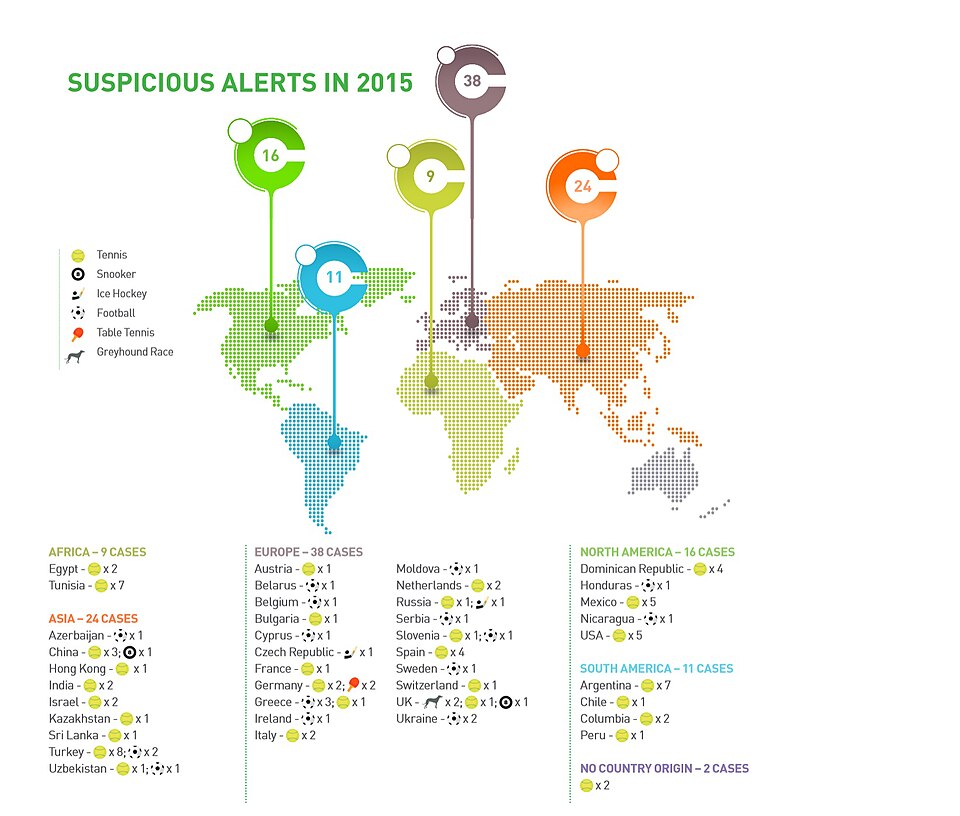
Pattern Recognition: Identifying Unusual Betting Behaviors
Machine learning algorithms analyze thousands of data points including betting patterns, account behavior, and transaction histories to identify suspicious activities. These systems excel at recognizing patterns that deviate from normal market activity, flagging accounts that show statistically improbable winning streaks or betting behaviors that don’t align with typical user patterns. Understanding how to read sports betting lines helps users recognize legitimate betting opportunities versus suspicious patterns.
Key pattern recognition capabilities include:
- Statistical Deviation Analysis: Comparing individual betting patterns against millions of similar users to identify outliers
- Temporal Pattern Recognition: Detecting unusual timing patterns in betting activity, such as coordinated bets placed within milliseconds
- Market Impact Assessment: Analyzing how individual bets affect market lines compared to expected outcomes
Machine learning models use supervised and unsupervised learning techniques to identify fraud patterns. Supervised learning trains on historical fraud cases, while unsupervised learning discovers new fraud patterns without prior examples. These systems can detect:
- Arbitrage Betting: Identifying users who exploit price differences across multiple sportsbooks
- Matched Betting: Flagging accounts that use promotional offers to guarantee profits
- Bonus Abuse: Detecting patterns of creating multiple accounts to claim welcome bonuses repeatedly
Predictive Analytics: Forecasting Fraud Before It Occurs
Modern sports betting platforms employ predictive analytics to forecast potential fraud attempts before they occur. These systems analyze betting patterns as they happen, using AI to detect coordinated betting rings across multiple accounts that might be attempting to manipulate outcomes.
Real-time monitoring capabilities include:
- Behavioral Scoring: Assigning risk scores to accounts based on their activity patterns
- Network Analysis: Identifying connections between accounts that might indicate organized fraud attempts
- Predictive Flagging: Alerting operators to potential fraud before significant losses occur
Predictive analytics systems use advanced algorithms including:
- Neural Networks: Deep learning models that identify complex fraud patterns
- Decision Trees: Rule-based systems that flag suspicious betting combinations
- Ensemble Methods: Combining multiple models for more accurate fraud detection
Behavioral Analysis Systems for Sports Betting Security

Betting Velocity and Stake Pattern Analysis
Sportsbooks now implement sophisticated behavioral analysis tools that monitor user activity across multiple dimensions. Betting velocity tracks the speed and frequency of bets placed by individual users, while stake pattern analysis identifies unusual stake sizes or betting progressions that might indicate fraudulent activity. These systems also integrate with sports betting mobile app development features to provide seamless security across all platforms.
Systems monitor for:
- Rapid-Fire Betting: Multiple bets placed within seconds that suggest automated systems
- Martingale Progression Detection: Identifying betting patterns that attempt to recover losses through doubling stakes
- Stake Size Anomalies: Flagging bets that are disproportionately large compared to account history
Behavioral analysis also examines:
- Time-of-Day Patterns: Detecting unusual betting activity during non-typical hours
- Device Switching: Flagging accounts that switch between multiple devices frequently
- Browser Fingerprinting: Identifying unique browser configurations to prevent account sharing
Geographic Tracking and IP Address Monitoring
Geographic tracking and IP address monitoring have become essential tools for preventing account sharing and VPN usage. Sportsbooks use these systems to detect VPN usage and proxy servers, preventing location spoofing and ensuring compliance with regional regulations.
Location-based security measures include:
- Multi-Country Access Detection: Flagging accounts accessing from multiple countries simultaneously
- IP Geolocation Verification: Ensuring betting activity matches the user’s registered location
- Device Fingerprinting: Identifying unique device characteristics to prevent account sharing
Advanced geographic monitoring includes:
- Cellular Network Analysis: Detecting mobile betting from unusual locations
- Wi-Fi Network Tracking: Identifying patterns of betting from specific networks
- Location History Analysis: Building comprehensive location profiles for each user
Identity Verification and KYC Requirements for Sports Betting

Comprehensive Identity Verification Before Transactions
All licensed operators in 2026 require comprehensive identity verification before processing any transactions. This includes government-issued photo ID, proof of address, and source of funds documentation for large deposits. Enhanced Know Your Customer (KYC) protocols help prevent identity theft and money laundering, ensuring compliance with sports betting regulatory compliance requirements.
Document verification requirements include:
- Government ID Authentication: Verifying the validity of driver’s licenses, passports, and national ID cards
- Address Proof Validation: Confirming residential addresses through utility bills or bank statements
- Payment Method Verification: Ensuring deposit methods match the verified identity
Modern KYC systems incorporate:
- Biometric Authentication: Using facial recognition and fingerprint scanning for account access
- Document Liveness Detection: Preventing the use of fake or altered documents
- Real-Time Verification: Instant verification through API connections to government databases
Transaction Monitoring and Anti-Money Laundering
Transaction monitoring systems have become increasingly sophisticated in detecting money laundering and suspicious financial activity. Anti-money laundering protocols require reporting of suspicious transactions over certain thresholds, with systems tracking the source of funds and monitoring for layering techniques. The integration of blockchain and cryptocurrency technology has added new dimensions to transaction verification and settlement processes.
Key transaction monitoring features:
- Unusual Pattern Detection: Flagging deposits and withdrawals that deviate from normal behavior
- Source of Funds Verification: Ensuring deposits come from legitimate sources
- Layering Detection: Identifying attempts to obscure the origin of funds through multiple transactions
AML systems track:
- Structuring Detection: Identifying attempts to avoid reporting thresholds through multiple small transactions
- Cross-Border Movement: Flagging large international transfers
- High-Risk Jurisdiction Monitoring: Identifying transactions from countries with lax regulations
Most surprising finding: 47% increase in fraud attempts in 2025. Implement multi-layered fraud detection combining AI, behavioral analysis, and strict KYC protocols to protect both operators and bettors.