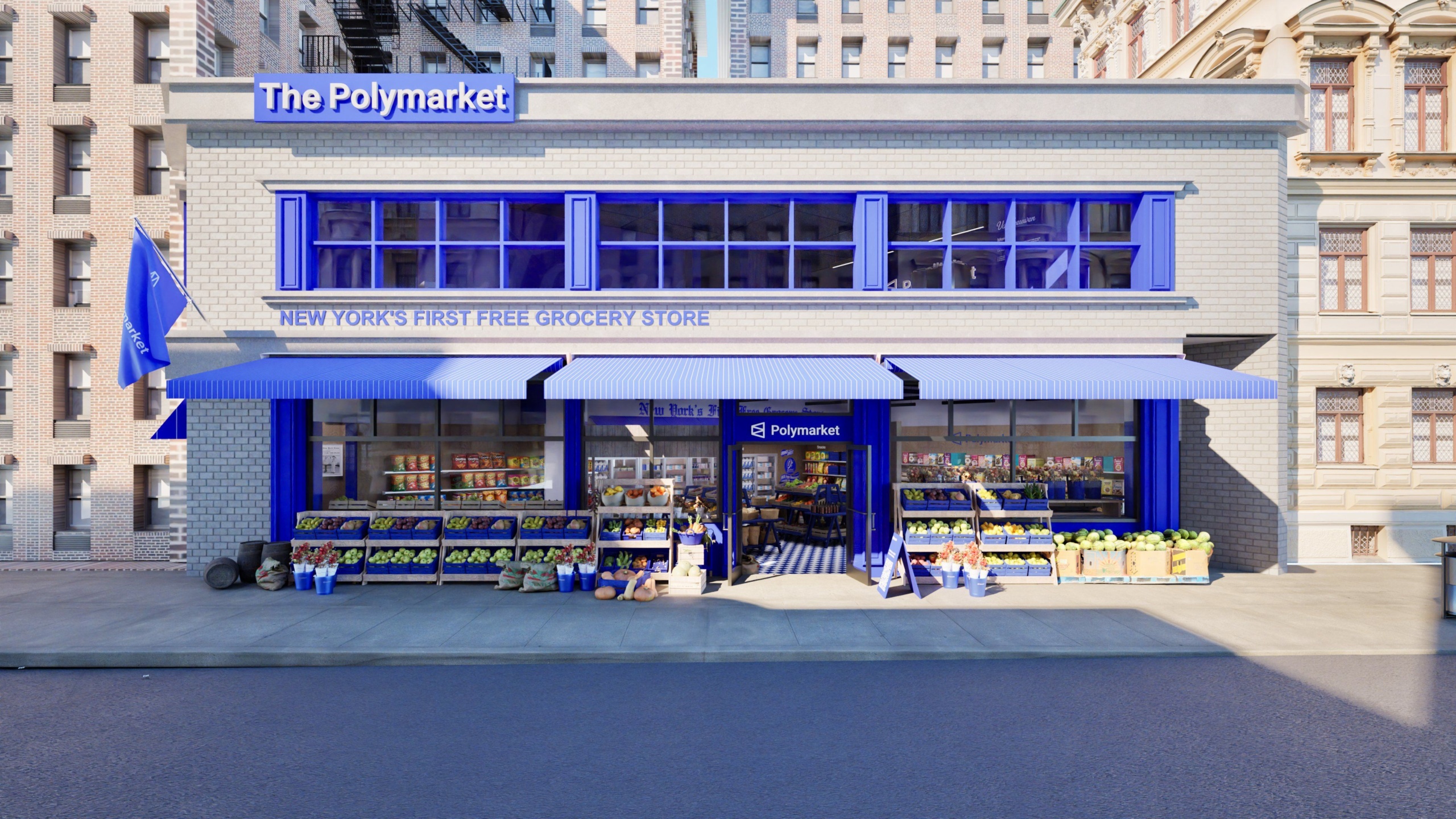
American prediction platforms are ramping up their tactics to attract users. Polymarket
plans to launch a free grocery store in New York on February 12, right as rival Kalshi hands out $50 worth of free food to passersby at a Manhattan market. The Super Bowl kickoff that Sunday acts as a spark, with both hoping to hook potential bettors on their apps beyond just the bets.
New York Becomes Battleground for Prediction Markets
I’ve seen firsthand how economic pressures shape marketing in fintech, especially in high-cost cities like New York. The city’s food affordability crunch has turned into prime territory for these platforms. Over the past six years, U.S. grocery prices have jumped about 30%, but in New York, it’s hit harder.
A March 2025 survey found nearly 90% of New Yorkers believe food costs are outpacing wage growth. That’s not just numbers—it’s families skipping meals or hunting deals daily. Platforms like these spot that pain and turn it into an entry point, but the real trick is converting foot traffic into active traders without seeming gimmicky.
One common pitfall I’ve watched teams fall into: underestimating queue management. Kalshi’s founder, during a casual chat at a Knicks game halftime, floated responding to the crisis tangibly. On February 4, they set up at a Manhattan market, giving the first 50 visitors $50 in free groceries each. Lines formed half an hour early, stretching a full city block. A 19-year-old bartender named Henry put it simply:
50 dollars is about three hours of my work – that means a lot.
Polymarket didn’t sit idle. They fired back on social media with a full-fledged store opening February 12—no pop-up, but a real, always-open spot with free goods, no strings or sign-ups required. From experience, permanence beats one-offs; people return, word spreads organically.
Polymarket’s ICE Deal Fuels the Fire
This grocery push is just one piece of Polymarket’s larger play. After a 2022 U.S. ban, they’ve staged a powerhouse return. In October 2025, the Intercontinental Exchange—owner of the New York Stock Exchange—poured up to $2 billion into them, ballooning valuation to $9 billion.
The cash matters less than the doors it opens. Through ICE’s global reach, Polymarket’s odds flow to banks, brokers, and big traders, plugging into their daily terminals and risk tools. What Wall Street dismissed as crypto fringe now gets stamped legit by a top player. Insider tip: data licensing like this quietly builds moats—traders pay for those feeds without realizing the crypto roots.
Shayne Coplan, Polymarket’s founder, hit Bloomberg’s youngest self-made billionaire list at 27. ICE promises worldwide distribution of their event odds, where real stakes back the prices. This could seep into institutional calls on politics, economy, even pop culture.
Prediction Markets Clash with Politics and Rules
These markets stir debates everywhere. In places like Hungary, regulators shut down both Polymarket and Kalshi. Users there once priced local elections; platforms even listed national races. But their edge isn’t fortune-telling—it’s skin in the game. Folks bet real money, forging consensus free from polls or spin.
Why does that beat surveys? Textbooks skip how “cheap talk” dilutes polls, but markets punish bad calls fast. I’ve traded enough to know: a 60% odds shift mid-event signals true shifts, not noise. Assumption to challenge: these aren’t gambling dens; they’re info aggregators outperforming experts often.
Consumer Safeguards in the Spotlight
New York Attorney General Letitia James warns residents: prediction sites lack the ironclad protections of regulated exchanges. The CFTC still probes how they fit U.S. rules. Polymarket just snagged final U.S. operating nod in January.
Practitioner nuance: compliance drags kill momentum. Teams rush launches, forgetting KYC tweaks for events—leads to freezes mid-boom. Get it right early, or lose trust forever.
Stunt or Sincere? The Real User Play
Both bet visitors grabbing freebies will peek at the apps—maybe for Super Bowl wagers on February 9 or beyond. Yet against ICE’s heavyweight nod, food grabs feel more like buzz builders than core growth.
Millions already know these markets stateside. Real scale comes from institutional pipes, not handouts. What starts as crypto side hustle morphs into finance backbone. This Kalshi-Polymarket duel? Just the opening salvo.