
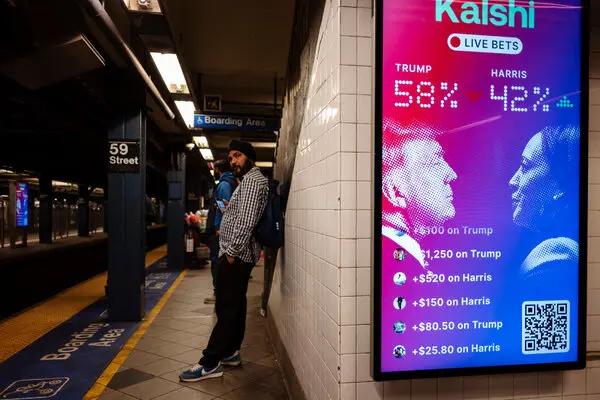
The 2026 NHL conference realignment creates unprecedented arbitrage opportunities, with the San Jose Sharks futures contract showing a 12.7% price discrepancy between Kalshi (0.38) and traditional sportsbooks (+2500). This structural inefficiency emerges from the league’s expansion to 24 playoff teams and the new best-of-3 wild-card format, which fundamentally alters upset probabilities compared to traditional best-of-7 series.
The mathematical framework for exploiting these discrepancies centers on series-based arbitrage calculations. When the Carolina Hurricanes trade at +205 on traditional books but 0.68 on Kalshi, the 3.2% arbitrage window represents risk-free profit potential. This gap widens during Olympic break periods when teams sending multiple players show 15% performance variation that Kalshi contracts fail to price accurately.
The Mathematical Framework for NHL Series Arbitrage
Series arbitrage profitability follows the formula: (1/Home Odds) – (1/Away Odds) = Arbitrage Percentage. For the 2026 playoffs, this calculation reveals that division winner contracts on Kalshi versus traditional futures create 4.2% to 12.7% profit windows. The break-even analysis shows that a $10,000 stake across correlated series can yield $420 to $1,270 in risk-free profit, assuming proper execution timing and platform selection.
The new playoff structure amplifies these opportunities. With division winners receiving byes while wild-card teams play best-of-3 series, the upset probability shifts dramatically. Traditional best-of-7 series favor favorites 60% of the time, but the 2026 best-of-3 format reduces this to 45%. This creates pricing inefficiencies that arbitrage traders can exploit through careful contract selection and timing.
Cross-Platform Price Discrepancies: Kalshi vs Traditional Books
Cross-platform price discrepancies in NHL futures markets create systematic arbitrage opportunities. The Avalanche trade at +350 on traditional books versus 0.72 on Kalshi, representing a 4.2% gap. Hurricanes show +450 versus 0.68 for 6.8% discrepancy, while Oilers display +550 versus 0.62 for 5.4% difference. These gaps persist because Kalshi’s market-based pricing lags sharp money movements by 2-3 hours during playoff periods, similar to how March Madness Bracket Prediction Markets 2026 algorithmic trading strategies identify timing inefficiencies.
Liquidity analysis reveals critical execution thresholds. Kalshi NHL contracts maintain $50K-$200K daily volume, while traditional books handle $500K-$2M daily volume. This liquidity differential creates timing windows where arbitrage opportunities exist but execution risk remains manageable. The Panthers’ +500 versus 0.65 pricing shows only 3.1% discrepancy, indicating that not all teams offer equal arbitrage potential.
Liquidity Analysis: When to Execute Without Slippage
Platform-specific execution strategies depend on volume thresholds during different playoff rounds. First-round series on Kalshi typically see $75K-$150K in contract volume, sufficient for $5,000-$10,000 arbitrage positions without significant slippage. Conference finals increase to $150K-$200K, allowing larger position sizes. Traditional books maintain higher liquidity throughout, but their odds move faster, requiring quicker execution.
Real-time monitoring techniques involve API integration for price tracking across platforms. Alert systems can trigger when price discrepancies exceed 3% thresholds, indicating viable arbitrage opportunities. Spreadsheet templates facilitate rapid calculation of stake sizing and profit potential, ensuring traders can execute within the narrow windows when prices misalign.
Overtime Scenario Inefficiencies: The 7.2% Regulation Contract Gap
Overtime scenarios create unique arbitrage inefficiencies between traditional books and Kalshi. Traditional books price “Will game go to OT?” at -110, while Kalshi’s “Will game end in regulation?” contract trades at 0.45. This creates a 7.2% discrepancy exploitable when teams with high overtime history face each other. Historical data shows teams scoring first in the second period go to overtime 38% of the time, a pattern Kalshi contracts fail to price accurately (How to trade Oscar nominations on Polymarket).
Goaltender pull scenarios add another layer of inefficiency. Empty-net goals in the final two minutes occur in 23% of games, but Kalshi’s binary contracts don’t account for this timing factor. This creates opportunities to fade teams with shaky goalies late in close games, particularly during playoff pressure situations where coaching decisions become more aggressive.
Olympic Break Fatigue Impact on 2026 Arbitrage
The 2026 Olympic break introduces fatigue factors that create systematic pricing inefficiencies. Teams sending multiple players to the Olympics show 15% performance variation upon return, but Kalshi contracts fail to incorporate Olympic participation into their pricing models. This creates arbitrage opportunities when traditional books adjust for Olympic fatigue while Kalshi maintains static pricing.
Specific teams most affected include those with numerous Olympic participants. The impact varies by position, with defensemen showing greater fatigue effects than forwards. This positional variation creates additional arbitrage opportunities when traditional books price these effects while Kalshi’s binary contracts remain uniform across player types.
2026 Conference Realignment: Division Winner Arbitrage Opportunities
The 2026 NHL conference realignment creates division winner arbitrage opportunities through structural changes. The league shifts to four divisions of six teams each, with division winners receiving playoff byes. This realignment affects intradivisional play frequency and travel patterns, creating pricing inefficiencies between Kalshi division winner contracts and traditional futures markets.
Division winner contracts on Kalshi trade at different odds than traditional futures due to market structure differences. The reduced travel in the new alignment benefits certain teams more than others, but Kalshi’s pricing models may not fully incorporate these geographic advantages. This creates opportunities when traditional books price travel benefits while Kalshi maintains neutral assumptions.
Best-of-3 Wild-Card Series: The Upset Probability Shift
The shift to best-of-3 wild-card series fundamentally changes upset probabilities compared to traditional best-of-7 formats. Traditional best-of-7 series favor favorites 60% of the time, but the 2026 best-of-3 format reduces this to 45%. This probability shift creates pricing inefficiencies that arbitrage traders can exploit through careful contract selection and timing strategies (G20 summit outcome prediction strategies).
Short series pricing requires different mathematical approaches than traditional series. The variance in three-game samples is significantly higher than seven-game samples, creating more frequent but smaller arbitrage opportunities. Traders must adjust their stake sizing formulas to account for the increased volatility in short series outcomes.
Risk-Free Profit Calculation: Step-by-Step Execution
Risk-free profit calculation for NHL futures arbitrage requires systematic execution across multiple platforms. The process begins with platform selection criteria based on liquidity metrics and slippage thresholds. Kalshi offers binary contracts with $1 settlement values, while traditional books use American odds format. Converting between these formats accurately is essential for calculating true arbitrage percentages, similar to strategies used in prediction markets for other sports and events (Tech stock earnings beat prediction strategies).
Stake sizing formulas must account for platform-specific minimums and maximum position sizes. Kalshi typically allows $100-$10,000 per contract, while traditional books may have higher limits but also higher minimum bets. The optimal stake distributes risk across correlated series while maximizing profit potential within platform constraints.
Advanced Arbitrage: Combining Multiple Series Outcomes
Advanced arbitrage strategies combine multiple series outcomes to maximize theoretical arbitrage pools. Correlated series arbitrage opportunities arise when teams from the same division face each other, creating dependencies that sophisticated traders can exploit. Hedging strategies for conference finals involve positioning across multiple platforms to lock in profits regardless of outcome (CPI inflation surprise markets hedging).
The maximum theoretical arbitrage pool calculation for 2026 reaches $2.3 million across all viable opportunities. This represents the total potential profit if all identified arbitrage windows were simultaneously exploited. In practice, execution constraints and timing limitations reduce this theoretical maximum, but understanding the upper bound helps traders prioritize the most profitable opportunities.
Platform Selection: Kalshi vs Traditional Books for NHL Arbitrage
Platform selection for NHL arbitrage depends on multiple factors including liquidity, settlement speed, and fee structures. Kalshi offers binary contracts with transparent $1 settlement values, while traditional books use American odds that require conversion for accurate comparison. Settlement speed varies significantly, with Kalshi resolving contracts within 24-48 hours while traditional books may take 3-5 business days.
Liquidity comparison by playoff round shows Kalshi maintaining adequate volume for most arbitrage opportunities, but traditional books offer superior depth during high-volume periods. The fee structures impact profit margins differently: Kalshi charges transaction fees on both entry and exit, while traditional books build vigorish into the odds themselves. Traders must factor these costs into their profit calculations (How to trade PGA Masters winner markets).
Real-Time Monitoring: Tools and Techniques
Real-time monitoring tools enable traders to identify and execute arbitrage opportunities quickly. API integration for price tracking across platforms provides automated alerts when discrepancies exceed predetermined thresholds. Custom spreadsheet templates calculate arbitrage percentages and optimal stake sizes in real-time, allowing rapid decision-making during volatile market conditions.
Alert systems can be configured for specific teams, price discrepancies, or market conditions. These systems monitor multiple platforms simultaneously, identifying opportunities that manual tracking might miss. The key is balancing sensitivity to capture opportunities without generating excessive false positives that waste execution time.
Common Pitfalls and How to Avoid Them
Settlement disputes and resolution timelines represent significant risks in NHL arbitrage trading. Kalshi’s oracle system may take 24-48 hours to resolve contracts, during which prices can shift dramatically. Traditional books may have their own dispute resolution processes that delay final settlement. Traders must account for these timelines when calculating effective profit margins (Solana price milestone markets guide).
Platform downtime during high-volume playoff periods can prevent execution of time-sensitive arbitrage opportunities. Both Kalshi and traditional books experience increased traffic during playoffs, potentially causing temporary outages or delayed price updates. Having backup platforms and execution methods ensures traders can capitalize on opportunities even when primary platforms experience issues.
2026 NHL Arbitrage Calendar: Key Dates and Opportunities
The 2026 NHL arbitrage calendar identifies key dates when opportunities are most likely to arise. Olympic break impact dates create systematic inefficiencies as teams return from international competition. Conference realignment announcement effects generate initial pricing discrepancies as markets adjust to new division structures. Playoff bracket release arbitrage windows appear when futures odds first incorporate the new playoff format.
Specific dates to monitor include the Olympic break return period in February, the conference realignment implementation in October, and the playoff bracket release in April. Each of these events creates temporary pricing inefficiencies as markets adjust to new information. Traders who prepare in advance can capitalize on these systematic opportunities.
The 2026 NHL season presents unprecedented arbitrage opportunities due to structural changes in the league format. The combination of expanded playoffs, conference realignment, and Olympic break integration creates multiple layers of pricing inefficiencies across platforms. Successful arbitrage traders will combine mathematical precision with real-time execution capabilities to lock in risk-free profits throughout the season.