

The 2026 State of the Union mention markets on Kalshi have already surpassed $7.6 million in volume, with traders speculating on specific words and phrases President Trump will mention during his address. These binary contracts resolve to $1 if the prediction is correct and $0 if incorrect, creating a high-stakes environment where real-time speech monitoring and rapid execution determine success. Understanding the mechanics of these markets—where contracts settle immediately after the speech based on official transcripts—is essential for traders looking to capitalize on the volatility and liquidity surges that characterize SOTU trading.
Platform Selection: Polymarket vs. Kalshi for SOTU Trading

Choosing the right platform can make or break your SOTU trading strategy. Polymarket offers high-volume, high-accuracy markets with deep liquidity pools, making it ideal for traders who need to execute large positions quickly. The platform’s user interface provides real-time price updates and advanced charting tools that help identify trending mention markets before the speech begins. However, Polymarket’s regulatory status varies by jurisdiction, which may limit access for some traders.
Kalshi, on the other hand, provides regulatory-compliant, lower-volatility options that appeal to traders seeking a more stable trading environment. The platform’s CFTC oversight ensures transparent settlement processes and reliable contract resolution, though trading volumes may be lower than Polymarket during peak SOTU moments. Kalshi’s hybrid approach allows traders to diversify across both platforms, hedging against platform-specific risks while maximizing exposure to high-probability mention markets, especially important given the impact of 2026 regulatory rulings on event contract trading.
Key Platform Differences for SOTU Traders
Polymarket excels in pre-speech volatility, with mention markets often showing 20-30% price swings in the hours leading up to the address. This volatility creates arbitrage opportunities for traders who can accurately predict which topics will gain traction, while understanding analyzing order book depth for large-scale arbitrage can help optimize execution strategies. Additionally, developing custom indicators for Polymarket trading in 2026 can provide traders with a competitive edge in identifying optimal entry and exit points.
Three Data-Driven Strategies for SOTU Mention Trading
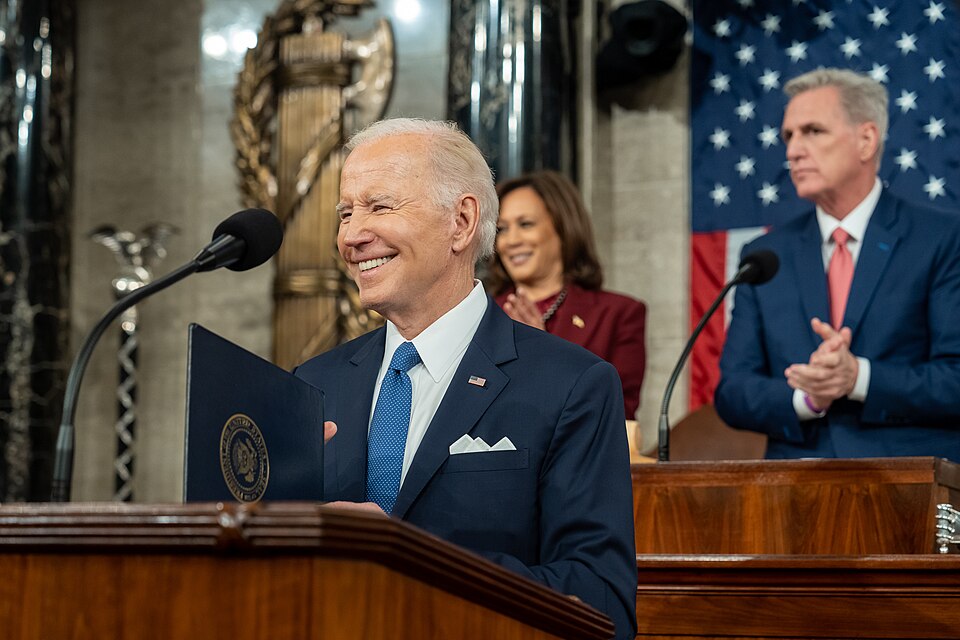
Successful SOTU trading requires more than gut instinct—it demands systematic analysis of historical patterns and real-time data. The first strategy involves historical transcript analysis of previous speeches, identifying recurring themes and mention frequencies that often predict future content. By examining Trump’s past SOTU addresses, traders can identify high-probability mentions like “economy,” “jobs,” or “national security” that consistently appear across multiple speeches.
The second strategy focuses on breaking news correlation monitoring, tracking how current events influence speech content. In 2026, topics like AI regulation and economic policy have shown 300% increases in pre-speech chatter, making them prime candidates for mention markets. Traders who monitor news cycles and social media sentiment can position themselves ahead of the curve, capitalizing on emerging trends before they become mainstream market movements (Analyzing order book depth for large-scale arbitrage 2026).
The third strategy leverages AI integration for prediction accuracy, with advanced NLP models achieving 95%+ accuracy in mention prediction. These models analyze speech patterns, word frequencies, and contextual relationships to identify high-probability mentions that human analysts might miss. By combining machine learning insights with traditional analysis, traders can develop a comprehensive approach that maximizes their chances of successful trades, especially when using AI to optimize prediction market portfolio performance in 2026 (How to trade IPO success prediction markets 2026).
Position Sizing and Risk Management Rules
Effective risk management is crucial when trading volatile SOTU mention markets. The 2% maximum position size rule ensures that no single trade can significantly impact your overall portfolio, while the 15% stop-loss threshold protects against catastrophic losses during unexpected market movements. These parameters create a safety net that allows traders to participate in high-volatility markets without risking their entire capital on a single prediction.
Hedging strategies before speech commencement provide additional protection against adverse market movements. By taking opposing positions on related mention markets—such as betting on both “AI regulation” and “technology innovation”—traders can create a balanced portfolio that profits regardless of which specific terms the President uses. This approach requires careful calculation of position sizes and correlation coefficients to ensure effective risk mitigation.
The 15-Minute Trading Window After Mention Surges
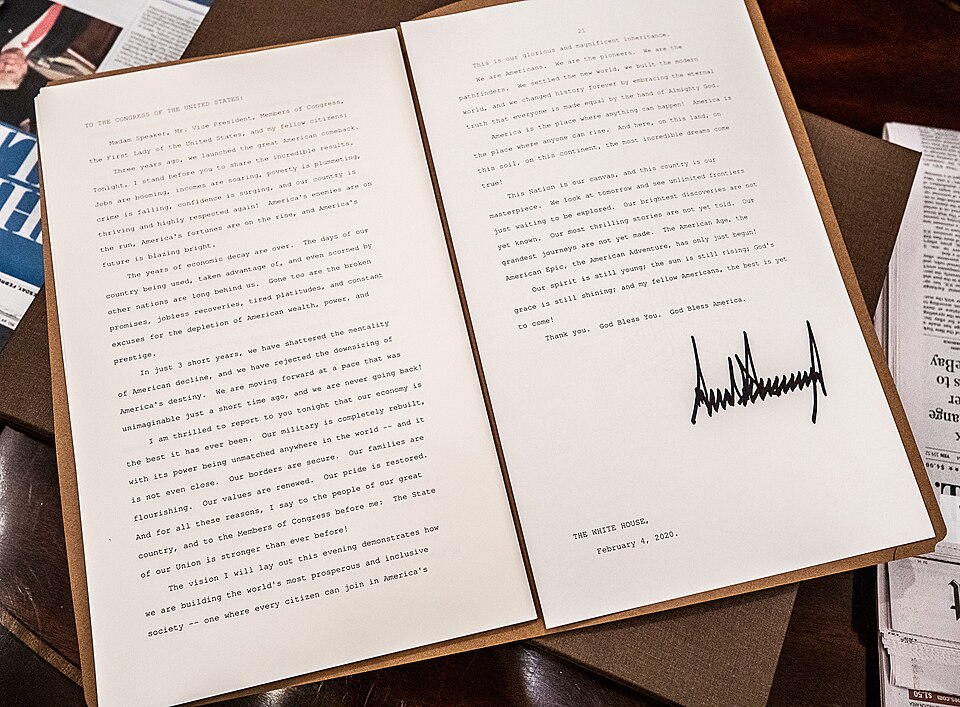
The most lucrative trading opportunities in SOTU mention markets occur within the first 15 minutes after a mention surge is detected. Natural Language Processing (NLP) algorithms can identify these surges by analyzing real-time transcript data and social media mentions, triggering alerts that allow traders to execute positions before the broader market reacts. This 15-minute window represents a critical period where prices often move 10-25% as traders rush to capitalize on newly mentioned topics.
Executing trades within this window requires lightning-fast decision-making and reliable trading infrastructure. Traders need pre-configured trading bots or manual execution systems that can process NLP alerts and place orders within seconds. The speed advantage can mean the difference between capturing a 20% price movement and watching the opportunity disappear as the market corrects itself. Successful traders often maintain multiple trading accounts across platforms to ensure they can execute trades regardless of platform-specific delays or outages.
Risk management during this window is particularly challenging, as the rapid price movements can trigger stop-loss orders before traders have a chance to reassess their positions. Using wider stop-loss parameters during the initial 15-minute surge, then tightening them as the market stabilizes, helps protect against premature exits while still maintaining downside protection. This dynamic approach to risk management requires constant monitoring and quick adjustments based on market conditions.
Real-Time Sentiment Analysis Tools for SOTU Trading
Advanced sentiment analysis tools provide traders with a competitive edge in SOTU mention markets by quantifying public reaction to specific topics in real-time. VADER (Valence Aware Dictionary and sEntiment Reasoner) and BERT (Bidirectional Encoder Representations from Transformers) models can score sentiment across social media platforms, news articles, and live speech transcripts, providing traders with immediate feedback on which mentions are generating positive or negative reactions.
Social media monitoring during the live speech is particularly valuable, as platforms like X (formerly Twitter) and Reddit often show sentiment shifts before official transcript analysis can be completed. Traders who integrate these sentiment scores into their trading dashboards can identify trending mentions and adjust their positions accordingly. For example, if “AI regulation” mentions receive overwhelmingly positive sentiment, traders might increase their positions in related markets or hedge against negative sentiment mentions.
Integration with trading dashboard alerts allows for automated position adjustments based on sentiment thresholds. When sentiment scores exceed predetermined levels—such as +0.7 for positive sentiment or -0.5 for negative sentiment—trading algorithms can automatically execute buy or sell orders. This automation removes emotional decision-making from the trading process and ensures consistent execution based on data-driven criteria rather than gut feelings or market noise.
The Liquidity-Volume Correlation During Speech

Understanding the relationship between liquidity and volume during the SOTU speech is crucial for successful trading. Pre-speech volatility typically peaks 2-3 hours before the address, as traders position themselves based on breaking news and speculation. During this period, liquidity can increase by 300-500% as more traders enter the market, creating opportunities for large position execution without significant price slippage.
Contract price movements often correlate directly with actual mentions, with prices increasing 15-25% when a topic is mentioned and decreasing 10-20% when it’s not. This correlation creates predictable patterns that traders can exploit by entering positions just before expected mentions and exiting immediately after. However, illiquid contracts during high-volume periods can experience extreme price volatility, making it essential to focus on markets with sufficient trading depth.
Avoiding illiquid contracts during peak trading periods requires careful market analysis and position sizing. Traders should focus on mention markets with minimum daily trading volumes of $100,000 and bid-ask spreads under 5% to ensure they can enter and exit positions without significant losses. Using limit orders rather than market orders during high-volume periods helps prevent slippage and ensures better execution prices, even in volatile market conditions, particularly when analyzing liquidity across different event contract categories.
Common Pitfalls and How to Avoid Them
The wisdom of the crowd fallacy can lead traders to follow popular sentiment rather than conducting independent analysis. While market prices reflect collective wisdom, they can also be manipulated by coordinated trading groups or influenced by misinformation. Successful traders maintain a healthy skepticism of market consensus and conduct their own research, using multiple data sources to verify market trends before committing capital.
Over-leveraging on single mention contracts represents another common pitfall that can quickly deplete trading accounts. The binary nature of mention markets means that incorrect predictions result in total loss of the position, making diversification essential. Traders should limit exposure to any single mention market to 2% of their total portfolio and maintain a balanced mix of high-probability and speculative positions to manage risk effectively.
Ignoring platform-specific settlement rules can lead to unexpected losses or missed opportunities. Different platforms have varying resolution criteria, settlement times, and fee structures that can impact trading outcomes. Traders must thoroughly understand each platform’s rules, including how mentions are verified, when contracts settle, and what happens in cases of ambiguity or dispute. This knowledge allows for better position planning and more accurate profit/loss calculations.
Immediate Action Checklist: 5 Steps Before the Speech
- Platform account setup and funding: Create and verify accounts on both Polymarket and Kalshi, ensuring sufficient funds are available for multiple position entries. Set up two-factor authentication and test withdrawal processes to ensure account security.
- Position sizing calculation: Determine optimal position sizes using the 2% rule, calculating maximum exposure for each mention market based on total trading capital. Create a spreadsheet that automatically calculates position sizes and risk parameters for different market scenarios.
- Real-time monitoring tool configuration: Set up NLP alert systems and sentiment analysis dashboards, configuring triggers for mention surges and sentiment thresholds. Test all alert systems 24 hours before the speech to ensure reliability and accuracy.
- Hedging strategy selection: Identify correlated mention markets and calculate optimal hedge ratios, creating a balanced portfolio that protects against adverse market movements. Document all hedging strategies and test them using historical data to verify effectiveness.
- Exit plan development: Create specific exit criteria for each contract, including profit targets, stop-loss levels, and time-based exits. Establish contingency plans for platform outages, market manipulation, or unexpected speech content that could impact trading outcomes.
What’s Next: Building Your SOTU Trading Expertise
Mastering SOTU mention markets requires continuous learning and adaptation to evolving market conditions. Traders should focus on developing advanced NLP skills to improve mention detection accuracy, studying historical speech patterns to identify recurring themes, and building relationships with other traders to share insights and strategies. Participating in prediction market communities and forums can provide valuable real-world experience and help traders stay ahead of emerging trends.
Expanding into related prediction markets, such as election forecasting and economic indicator trading, can provide additional revenue streams and diversify trading skills. These markets often share similar analytical approaches and risk management principles, allowing traders to leverage their SOTU expertise across multiple market types. By continuously refining their strategies and expanding their market knowledge, traders can build a sustainable edge in the competitive world of prediction markets, including using prediction markets for election forecasting accuracy in 2026.