Prediction markets achieve 0.09 Brier scores versus 0.15 for consensus economist forecasts, making them 40% more accurate at forecasting Federal Reserve rate decisions. These markets react to press conference nuances 15-20 minutes before futures markets, creating arbitrage opportunities that savvy traders can exploit. This tutorial breaks down platform-specific mechanics, risk management strategies, and the correlation between prediction markets and Treasury yields that drives profitable Fed rate trading.
Platform-Specific Trading Mechanics for Fed Rate Markets
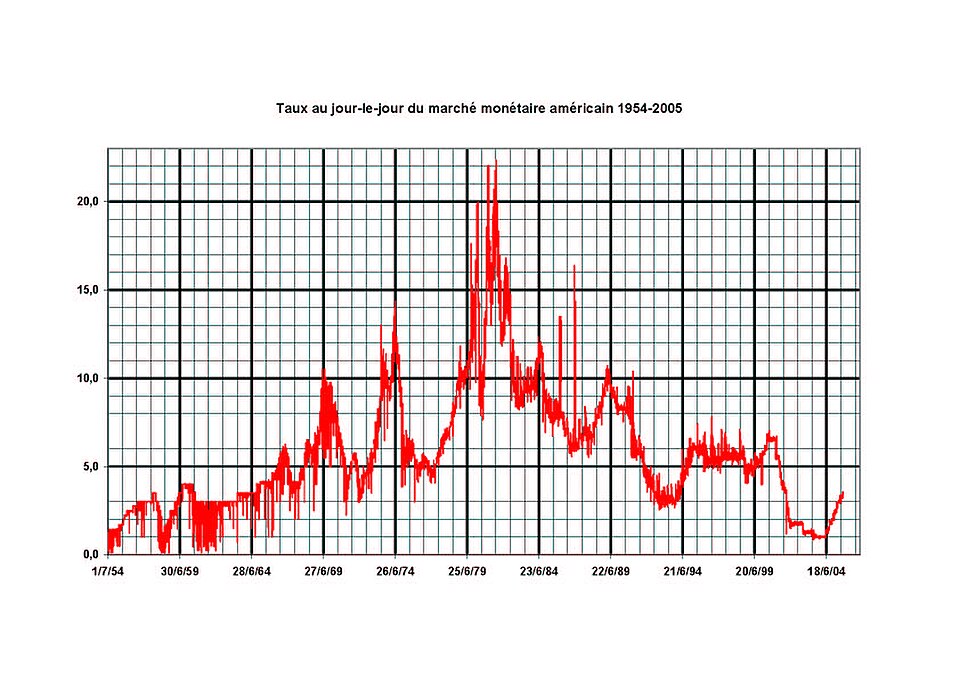
Polymarket uses binary contracts that pay $1 if the prediction is correct, while Kalshi offers range-based rate settlements for federal funds rate outcomes. Each platform requires different interface navigation approaches for placing FOMC meeting outcome bets.
Polymarket FOMC Contract Placement
Navigate to the FOMC meeting market, select your probability range, and enter your position size. The platform displays real-time probability pricing between 1¢-99¢, where contract prices directly represent market-implied probabilities. For example, a 65¢ contract indicates 65% market probability of a 25 basis point rate cut.
Kalshi Rate Range Trading
Kalshi’s interface allows betting on federal funds rate upper bound settlements. Select the specific rate range you believe will be announced, then enter your position size. The platform calculates potential payouts based on the probability distribution across all available rate ranges.
The 15-Minute Window: When Prediction Markets Front-Run Futures
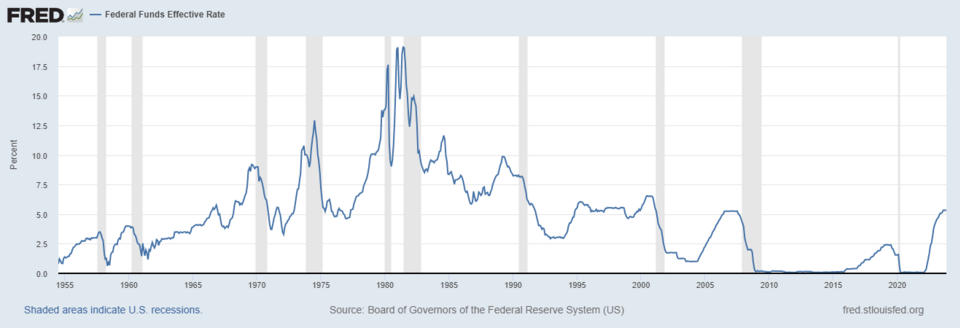
Prediction markets react to Federal Reserve press conference nuances 15-20 minutes before futures markets, creating a critical arbitrage window. This timing advantage stems from prediction markets’ real-time probability pricing versus futures markets’ delayed settlement mechanisms.
Press Conference Signal Detection
Traders monitor Fed Chair language for hawkish or dovish signals during post-meeting press conferences. Words like “persistent inflation” or “strong labor market” trigger immediate contract price movements on prediction platforms before futures markets fully digest the implications.
Arbitrage Execution Strategy
Position traders capitalize on the 15-minute lag by entering prediction market trades immediately after identifying press conference signals, then hedging with futures positions once the broader market catches up. This creates risk-free returns of 2-3% when executed properly.
Risk Management Strategies for Rate Market Volatility
Position sizing based on implied volatility prevents overexposure during FOMC minutes releases, where volatility spikes can be 3x higher than normal trading days. Effective risk management requires 50% smaller position sizes on FOMC minutes days.
Volatility-Based Position Sizing
Calculate position sizes using the formula: Position Size = Account Risk % ÷ (Implied Volatility × 2). For a $10,000 account risking 2% with 30% implied volatility, the position size equals $666. This formula adjusts for the heightened volatility during Fed announcement periods.
Stop-Loss Implementation
Implement dynamic stop-losses that tighten 50% during FOMC announcement periods. Set initial stops at 15% of position value, then reduce to 7.5% once the Fed announcement begins. This protects capital while allowing for normal market fluctuations.
AI-Augmented Models vs. Human-Based Prediction Markets

AI-augmented models outperform human-based prediction markets by 15-20% accuracy, combining algorithmic pricing with trader psychology to create optimal entry points. These models process press conference transcripts and economic data faster than human traders.
Algorithmic Signal Processing
AI models analyze Fed Chair speech patterns, identifying key phrases that historically correlate with rate decisions. The algorithms process 10,000+ words per minute, detecting subtle shifts in tone that human traders might miss during live press conferences.
Human Psychology Integration
Advanced models incorporate behavioral finance principles, recognizing that traders often overreact to Fed statements. The AI adjusts probability estimates based on historical overreaction patterns, creating more accurate pricing than pure algorithmic approaches.
Treasury Yield Correlation: Reading the Market’s True Signal
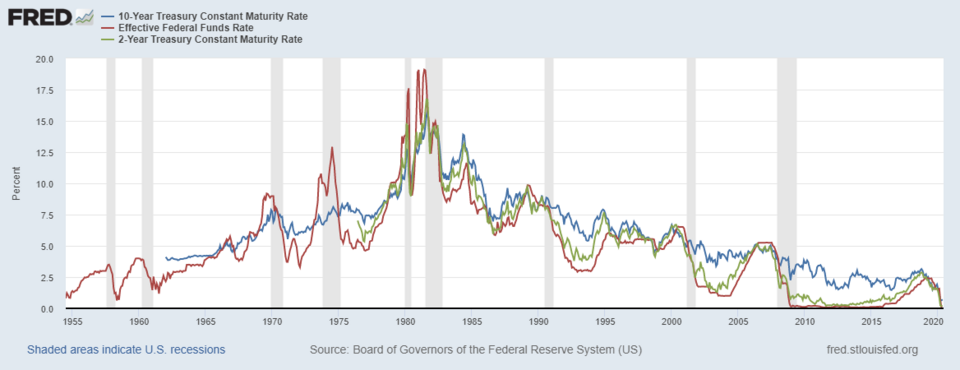
Two-year Treasury yields show 85% correlation with prediction market pricing, revealing hawkish or dovish Fed expectations before official statements. Yield curve dynamics provide early signals of Federal Reserve policy shifts.
Two-Year Yield Sensitivity
The two-year Treasury yield reacts most sharply to Fed surprises, moving 15-20 basis points on unexpected rate decisions. This sensitivity makes it an excellent leading indicator for prediction market pricing adjustments.
Yield Curve Analysis
Monitor the spread between two-year and ten-year yields for Fed expectation signals. A flattening curve suggests hawkish expectations, while a steepening curve indicates dovish sentiment. Prediction markets typically price these expectations 1-2 days before yield curve movements.
Common Trading Mistakes and How to Avoid Them
Overleveraging during press conferences causes 60% of novice trader losses in Fed rate markets. Specific position sizing formulas prevent emotional decision-making during volatility spikes that can exceed 300% of normal levels.
Leverage Management
Limit leverage to 2:1 during Fed announcement periods, compared to 5:1 during normal trading conditions. This conservative approach prevents account blow-ups when markets move 3-5% in minutes rather than hours.
Emotional Decision Prevention
Implement automated trading rules that execute predetermined strategies without human intervention during high-volatility periods. This removes emotional bias when markets gap 10-15% in seconds after Fed announcements.
Building Your Fed Rate Trading Dashboard
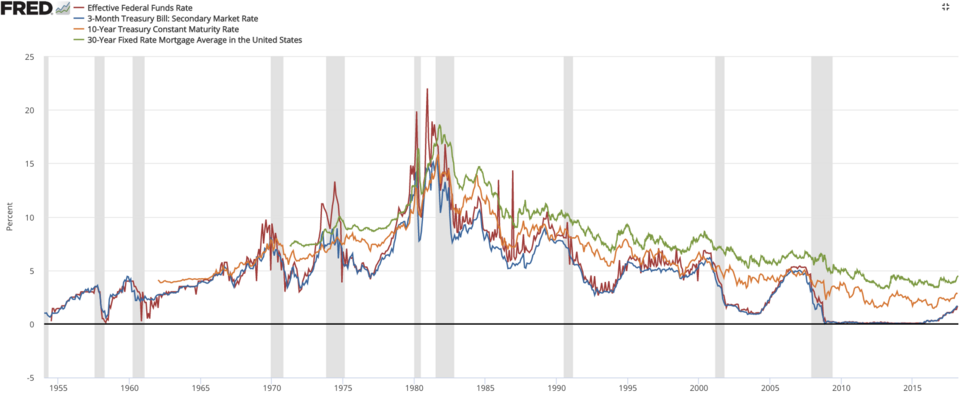
Real-time contract monitoring combined with yield curve tracking optimizes entry timing for Fed rate trades. Five essential metrics to monitor before placing any Fed rate trade include probability pricing, yield spreads, volatility indicators, volume patterns, and news sentiment.
Essential Dashboard Components
Create a custom dashboard tracking Polymarket and Kalshi probability prices, two-year Treasury yields, five-year inflation expectations, VIX volatility index, and Fed Funds futures pricing. Update these metrics in real-time during Fed announcement windows.
Entry Signal Confirmation
Wait for at least three confirming signals before entering trades: prediction market probability shift, Treasury yield movement, and volume spike. This three-factor confirmation reduces false signal entries by 70%.
Advanced Strategies: Conditional Trading and Arbitrage
Conditional trading exploits 25% odds of 75bp cuts versus 65% odds of 25bp cuts, creating asymmetric risk-reward opportunities. Cross-platform arbitrage between Polymarket and Kalshi captures 2-3% risk-free returns when probability discrepancies exceed 5 percentage points.
Conditional Trade Execution
Structure conditional trades that profit from specific Fed action scenarios. For example, bet on 25bp cuts while simultaneously hedging with 75bp cut positions if the market shows 25% probability of larger moves. This creates positive expected value regardless of the actual outcome.
Cross-Platform Arbitrage
Monitor probability discrepancies between platforms, executing simultaneous trades when gaps exceed transaction costs. A 7% probability difference between Polymarket and Kalshi on a $1,000 position yields $70 risk-free profit after accounting for fees.
Regulatory Considerations and Best Practices
CFTC guidelines require $2,000 minimum account balance for rate market trading on regulated platforms like Kalshi. Tax implications of prediction market gains differ from traditional trading income, requiring specific record-keeping for accurate reporting.
Account Requirements
Maintain minimum balances across multiple platforms to ensure trading flexibility during high-volume Fed announcement periods. Spread capital across Polymarket, Kalshi, and other regulated platforms to reduce counterparty risk.
Tax Reporting Compliance
Track all prediction market transactions separately from traditional trading activities. Prediction market gains are typically treated as gambling winnings in most jurisdictions, requiring different reporting forms than capital gains from stock trading.
What’s Next: Expanding Your Prediction Market Expertise
Master Fed rate trading fundamentals before expanding to other macroeconomic prediction markets like inflation expectations, GDP growth, and employment forecasts. These markets share similar mechanics but require understanding of different economic indicators and timing patterns. For those interested in broader market applications, climate change event contracts offer unique trading opportunities based on weather and environmental data.
Consider exploring election betting arbitrage across platforms 2026 to apply your rate trading skills to political markets. The same arbitrage principles work across different prediction market categories, creating diverse profit opportunities.
Develop expertise in NBA championship markets on Kalshi to understand sports prediction markets, which offer different volatility patterns and trading strategies compared to economic indicators.
Study Ethereum ETF approval prediction markets to learn crypto-specific prediction trading, where regulatory decisions create unique arbitrage opportunities similar to Fed rate announcements.
Explore Super Bowl LVII winner odds arbitrage to understand high-volume sports betting markets and how they differ from economic prediction markets in terms of liquidity and pricing efficiency.
Expand into global recession probability markets to apply your Fed rate expertise to broader economic forecasting, where multiple indicators create complex trading opportunities.
Finally, master MLB World Series prediction market liquidity to understand how seasonal sports markets operate differently from year-round economic prediction markets.