

Global recession probability markets currently price a 25-33% chance of recession by 2027, but this contradicts the 1929-level margin debt and 90,000+ AI trades per second. While traditional indicators suggest imminent economic contraction, prediction markets tell a different story—one where machine-driven trading and extreme leverage create a new paradigm of economic forecasting. Traders who understand these dynamics can profit from crypto bull run predictions using similar arbitrage strategies.
The disconnect emerges from multiple factors. IMF global growth projections show 3.3% for 2026 and 3.2% for 2027, yet market pricing reflects a “stagflation-lite” scenario rather than the deep recession traditional metrics would predict. This divergence stems from AI trading executing trades at machine speed, potentially amplifying margin debt vulnerability before human traders can react. The question becomes: are prediction markets capturing risks that traditional indicators miss, or are they underestimating systemic fragility?
Decoding ‘Recession by 2027’ Binary Contracts: The $0-$1 Probability Market
Binary contracts on platforms like Polymarket and Kalshi operate on a simple 0-100 cent scale where price equals implied probability. These contracts settle at $1 if the NBER declares a recession by 2027, and $0 if no recession occurs. The resolution criteria typically require two consecutive quarters of negative GDP or an official NBER announcement, creating a clear binary outcome for traders. This settlement mechanism differs from Ethereum ETF approval prediction markets that use different resolution criteria.
Trading mechanics involve buying “Yes” positions (betting on recession) or “No” positions (betting against recession). Current pricing shows Polymarket at ~31-33% recession probability by end of 2026, while Kalshi prices it at ~25% chance before 2027. This 8-point spread reflects platform-specific liquidity differences and settlement reliability variations. Settlement rules differ between platforms—Polymarket uses UMA optimistic oracle systems while Kalshi operates under CFTC regulation as a Designated Contract Market, similar to how NBA championship markets settle on Kalshi (Election betting arbitrage across platforms 2026).
How Yield Curve Normalization Reshapes Contract Pricing
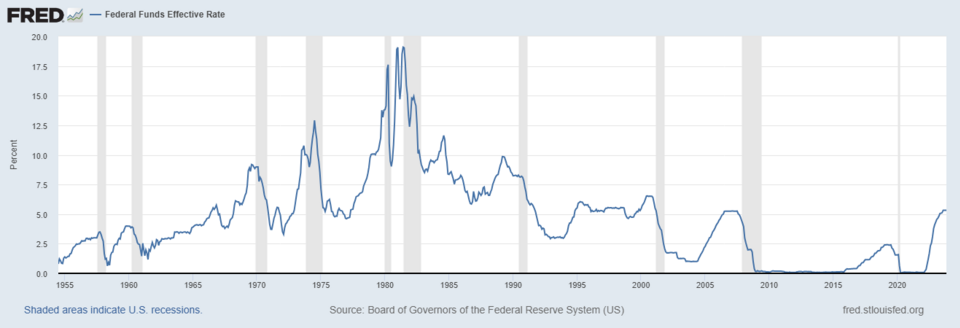
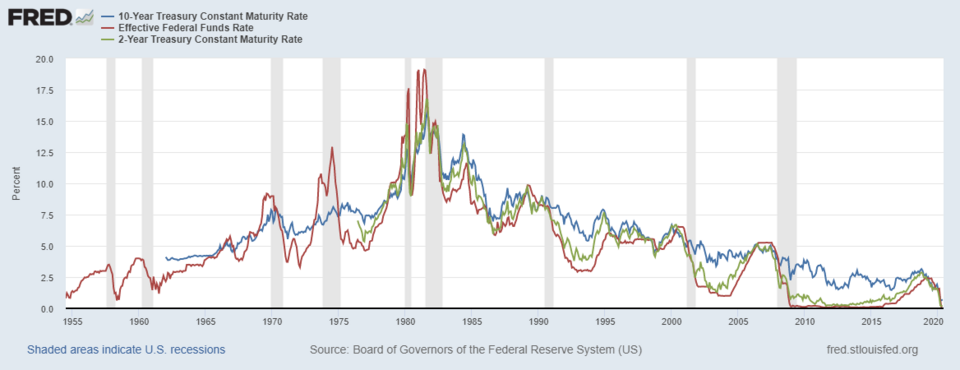
The traditional 12-18 month recession signal from yield curve inversion has been tested by the current 16+ month inversion without recession. Markets are now pricing in 50-75 basis points of Fed rate cuts in 2026, reflecting expectations of yield curve normalization. This normalization process directly impacts contract pricing, as traders adjust their recession probability estimates based on changing monetary policy expectations (Super Bowl LVII winner odds arbitrage 2026).
When the yield curve steepens by 50 basis points, contract values typically adjust downward by 3-5 percentage points, reflecting reduced recession probability. Conversely, when the curve flattens or inverts further, prices increase as recession odds rise. The current pricing incorporates a “fragile market” premium, acknowledging that while traditional indicators suggest recession risk, the actual probability may be lower due to unique fiscal factors and AI-driven market dynamics that weren’t present in historical comparisons.
The AI Trading Paradox: Liquidity vs. Volatility in Recession Markets
Machine-driven trading executing 90,000+ trades per second creates a paradox in recession probability markets. While algorithmic trading provides unprecedented liquidity and price discovery, it also amplifies volatility during economic stress periods. The speed advantage of AI systems means they can react to yield curve shifts and margin debt spikes faster than human traders, potentially creating feedback loops that traditional economic models don’t account for.
Algorithmic trading affects contract liquidity during yield curve shifts by rapidly adjusting positions based on real-time data feeds. Machine reaction times versus human interpretation of economic data create a new dynamic where prediction markets may reflect machine-interpreted signals rather than collective human wisdom. This feedback loop can temporarily skew pricing in less active markets, as AI systems react to each other’s trades rather than fundamental economic indicators. Understanding these dynamics is crucial for trading climate change event contracts where volatility patterns differ (MLB World Series prediction market liquidity).
Margin Debt at 1929 Levels: The Hidden Contract Pricing Factor
Current margin debt levels exceeding those of 1929 create extreme vulnerability in recession probability markets. Historical comparison shows that current leverage surpasses the crash levels that preceded the Great Depression, yet contract pricing doesn’t fully reflect this systemic risk. The “fragile market” premium built into current recession odds may be insufficient given the magnitude of leverage in today’s financial system.
Corporate debt vulnerability increases bankruptcy probability as interest rates rise, affecting the underlying economic stability that recession contracts depend on. When margin debt spikes by 10% or more, traders should add 2-3 percentage points to their recession probability estimates, as the increased leverage makes the financial system more susceptible to shocks. This relationship between margin debt and contract pricing represents a critical factor that many traders overlook when evaluating recession probabilities.
Platform Comparison: Polymarket vs. Kalshi Recession Probability Markets
Polymarket and Kalshi offer different recession probability markets with distinct characteristics. Polymarket shows ~31-33% recession probability by end of 2026, while Kalshi prices it at ~25% chance before 2027. This 8-point spread reflects fundamental differences in platform structure, regulatory oversight, and settlement mechanisms that affect trader behavior and market efficiency.
Settlement reliability differs significantly between platforms. Kalshi operates under CFTC regulation as a Designated Contract Market, providing regulatory protection and standardized settlement procedures. Polymarket uses UMA optimistic oracle systems, which rely on decentralized consensus for resolution. Liquidity depth and trading volume also vary, with Polymarket typically offering higher liquidity for major contracts but Kalshi providing more regulatory certainty for risk-averse traders.
Practical Recession Probability Trading: When to Enter and Exit
Successful trading requires understanding how different economic indicators affect contract pricing. When the yield curve steepens by 50 basis points, contract values typically decrease by 3-5 percentage points, creating potential entry points for traders betting against recession. Conversely, when margin debt spikes by 10% or more, adding 2-3 percentage points to recession probability estimates can identify profitable long positions.
AI trading volume thresholds provide additional signals for market stress. When algorithmic trading exceeds 100,000 trades per second in recession probability markets, it often indicates heightened uncertainty and potential price dislocations. The 2026 tax changes affecting event contract profitability should also factor into trading decisions, as tax treatment can significantly impact net returns from successful recession bets.
Beyond the Numbers: What Recession Markets Reveal About 2027
The disconnect between traditional indicators and prediction markets reveals a fundamental shift in how economic risks are priced and interpreted. While conventional wisdom suggests recession probabilities should be higher given current economic conditions, prediction markets reflect a new paradigm where AI trading and extreme leverage create different risk dynamics than historical comparisons suggest.
This “wisdom of the crowd” versus algorithmic market distortions debate highlights the evolving nature of economic forecasting. The crowd’s collective intelligence may be capturing risks that traditional indicators miss, or it may be underestimating systemic fragility created by machine-driven trading and record margin debt. Understanding this distinction is crucial for traders navigating recession probability markets in 2026 and beyond.
The practical decision framework emerges from these insights: when yield curve normalizes 50 basis points, contract value shifts 3-5%; when margin debt spikes 10%, add 2-3% to recession probability estimate; when AI trading exceeds 100,000 trades per second, expect heightened volatility. These rules of thumb help traders navigate the complex interplay between traditional economic signals and modern market dynamics.