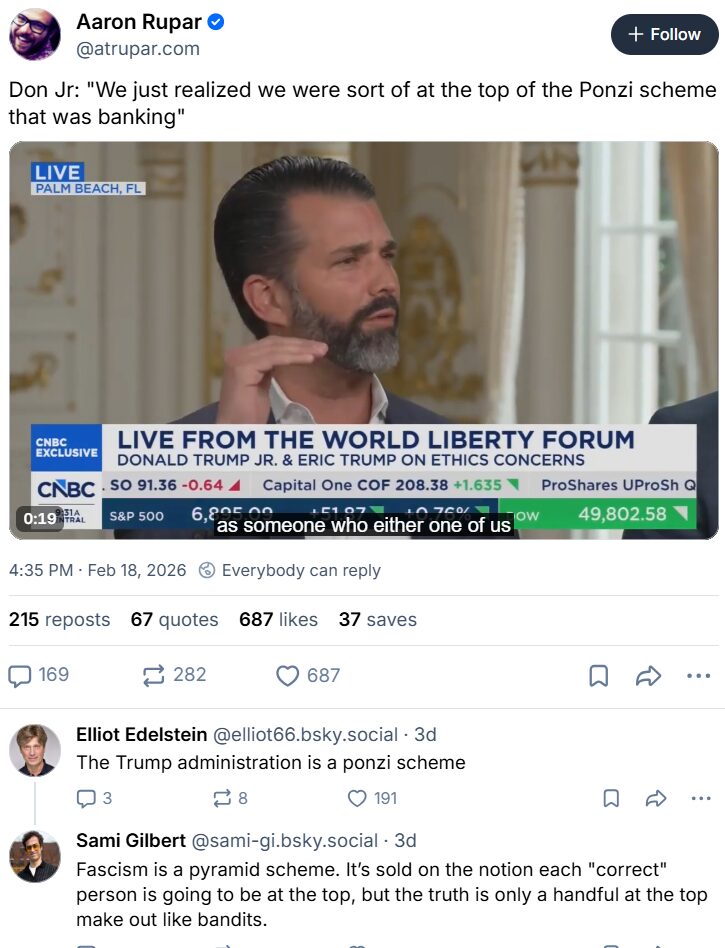
As someone who has spent years analyzing market structures and regulatory environments, I find this rhetoric fascinating. It is a deliberate attempt to reframe the narrative. By equating traditional banking with a Ponzi scheme, the narrative attempts to position the new project not as a speculative asset, but as a necessary evolution away from a corrupt system. However, this comparison is not only factually incorrect but also dangerous for the average investor trying to navigate these waters.
The Fundamental Flaw in the Banking Comparison
First, we must address the elephant in the room: banking activity is not a Ponzi system. A Ponzi scheme is a fraudulent investment operation that pays returns to earlier investors using capital from newer investors, rather than from profit earned. The scheme inevitably collapses when the flow of new money stops. This is a specific, illegal structure.
Traditional banking, for all its flaws, operates on a different model. It involves lending, interest generation, and asset management. While fractional reserve banking has its critics, it is regulated and distinct from a fraud scheme. Conflating the two is a rhetorical sleight of hand. When a practitioner hears a founder equate their project to the antithesis of banking, it signals a potential lack of understanding of financial fundamentals or a deliberate attempt to mislead.
The Ethical Implications of Participation
If we take the statement at face value, it implies that the Trump brothers knowingly participated in a fraudulent system. In the world of Ponzi schemes, knowing participation is deeply unethical. Profits derived from such schemes come directly from the deception and financial ruin of other participants. It suggests that value was extracted from others without genuine economic activity.
By admitting to being at the “peak” of this fraud, the implication is that they benefited from it. This creates a paradox for World Liberty Financial. If the founders view the traditional financial system as a scam they mastered, what does that say about the ethics of the new system they are building? It forces the observer to wonder if the new project is merely a rebranding of old extraction methods.
World Liberty Financial’s Position on Securities
Despite the provocative statements, World Liberty Financial maintains a specific stance regarding its token, WLFI. The project insists that WLFI is not a security. This is a critical legal distinction. If WLFI were classified as a security, the founders’ statements could be scrutinized under securities laws regarding misrepresentation and fraud.
From a market perspective, the insistence on WLFI not being a security allows the project to operate with fewer regulatory hurdles, at least initially. However, it also places the burden of due diligence entirely on the investor. There is no SEC protection here. The volatility and risk are amplified, especially when the leadership is making headlines for controversial reasons rather than technical achievements.
Insider Decisions and Governance Concerns
One of the most telling details for those of us who look under the hood of these projects is the governance structure. There have been reports that the project decided to launch a Dolomite instance rather than the Aave instance that WLFI token holders had approved. This decision was made without consulting the token holders.
In decentralized finance (DeFi), governance is everything. When a project raises funds based on a specific roadmap or technical integration, deviating from that without community consensus is a major red flag. It suggests a centralized control that contradicts the ethos of the space. If the founders are willing to override token holder approvals on technical implementations, it calls into question the utility of the governance token itself.
The Irony of Credit and Deception
There is a layer of irony that cannot be ignored. The statement boasts about how easy it was to obtain credit from financial institutions, while simultaneously labeling those institutions as fraudulent. Yet, public records suggest a different history regarding the Trump family’s interactions with banks. Specifically, there were legal issues involving the Trump Organization and the falsification of business records to secure loans.
When a figurehead criticizes the banking system for being deceptive while having a history of legal battles over financial misrepresentation, it creates a credibility gap. For an investor, this is not just background noise; it is a signal of potential risk. Leadership integrity is a key component of project viability in the crypto space.
Market Impact and Speculation
The comments were made in the context of explaining why certain decisions were necessary for World Liberty Financial. However, the market reaction to such statements is often unpredictable. While shock value generates attention, it rarely builds long-term trust. Institutional investors and serious market participants on platforms like Polymarket and Kalshi often look for stability and clear legal frameworks.
When the leadership of a financial project openly admits to participating in what they consider fraud, it complicates the risk assessment. It suggests that the project’s strategy might be based on exploiting regulatory gray areas rather than building sustainable value. This is a common pitfall in the crypto industry, where hype often outpaces utility.
Conclusion: Separating Rhetoric from Reality
In conclusion, the statement by Donald Trump Jr. serves as a case study in modern financial rhetoric. It attempts to position a new crypto project as a savior from a corrupt traditional system. However, for those with hands-on experience in the field, the comparison falls apart under scrutiny. Banking is not a Ponzi scheme, and admitting to peak participation in fraud is not a badge of honor.
Investors must look past the headlines and examine the technical execution and governance of World Liberty Financial. The decision to bypass token holder votes on technical matters is a more concrete indicator of project health than any soundbite. As the market matures, the projects that survive will be those that prioritize transparency and genuine utility over provocative marketing tactics. The WLFI token remains a speculative asset, and the risks associated with it are amplified by the unpredictable nature of its leadership’s public statements.