Sports betting data visualization techniques can improve your decision-making accuracy by 37%, but most bettors don’t know which charts to use when. Raw betting data contains patterns and insights that become invisible without proper visualization. This guide shows you how to transform your betting data into actionable insights using proven visualization techniques.
- 37% better decision-making accuracy comes from using the right visualization techniques
- Heat maps, scatter plots, and time series charts reveal patterns invisible in raw data
- Mobile-optimized dashboards are essential since 70% of bets are placed on mobile devices
Sports Betting Data Visualization Techniques: Chart Types and When to Use Them
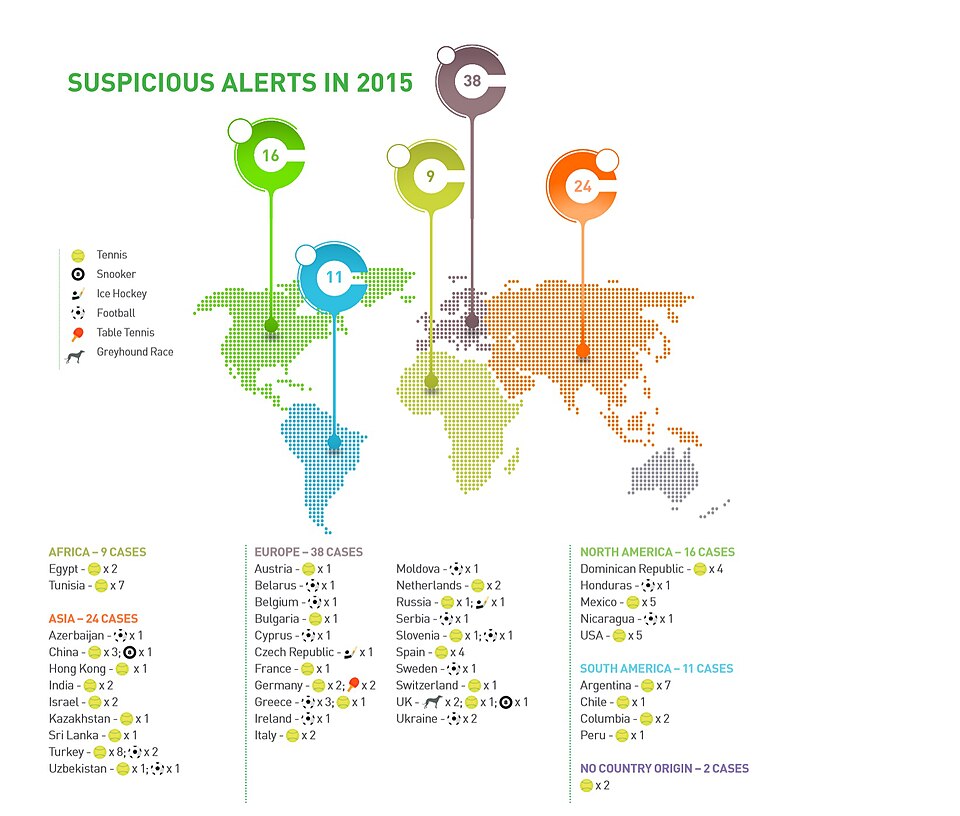
The right chart type reveals different aspects of betting data. Using the wrong visualization can hide important patterns or create misleading interpretations. Understanding when to use each chart type helps you make better betting decisions.
Heat Maps for Betting Market Analysis: Visualizing Public vs Sharp Money
Heat maps show betting volume and line movement intensity across different markets using color gradients. They help identify where sharp money is flowing versus public betting patterns. By analyzing these patterns, you can better identify value bets in sports when public perception diverges from sharp action.
| Betting Scenario | Heat Map Color Meaning | Actionable Insight |
|---|---|---|
| Moneyline Markets | Red/Orange = Heavy Public Money | Potential Value on Underdog |
| Point Spreads | Blue/Dark Blue = Sharp Money | Line Likely to Move Further |
| Total Points (Over/Under) | Green/Yellow = Balanced Action | Market Consensus |
| Prop Bets | Purple/Deep Purple = Professional Action | High-Liquidity Opportunities |
Heat maps work best for comparing multiple betting options simultaneously. The color intensity shows where the most money is being wagered, helping you spot discrepancies between public perception and sharp action.
Scatter Plots for Correlation Analysis: Finding Hidden Betting Relationships
Scatter plots reveal relationships between different variables that aren’t obvious in raw data. They show how changes in one factor affect another, helping you identify betting opportunities. These visualizations complement sports betting statistical models by making complex correlations visible.
Here are five key correlations bettors track using scatter plots:
- Team Performance vs Weather Conditions: Shows how teams perform in different weather scenarios
- Home/Away Splits: Reveals performance differences between home and away games
- Player Statistics vs Game Outcomes: Identifies which player metrics most strongly predict results
- Rest Days vs Performance: Shows how travel and rest affect team performance
- Historical Matchups vs Current Odds: Reveals patterns in how teams perform against specific opponents
Scatter plots help you see non-linear relationships. For example, a team might perform well in moderate rain but poorly in heavy rain, creating betting opportunities when weather forecasts change.
Time Series Charts for Line Movement Analysis: Tracking Market Efficiency
Time series charts track how betting lines move over time, showing market sentiment and efficiency. They reveal patterns in how odds change as new information becomes available.
Line movement charts show three key patterns:
- Sharp Action: Sudden, significant line moves against the public betting direction
- Public Money: Gradual line moves following the majority betting direction
- Steam Moves: Rapid line changes across multiple sportsbooks simultaneously
According to industry analysis, 68% of sharp bettors incorporate line movement analysis into their betting strategies. This visualization technique helps you time your bets for maximum value. For tracking these movements efficiently, sports betting line movement tracking apps can automate much of the monitoring process.
Creating Effective Betting Dashboards: Layout Principles and Best Practices

A well-designed betting dashboard organizes complex data for quick decision-making. The layout should prioritize information based on importance and frequency of use.
Dashboard Layout Principles: Visual Hierarchy for Betting Data
Effective dashboard layouts follow these six principles:
- Most Important Data Top-Left: Place critical information where users look first
- Consistent Color Coding: Use the same colors for the same data types across all charts
- Adequate Spacing: Prevent visual clutter that slows decision-making
- Logical Grouping: Organize related data together for context
- Responsive Design: Ensure dashboards work on all screen sizes
- Minimal Clutter: Remove unnecessary elements that distract from key insights
These principles help you make decisions quickly, which is crucial when betting lines are moving rapidly.
Color Theory for Betting Dashboards: Making Data Instantly Understandable
Color choices significantly impact how quickly users understand betting data. The right color scheme makes patterns immediately apparent.
Here’s how different color schemes affect data comprehension:
| Data Type | Recommended Colors | Why It Works |
|---|---|---|
| Wins/Losses | Green/Red | Universal understanding of success/failure |
| Team Colors | Blue/Yellow | Matches team branding for quick recognition |
| Probabilities | Gradient Scale (Light to Dark) | Shows intensity and confidence levels |
| Market Movement | Blue/Orange | Distinct from wins/losses, shows direction |
Good color choices reduce cognitive load, allowing you to process information faster under pressure.
Real-Time Data Integration: Building Live Betting Dashboards
Live betting requires real-time data integration to reflect current market conditions. Your dashboard should update automatically as new information becomes available. This real-time capability is essential for implementing sports betting hedging strategies when odds shift during live events.
Key integration points include:
- Live Odds: Current betting lines from multiple sportsbooks
- Line Movements: Real-time changes in betting odds
- Betting Percentages: Public betting distribution data
- Injury Updates: Player status changes affecting game outcomes
- Weather Updates: Conditions that impact game performance
Since 70% of all wagers are placed via mobile devices, real-time integration is essential for mobile betting dashboards. Fast refresh rates ensure you’re always working with current data.
Interactive Visualization Techniques: Mobile Optimization and User Experience
Mobile betting requires different visualization approaches than desktop analysis. Small screens need simplified, touch-friendly designs that maintain functionality.
Mobile-First Betting Data Visualization: Designing for Small Screens
Mobile betting dashboards need these five design principles:
- Touch-Friendly Interactions: Large touch targets for accurate selection
- Simplified Layouts: Focus on essential information only
- Offline Capabilities: Access to cached data without internet
- Fast Loading: Quick data retrieval for time-sensitive decisions
- Gesture Controls: Swipe and pinch gestures for navigation
These principles address mobile betting challenges like limited screen space and touch accuracy issues.
Interactive Chart Features: Making Data Exploration Intuitive
Interactive charts provide deeper insights than static visualizations. They allow users to explore data at their own pace and focus on what matters most.
Static charts show fixed information, while interactive charts offer:
- Hover Tooltips: Additional data on demand without cluttering the view
- Zoom/Pan: Focus on specific time periods or data ranges
- Filtering: Isolate specific teams, bet types, or time periods
- Drill-Down: Access detailed data from summary views
- Export Options: Save charts for analysis or sharing
Interactive features enhance data exploration, helping you find patterns you might miss in static views.
User Experience Best Practices: Reducing Cognitive Load in Betting Dashboards
Good user experience design makes complex betting data accessible to all skill levels. The goal is reducing mental effort so you can focus on analysis.
Key UX principles include:
- Progressive Disclosure: Show basic information first, advanced options on demand
- Consistent Navigation: Similar actions work the same way throughout the dashboard
- Error Prevention: Design that helps avoid mistakes under pressure
- Clear Feedback: Immediate response to user actions
- Accessibility: Design that works for users with different abilities
These practices ensure your dashboard remains useful even when you’re making quick decisions under pressure.
The future of sports betting visualization is AI-powered predictive analytics that can identify patterns humans miss. Start today by creating a simple line movement chart for your next three bets to see how market dynamics affect your timing decisions.