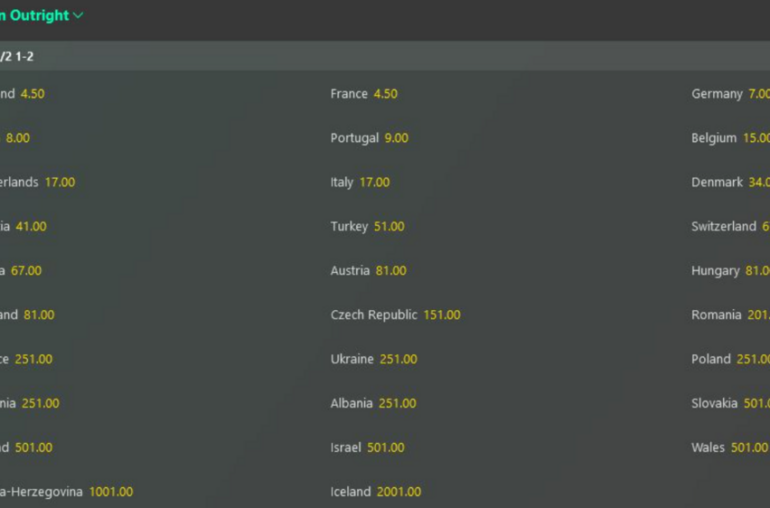
Understanding sports betting odds formats is essential for any bettor looking to make informed wagers. Whether you’re a beginner or experienced gambler, knowing how to read and convert between different odds formats can significantly impact your betting strategy and potential returns. This comprehensive guide breaks down the three main odds formats used worldwide and shows you how to convert between them.
- Decimal odds show total return including stake, fractional odds show profit relative to stake, and American odds use $100 reference point
- Understanding odds formats helps bettors compare value across different sportsbooks and betting platforms
- Converting between formats allows bettors to find the best odds and maximize potential returns
Understanding the Three Main Odds Formats
Decimal Odds: The European Standard Format
Decimal odds are the most straightforward format, showing the total return for every $1 wagered, including your original stake.
Example: Odds of 2.50 mean:
- $10 bet returns $25 total ($15 profit + $10 stake)
- Profit = (Odds × Stake) – Stake
Decimal odds are popular in Europe, Australia, and Canada due to their simplicity. They make it easy to calculate potential returns without complex formulas.
Fractional Odds: The UK Traditional Format
Fractional odds show potential profit relative to your stake, displayed as fractions like 3/1 or 5/2.
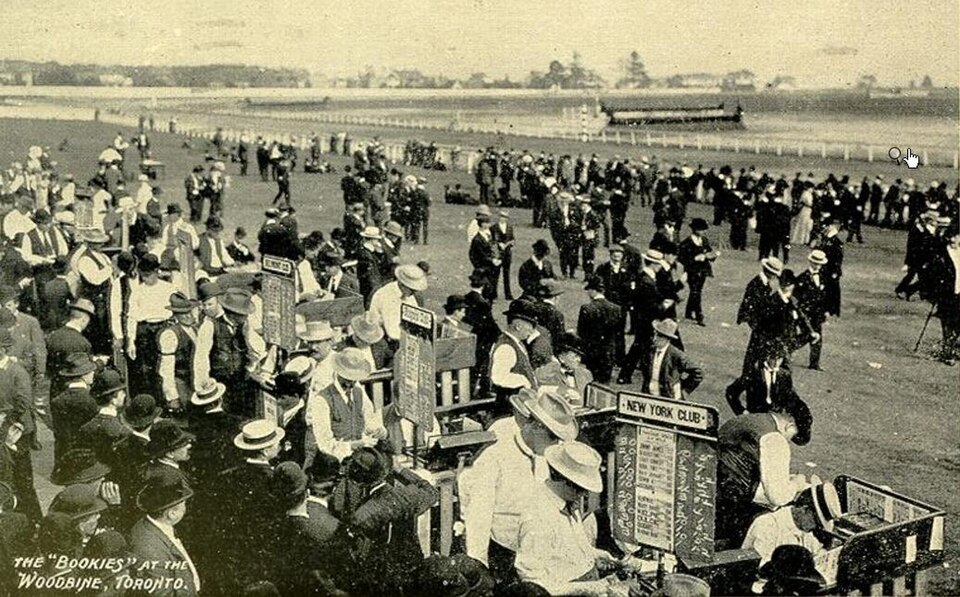
Fractional odds are traditional in the UK and Ireland, commonly used for horse racing. Many professional bettors prefer this format because it clearly shows the profit-to-stake ratio.
American Odds: The Moneyline Format
American odds use positive and negative numbers based on a $100 reference point.
Positive odds (+150): Profit on a $100 bet
- +150 means $150 profit on a $100 wager
Negative odds (-200): Amount needed to win $100
- -200 means you must bet $200 to win $100
American odds are standard in US sportsbooks and make it easy to identify favorites (negative numbers) and underdogs (positive numbers).
Converting Between Odds Formats
Decimal to Fractional Conversion Formula
Formula: (Decimal – 1) = Fractional
Example: 2.50 decimal = 1.50/1 = 3/2 fractional
To simplify 1.50/1 to 3/2, multiply both numbers by 2 to get whole numbers.
Fractional to Decimal Conversion Method
Formula: (Numerator ÷ Denominator) + 1 = Decimal
American to Decimal Conversion
Positive American: (American odds ÷ 100) + 1 = Decimal
Example: +150 = (150 ÷ 100) + 1 = 2.50 decimal
Negative American: (100 ÷ |American odds|) + 1 = Decimal
Example: -200 = (100 ÷ 200) + 1 = 1.50 decimal
Decimal to American Conversion
Example: 2.50 = (2.50 – 1) × 100 = +150
Why Understanding Odds Formats Matters for Bettors

Comparing Value Across Sportsbooks
Different sportsbooks may use different odds formats, making it difficult to compare value without conversion knowledge. Converting between formats reveals true value differences that might not be apparent at first glance, and using odds comparison tools can help identify the best available lines.
Example: A sportsbook offering 2.00 decimal odds is the same as 1/1 fractional or +100 American. Understanding this equivalence helps you find the best odds across platforms.
Impact on Betting Strategy and Returns
Same odds can appear more or less attractive in different formats, affecting betting decisions. Understanding true probability helps make better betting decisions, while format familiarity reduces calculation errors during live betting.
Example: A 1.91 decimal odd might seem less attractive than 10/11 fractional, but they represent the same probability and payout. Format familiarity prevents such psychological biases.
Practical Examples

Soccer Match:
- Team A: 2.00 (1/1) (+100)
- Team B: 3.50 (5/2) (+250)
- Draw: 3.20 (11/5) (+220)
NFL Game:
- Favorite: -150 (1.67) (2/3)
- Underdog: +130 (2.30) (13/10)
Odds Conversion Table

| Decimal | Fractional | American |
|---|---|---|
| 1.50 | 1/2 | -200 |
| 1.91 | 10/11 | -110 |
| 2.00 | 1/1 | +100 |
| 2.50 | 3/2 | +150 |
| 3.00 | 2/1 | +200 |
| 4.00 | 3/1 | +300 |
Understanding Implied Probability

Each odds format represents an implied probability of winning:
Decimal: 1 ÷ Decimal = Probability
Example: 2.50 = 1 ÷ 2.50 = 40% implied probability
Fractional: Denominator ÷ (Denominator + Numerator) = Probability
American:
- Positive: 100 ÷ (American + 100) = Probability
- Negative: |American| ÷ (|American| + 100) = Probability
Common Mistakes to Avoid

- Confusing profit with total return – Decimal includes stake, fractional shows profit only
- Forgetting to convert – Using the wrong format for your calculation method
- Ignoring implied probability – Not understanding the true likelihood of outcomes
- Mixing formats – Using different formats in the same calculation
Tools and Resources
Most online sportsbooks allow you to switch between odds formats in your account settings. Betting calculators can automatically convert between formats and calculate potential returns, while understanding payment methods ensures smooth transactions.
Conclusion
Mastering sports betting odds formats gives you a significant advantage in making informed betting decisions. Whether you prefer decimal for its simplicity, fractional for its tradition, or American for its clarity on favorites and underdogs, understanding how to read and convert between formats is crucial for successful sports betting, including live betting scenarios.
Remember that the best format is the one you’re most comfortable with, but being able to convert between formats allows you to shop for the best odds across different bookmakers and betting exchanges.
Practice converting between formats using real betting examples to build confidence and improve your betting strategy.