
Proposition betting represents 35% of all sports wagers in 2026, offering prediction market traders unique opportunities beyond traditional point spreads and moneylines. This comprehensive guide explores how to identify value in player and game props while implementing professional bankroll management strategies.
- 35% of all sports wagers are prop bets in 2026, representing a massive opportunity for prediction market traders
- Professional prop bettors allocate 15-20% of total bankroll to prop betting with individual bets at 1-3% per wager
- 70% of wagers now placed via mobile devices, creating real-time betting opportunities
- 38 states plus D.C. have legalized sports betting, creating a competitive landscape for value identification
- Expected value calculation is crucial for profitable prop betting success
What Are Prop Bets and Why They Matter in 2026

Proposition Betting Market Share: 35% of All Sports Wagers
Prop betting has grown to represent 35% of all sports wagers in 2026, creating a massive opportunity for prediction market traders. This market share exceeds traditional betting markets like point spreads and moneylines, which typically account for 45-50% of total wagers. The remaining 15-20% goes to futures and other specialty bets.
The significance of this 35% market share lies in the unique opportunities it presents. Unlike traditional markets where bookmakers set lines based on team performance and public perception, prop bets often involve individual player statistics, specific game events, and novelty markets. These markets can be less efficient, creating value opportunities for traders who understand the underlying statistics and can identify mispriced odds.
For prediction market traders, prop betting offers several advantages. The markets are often more volatile, creating opportunities for quick profits. Additionally, the sheer volume of available props across different sports and games means traders can diversify their portfolios and reduce overall risk. The 35% market share also indicates strong liquidity, ensuring traders can enter and exit positions without significant slippage. It’s important to note that sports betting legal age by state 2026 varies, so traders should verify they meet age requirements in their jurisdiction.
Mobile-First Betting: 70% of Wagers Now Via Mobile Devices
Mobile betting has transformed the sports betting landscape, with 70% of all wagers now placed through mobile devices. This shift has profound implications for prop betting strategies and timing opportunities.
Real-time betting capabilities have become the norm, allowing traders to place bets during games based on unfolding events. This creates opportunities for in-play prop betting where odds shift rapidly based on player performance, game situations, and other factors. Mobile platforms also enable traders to monitor multiple games simultaneously, identifying cross-game arbitrage opportunities that weren’t possible with traditional retail betting. The rise of sports betting live betting has transformed how traders approach in-game opportunities.
The accessibility of mobile betting has democratized prop betting, but it has also increased competition. Professional traders need to develop sophisticated strategies to identify value before the broader market adjusts. This includes using advanced statistical models, real-time data feeds, and automated betting systems to capitalize on mispriced props.
Professional Prop Betting Bankroll Management Strategies
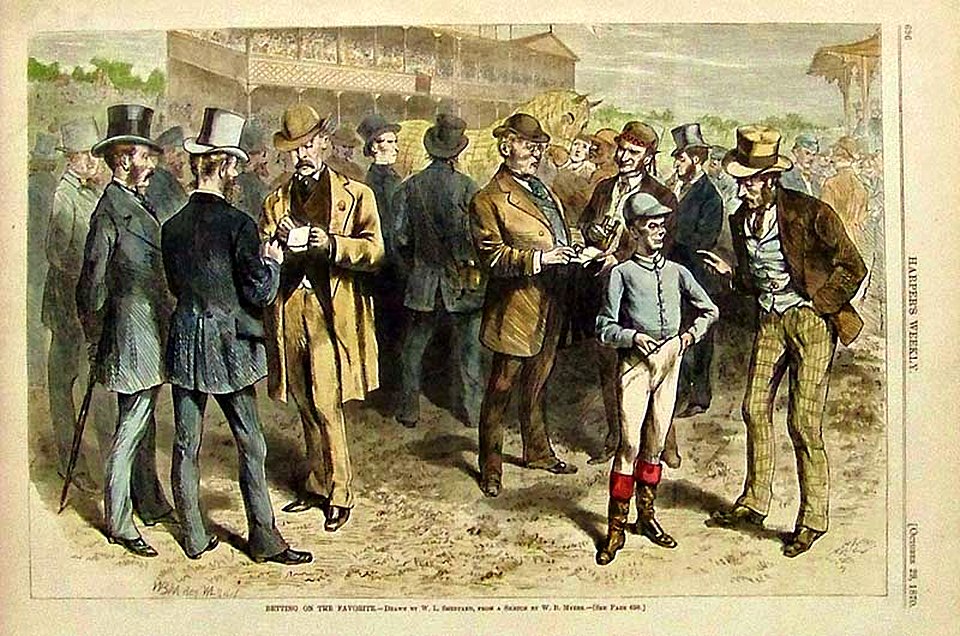
Bankroll Allocation: 15-20% for Prop Betting
Professional prop bettors allocate 15-20% of their total bankroll specifically to proposition betting. This allocation strategy balances the potential for higher returns from prop bets with the need to manage risk across different betting markets.
Here’s a breakdown of professional bankroll allocation strategies:
| Betting Category | Bankroll Percentage | Risk Level | Typical Bet Size |
|---|---|---|---|
| Point Spreads/Moneylines | 40-50% | Medium | 2-5% per bet |
| Prop Bets | 15-20% | High | 1-3% per bet |
| Futures/Parlays | 10-15% | Very High | 1-2% per bet |
| Live/In-Play | 20-25% | High | 1-4% per bet |
| Cash Reserve | 5-10% | None | N/A |
Individual prop bets should represent 1-3% of the total bankroll, with most professionals capping single prop bets at 2% to manage risk. This conservative approach ensures that even a string of losses won’t significantly impact the overall bankroll. The 15-20% allocation to prop betting allows traders to pursue the higher potential returns while maintaining a balanced portfolio across different betting strategies.
Expected Value Calculation for Profitable Prop Bets
Expected value (EV) calculation is the cornerstone of profitable prop betting. Professional prediction market traders need to calculate the true probability of an event occurring and compare it to the implied probability from the betting odds.
The formula for expected value is: EV = (Probability of Winning × Potential Payout) – (Probability of Losing × Stake). A positive EV indicates a potentially profitable bet over the long term.
For example, consider a player prop bet on a basketball player scoring over 25 points. If your statistical model suggests the player has a 60% chance of exceeding 25 points, and the sportsbook offers odds of +150 (implied probability of 40%), the EV calculation would be:
EV = (0.60 × $150) – (0.40 × $100) = $90 – $40 = +$50
This positive EV of $50 per $100 wagered indicates a potentially profitable opportunity. Professional traders use sophisticated statistical models that incorporate player performance data, opponent defensive statistics, game pace, and other factors to calculate true probabilities. Using sports betting odds comparison tools can help traders find the best available lines across different sportsbooks.
This positive EV of $50 per $100 wagered indicates a potentially profitable opportunity. Professional traders use sophisticated statistical models that incorporate player performance data, opponent defensive statistics, game pace, and other factors to calculate true probabilities.
Institutional-grade risk management approaches are essential for prop betting success. This includes setting stop-loss limits, diversifying across multiple uncorrelated props, and continuously monitoring and adjusting models based on actual results. The goal is to achieve consistent positive EV across a portfolio of prop bets rather than relying on individual high-risk wagers.
Finding Value in Player Props vs Game Props
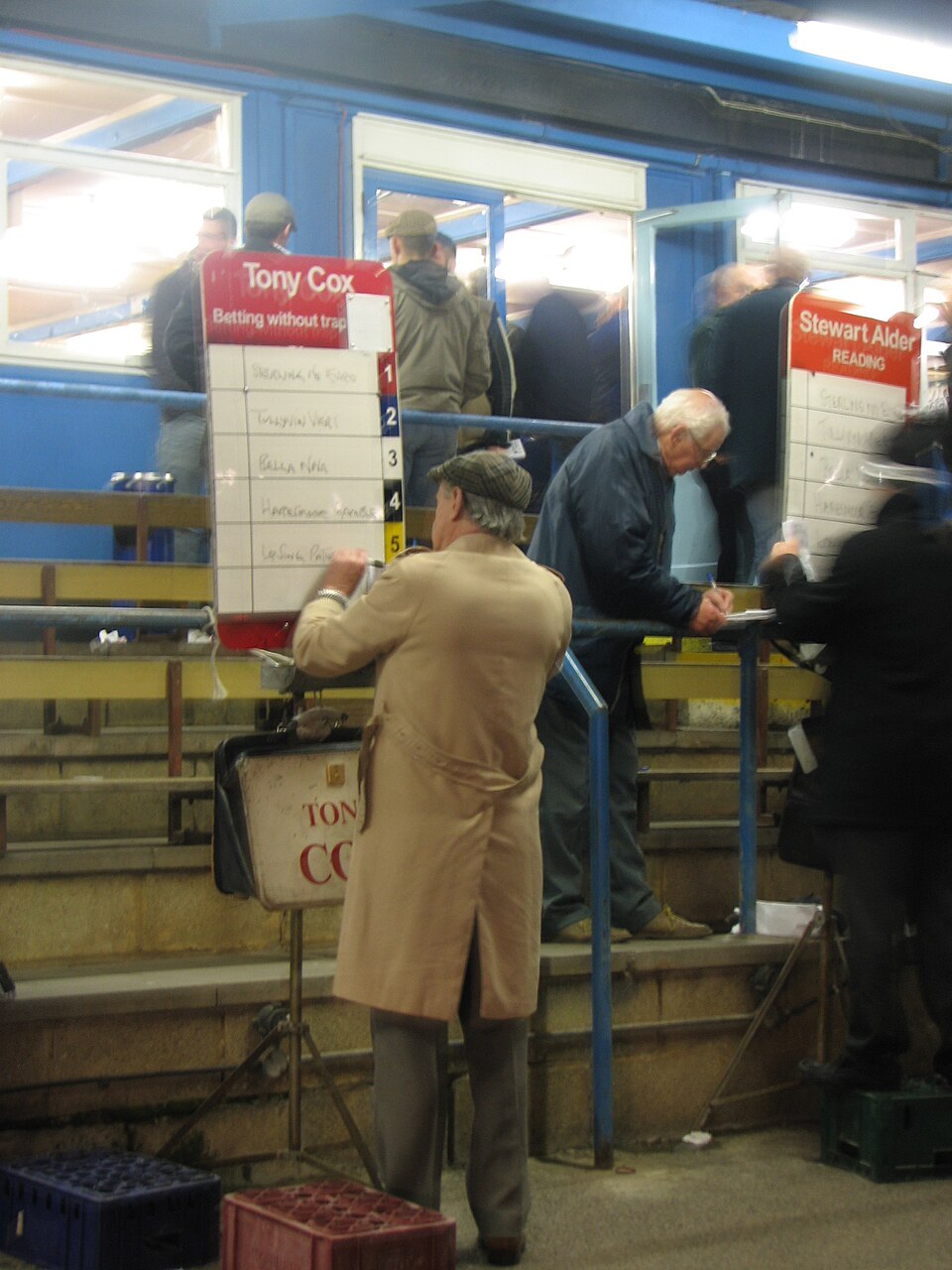
Player Props: Individual Performance Betting Opportunities
Player props represent some of the most popular and potentially profitable proposition betting opportunities. These bets focus on individual player statistics such as points scored, rebounds, assists, touchdowns, and other performance metrics. Understanding sports betting prop bets is essential for traders looking to capitalize on these markets.
The most profitable player prop categories include:
- Scoring Props: Points scored by individual players, often with over/under lines based on season averages and recent performance
- Statistical Props: Rebounds, assists, three-pointers made, rushing yards, receiving yards, and other specific statistical achievements
- Double-Double/Triple-Double Props: Bets on players achieving multiple statistical milestones in a single game
- First/Last Scorer Props: Predicting which player will score first or last in a game
- Anytime Scorer Props: Bets on players scoring at any point during the game
To identify value in player props, sophisticated statistical analysis techniques are required. This includes:
- Regression Analysis: Using historical data to identify factors that influence player performance
- Machine Learning Models: Training algorithms to predict player statistics based on multiple variables
- Injury Impact Assessment: Evaluating how player injuries and lineup changes affect performance
- Matchup Analysis: Analyzing how specific player matchups influence statistical outcomes
- Pace and Tempo Adjustments: Accounting for game pace and how it affects player opportunities
Professional traders often develop proprietary models that combine multiple data sources and analytical techniques to identify mispriced player props. The key is finding situations where the sportsbook’s odds don’t accurately reflect the true probability of the outcome.
Game Props: Team Performance and Novelty Markets
Game props focus on team performance and specific game events rather than individual player statistics. These include bets on total points scored, first team to score, margin of victory, and various novelty markets.
Game props offer different risk profiles compared to player props. While player props can be influenced by individual matchups and player-specific factors, game props are more dependent on overall team performance, coaching strategies, and game flow.
Key game prop categories include:
- Total Points: Over/under bets on combined team scores
- Team Totals: Individual team scoring over/under lines
- Margin of Victory: Bets on the point difference between teams
- First Half/Second Half Bets: Game props specific to different portions of the game
- Quarter/Half Props: Specific bets on scoring in particular game segments
- Novelty Props: Entertainment-focused bets like national anthem length, coin toss results, or halftime show outcomes
Game props often have higher liquidity than player props, making them attractive for larger wagers. However, they can also be more efficient markets where finding value requires deeper analysis of team dynamics, coaching tendencies, and situational factors.
The timing of game prop bets is also crucial. Odds can shift significantly based on team news, weather conditions, and public betting patterns. Professional traders often wait until closer to game time to place their bets, allowing them to incorporate the latest information and potentially find better value.
The 35% market share of prop betting in 2026 creates significant arbitrage opportunities for prediction market traders who understand how to identify value. The most surprising finding is that many sportsbooks still struggle to accurately price individual player props and niche game props, creating consistent value opportunities for sophisticated traders.
Start with a conservative approach by allocating 1-3% of your total bankroll to individual prop bets with positive expected value. Focus on player props where you have statistical expertise and gradually expand to game props as you develop more sophisticated analysis techniques. The key to long-term success is maintaining discipline with bankroll management while continuously refining your value identification strategies.